
In 'The Magic Faraway Tree' Practical Effects Bring Childhood Magic To Life
Interiors
Production designer Alexandra Walker divulges how she brought a children’s book fairyland to life using practical effects and an on-location barn.
The film adaptation of Enid Blyton’s classic children’s book, “The Magic Faraway Tree,” required two of the more ambitious tasks for a production designer: the thrills of massive home (or in the case of the Thompson family, barn) renovation, and an airborne treehouse that functions as a portal to a marshmallow-lined candyland and magic-filled dreamscapes. Production designer Alexandra Walker—whose previous projects include several of the original “Harry Potter” films—embraced the challenges of adapting a beloved fantasy book with the composure of a Hogwarts art department alum.
“The Magic Faraway Tree” follows a gaggle of siblings who discover a transportative tree full of fairies upon moving to the English countryside with their parents. At the center of the production lies, you guessed it, a magical, faraway (but still walking-distance tree) that was constructed on a soundstage. Working with the budget constraints of an independently financed project, Walker and her team of art directors, set decorators, and propmasters made the most of their 12-week prep time and 12-week shooting schedule.
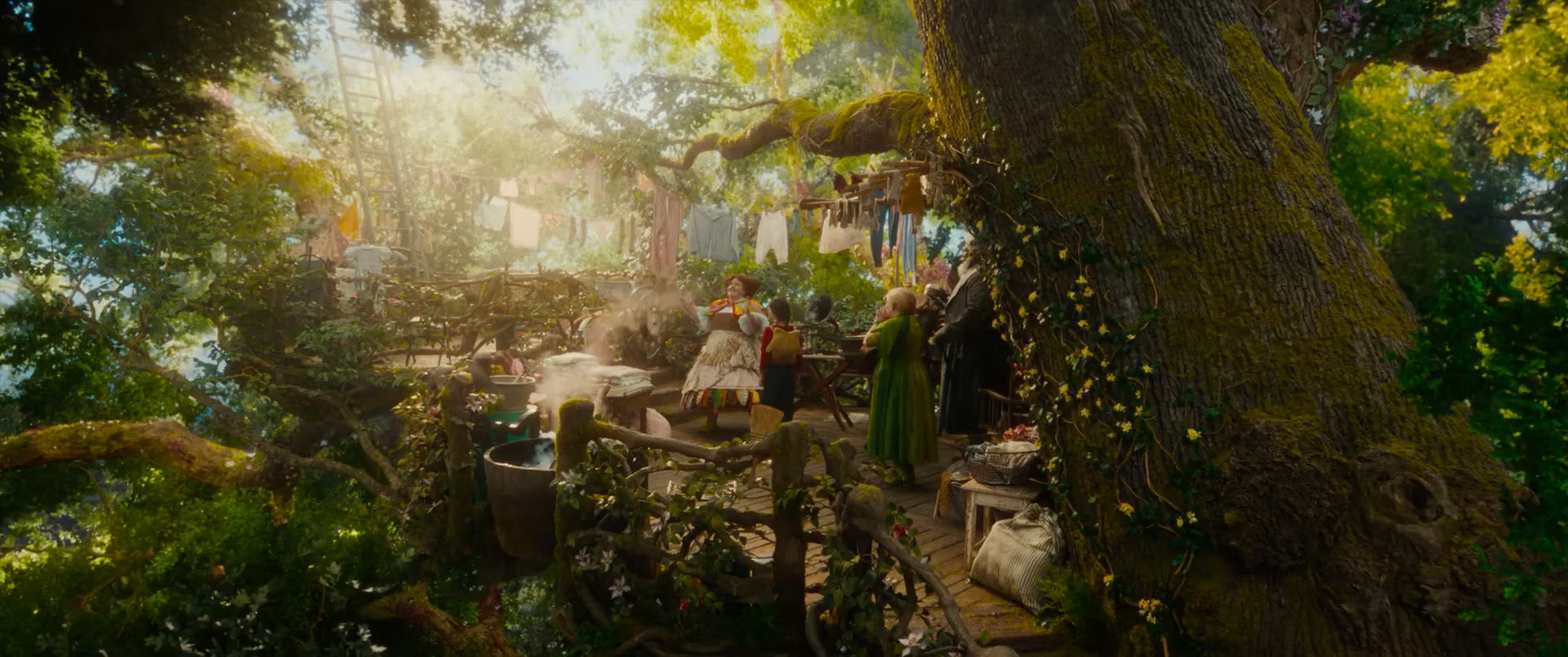

The balcony outside Moonface's study in "The Magic Faraway Tree."
Alexandra Walker
“The tree was our first priority,” Walker says. Early on in the scouting process, she and location manager Harriet Lawrence, were “very struck by a beautiful meadowy woodland” within Windsor Great Park that provided a great backdrop for the tree. On their soundstage, they built the base and doorway of the tree, alongside a set of climbing branches. Using drawings by art director Hattie Storey, a life-size sculpture of the tree was created off a plasticine maquette, where selected bark was patchworked into silicone pieces to create a naturalistic texture and finish. “It harnessed the childlike wonder of discovery on entering from inside the trunk,” Walker says. In post-production, the VFX team heightened the wonder by augmenting the practically existing paradise of flowers, moss and mushrooms with magically appearing flowers and vines.
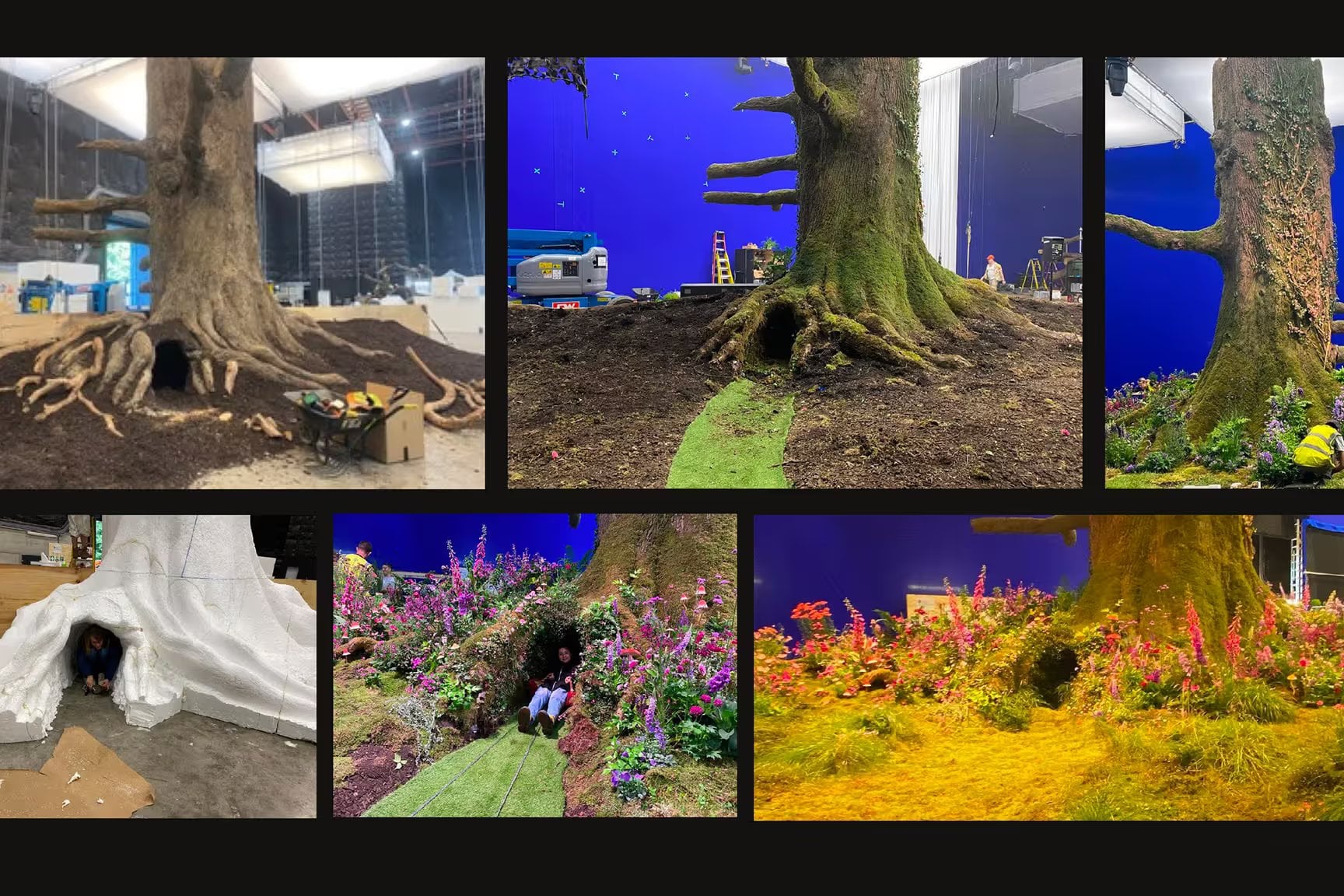

Behind the scenes of "The Magic Faraway Tree."
Alexandra Walker
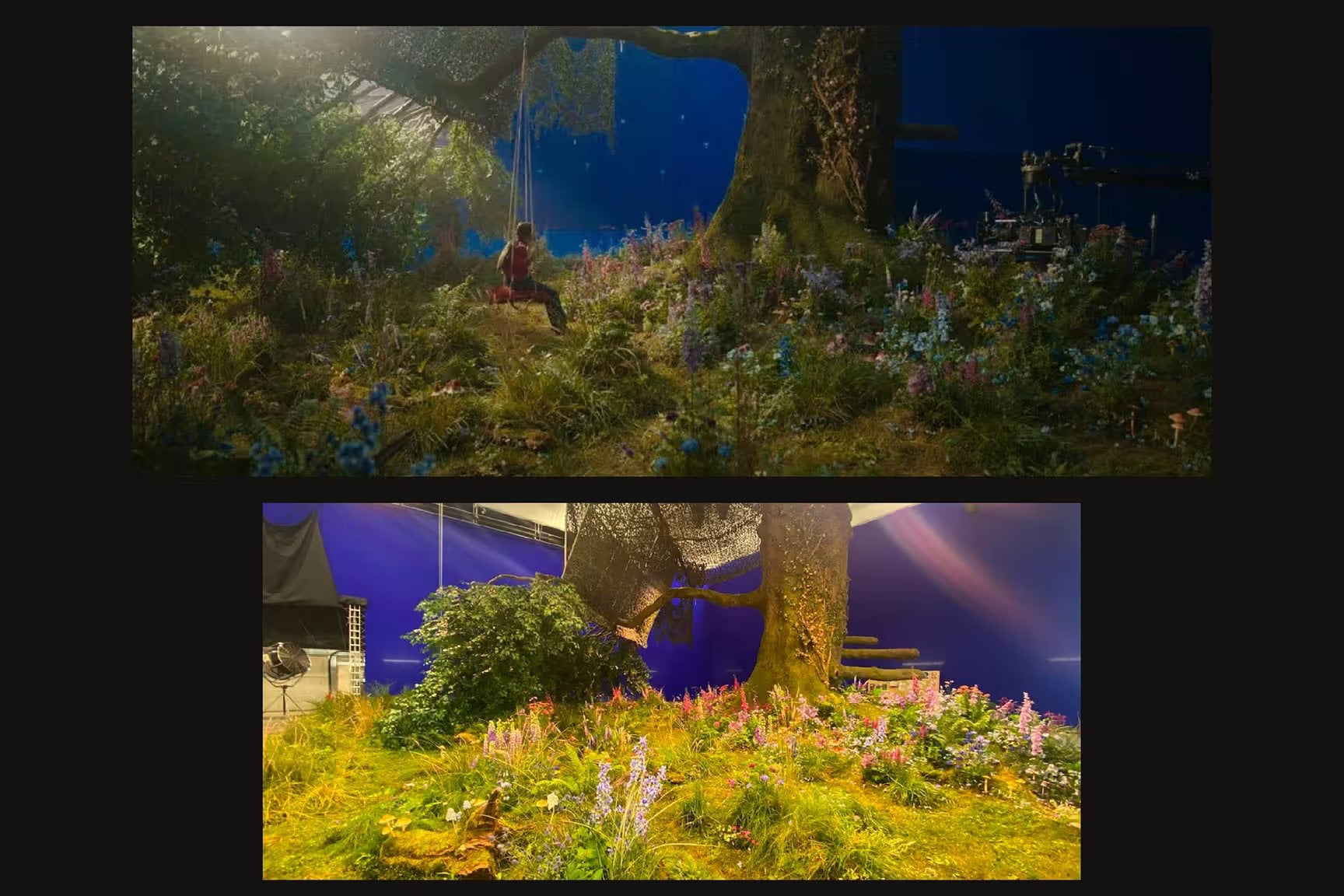

Behind the scenes of "The Magic Faraway Tree."
Alexandra Walker
Behind the scenes of "The Magic Faraway Tree."
Alexandra Walker
Behind the scenes of "The Magic Faraway Tree."
Alexandra Walker
Like many children of the late ’70s, Walker was raised reading ‘The Magic Faraway Tree.’ Revisiting her childhood copy of the book while working on the film, she was “struck by how relatively few drawings of the environment there were” and eager to do justice to the text’s imaginative world-building. “Perhaps Blyton wanted every child to use their imagination and create their own personal worlds,” Walker suggests.
Walker felt especially compelled to honor the moments that were personal to her as a young reader, including the children’s first arrival to the countryside, and of course, to the tree. Initially, the film’s script had the Thompson family move to a cottage in the countryside, but Walker wanted something “more idiosyncratic and significantly adjacent to woodland,” Walker says. Collaborating with Lawrence, she sought farm locations with outbuildings that could be adapted for the film. “Rather serendipitously, the first [outbuilding] we visited had an interesting and dilapidated barn…and it was perfectly located at the base of a beautiful hill valley,” Walker says.
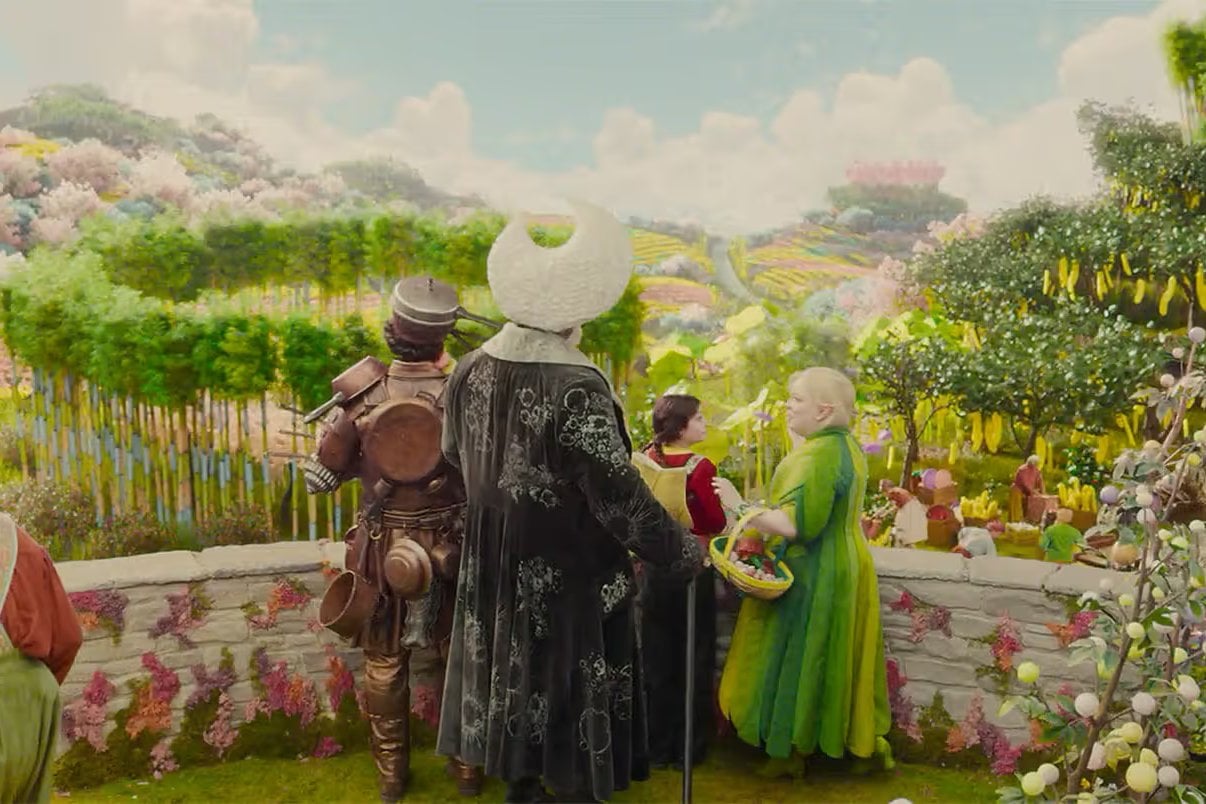

The Land of Goodies in "The Magic Faraway Tree."
Alexandra Walker
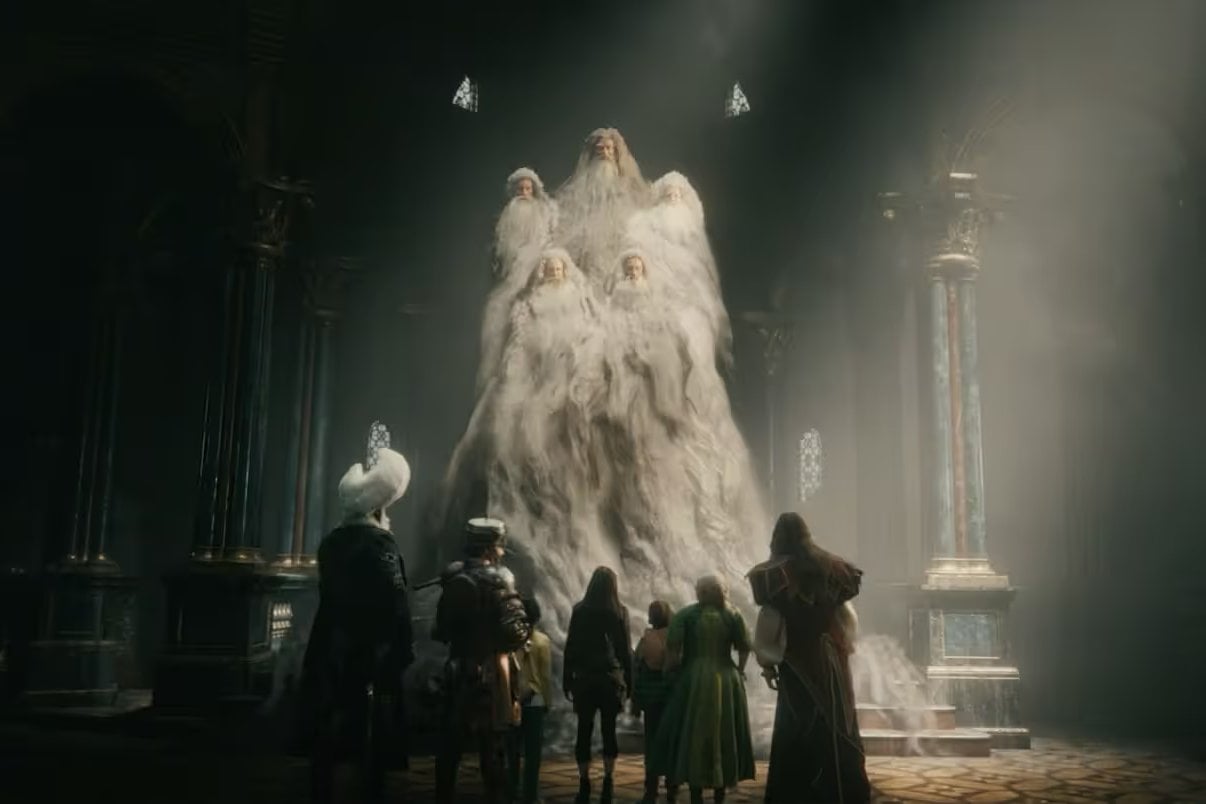

The Land of Know Alls in "The Magic Faraway Tree."
Alexandra Walker
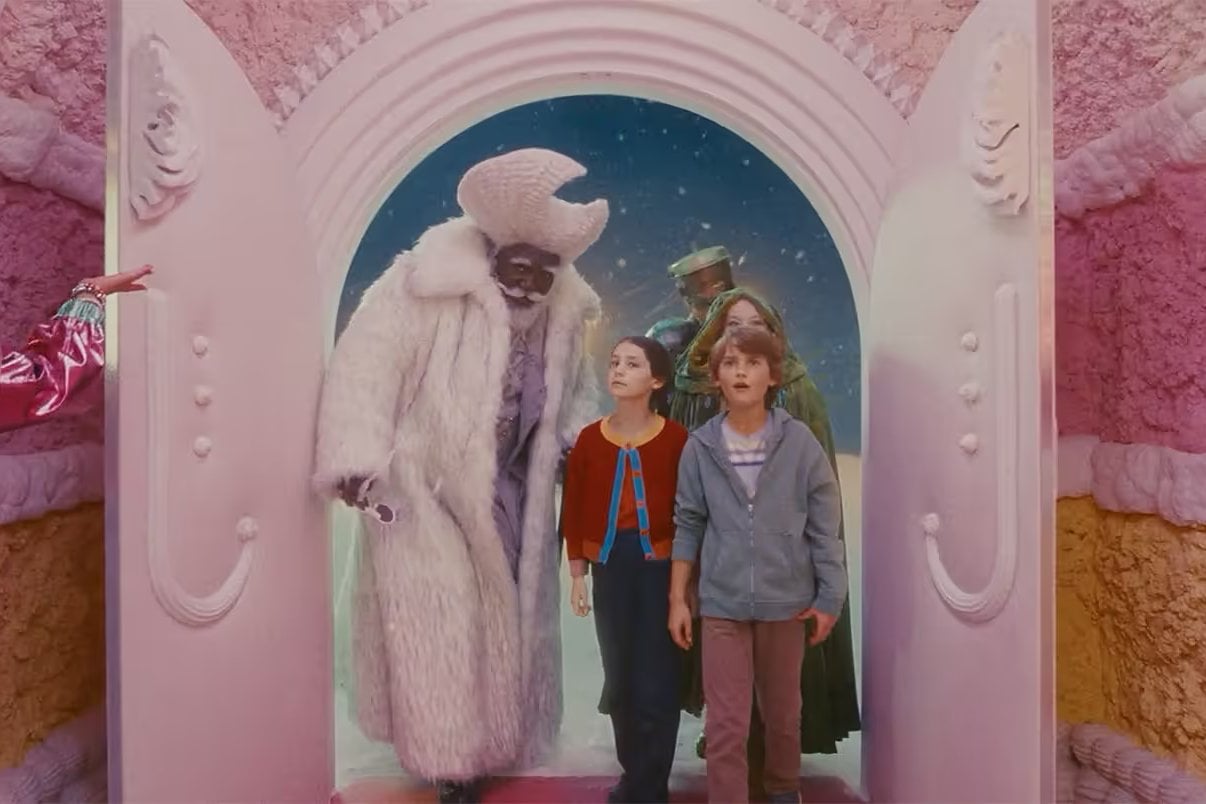

The Land of Birthdays in "The Magic Faraway Tree."
Alexandra Walker
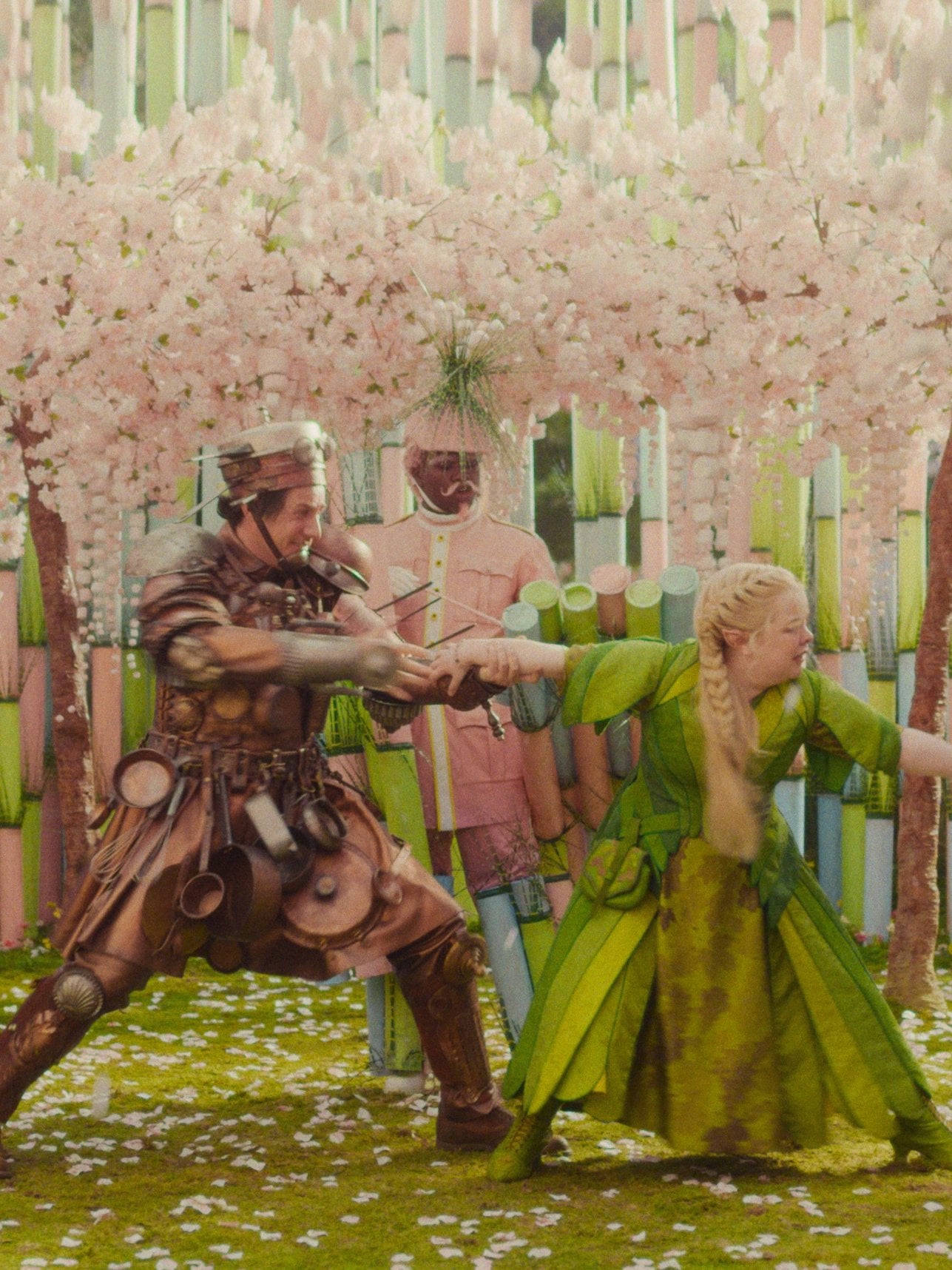
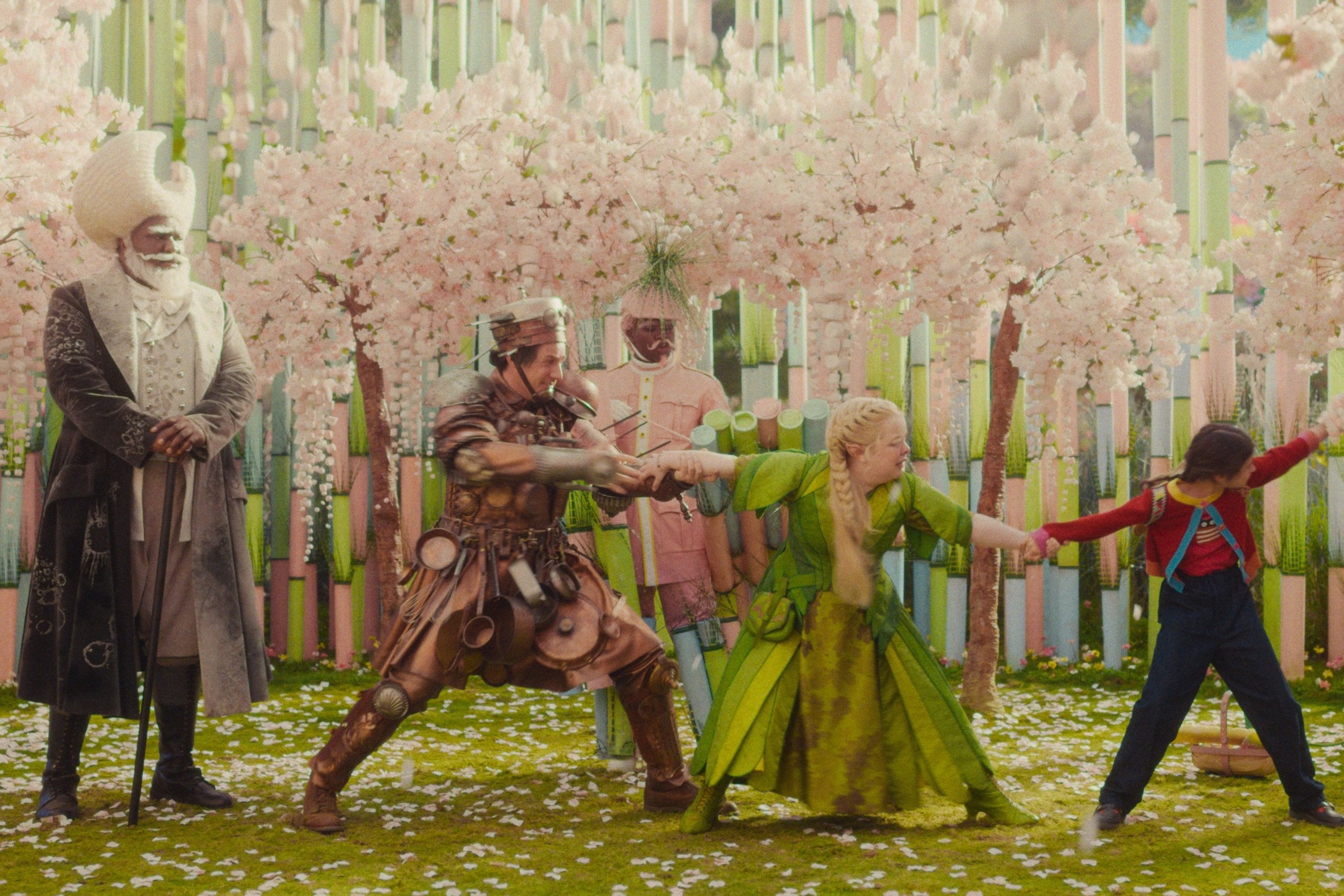
The faraway tree was the first of many fantasy realms Walker was in charge of bringing to life. “The challenge was to give a consistent language to Blyton’s lands,” Walker describes, as the tree opened a portal to the Land of Goodies, Birthdays, and Dreams. To create a plausible backstory for the geography of each land, Walker proposed that they were large pieces of rock that had broken away and cultivated specific qualities and communities over time. “The geology beneath each land resembles the other in some way, allowing the footprint on the surface to be defined by its namesake,” Walker explains.
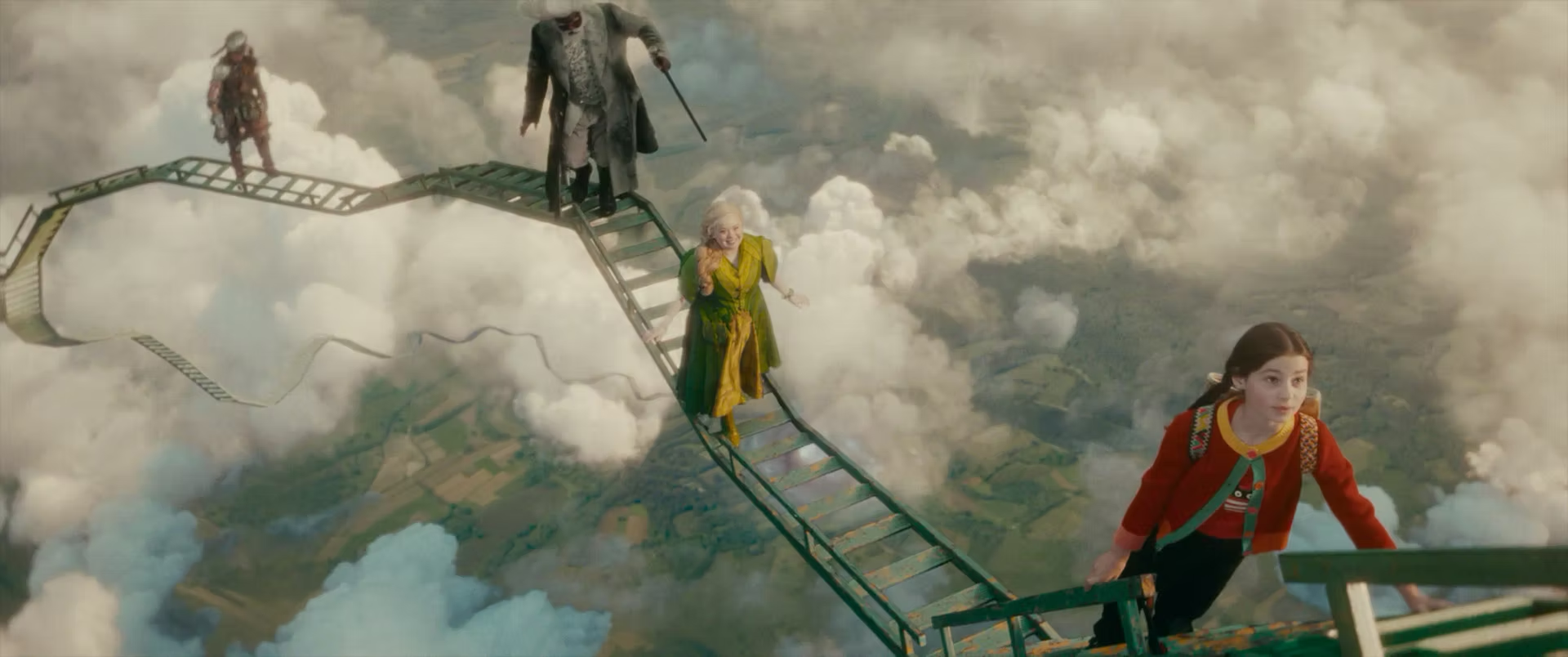

Nonso Anozie, Nicola Coughlan, and Billie Gadson in "The Magic Faraway Tree."
Alexandra Walker
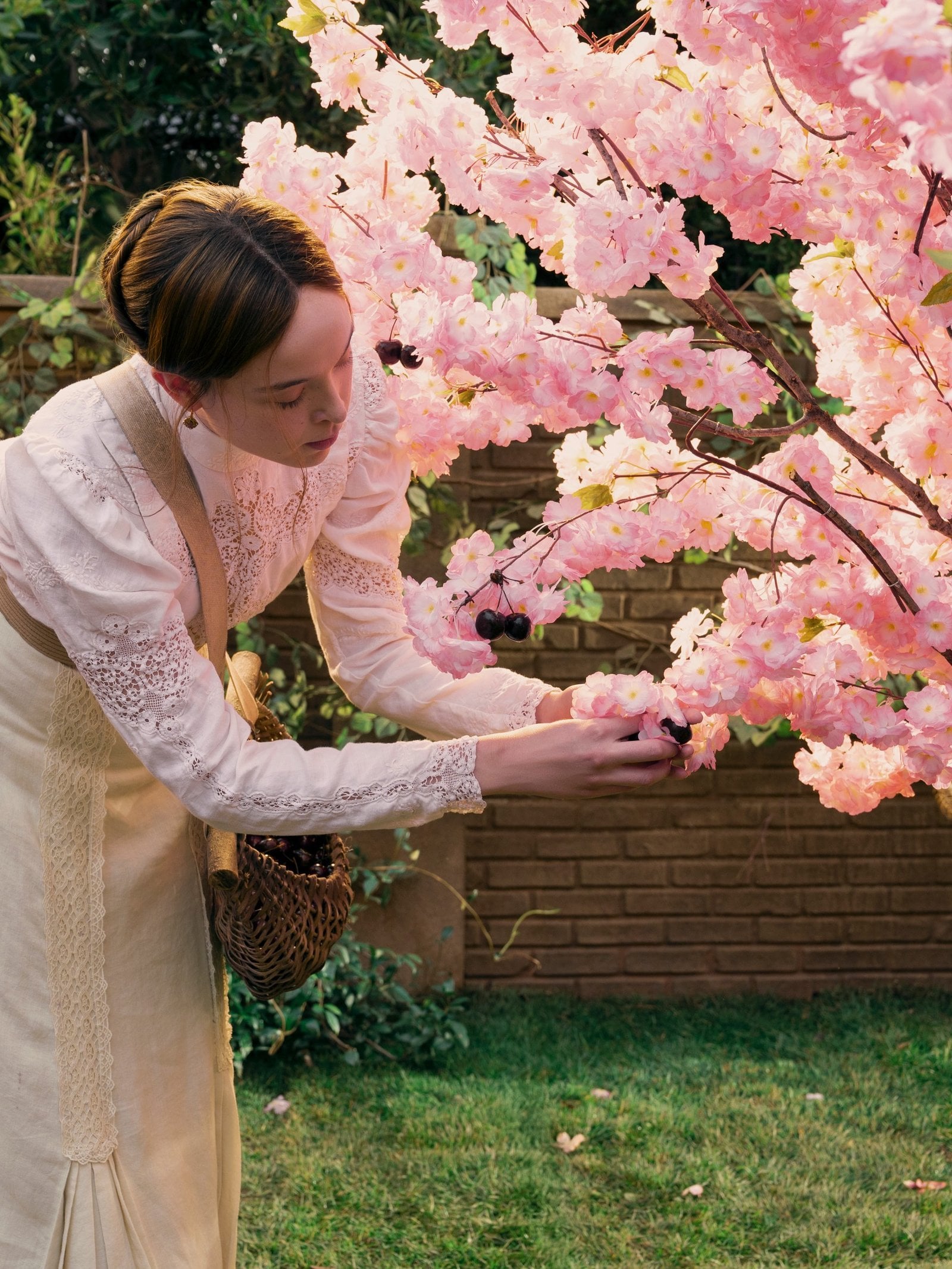
For the candy-adorned Land of Goodies, the film’s director, Ben Gregor, was “particularly driven to avoid a sickly-sweet world made of pink indeterminate floss,” Walker explains. Looking towards the fruit trees that adorned the larger, faraway tree, Walker suggested that the Goodies derived from trees and harvest. “It chimed well with the family in pursuit of growing and harvesting a crop of tomatoes. Naturalism and nostalgia became important themes in every space,” Walker says.
When it came to adapting a book so largely tethered to magic and fantasy, Walker found delt with adapting details that were “perhaps easier to write, yet quite a challenge to visualise and give a believable language to.” Collaborating with Key Greens—a landscaping company that helps incorporate nature into film sets—Walker wanted to create an environment for “the children to walk into and feel like they were transported somewhere else.” The resulting foliage was a combination of real and artificial flora and fauna. “I was very conscious that any slight and visually jarring departure could instantly and disastrously take an audience out of the story,” she says. “The experience had to be both magically surprising yet subliminally carry an audience.”