
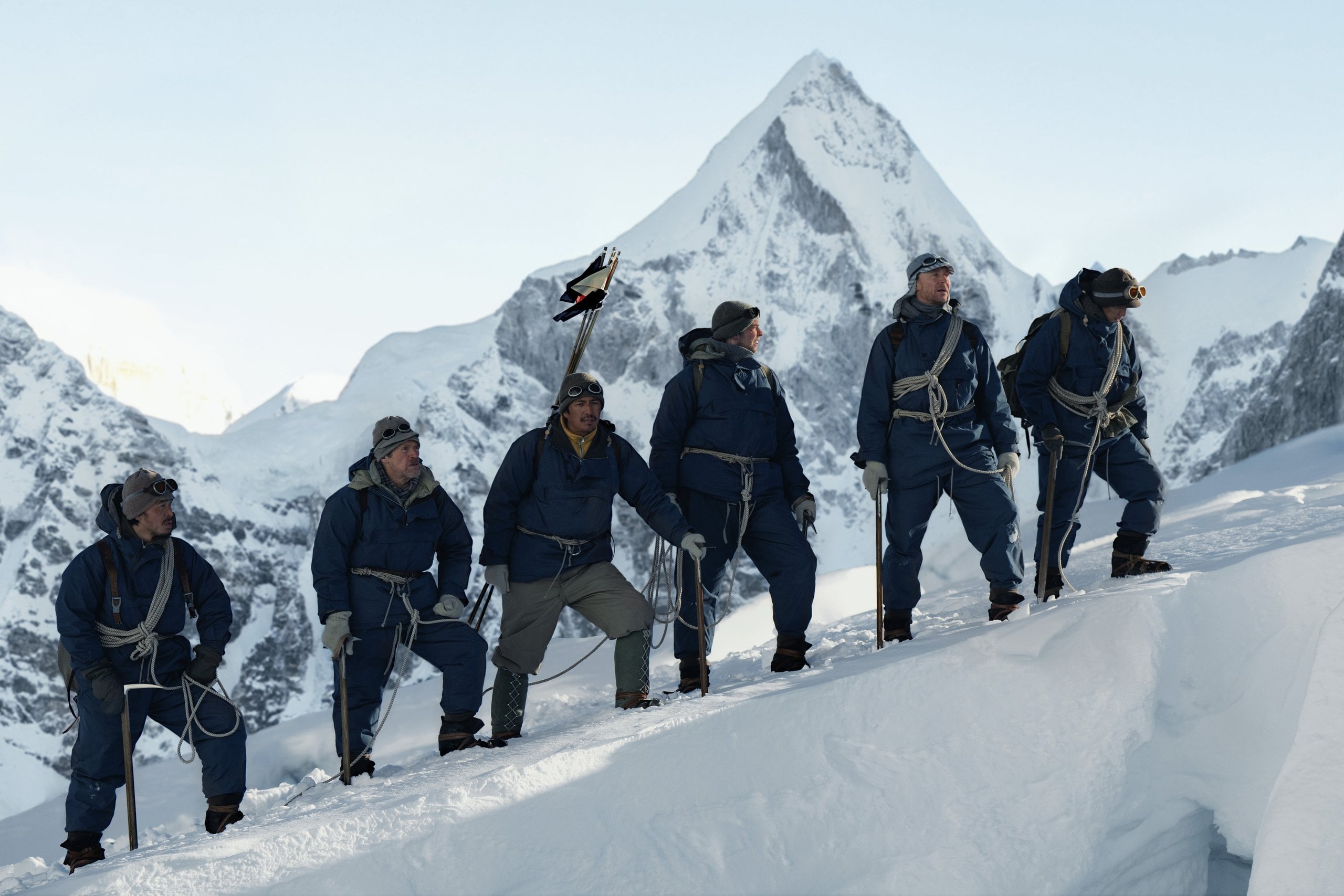
How the Production Designer of ‘Tenzing’ Brought Mount Everest to Life Without a Green Screen
Interiors
Through Nepalese gorges and back, Melinda Doring details the journey behind bringing a Himalayan odyssey to life on screen.
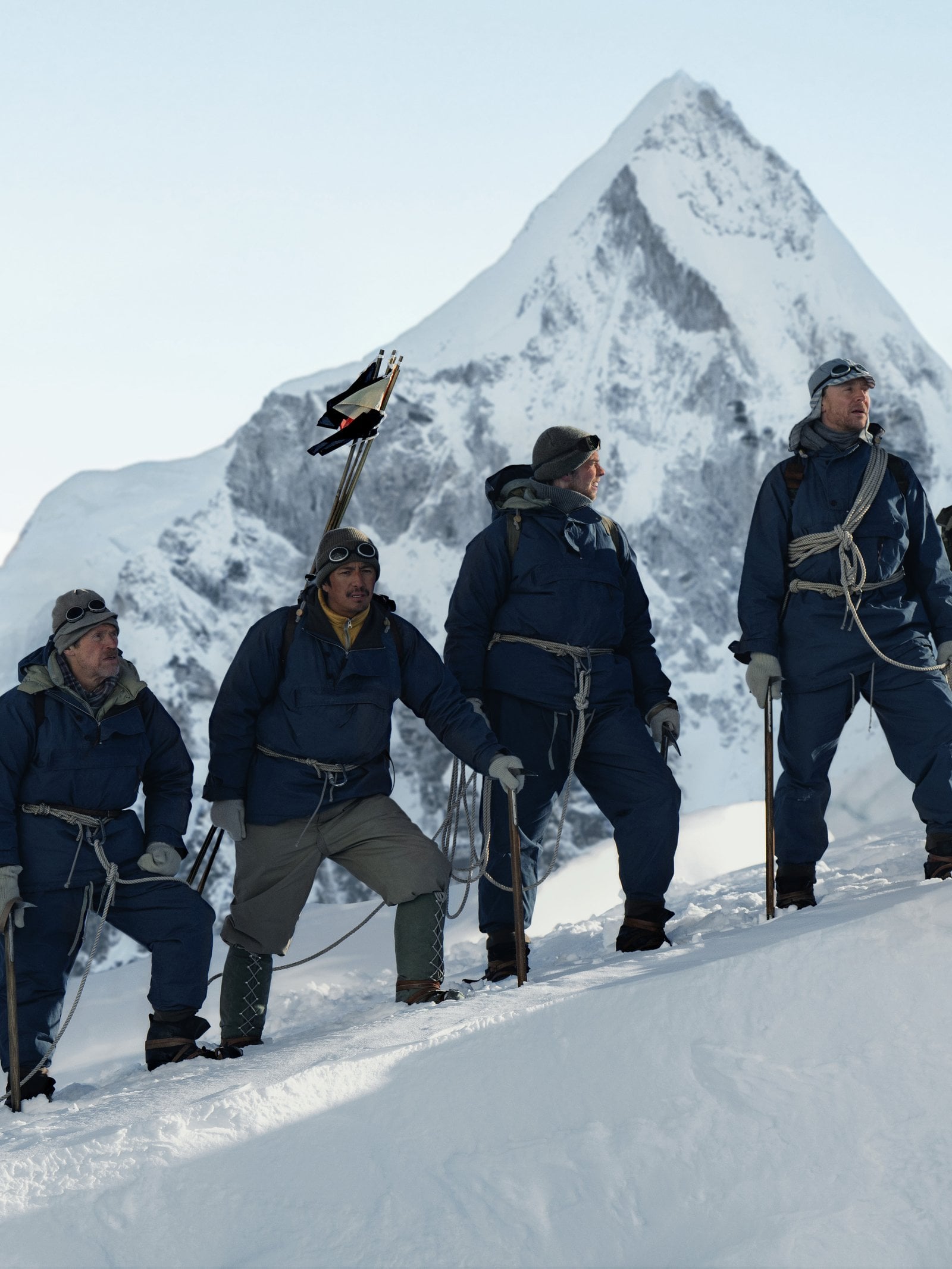
If “Tenzing” looks and feels like it was really shot on Mount Everest, that's because it was shot on the next best thing: high-altitude mountain ranges around Nepal and New Zealand. At the request of the film’s director, Jennifer Peedom, production designer Melinda Doring staged and recreated Himalayan environments without a green screen to tell the story of Tenzing Norgay’s historic ascent up the highest mountain range on earth. “Jen is a documentary director who has spent a lot of time on Everest, so she really wanted the audience to experience these locations in the most believable way possible,” Doring says. “My job as designer was to help see what would work from a design perspective.”
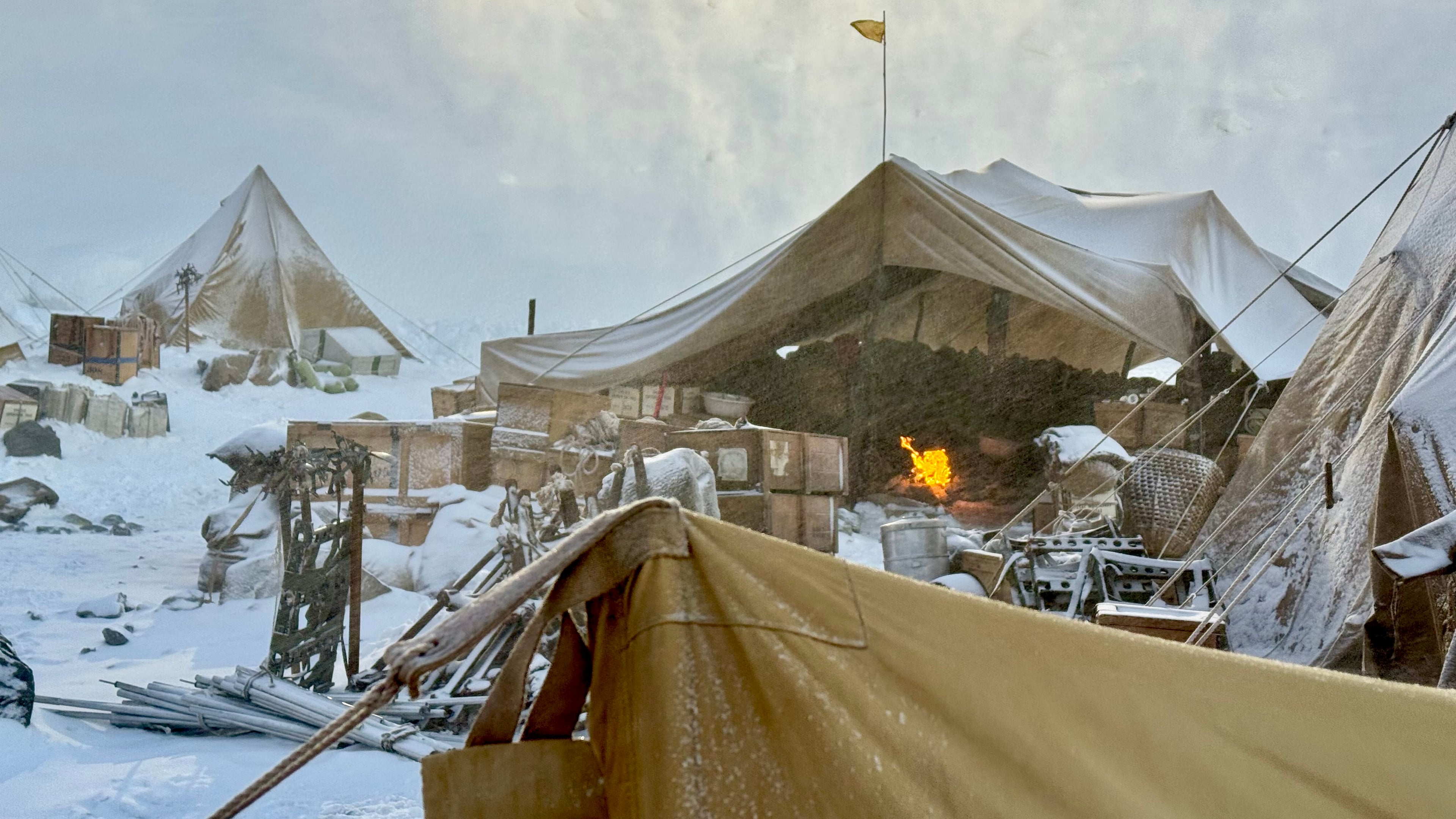

"Tenzing" base camp.
Melinda Doring
“Tenzing” was the most ambitious production design project Doring had worked on, requiring extensive historical research and international manufacturing. “It was like we were going on our own [Everest] expedition, and we were,” Doring says. “We were manufacturing for real expeditions, but with the filmmaking practicality behind it.” Staging elaborate sets on high-altitude landscapes required coordinating helicopter transportation and designing mountaineering equipment that could withstand below-freezing conditions and high-wind areas. Such a task required international support to come to life. “The props and tents were designed in New Zealand, based on research I undertook in London, and manufactured all over the world, in India, China, Nepal, and New Zealand,” Doring says.
But before any equipment could be built, Doring researched period-accurate designs. “Those [1920s, 1930s, and 1953 Everest] expeditions were incredibly well documented, partly because it was like going to the moon back then,” she says. During pre-production, Doring visited the Royal Geographical Society and the Alpine Club in London to sort through documentary-style photos of local Himalayan communities and personal artifacts like ice axes, diaries, gloves, and tents from various expeditions. Doring also drew on Colonel John Hunt’s expedition notes. In keeping with Willem Dafoe’s on-screen depiction of Hunt as a meticulous military man, the army officer’s real-life field notes lived up to the performance. “He was someone who put months and years into planning what they took up there—the rations, the food, the this and the that,” Doring says.

Melinda Doring
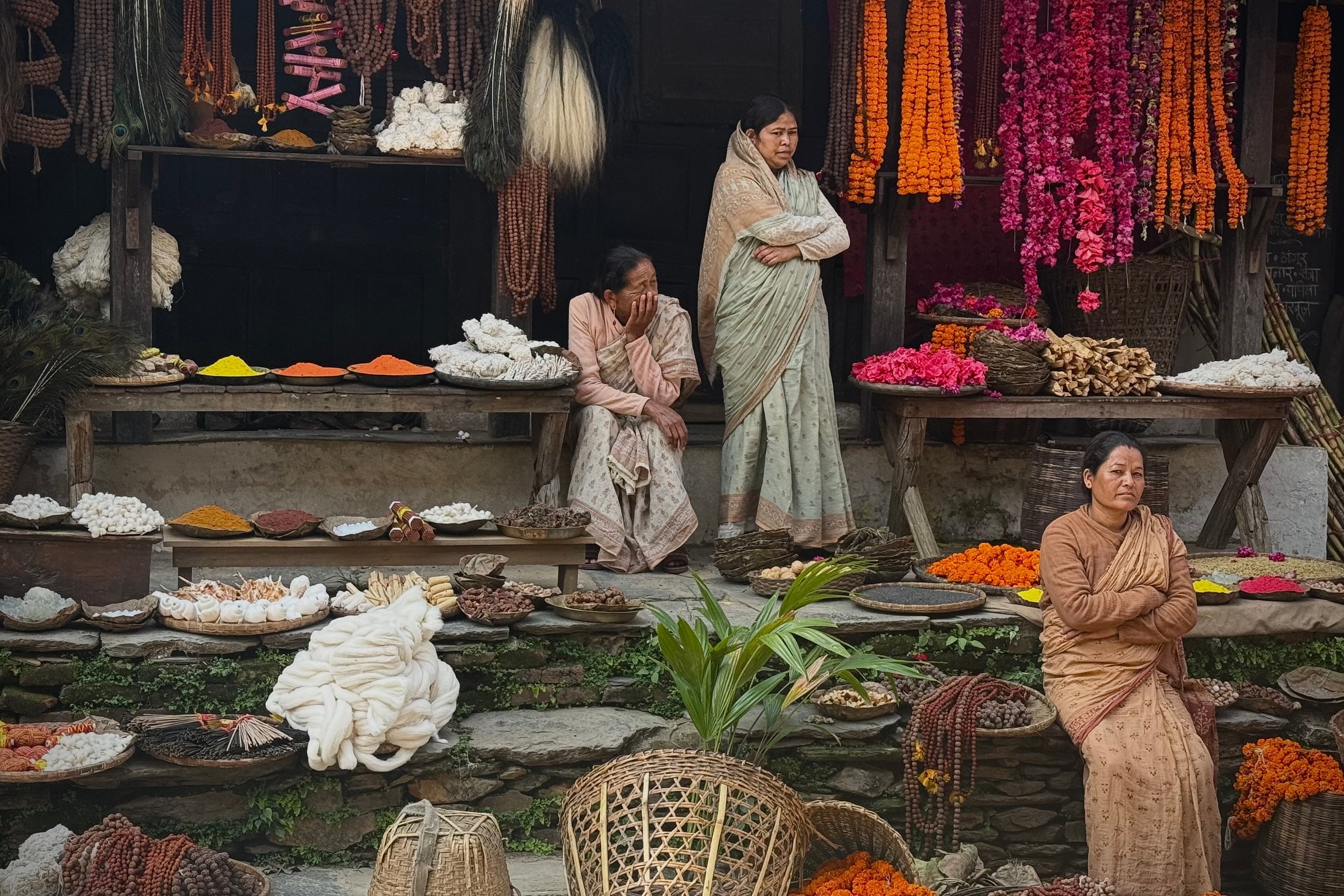

A market stall created in Bandipur, Nepal to represent a 1930s Darjeeling, India.
Melinda Doring

Melinda Doring
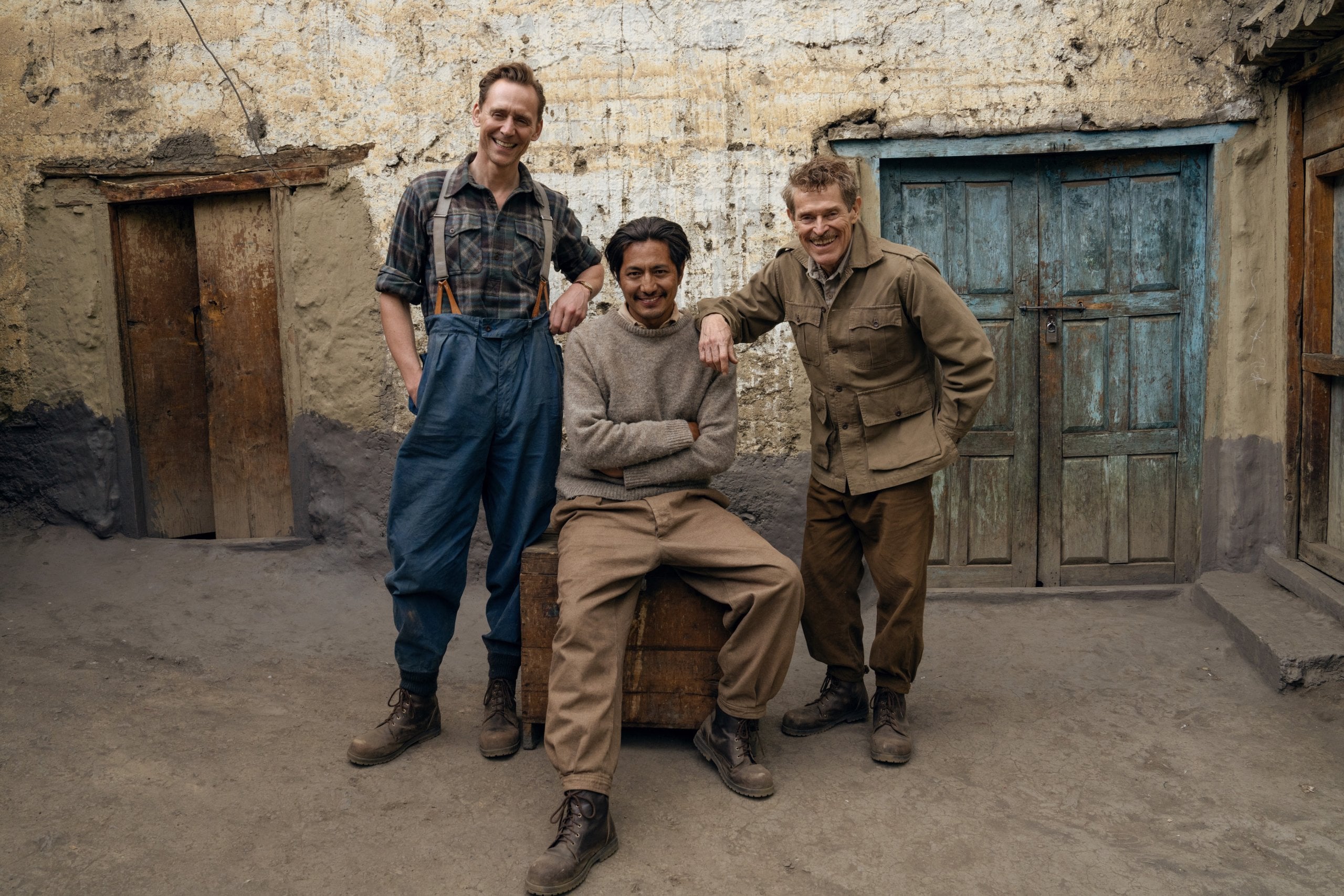

Tom Hiddleston, Genden Phuntsok and Willem Dafoe in "Tenzing."
Apple TV
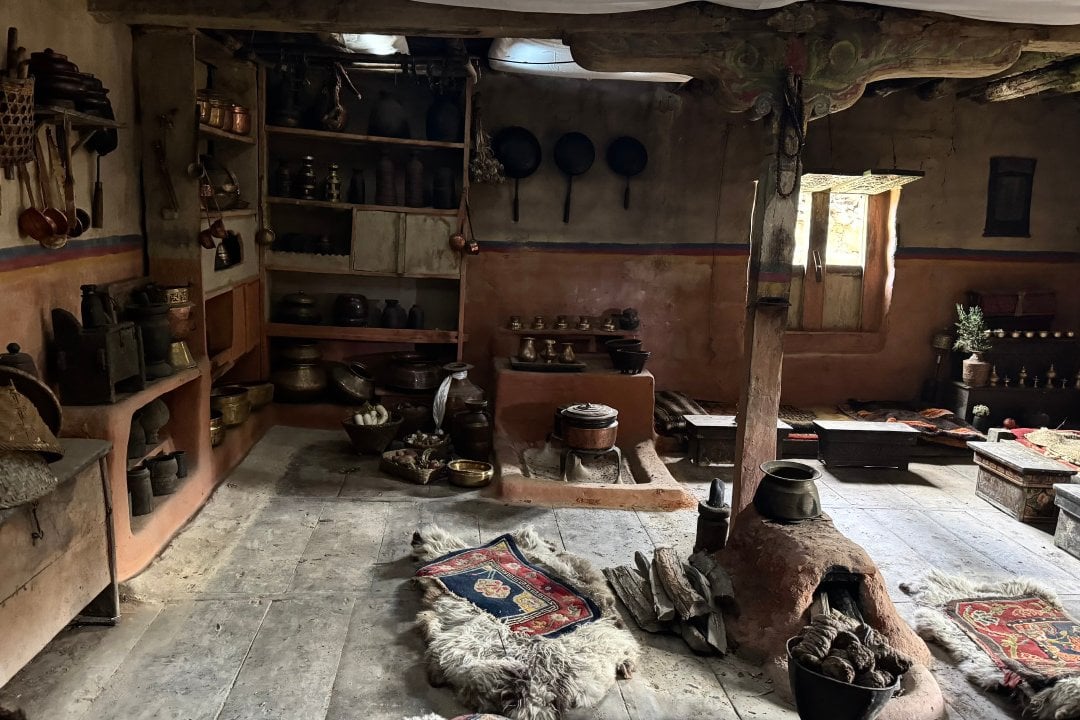
For a film centered around Tenzing, it was essential to research Sherpa culture outside the context of Britain's 1953 Everest expedition. “There was an amazing book that Jen gave me, [‘Through a Sherpa's Window’] and it became our bible for the culture,” Doring says. The book’s author, Lhakpa Norbu Sherpa, ended up being a cultural adviser on the film’s Nepalese sets. “We would go to him and be like, ‘Okay, in this scene these characters have to cook, what would they be cooking?’ and we'd learn about yak sausages and special ovens,” Doring says. Doring also spent time with one of Tenzing’s sons to learn about the mountaineer’s life and culture.
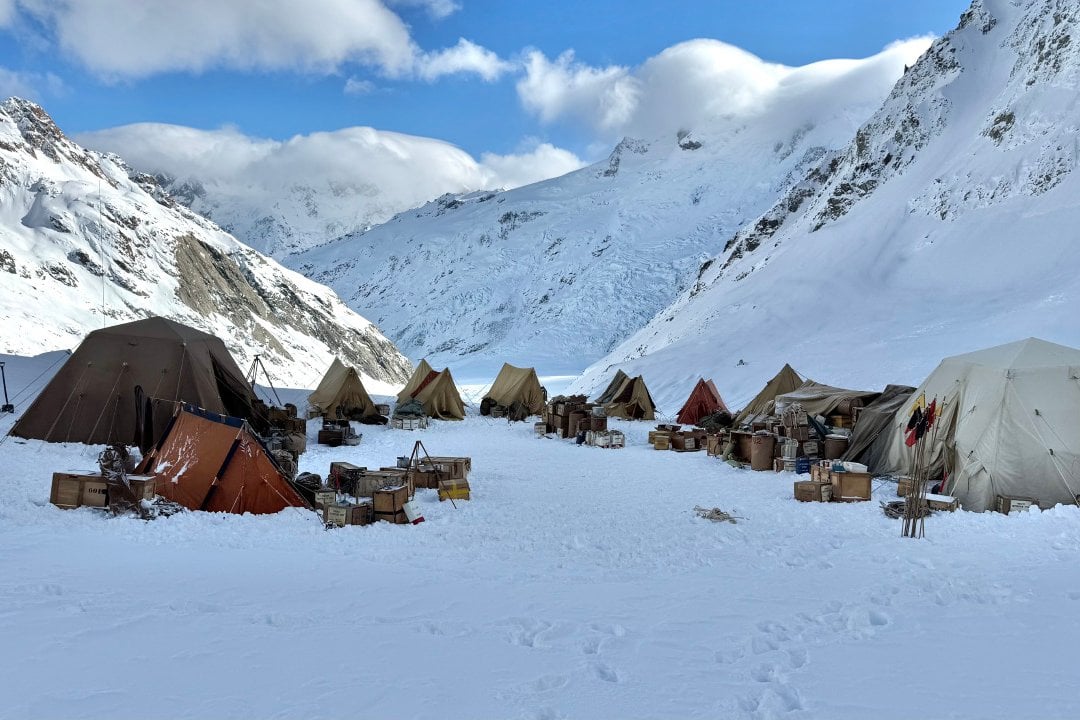

"Tenzing" base camp.
Melinda Doring
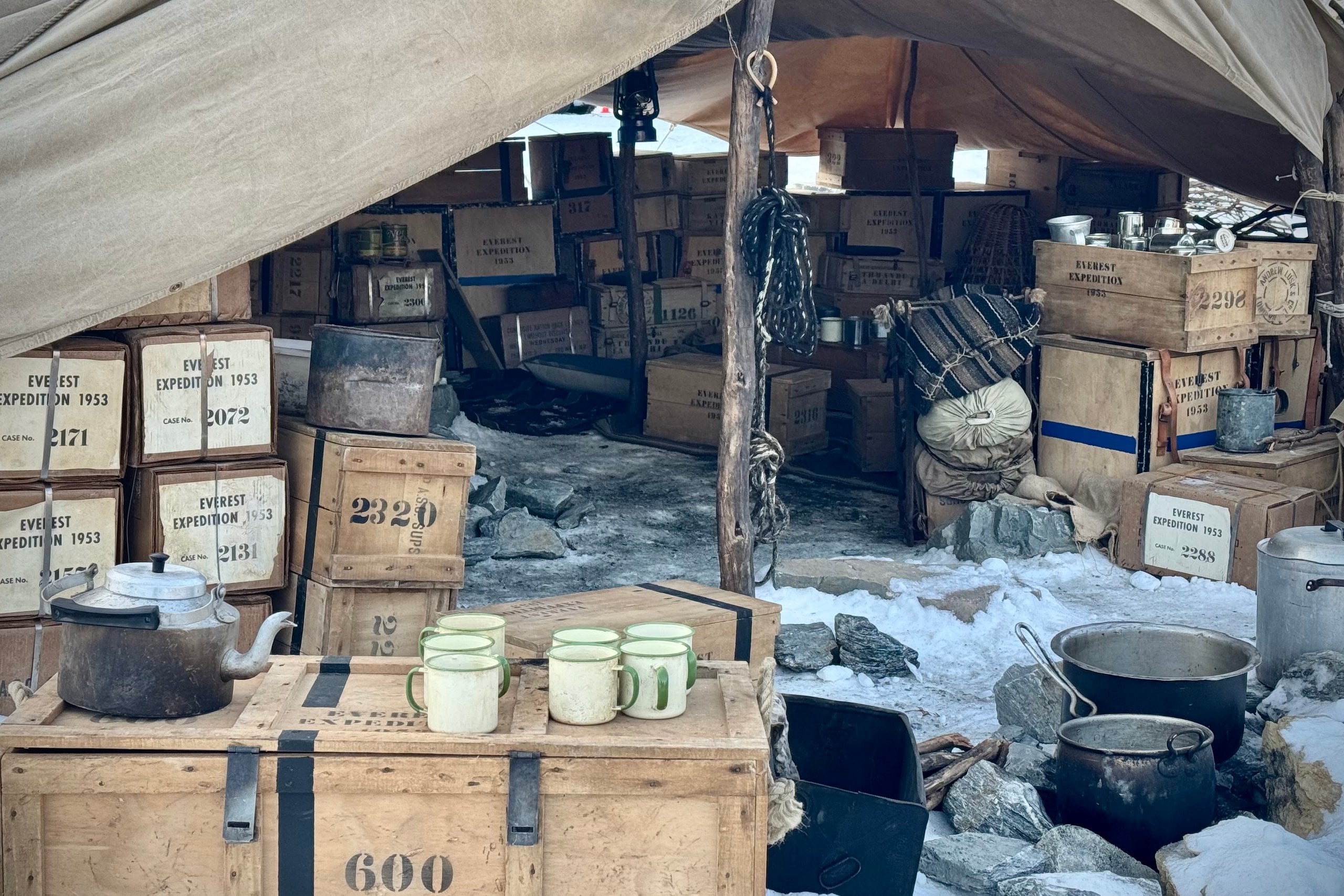

The Sherpa cooking tent recreated on Mount Aoraki to represent the Mount Everest Base Camp in 1953.
Melinda Doring
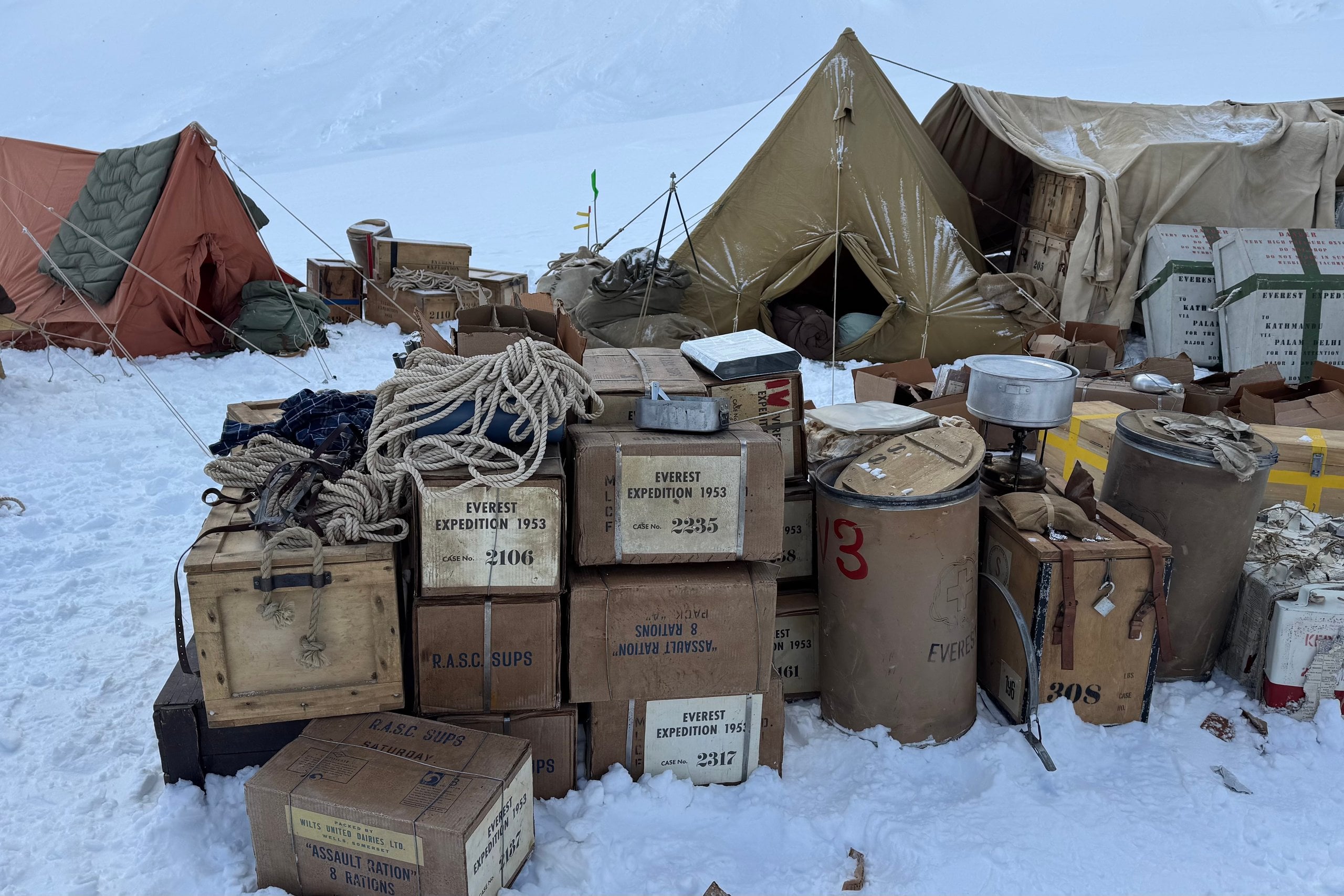

"Tenzing" base camp.
Melinda Doring
Having hiked Mount Everest herself, Peedom doubled as a location scout of sorts, finding terrain that mirrored her lived experience on the mountain. For the Everest Base Camp, Peedom and Doring decided to set up camp on the Hochstetter Glacier on Aoraki/Mount Cook in New Zealand. Once the equipment was manufactured, it underwent various treatments to appear as if it had been weathered on Everest and helicoptered to set. Doring likens production to “a changeable feast,” always at the mercy of the elements. “It's almost like doing some kind of army operation where you have to really think about exactly what's going in and how much it's gonna weigh,” Doring says. “If bad weather was coming, we had to be ready to pack up very quickly, so it was quite an unusual situation.”
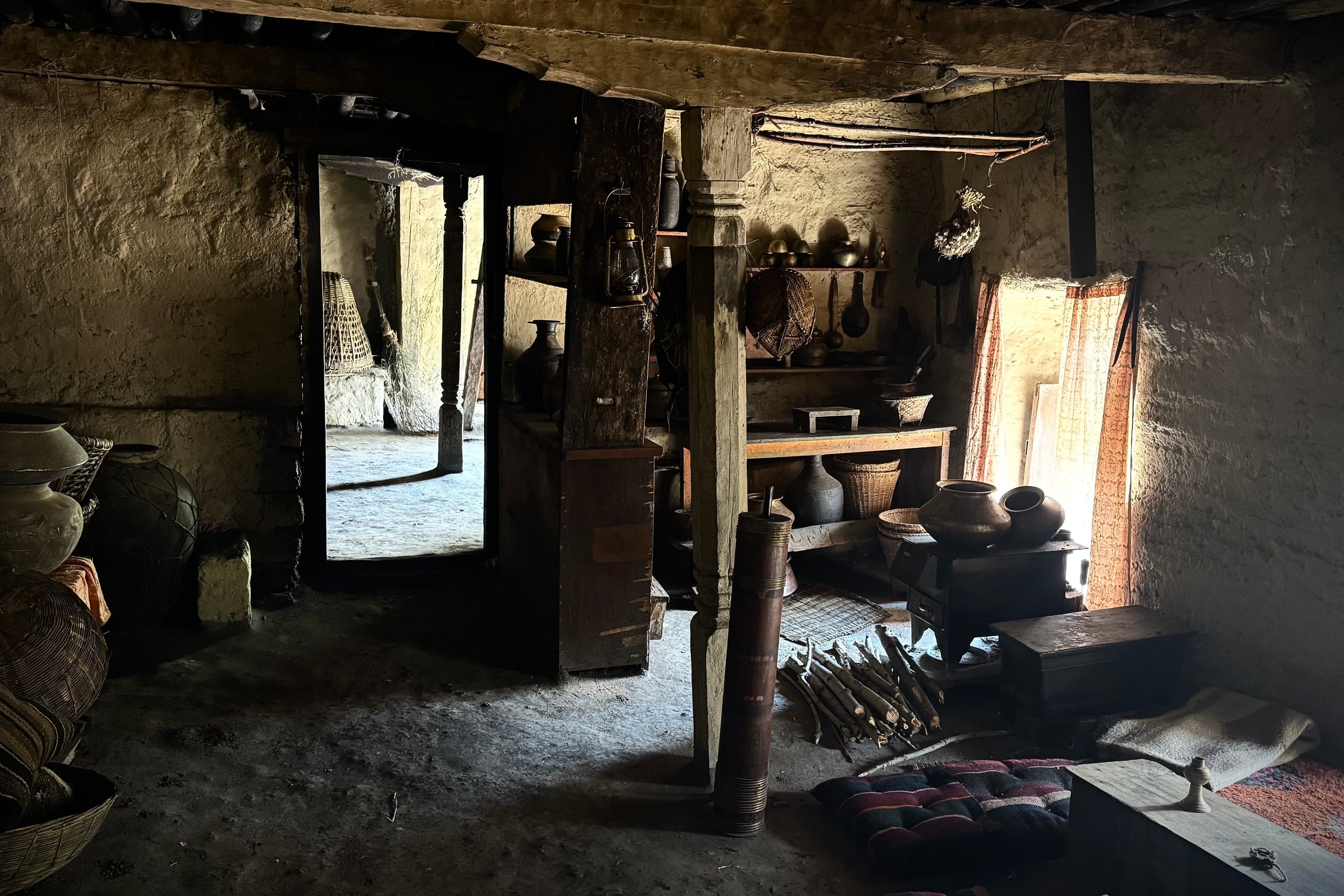
Doring’s favorite location on the film was Mustang, a remote region of the Himalayas. The crew’s journey to Mustang consisted of a plane ride to Pokhara, Nepal, and then a precarious eight-hour drive through the Kali Gandaki Gorge. “I'm scared of heights, believe it or not, so I often had the odd panic attack on some of these journeys,” Doring says, “but it's just incredible once you get there.” Nestled in a rain shadow, Mustang’s natural landscape served as the perfect setting to stage early moments in Tenzing's village life. “[Mustang] is very steeped in tradition, so there is a lot of architecture that was perfect for us to film, as well as amazing valleys,” Doring says.