
The Production Designer Behind ‘Paper Tiger’ on His Veteran Approach to Biographical Storytelling
Interiors
After four collaborations with James Gray, production designer Happy Massee knows how to build his world. For "Paper Tiger," that meant drawing on the director's own family photographs and memories of '80s New York.
Warning: This article contains spoilers
Going into “Paper Tiger,” production designer Happy Massee was already an expert in building gritty, slice-of-life interiors. The latest melodrama from James Gray follows an earnest, family-oriented engineer, Irwin Pearl (Miles Teller), as he becomes increasingly involved with the Russian mob at his brother's behest. “After [designing] four movies in this genre, you're kind of free to do whatever you want, you know?” Massee tells The Set Set, with “this genre” referring, of course, to his previous four collaborations with the filmmaker, all of which take place in middle-class New York. Originally pitched as an official sequel to “Armageddon Time”—which documents Gray’s experience growing up in Queens with his brother—Massee conceptualizes “Paper Tiger” as the same story told on a different set. “It's not a sequel, it's not a part two, it's just another chapter in his life,” Massee says.
Massee sought to document a domestic environment adjacent to that of the autobiographical “Armageddon Time,” only six years later. “There's a language that developed between us, an understanding about how the process works,” Massee says of his relationship with Gray. “Generally [Gray] has a lot of input and shares it with me, the little caveat [being] ‘Do whatever you want. You can throw it all out the window, but this is what I was thinking.’” After reading the script, Massee and his team of decorators and art directors sifted through hundreds of slides and five-by-seven-inch printed pictures of Gray and his extended family. “All of [the photos] were underexposed, so we had to not only digitize them but brighten them so we could see, ‘Wait, what's that thing in the corner there?’” Massee says.
Using real details from Gray’s family home, he took a “translucent” approach to interior design, where the props littering the backdrop were untethered to a specific year or trend. “We're not always nailing everything on the head. I like to have things sort of fluid, very in passing,” Massee says. The most obvious props are the ones Massee sought to avoid. “[Irwin is] always ordering a tab, but we never see it. In my way of designing, everything has to flow naturally, everything comes in and out of the scene, and either people will pick up on it or not,” Massee says.
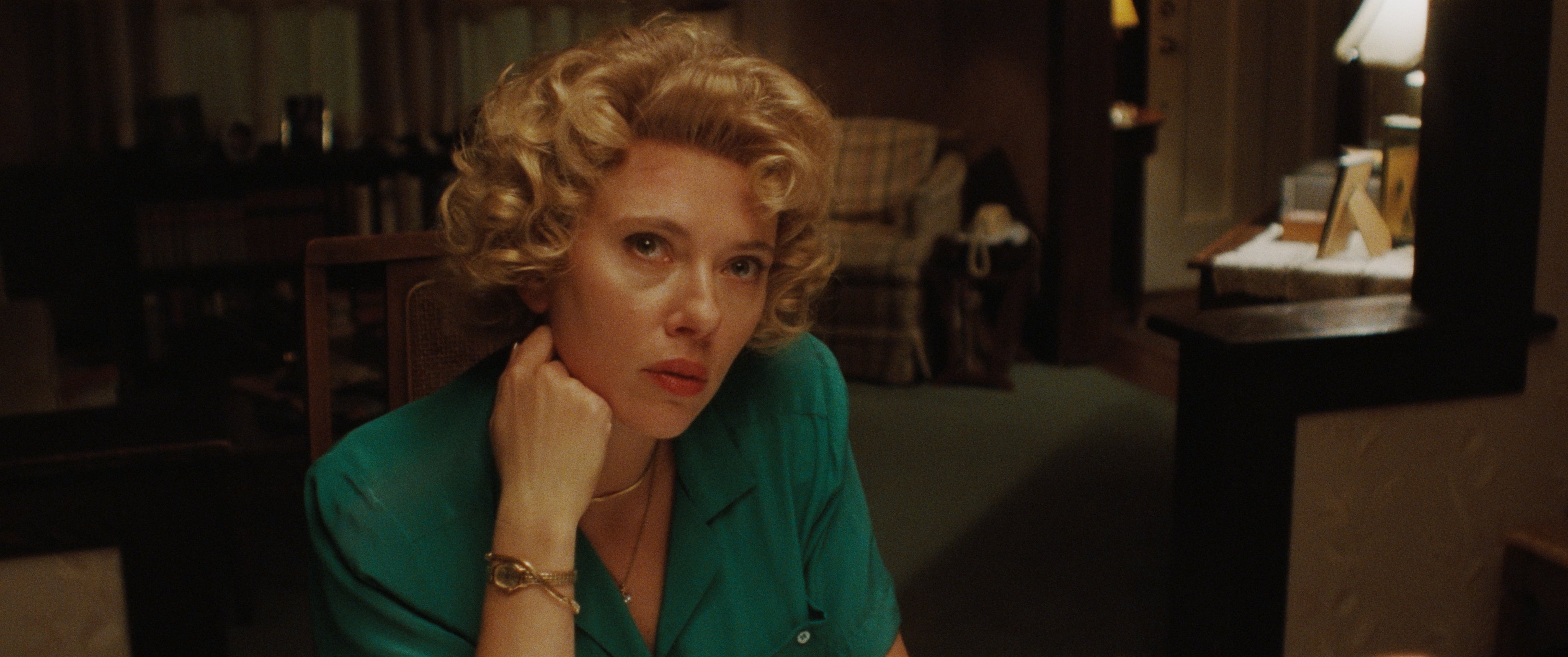

Scarlett Johansson in “Paper Tiger.”
Neon
Home Sweet Home
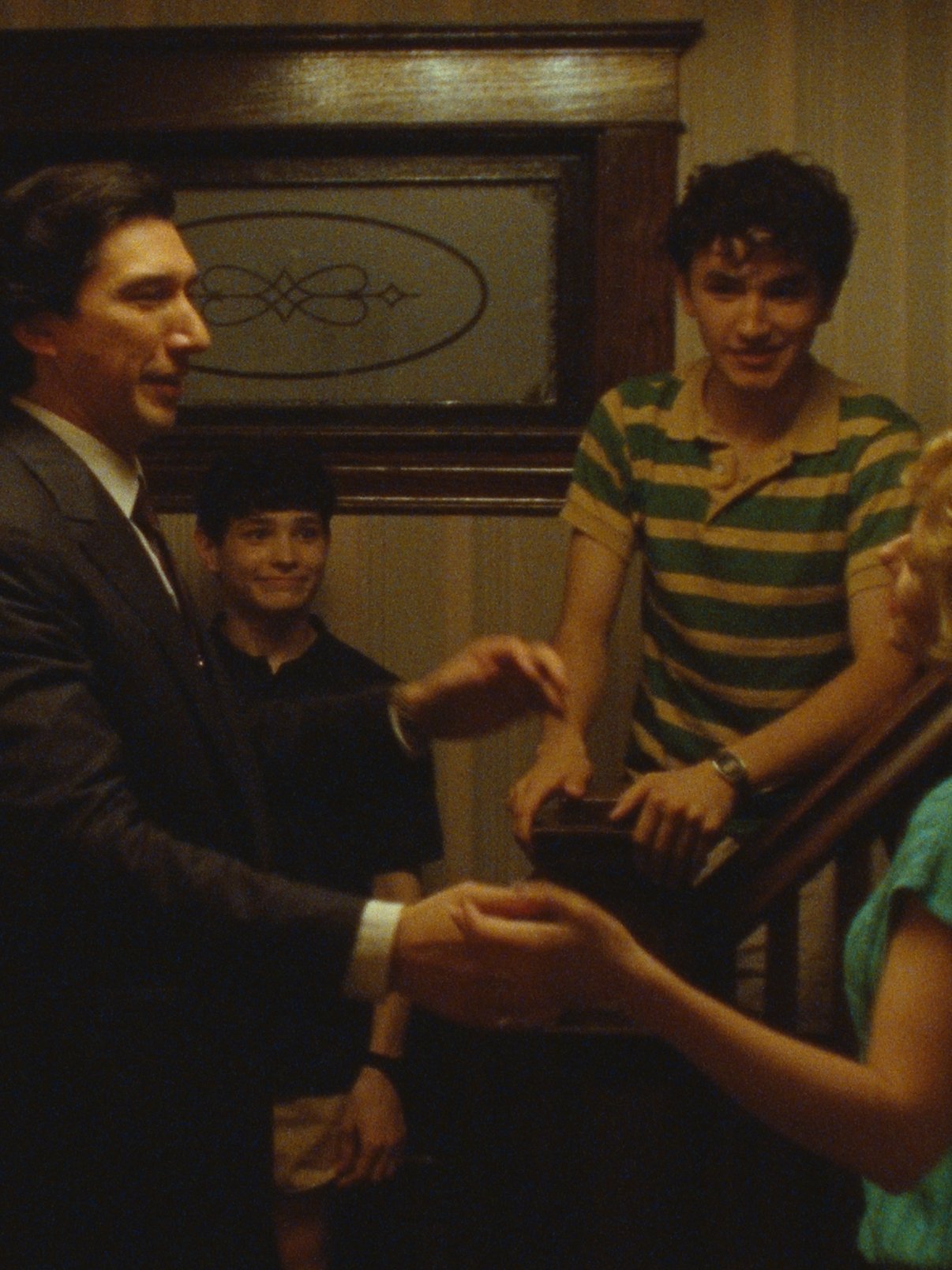
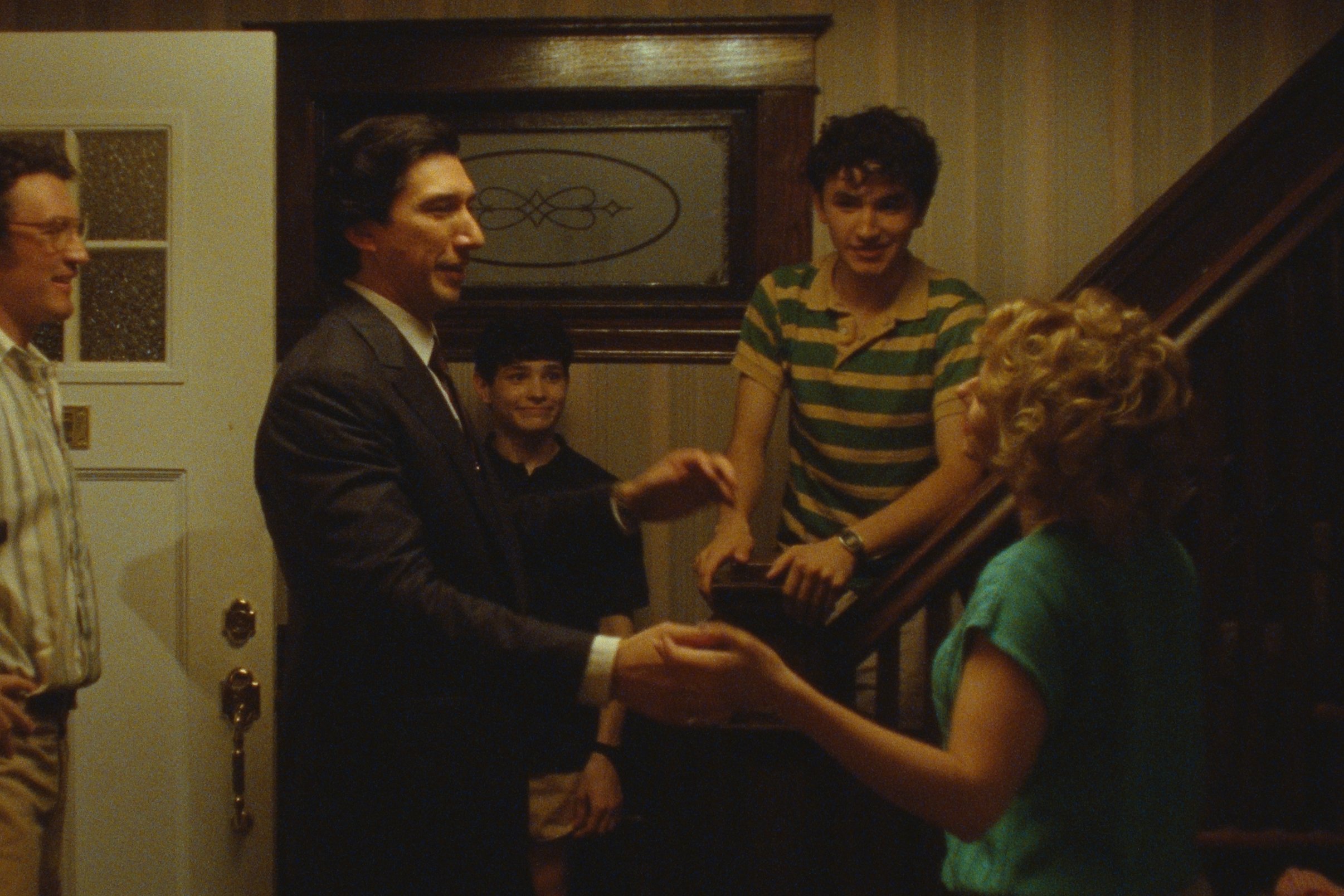
Prior to the location scout, Massee created a scene-by-scene breakdown to ensure that each new set maintained “some sort of thread” that aesthetically tethered it to the next. At the core of the film lies Irwin and Hester Pearl’s (Scarlett Johansson) family home—a modest and claustrophobic two-story abode cluttered with Jewish paraphernalia and run-of-the-mill framed artwork. What reads on screen as a typical Archie Bunker-style house underwent extensive construction to achieve its unremarkable state of 1986 normalcy. “We kind of destroyed the kitchen with the knowledge that we had to put it back afterward,” Massee says, describing how he demolished hallways, added walls, and repainted and wallpapered the interior of the original New Jersey home’s ground floor. Massee decorated the interior with ’80s details drawn from period wallpaper and design books. One such embellishment is a plastic cube filled with family photos on each side. Using the same transition employed in “The Immigrant”—which ends with Joaquin Phoenix walking away from the camera as it homes in on a sailboat” Paper Tiger” concludes with Irwin walking away from the camera as it focuses on a photo of Gary (Adam Driver) and Irwin encased in a plastic frame.
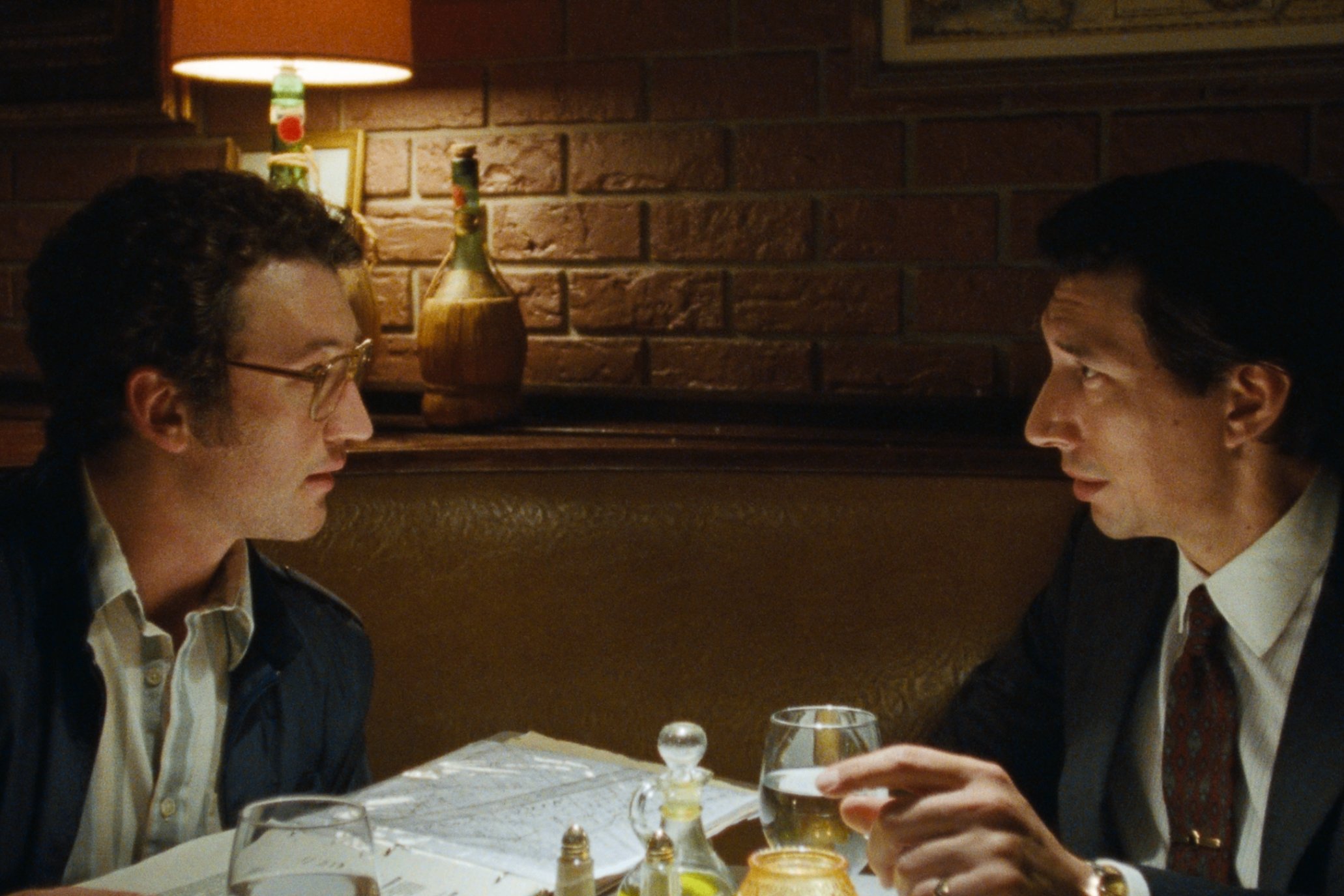

Miles Teller and Adam Driver in "Paper Tiger."
Neon
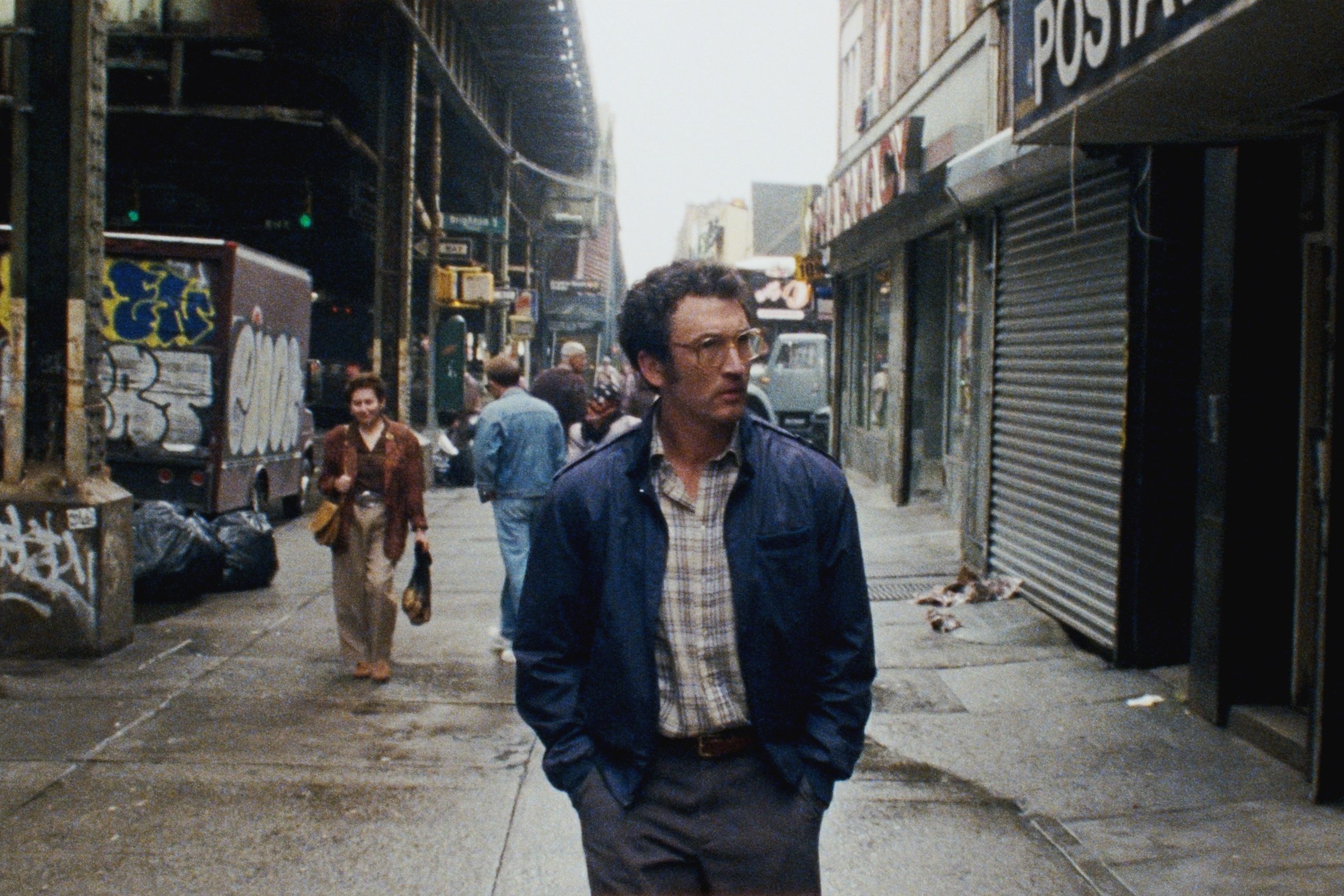

Miles Teller in "Paper Tiger."
Neon
Miles Teller and Adam Driver in "Paper Tiger."
Neon
Miles Teller in "Paper Tiger."
Neon
Facing the Mob
When Gary meets with Russian mob boss Simeon Bogoyavich (Victor Ptak) to negotiate his and Irwin’s fate, the duo convenes in a lavish Baroque room adorned with dark woods, red velvet, and gold tassels. The room was built on location in Jersey City and furnished with opulent pieces designed to convey an overarching “texture of red.” “[Gray] wanted it to be very Biedermeier-y, so we built [a room] on location that's very rich in color and distinct from the rest of the movie,” Massee says. He found the location just four days before production wrapped and shopped for furnishings over the next two. “The scene we ended up shooting there was originally going to be somewhere else,” Massee says, “but [Gray] walked in and he said, ‘My God, Happy, this is my favorite set you've ever designed.’ So he moved a longer scene into that room.” Massee’s most memorable prop from the film is a crocheted rotary phone cover sitting to the left of Simeon as he threatens Gary. Members of the crew fought over who got to take it home.
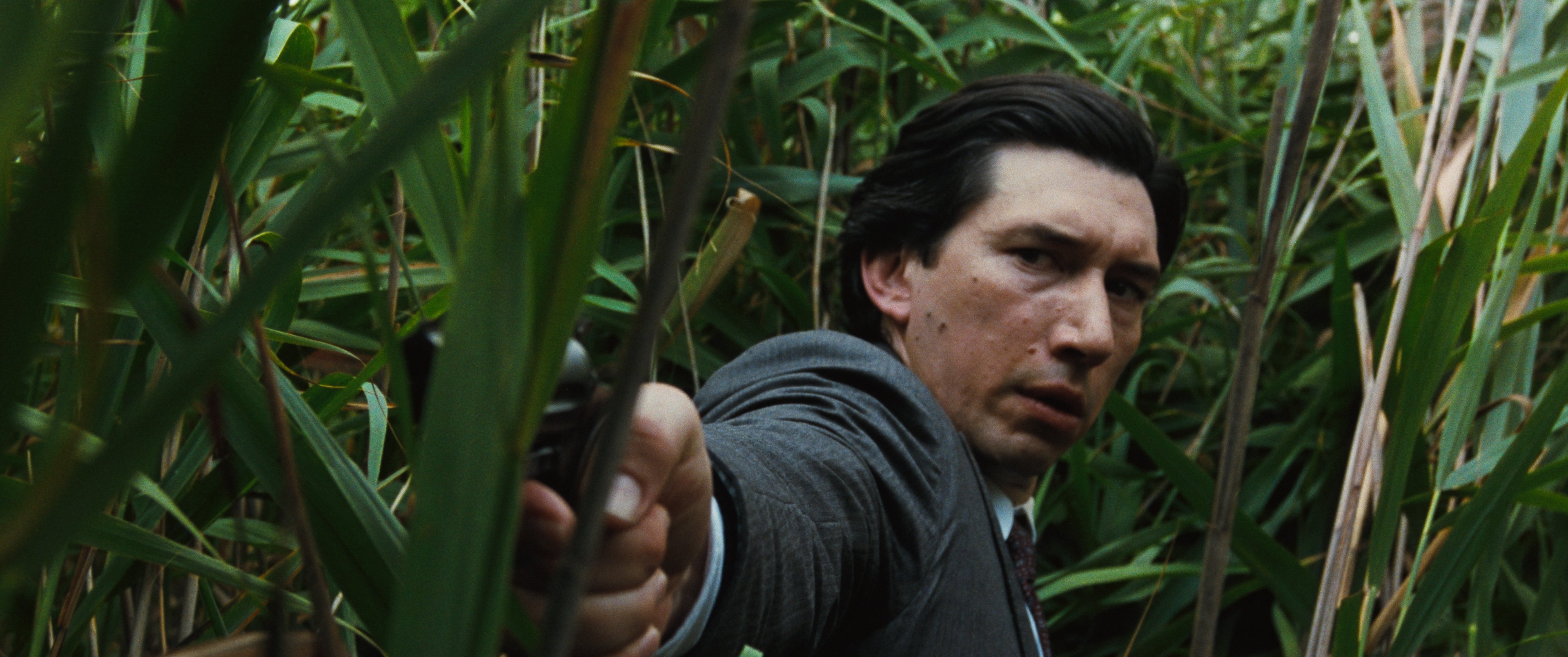

Adam Driver in "Paper Tiger."
Neon
A Melvillian Shootout
For the film’s tense final act, Gray took inspiration from the grass-laden shootout in Jean-Pierre Melville’s ’60s crime noir film “The Sicilian Clan.” In homage to the French director, Massee refashioned a remote field of tall grass in Newark into a viable set. “It was tricky shooting it because it was 110 degrees and everything was infested with ticks,” Massee explains, noting that production was intermittently halted by episodes of thunder and lightning. Executing such an immersive scene on location presented “excruciating” logistical challenges, including cutting trenches into the grass and excavating plants only to replace them with new ones. A few nonlethal cases of Lyme disease later, the film’s most iconic sequence was in the can.