‘Primetime’ Found Its Look in the Adult Film Industry, Bela Lugosi’s ‘Dracula,’ and More
Interiors

Interiors
Production designer Alex DiGerlando talks through the photography homages, film references, and early aughts details that made the interiors in “Primetime” so uncanny.
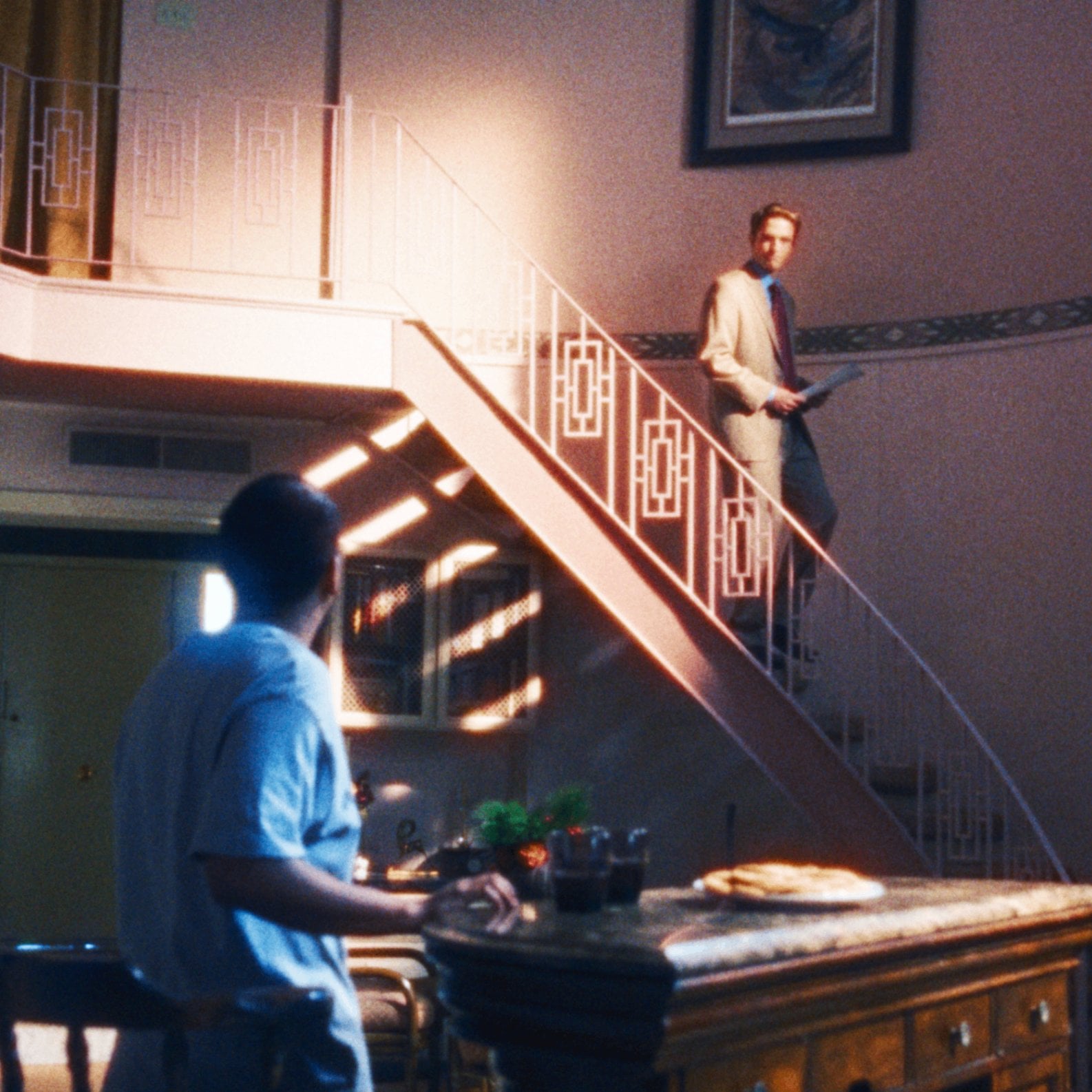
In “Primetime,” the homes are designed to look ever-so slightly off: a built-in bar where you would expect a sofa, dusty peach wallpaper, and a “live laugh love” banner modeled after real decor featured in the Chris Hansen-hosted series “To Catch a Predator.” The decorations are innocuous to a fault, straight down to the flat pile of store-bought cookies arranged to look home-baked. “I look at myself as part designer but also part curator and part muse to the director,” the film’s production designer Alex DiGerlando tells The Set Set. After an extensive scouting process in New Orleans, DiGerlando fashioned a handful of existing suburban homes into predator traps, or “decoy homes,” producing an uncanny artificiality similar to watching 30-year-old Skyler Gisondo play a twenty-something actor play an underage boy.
“We've seen a million ‘making of’ films and I've worked on some, but the thing that was weird about this is that it's a making of a proto-reality show,” DiGerlando explains, referencing his previous work on “Fosse/Verdon” and “Tick, Tick... Boom!” His design decisions were made to blur the line between reality and artifice, taking inspiration from the ways that the crew of "To Catch a Predator" manipulated the homes to suit their purposes and photos from Larry Sultan’s photography book “The Valley,” which depicts average suburban homes in the San Fernando Valley that double as pornographic film sets. “This is why you end up with kind of strange configurations like a bar in the middle of a room where a sofa probably should be… sort of threading that needle of making things feel authentically uncanny without being distracting.”
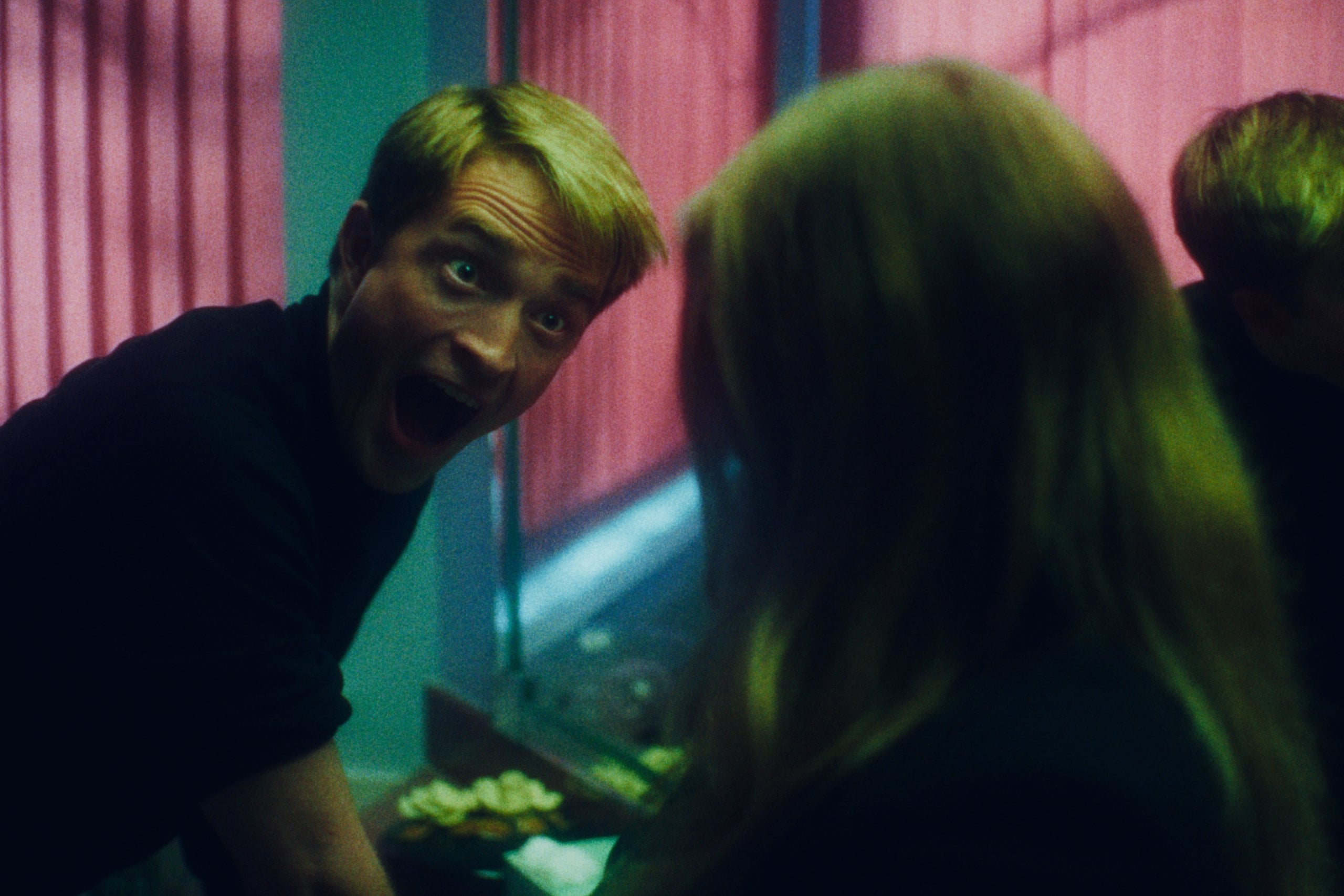

Robert Pattinson as Chris Hansen in "Primetime".
A24
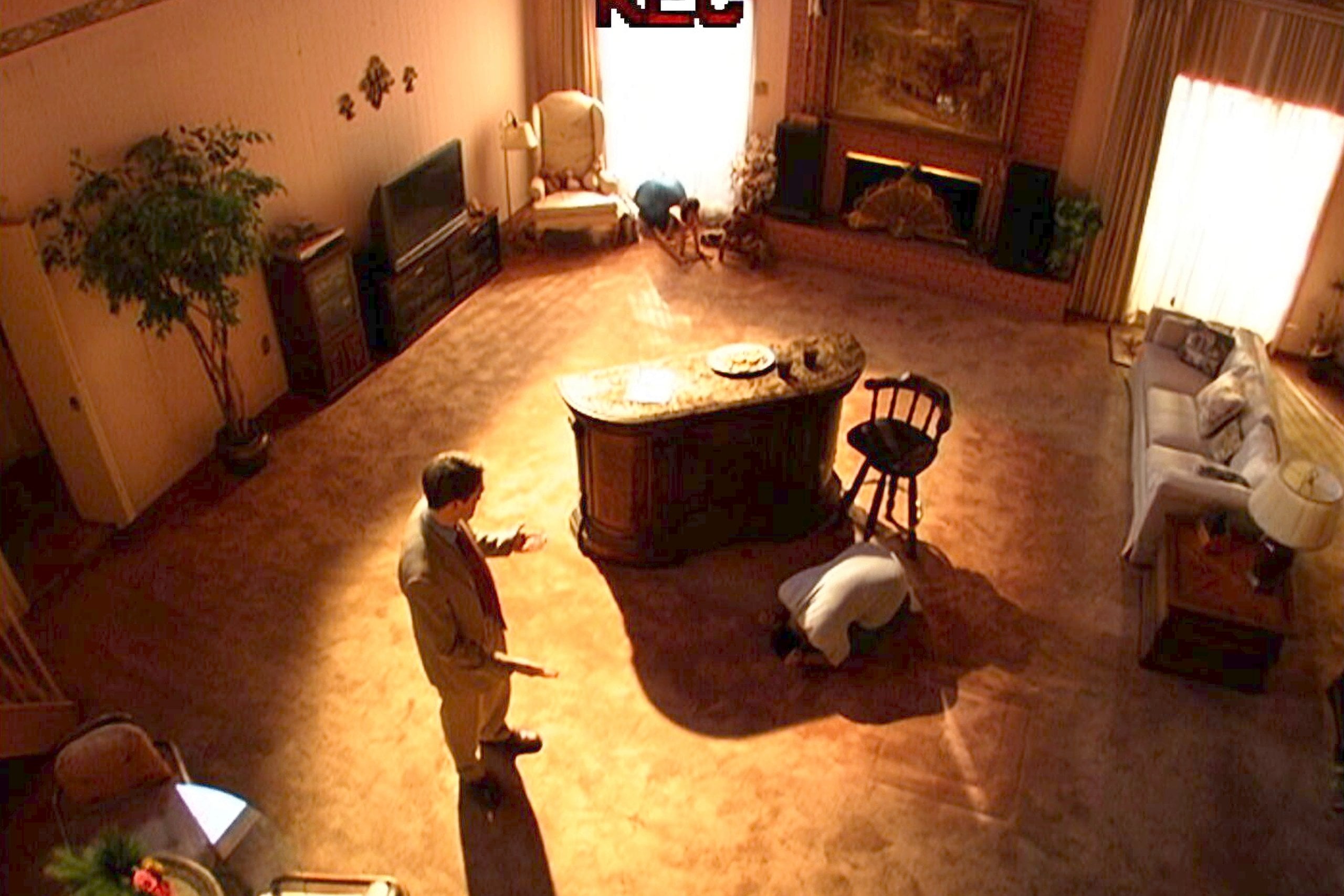

"Primetime"
A24
Robert Pattinson as Chris Hansen in "Primetime".
A24
"Primetime"
A24
Set in 2006, “Primetime” takes its period element as seriously as a traditional biopic, baking the early internet era into the film’s aesthetic. DiGerlando instructed the film’s location manager, Tyler Hohmann, to scout homes owned by longtime residents for a better chance at inheriting outdated appliances. “My hunch, which paid off, was that they would probably be living in houses that hadn't been updated in a number of years,” DiGerlando says. His team toured an abundance of houses that “could have worked,” but he pushed for options that “felt real and authentic, but heightened at the same time.” It was important to DiGerlando that real people's lives were represented in the houses where sting operations were taking place, seeing as “To Catch a Predator” was shot in real homes often adorned with left-behind decor from the previous owners.
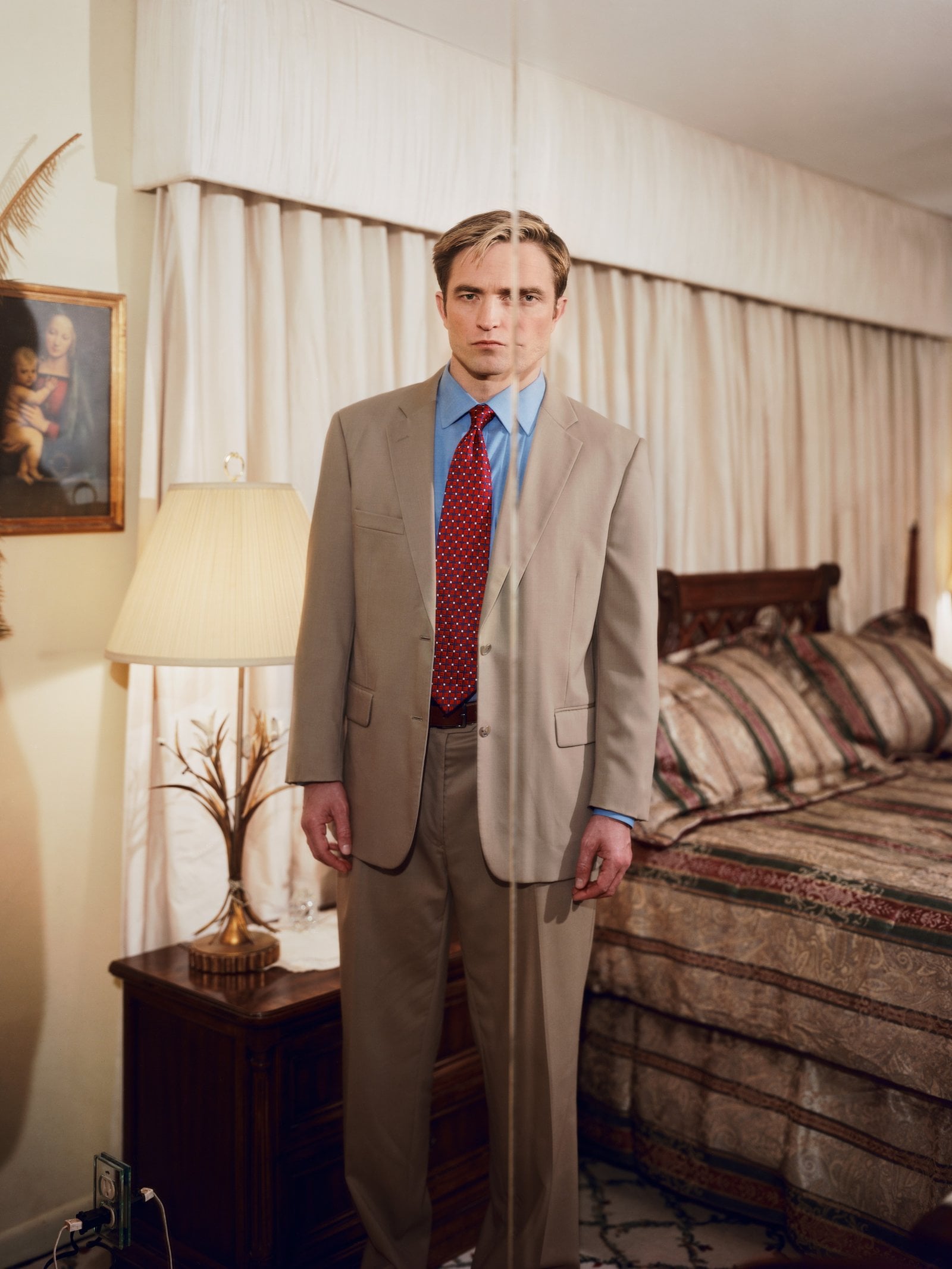

Robert Pattinson on the set of "Primetime," shot by Alec Soth.
Alec Soth
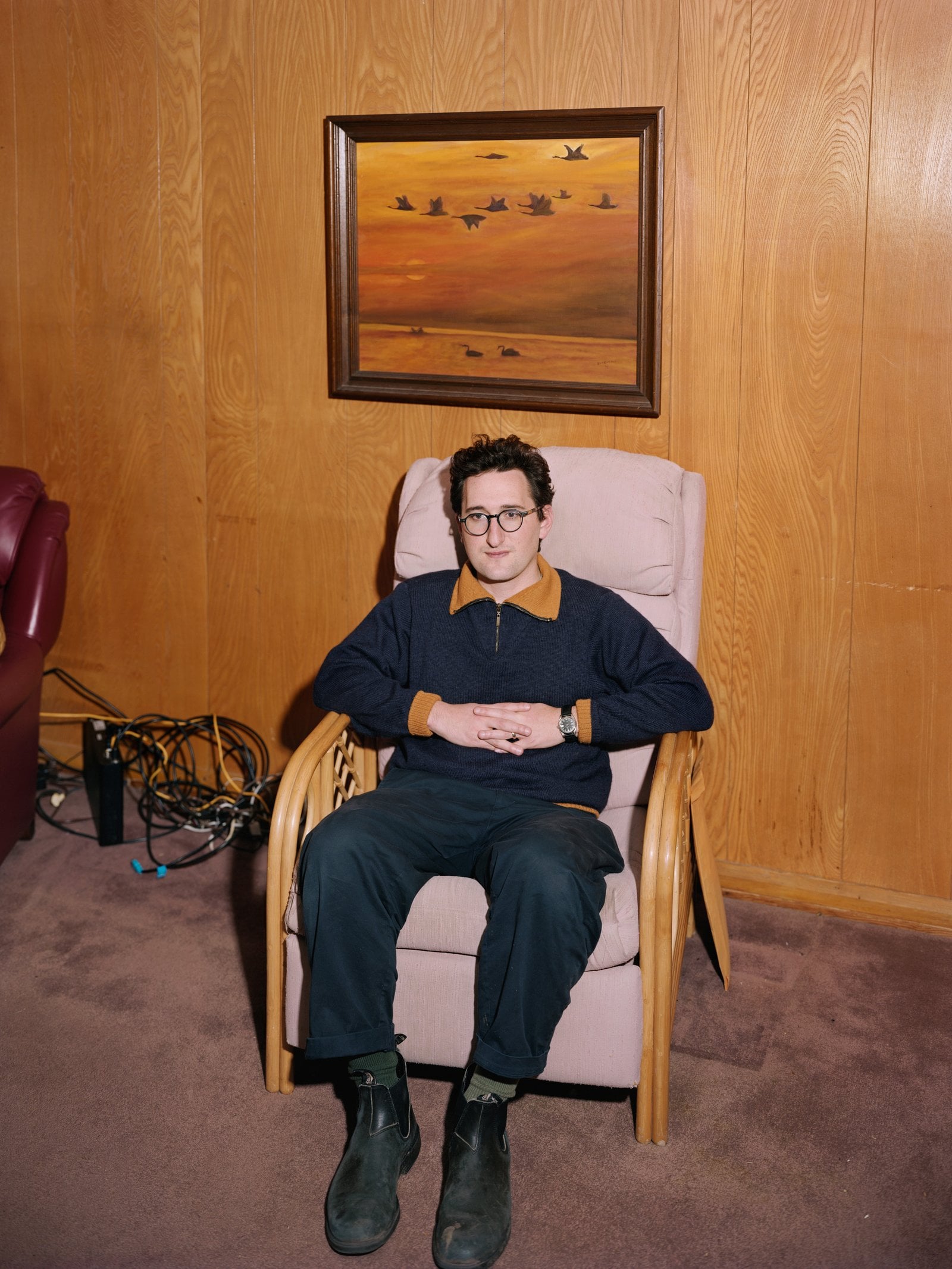

Lance Oppenheim on the set of "Primetime," shot by Alec Soth.
Alec Soth


Merritt Wever on the set of "Primetime," shot by Alec Soth.
Alec Soth
Robert Pattinson on the set of "Primetime," shot by Alec Soth.
Alec Soth
Lance Oppenheim on the set of "Primetime," shot by Alec Soth.
Alec Soth
Merritt Wever on the set of "Primetime," shot by Alec Soth.
Alec Soth
For most projects, the work of a production designer is meant to go unnoticed. But DiGerlando’s assignment was a few degrees more meta. When studying the source material of “To Catch a Predator,” DiGerlando noted that the production opted for “these weird configurations” that were manipulated to help stage and dramatize a confrontation between Hansen and the predator. “Typically there's always something between Chris and the predator, whether it's a coffee table or a counter or a bar, and a grand entrance spot,” DiGerlando says. During each confrontation with a predator, Hansen poses the same question—“What would have happened if I wasn't here?”—to cement his heroism, but after witnessing the lengths his production has gone in order to manipulate environments, the question yields an opposite effect.
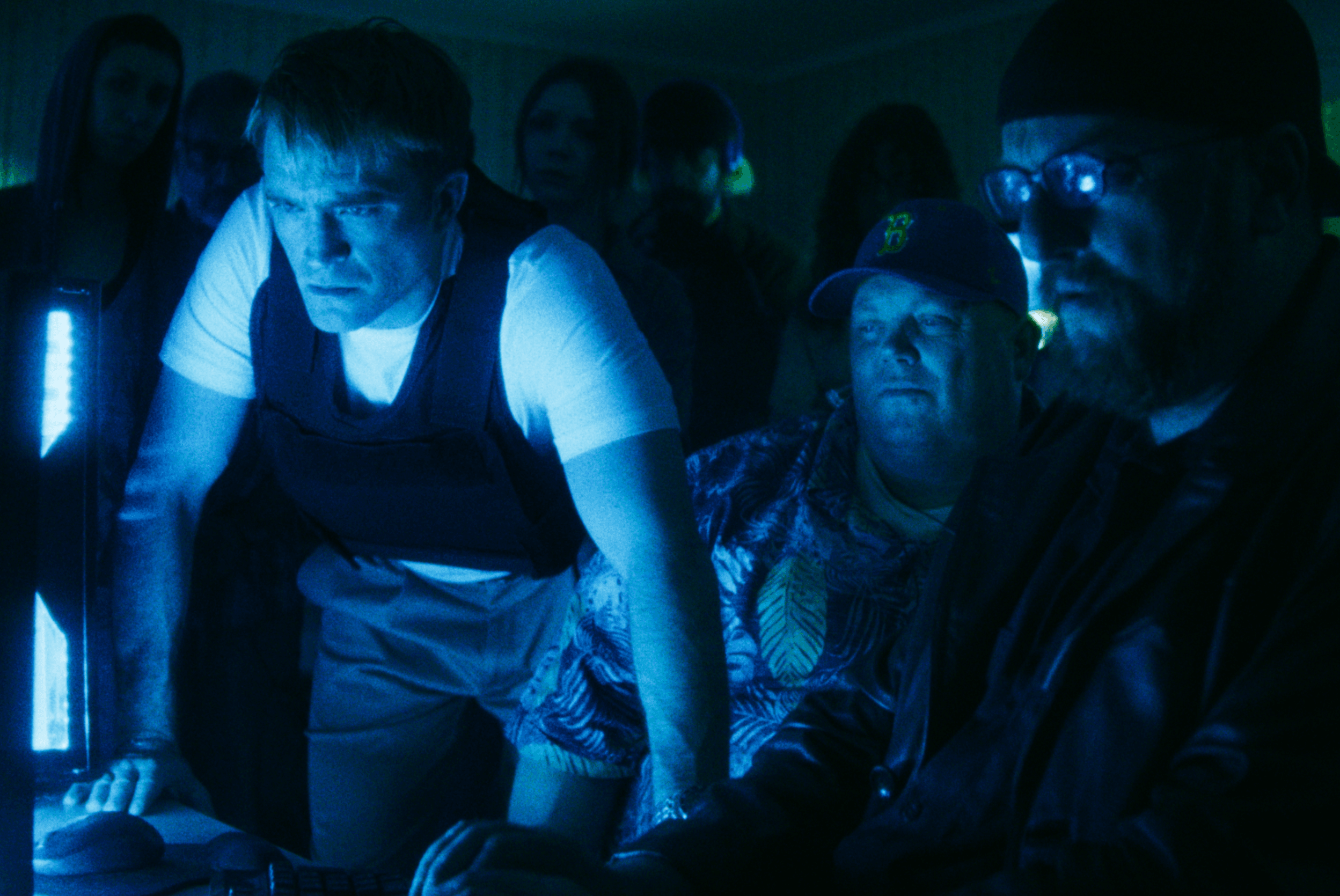

Robert Pattinson as Chris Hansen in "Primetime".
A24
In the first of many manipulated environments, Hansen dramatically descends down the staircase of a suburban home to confront a predator. DiGerlando and Homan chose the home, in part, for this very staircase, awkwardly placed in the middle of the living room. “The first thing that came to all of our minds was the famous shot of Bela Lugosi walking down the staircase in the Tod Browning Dracula movie,” DiGerlando says. With the film’s director, Lance Oppenheim, he liked riffing on the idea that you had to invite the vampire into your home with a “Dracula” homage.
DiGerlando found and replicated the textures and colors of early aughts interior design, when homeowners were still drawn to color and eccentric details. “The world is slowly losing color, people decorate in shades of gray now. Whereas if you go back to the ’70s and ’80s, living spaces were much more colorful. And the ’90s are sort of like the tail end of that,” DiGerlando says. In the first home, DiGerlando inherited “strange” peach-colored walls, a bright blue front door, and metallic floral wallpaper without any modification. “It was fun walking into these time capsules and figuring out what elements to exploit and what elements to enhance,” DiGerlando says.
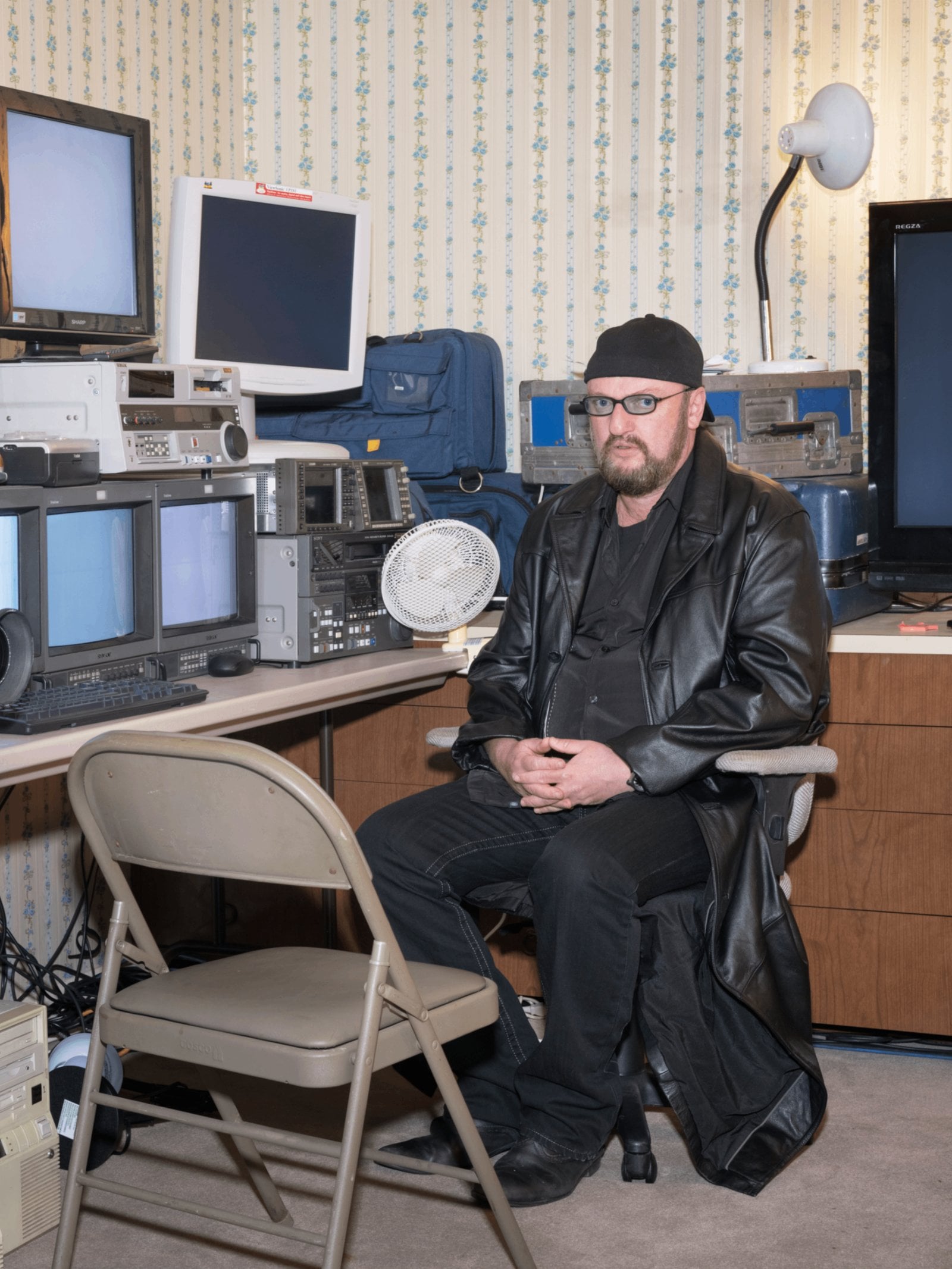

Matthew Maher on the set of "Primetime," shot by Alec Soth.
Alec Soth


Skyler Gisondo on the set of "Primetime," shot by Alec Soth.
Alec Soth
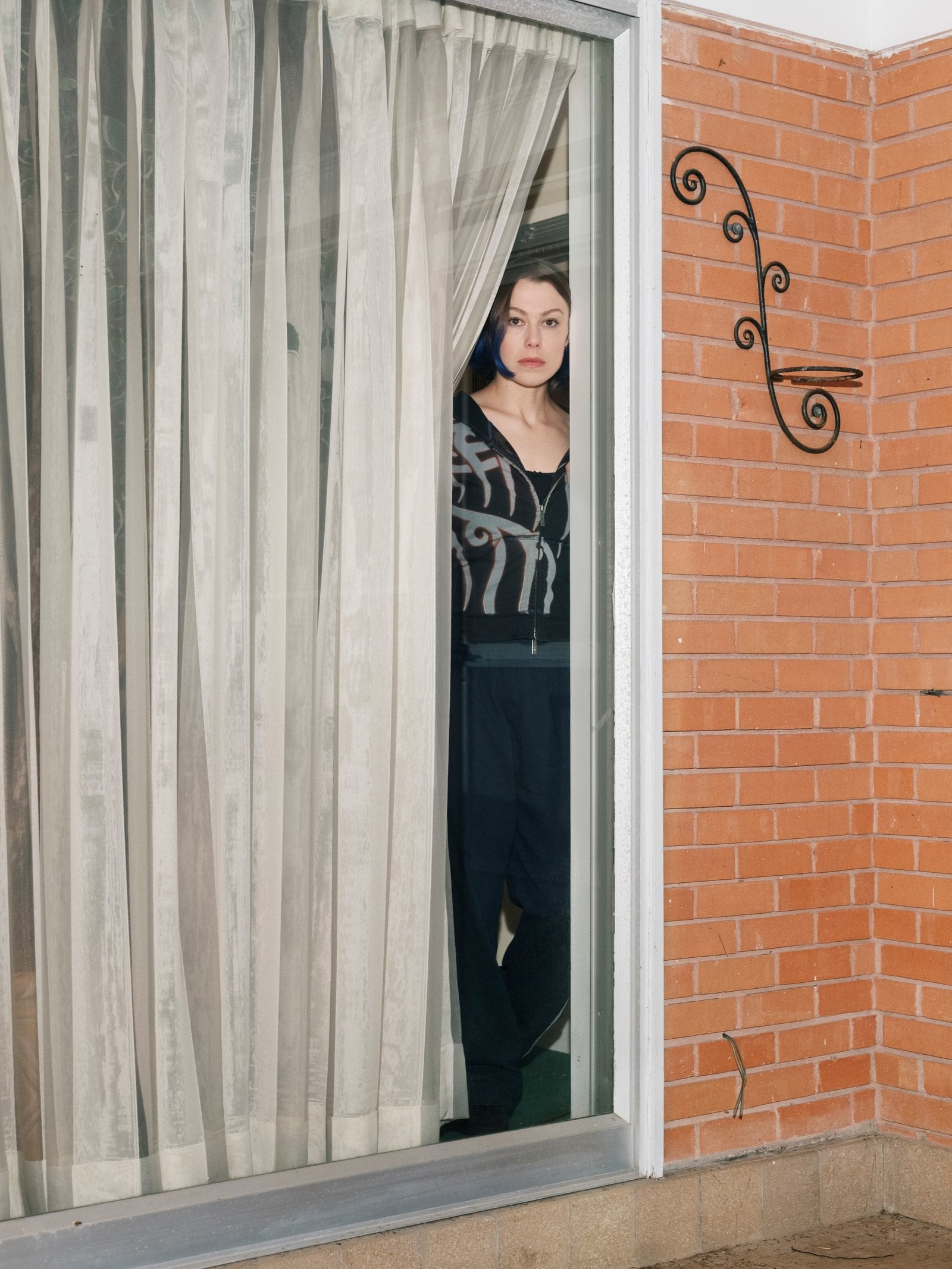

Phoebe Bridgers on the set of "Primetime," shot by Alec Soth.
Alec Soth
Matthew Maher on the set of "Primetime," shot by Alec Soth.
Alec Soth
Skyler Gisondo on the set of "Primetime," shot by Alec Soth.
Alec Soth
Phoebe Bridgers on the set of "Primetime," shot by Alec Soth.
Alec Soth
“The show has a kind of ‘gotcha’ humor quality, but it is a very heavy thing. So being funny but not callous was important,” he says. In one of the film’s more comical scenes, a naive Decoy Dan (Skyler Gisondo) walks into a motel room with towels shaped into swans. “There's a little bit of a laugh that in a crappy roadside motel someone is putting the effort into some kind of flourish like that, but it's also kind of sweet,” DiGerlando says. The swans are an homage to Alec Soth’s 2006 photography book “Niagara,” which inspired many set details throughout “Primetime.”