How 'The Remarried Empress' Built Its Distinctive Imperial World
Interiors

Interiors
From shooting in German castles and Czech gardens to custom-making a 40-metre palatial corridor on a soundstage, production designer Lee Taehoon and producer Joy Chang explain how they brought Hulu's lavish fantasy series to life.
Based on the hugely popular webtoon of the same name, Hulu's adaptation of “The Remarried Empress” has arrived and is ready to claim the "Bridgerton"-sized hole in your hearts and television viewing schedule. Featuring a cast stacked with K-drama luminaries and gorgeous visuals, the 10-episode series follows Empress Navier (Shin Mina), whose carefully ordered life in the Eastern Empire is thrown into turmoil when her husband, Emperor Sovieshu (Ju Jihoon), falls for a runaway slave named Rashta (Lee Seyoung). Initially devastated by this turn of events, Navier eventually agrees to a divorce but with one condition: she must be allowed to remarry—and Prince Heinrey (Lee Jongsuk) of the rival Western Kingdom soon catches her eye. It's a sweeping story full of romance, betrayal, and unexpected twists—all played out against a backdrop of beautifully decorated royal residences.
For production designer Lee Taehoon and producer Joy Chang, the challenge was to create a world that felt fantastical and believable at the same time. Unlike a conventional period drama, the series isn't tied to a particular historical setting, meaning there was no need to recreate an existing era with strict historical accuracy. Instead, as Chang states, the creative brief was to realize "as fully as possible, the beauty fans imagined while reading the webtoon and the web novel," the latter of which has amassed close to three billion views to date.


"The Remarried Empress"
Hulu

"The Remarried Empress"
Hulu

"The Remarried Empress"
Hulu
"The Remarried Empress"
Hulu
"The Remarried Empress"
Hulu
"The Remarried Empress"
Hulu
"The goal is to give viewers the belief that this world could really exist," Chang explains. That process began with the foundations of the world itself: an original map and the characteristics of each country were developed from scratch, establishing the different identities of the nations before Lee began translating them into architecture and interiors. The result draws on European imperial architecture while retaining distinctly Korean elements. Even the written language that appears throughout the series was considered part of this world-building process. Although the team initially explored the possibility of creating an entirely new language, the team ultimately decided to use Hangul, the alphabetic writing system of the Korean language. As Lee says, Korean typography “was seen as suiting the work far better than any other language,” as it offered a visual identity that sat more naturally within the series' creative world.
Bringing the world of “The Remarried Empress” to the screen required a combination of real locations, digitally enhanced architecture and purpose-built sets. The main castle of the Eastern Empire was filmed at an actual castle in Germany, before its footprint was expanded through CGI to make it even more imposing. Meanwhile, the production crew travelled to the Czech Republic for many of its secondary palaces, gardens and streets, securing several different palaces to stand in for separate locations.
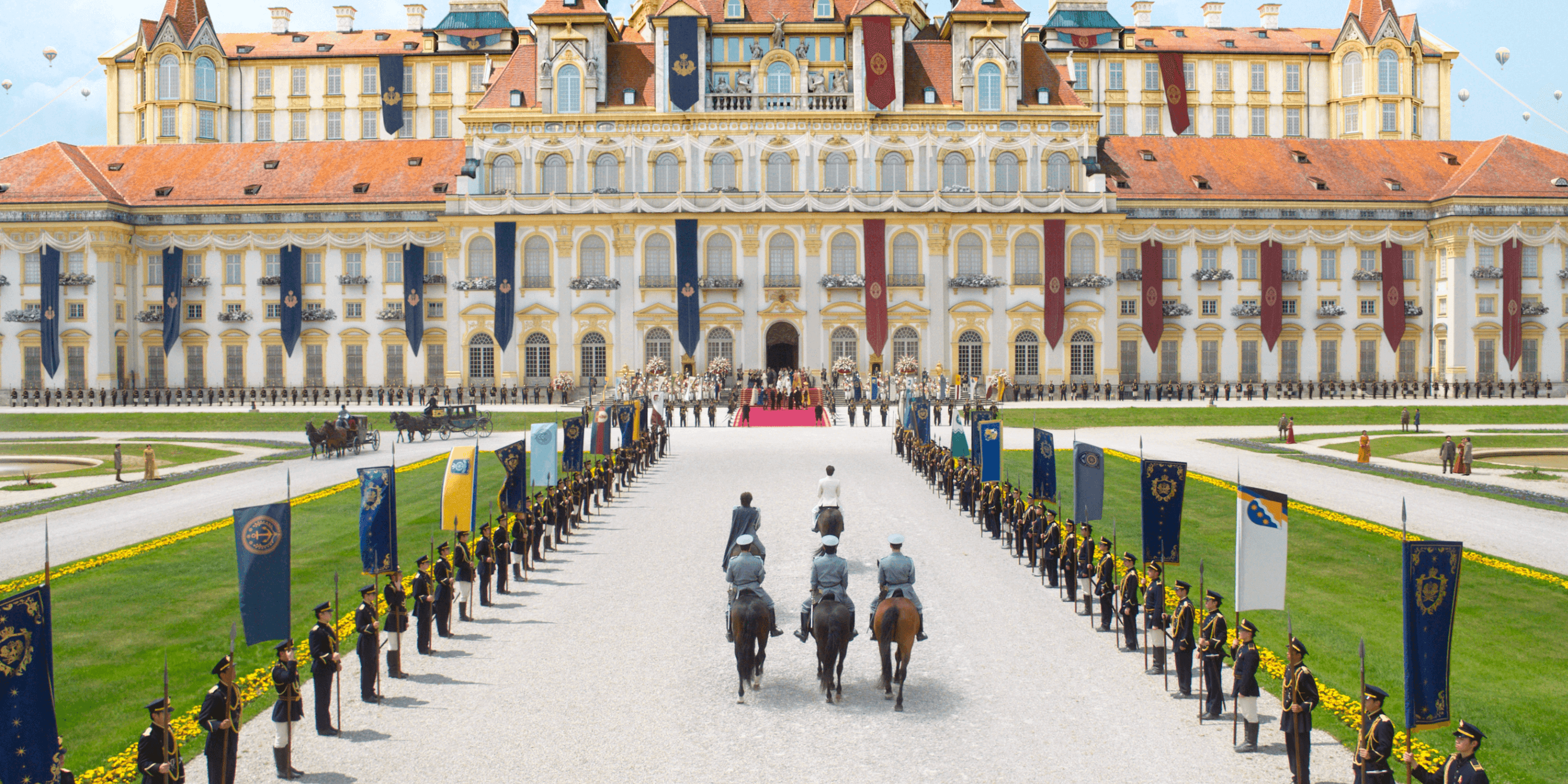

The Eastern Empire in "The Remarried Empress."
Hulu
The team rented a Czech heritage garden for the ensuing scenes of conflict and romance, while local beauty spots were incorporated into the fictional world. “Beyond the imperial palace, real villages, shops and streets were also realized, and the art team built the carriages themselves,” Chang recalls. “Street lamps were actually installed on Czech streets, and even their lighting and extinguishing were filmed.” Ensuring that these overseas locations felt consistent with the studio-built interiors was another important consideration.
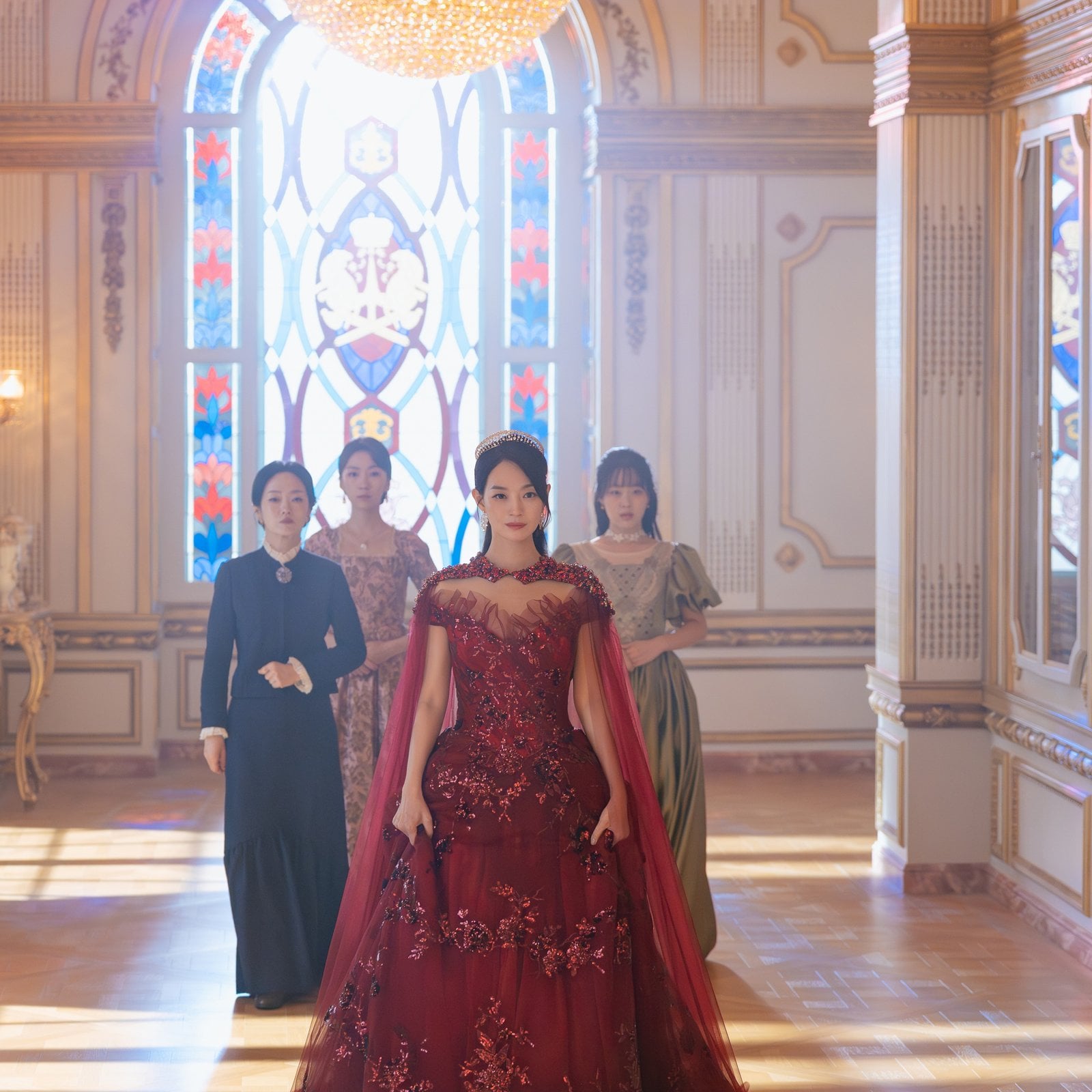
Rather than allowing the two environments to look like separate worlds, the team recreated the exterior of the castle on a set, matching the architecture of Schleissheim Palace in Germany’s Bavaria region as closely as possible. But one of the most impressive constructions from Lee was the grand corridor that connects the Eastern and Western imperial palaces. Measuring approximately 40 metres in length, with a ceiling height of six metres, the space was designed to convey the scale and authority of an empire with a long history. “The chandeliers were built at the largest scale, and the ceiling was fully finished to give depth and grandeur to wide-angle shots,” Lee says. Chang adds that the design drew inspiration from European imperial palaces during periods of considerable power, with Versailles being used as a reference point. “European style and Eastern expression were blended appropriately to make it beautiful,” according to Lee.
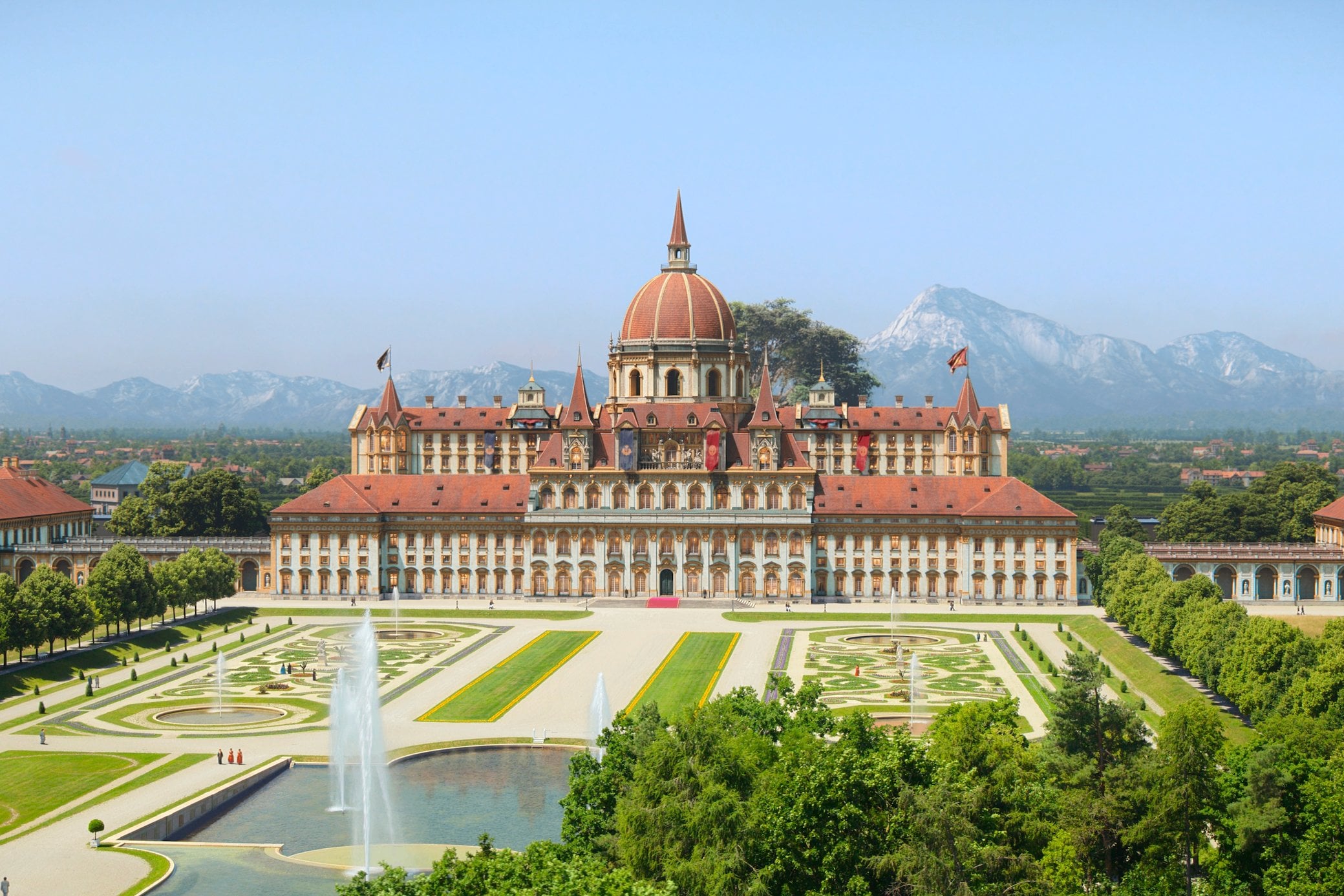

The Eastern Empire in "The Remarried Empress."
Hulu
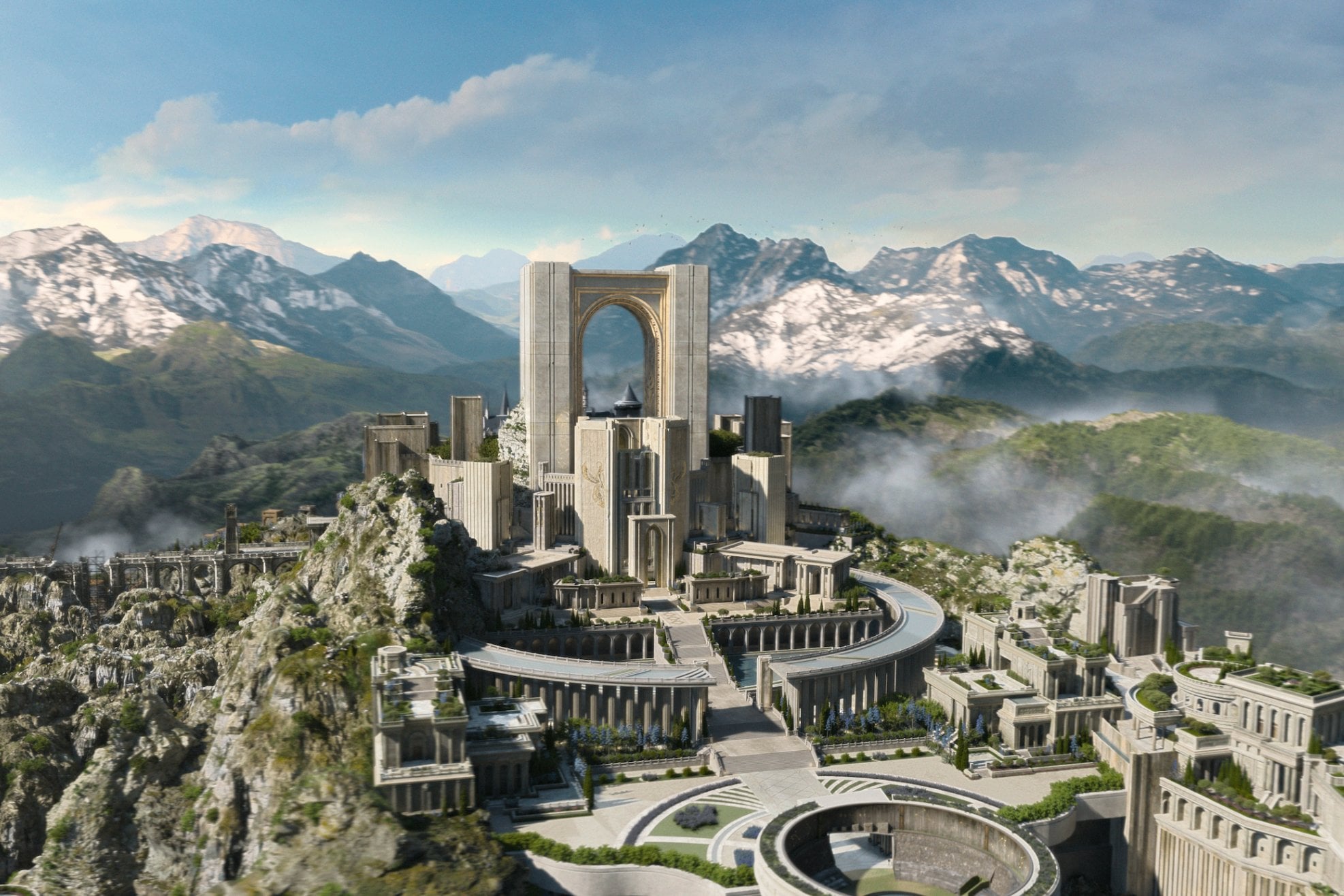

The Western Empire in "The Remarried Empress."
Hulu
The Eastern Empire in "The Remarried Empress."
Hulu
The Western Empire in "The Remarried Empress."
Hulu
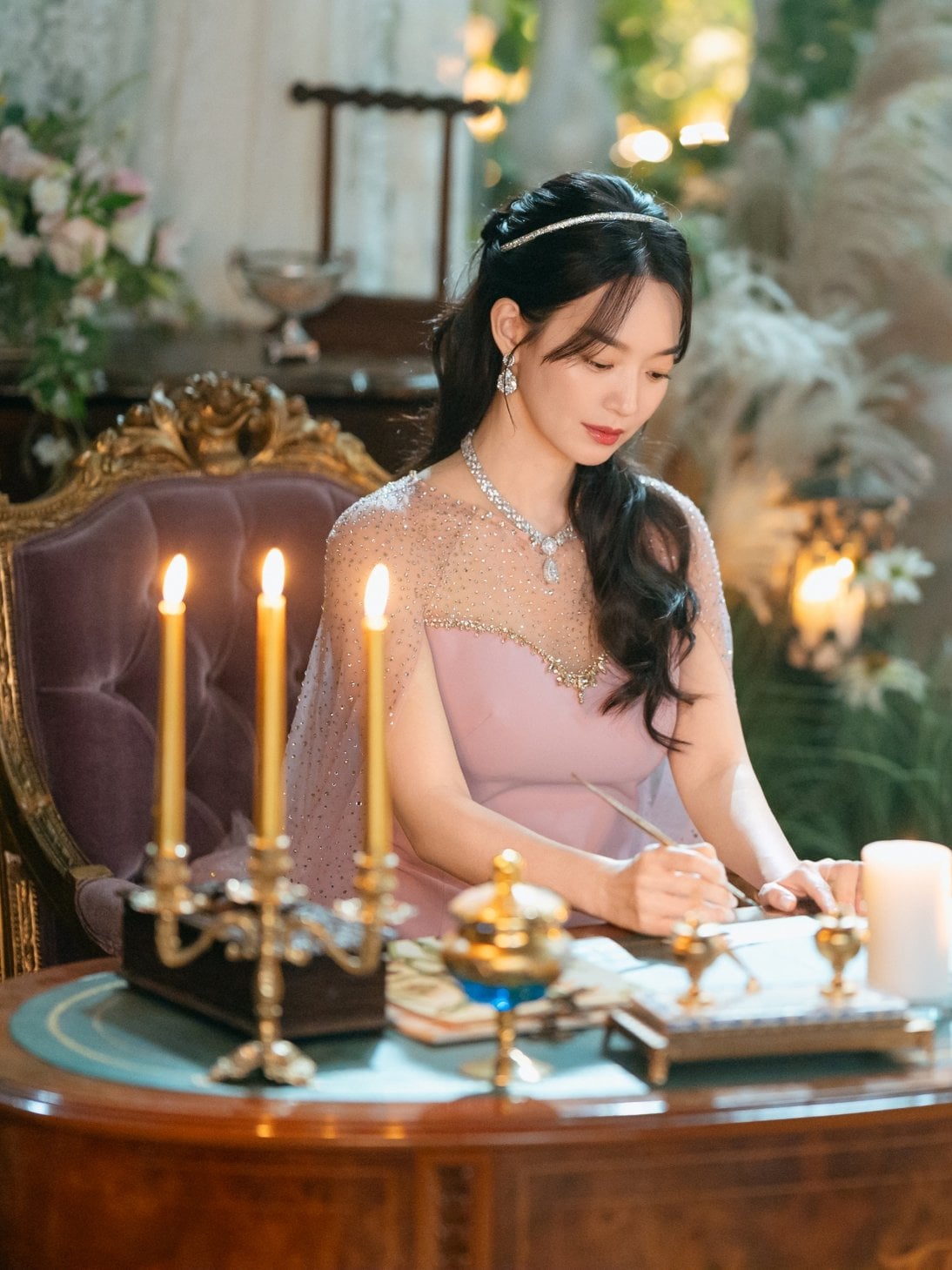
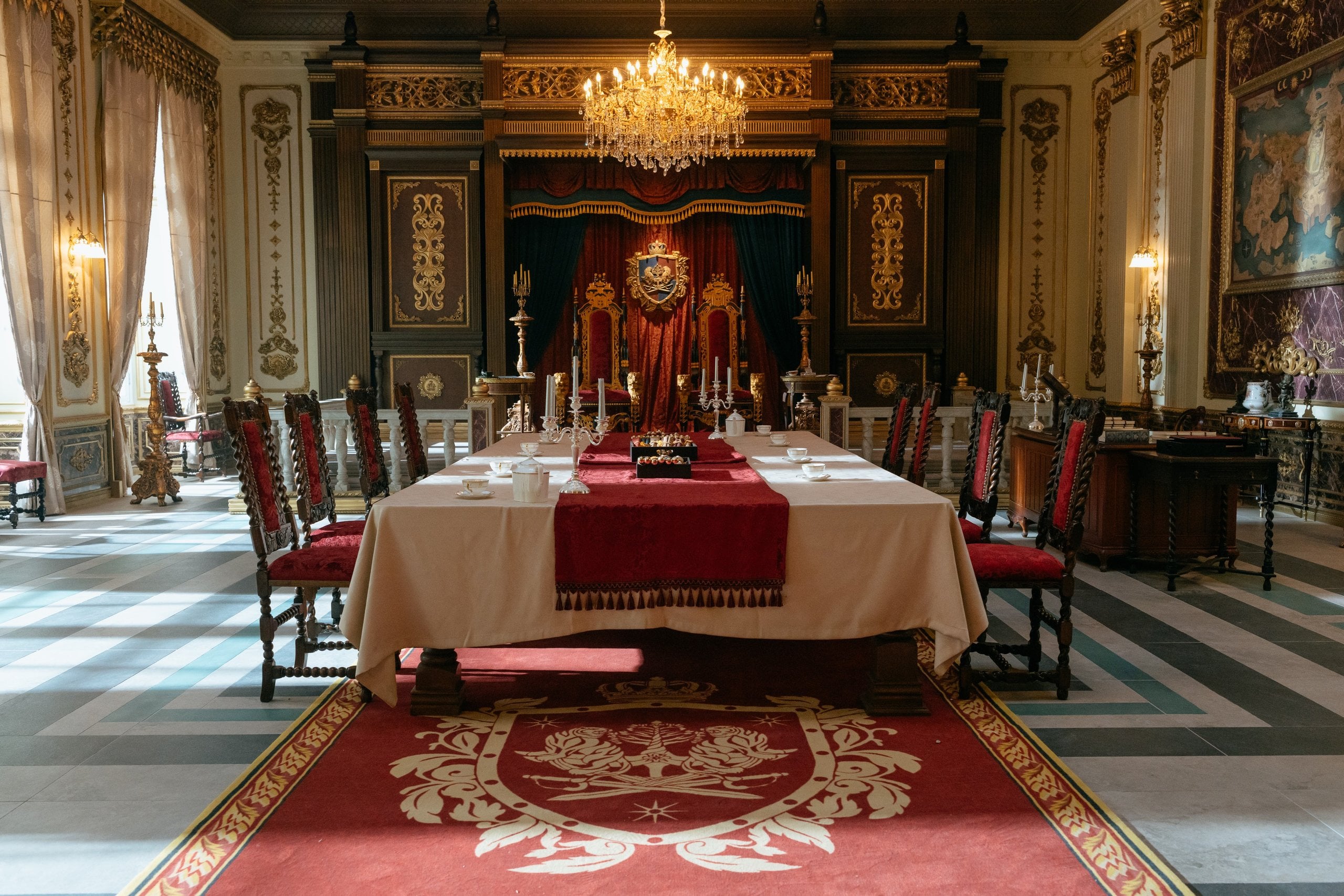
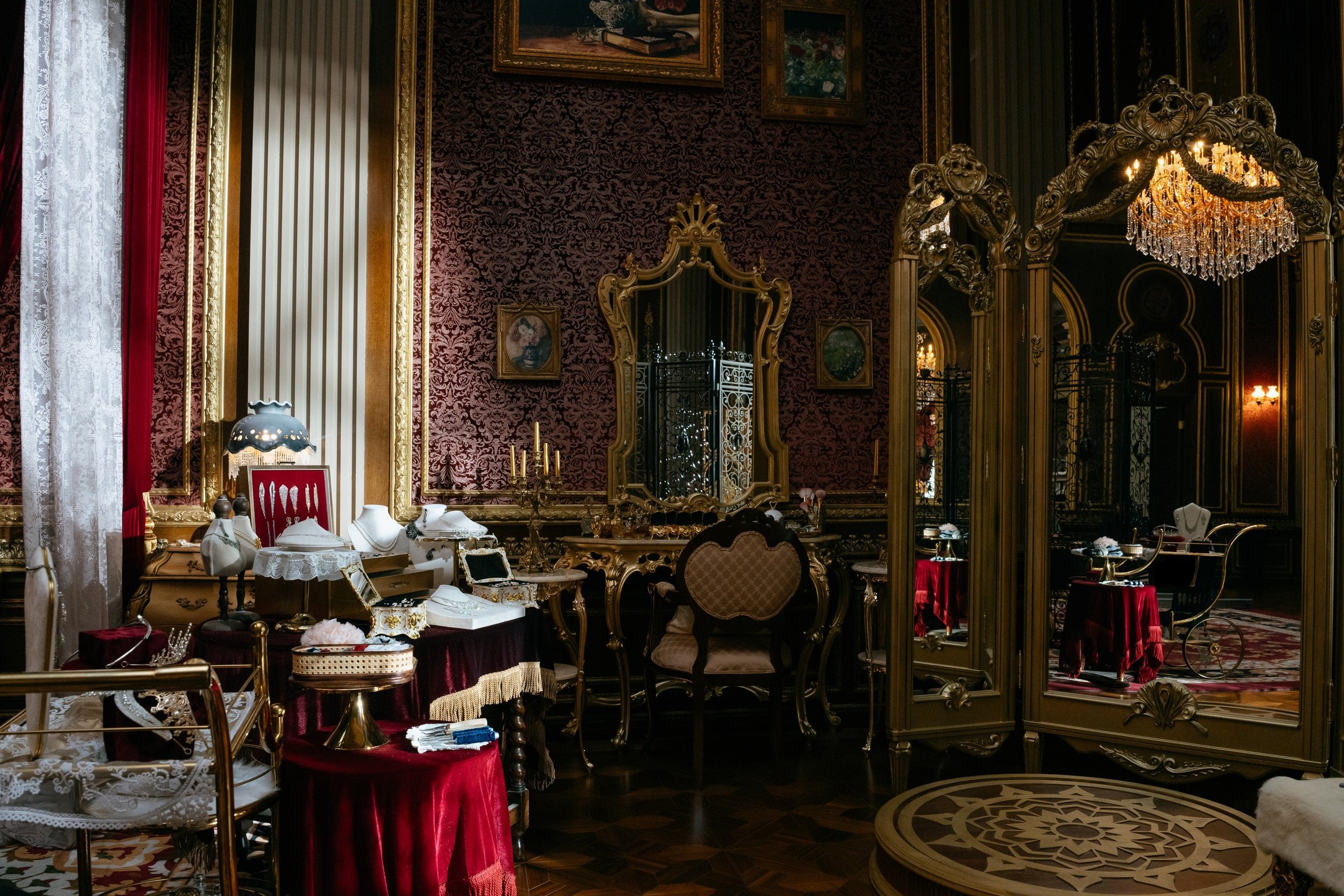
While the grand corridor communicates the public face of the empire, Navier's private quarters beyond offer a more intimate perspective on the woman who rules it. Rather than designing the empress's office, bedroom, and drawing room as entirely separate environments, Lee approached them as a series of spaces that “connected intuitively” and fitted with lush craftsmanship details befitting an empress. “The fireplace in the quarters was built from real marble and is functional, and the large carpets were separately produced with patterns designed for each space, each taking about a month.”
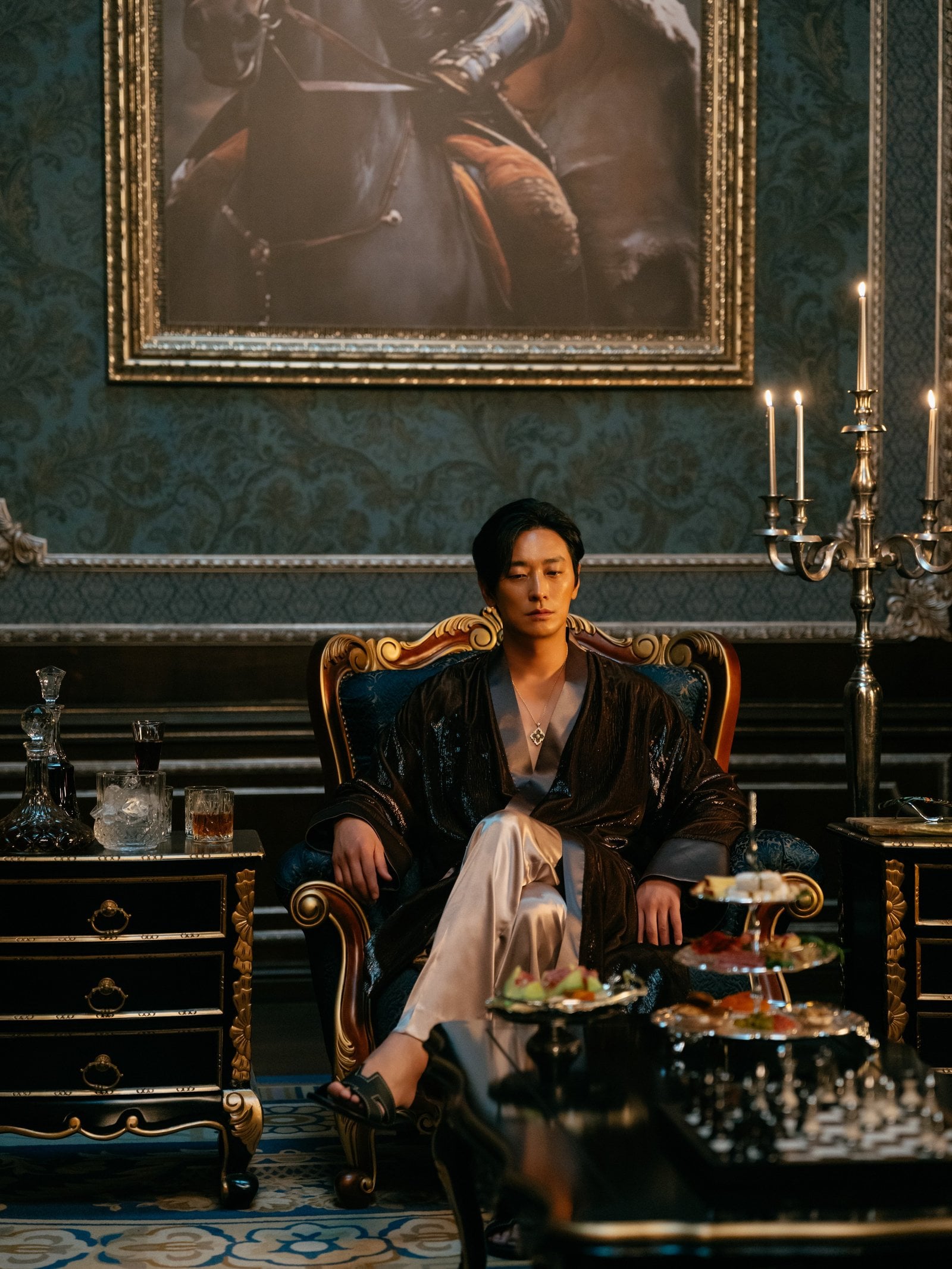
Lee also distinguished each of the characters’ quarters with a color code system. For Navier, that meant filling the rooms with touches of crimson red and gold, reflecting Navier’s signature colors in the webtoon. For Sovieshu’s assigned areas, you’ll spot plenty of mint, silver, and navy, which give the emperor a “cool, cold, and fashionable impression,” Lee says. Chang notes that “large differences in color and dress were also set between the emperor and Heinrey, and between the empress and Rashta, to make the contrast clear.”
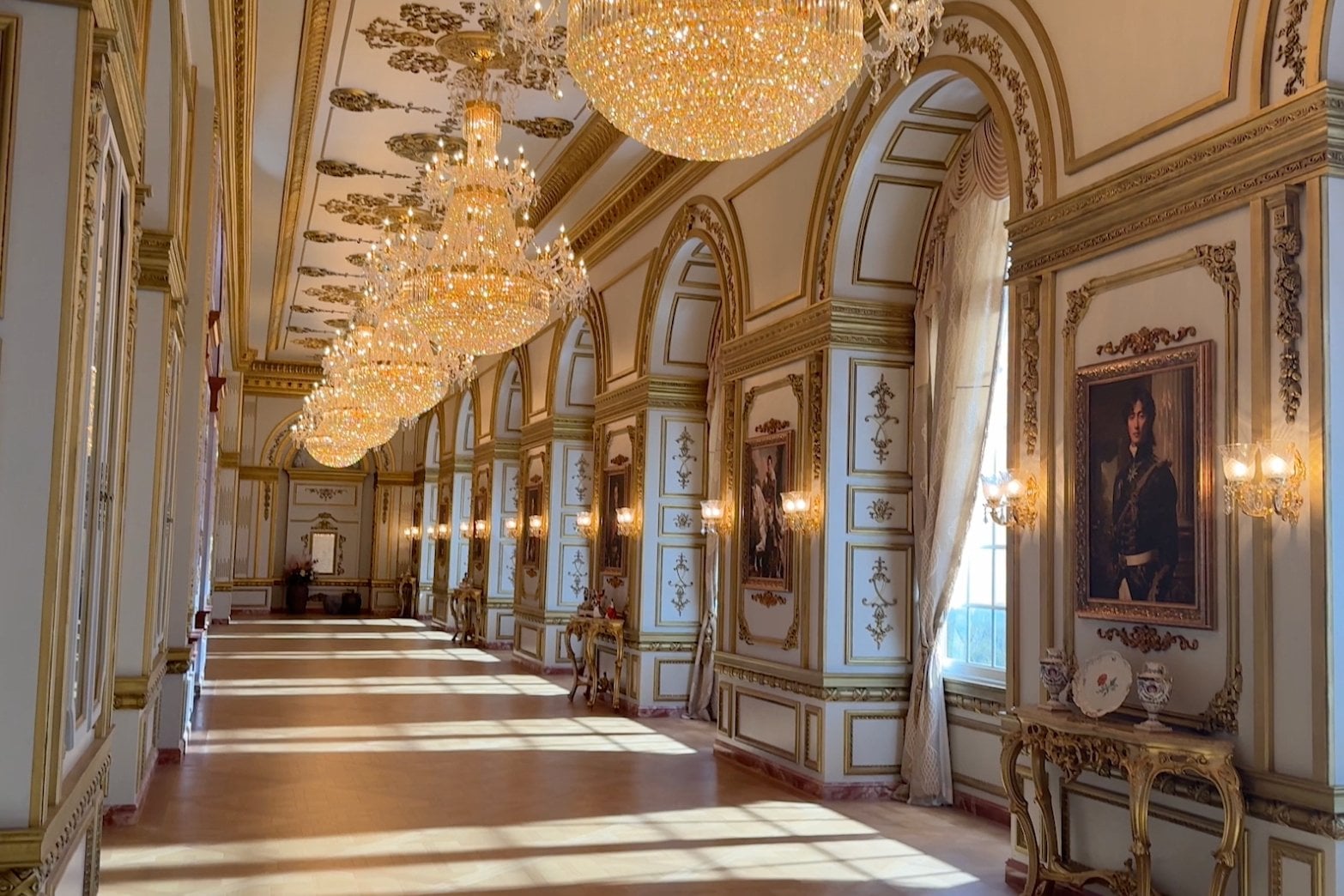


The set of "The Remarried Empress."
Hulu
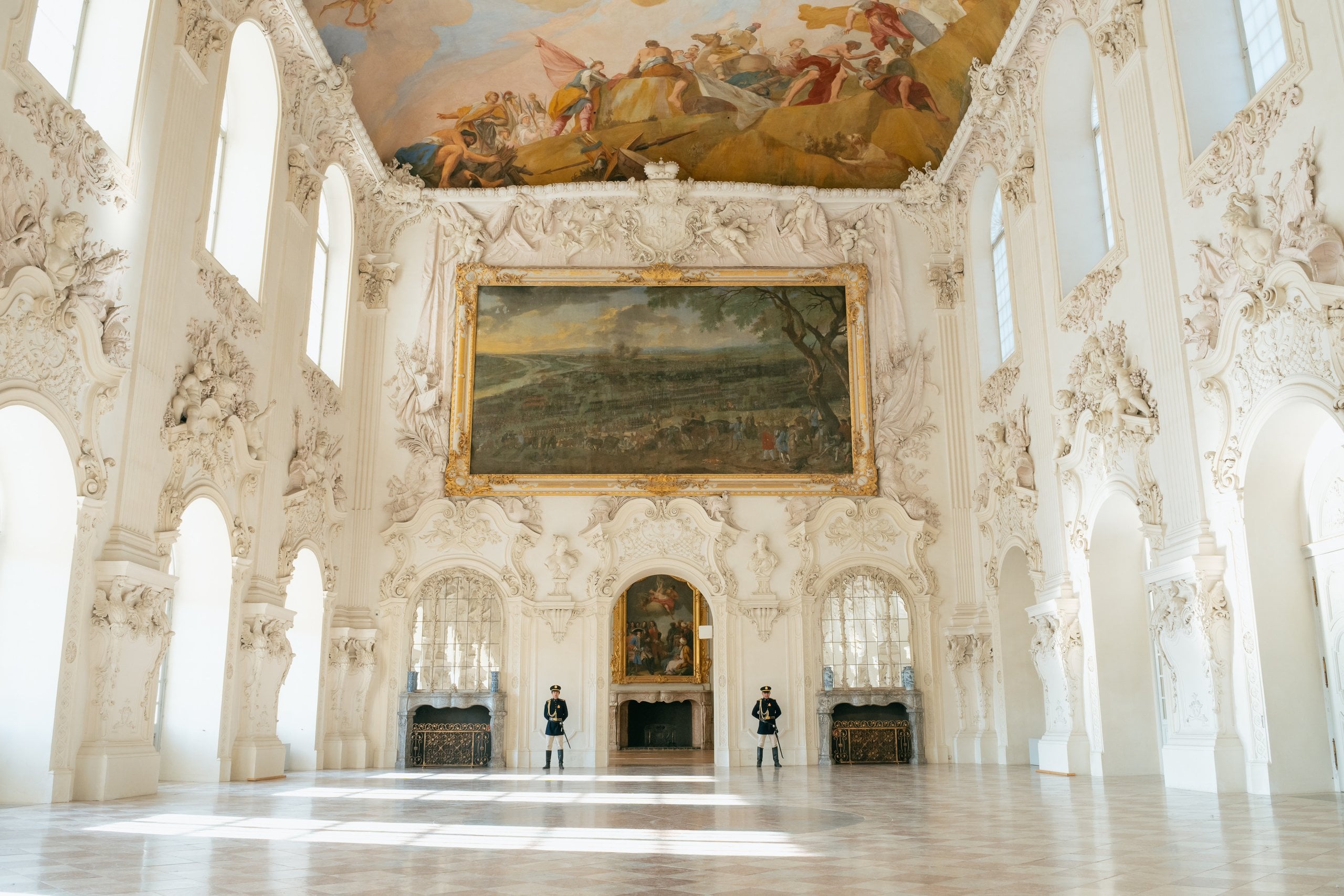

The set of "The Remarried Empress."
Hulu
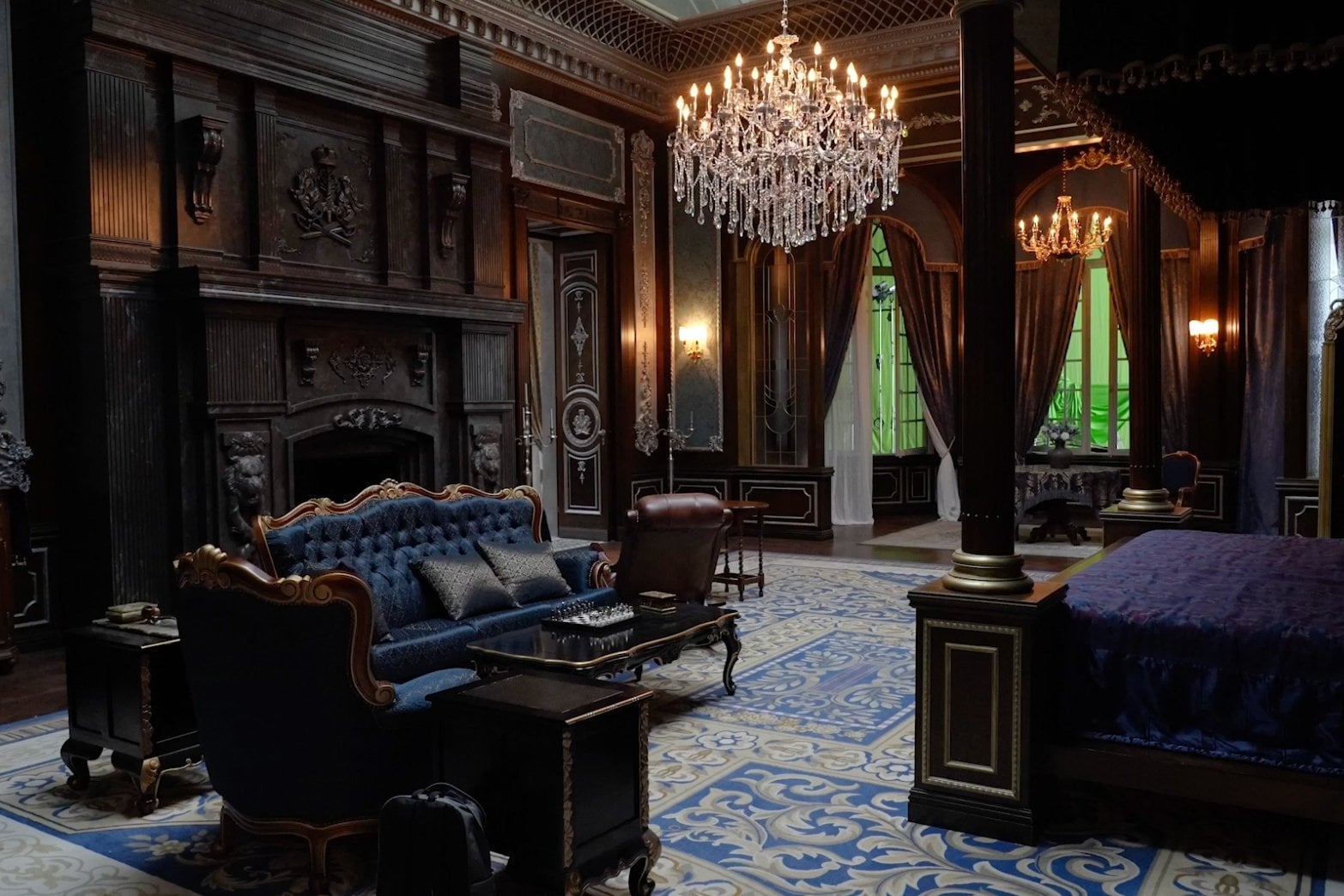

The set of "The Remarried Empress."
Hulu

The set of "The Remarried Empress."
Hulu

The set of "The Remarried Empress."
Hulu
The artwork was also given considerable thought. “All the paintings hung on the walls were drawn directly or produced as illustrations, then printed and mounted, and they were unified around the colors and flowers symbolizing the empress,” Lee says. Among the more personal additions were imagined childhood portraits of the empress that were painted specifically for the series and based on photos of Shin at different ages.
The production team also developed individual emblems to reinforce the identities of the ruling figures. Navier's takes the form of a crown placed atop a deep-rooted tree, symbolising her role in upholding the foundations of the imperial family. The emperor's emblem features two lions, a sword and a crown. These motifs appear throughout the world, from the palace's stained glass to its decorative artwork for those keen-eyed enough to spot them.