
How An Oslo Home Was Reconstructed From Scratch For 'Sentimental Value'
Interiors
TSS Creative
Jørgen Stangebye Larsen
Production designer Jørgen Stangebye Larsen returned to work with Scandi auteur Joachim Trier on the Oscar-tipped movie which saw him rebuild an Oslo home from the ground up.

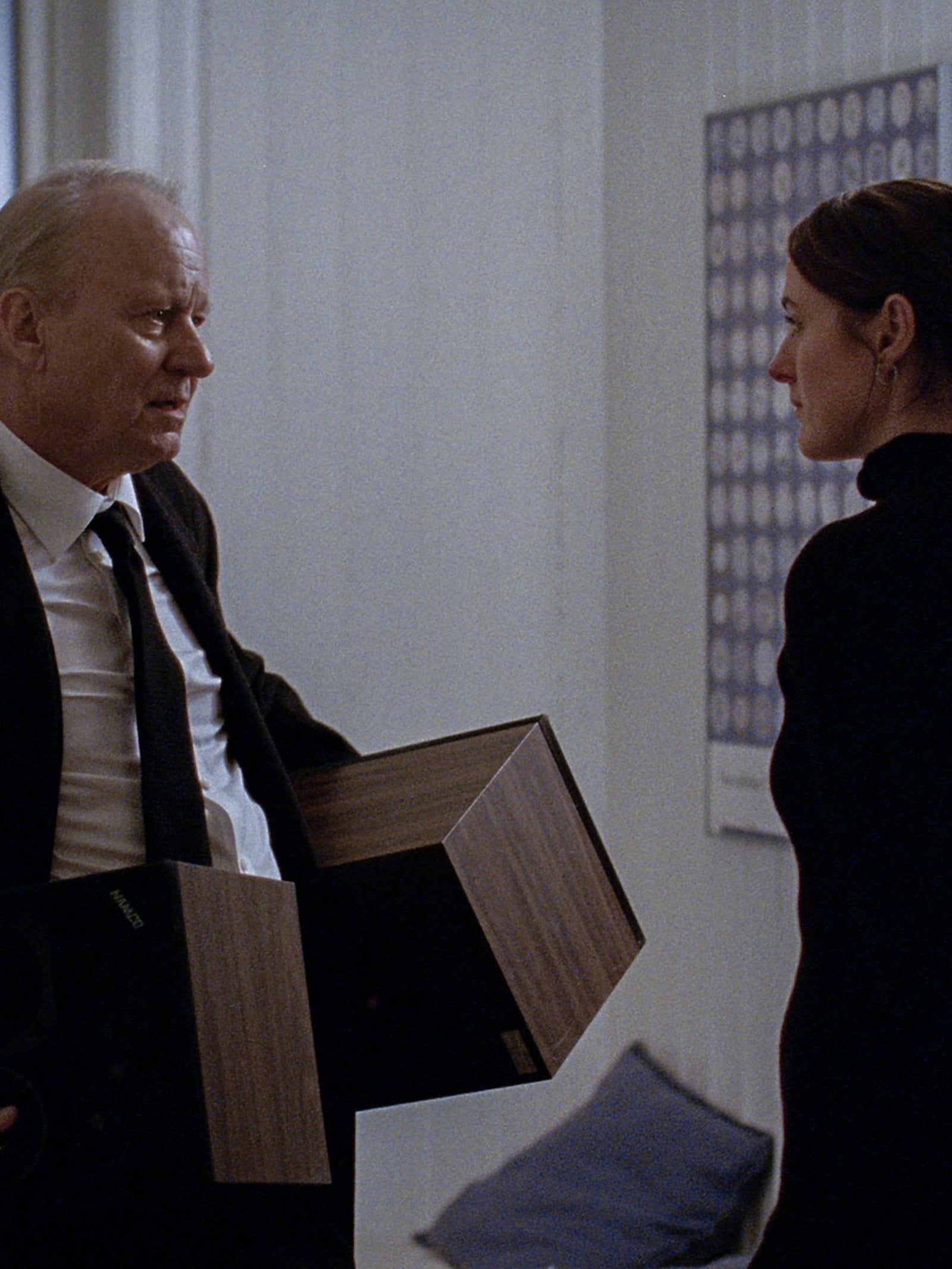
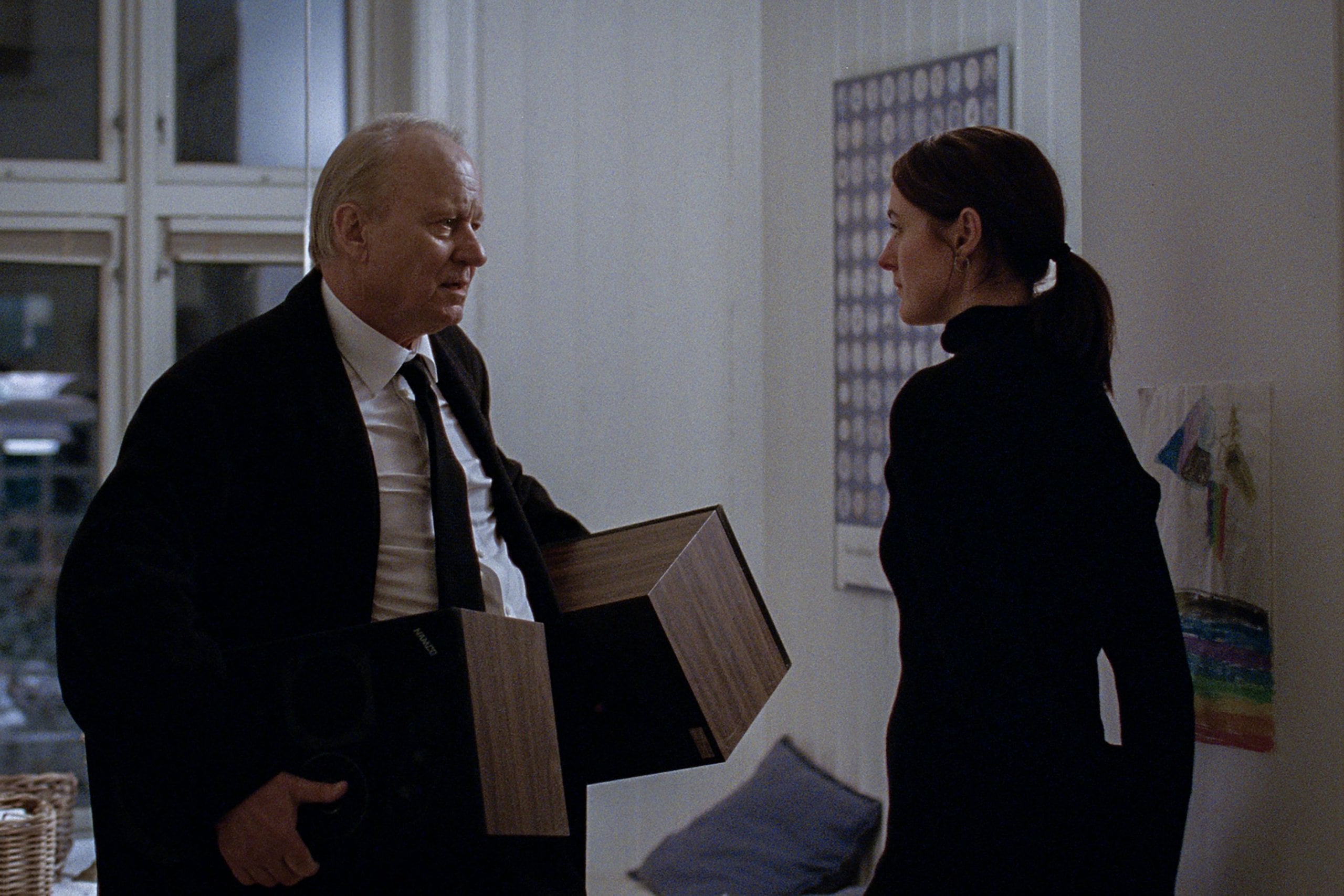
When a film revolves around a home, finding the perfect property can be just as challenging as casting the perfect actor. In “Sentimental Value,” fictional filmmaker Gustav Borg (Stellan Skarsgård) finds himself struggling with the latter of these tasks when he embarks on a deeply personal comeback project. After his estranged daughter Nora (Renate Reinsve) turns down the lead role in his film, he thinks he’s found the next best thing in an eager young Hollywood star (Elle Fanning)—but soon comes to doubt this decision.
When it came to the real production, Joachim Trier had far less trouble with the former. The striking, red-trimmed house at the center of the film sits only a few blocks from the Danish–Norwegian director’s own home, and he and production designer Jørgen Stangebye Larsen had actually discovered it more than a decade earlier while scouting locations for their 2011 collaboration, “Oslo, August 31st”.
The house is as distinctive as any character in the film. With its chocolate-brown façade and steeply pitched roof reminiscent of the dragestil (“dragon style”) National Romantic movement, it stands apart from the more conventional Oslo homes surrounding it. “It felt full circle going back there,” Larsen says. In fact, Trier had rediscovered the location early in the development of “Sentimental Value” and even shaped the script around its unique, sprawling layout.
You would think that all of this would make life all the more simple for Larsen, but Trier’s Oscar-tipped drama demanded something more complex. Yes, most of the film takes place within the four walls of the Borg household, where Gustav initially decides to shoot his autobiographical screenplay. But alongside the contemporary storyline, we see flashbacks to the home’s previous custodians—with the rooms reconfigured, repainted, or partially emptied depending on the era, something which required the production to move between time periods, emotional states, and levels of domestic chaos. Rather than constantly resetting the real location, Larsen proposed rebuilding the entire house on a soundstage.
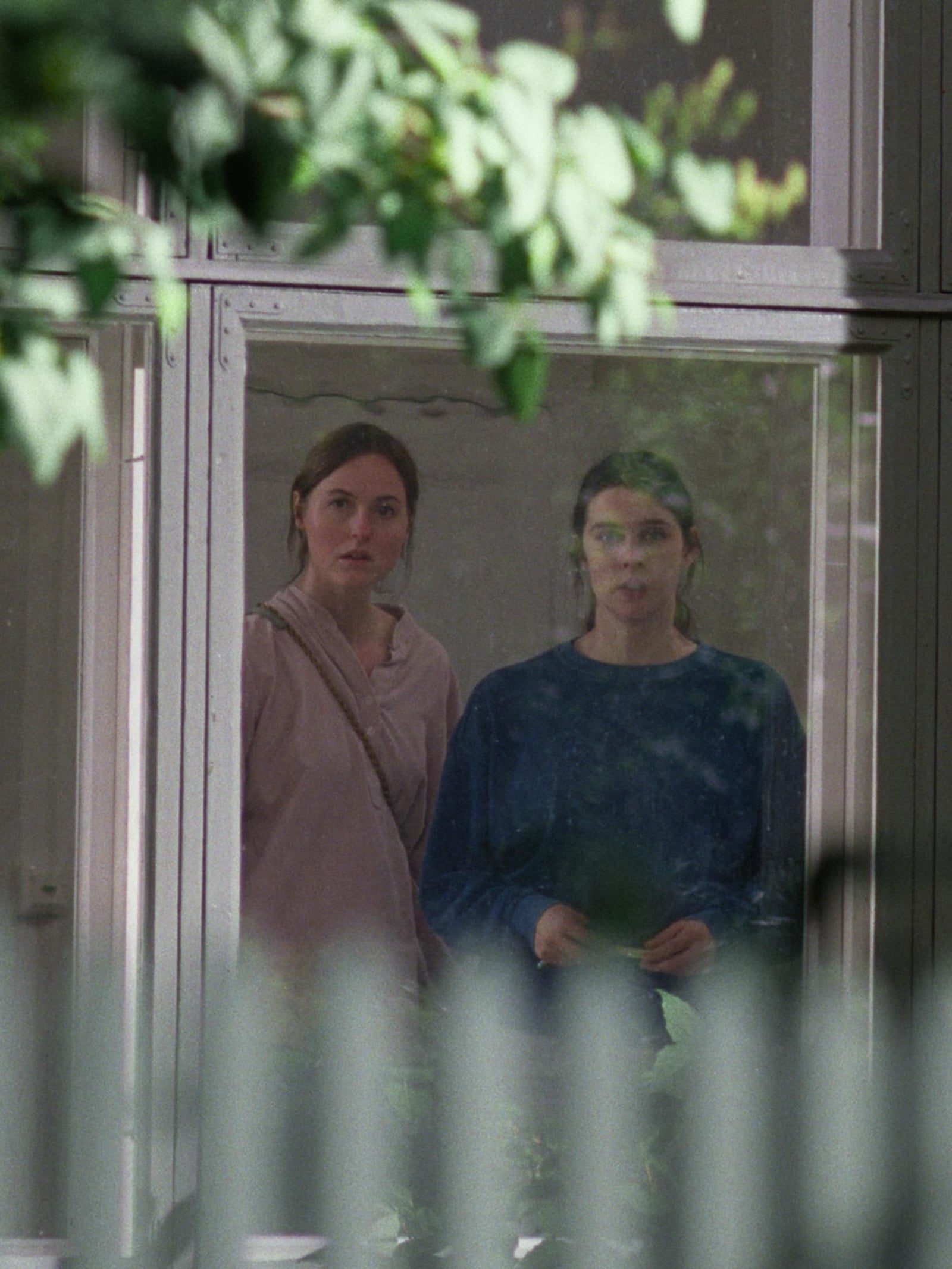
Renate Reinsve and Inga Ibsdotter Lilleaas in "Sentimental Value." Photo: Mubi / Kasper Tuxen.
Mubi / Kasper Tuxen
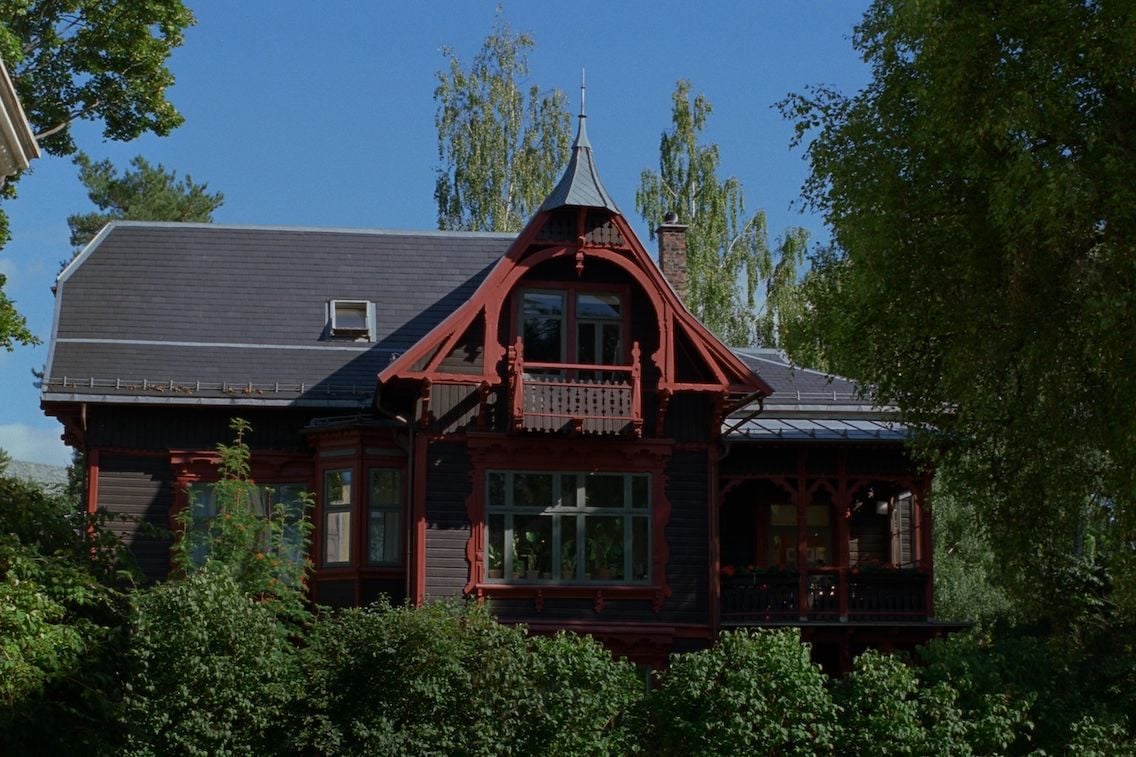

The house at the center of the film. Photo: Mubi
Mubi
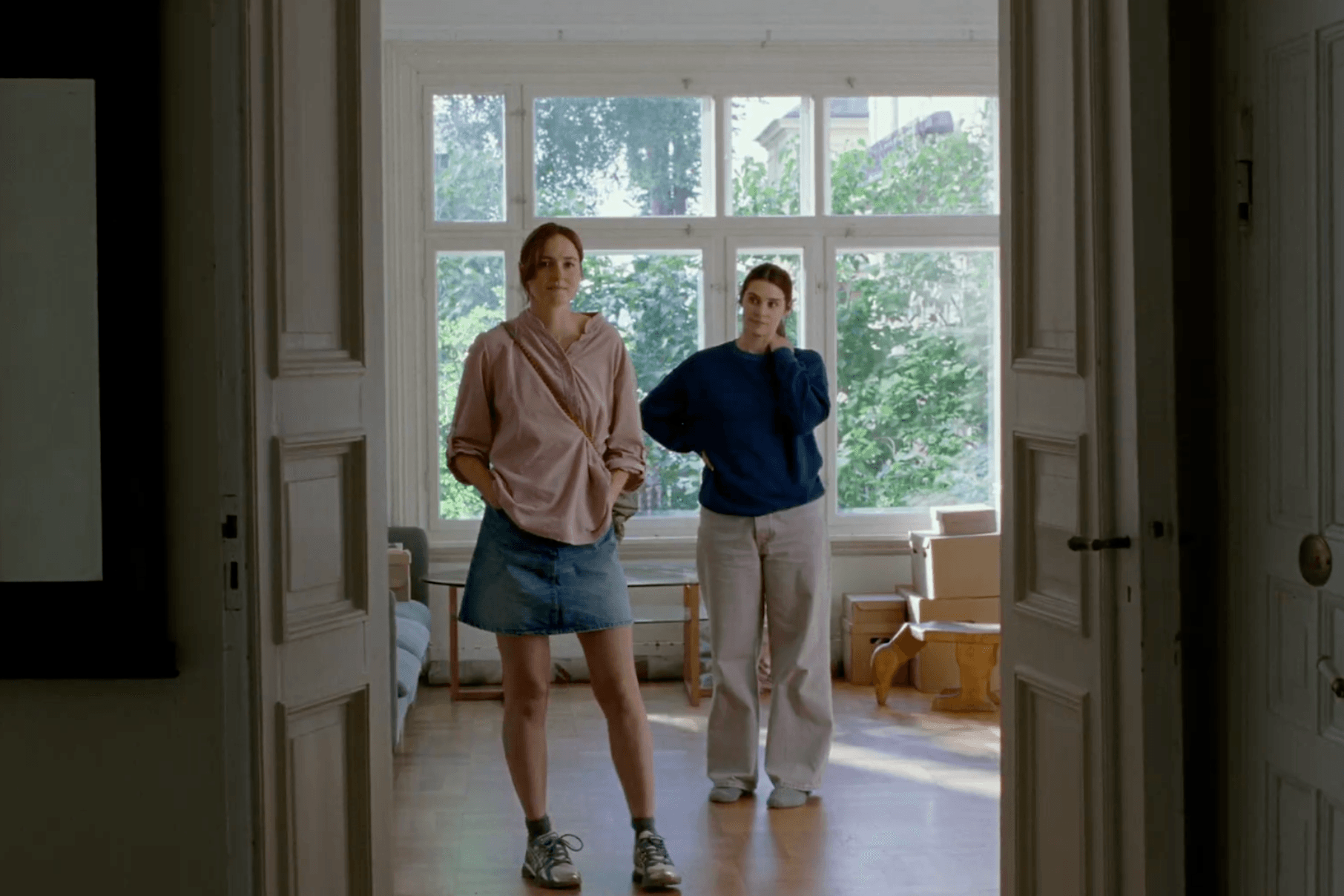

Renate Reinsve and Inga Ibsdotter Lilleaas in "Sentimental Value." Photo: Mubi
Mubi
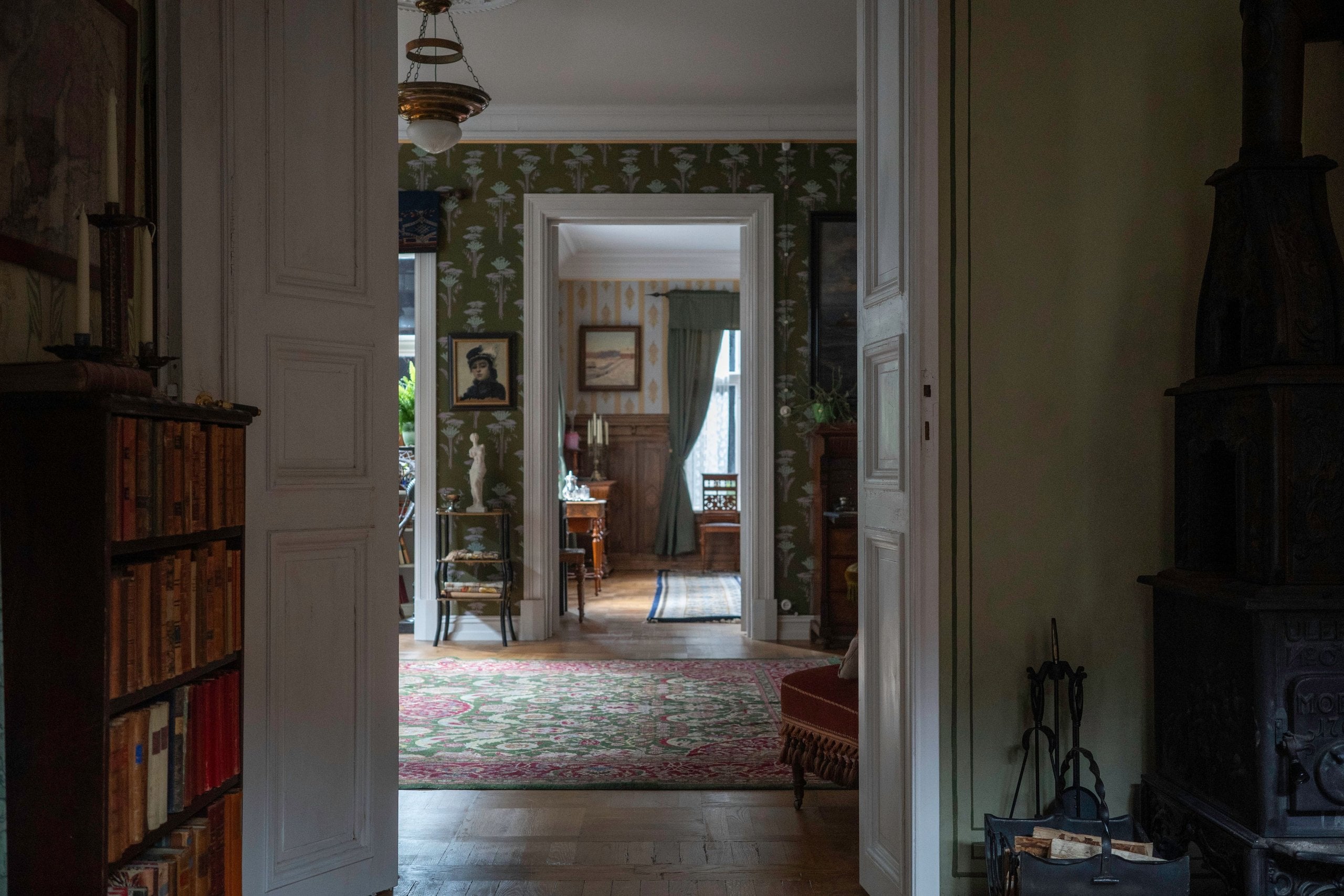

Interior doorway in "Sentimental Value." Photo: Mubi.
Mubi
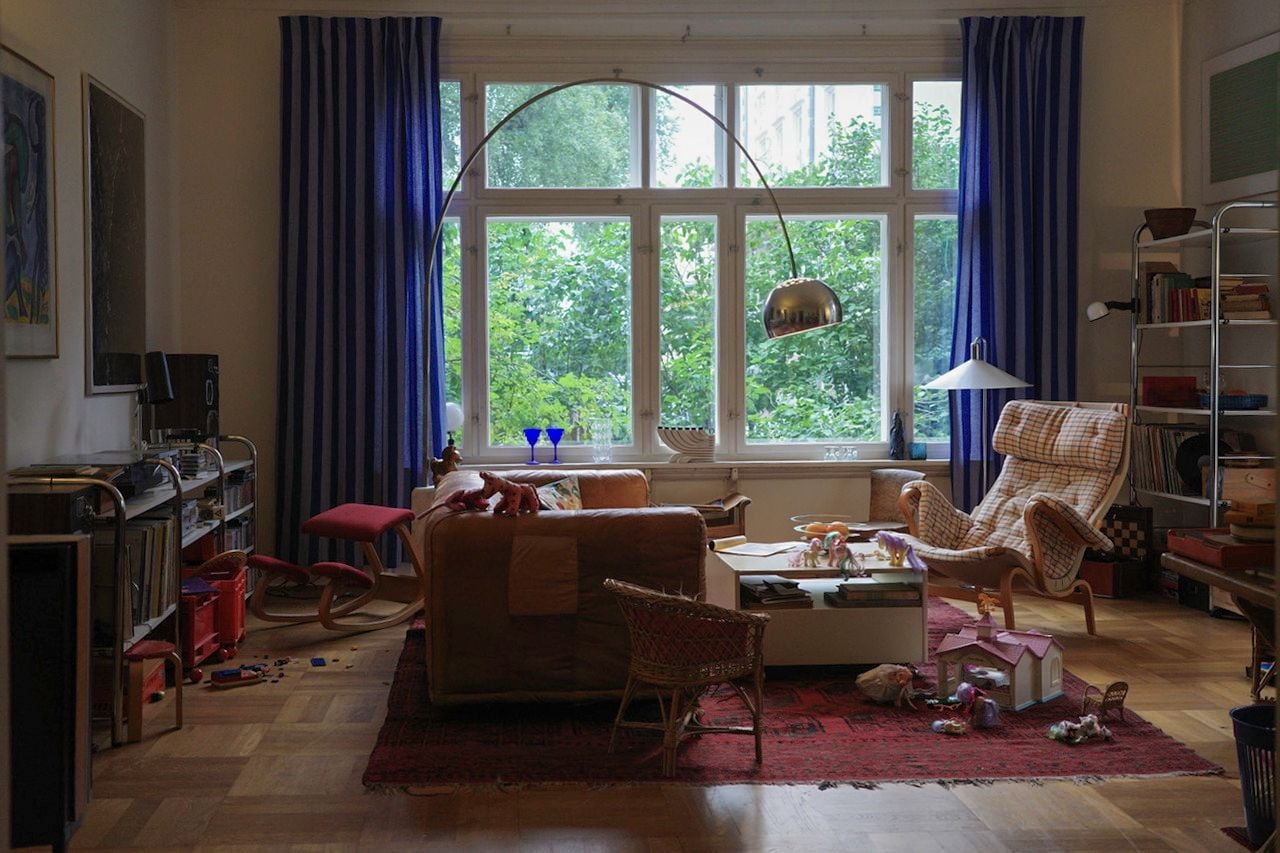

Family home in "Sentimental Value." Photo: Mubi.
Mubi
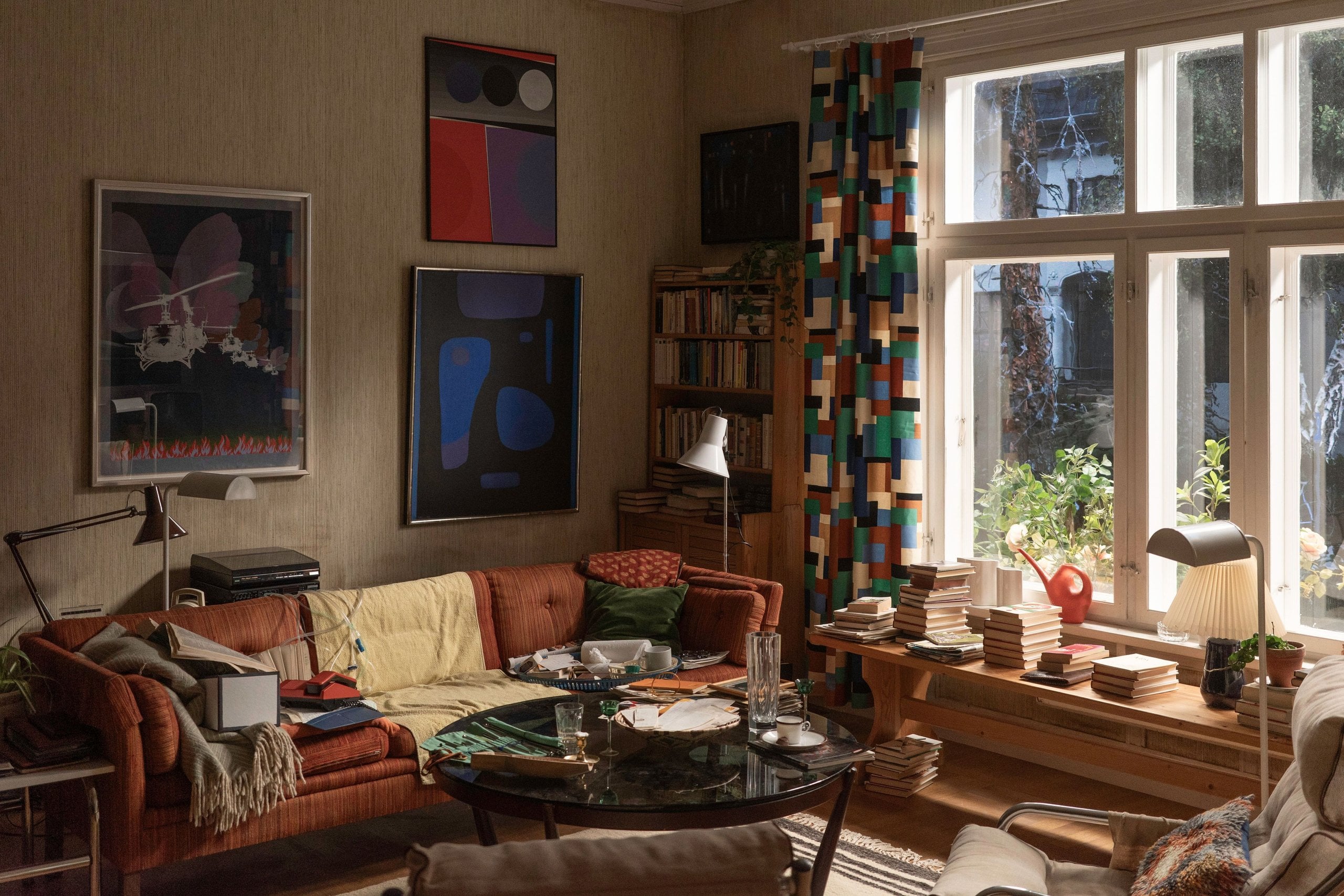

Living room in "Sentimental Value." Photo: Mubi.
Mubi
“Building the house allowed us to work properly with the time periods,” he explains. “We didn’t have access to the second floor where the bedrooms are, so we had to build that on a sound stage in any case, but it was my choice to build the ground floor as well, to be able to serve the logistics of filming the house on location in winter, summer, fall, through the entire schedule.” Over the shoot, the home would need to be dressed for a modern-day wake, a '90s therapy session, a ‘60s house party, and a multitude of other time periods ranging across the 20th century. On the purpose-built soundstage, these transitions could happen almost overnight.
To maintain the geography and realism of the house, Larsen turned to virtual production—an extension of his academic research as part of his PhD in production design. Working with VP Nordic at Gateway Studios, the team scanned the Oslo neighborhood where the real house is located and built a 3D exterior world on LED walls that would be visible through every window of their version of the house. Cars and lampposts changed depending on the decade, and so did foliage based on the seasons. “It’s so important in this film for the audience to understand the layout of the house,” Larsen says. “And when you use virtual production on every window, it means whichever room you are in, it’s seamless.”
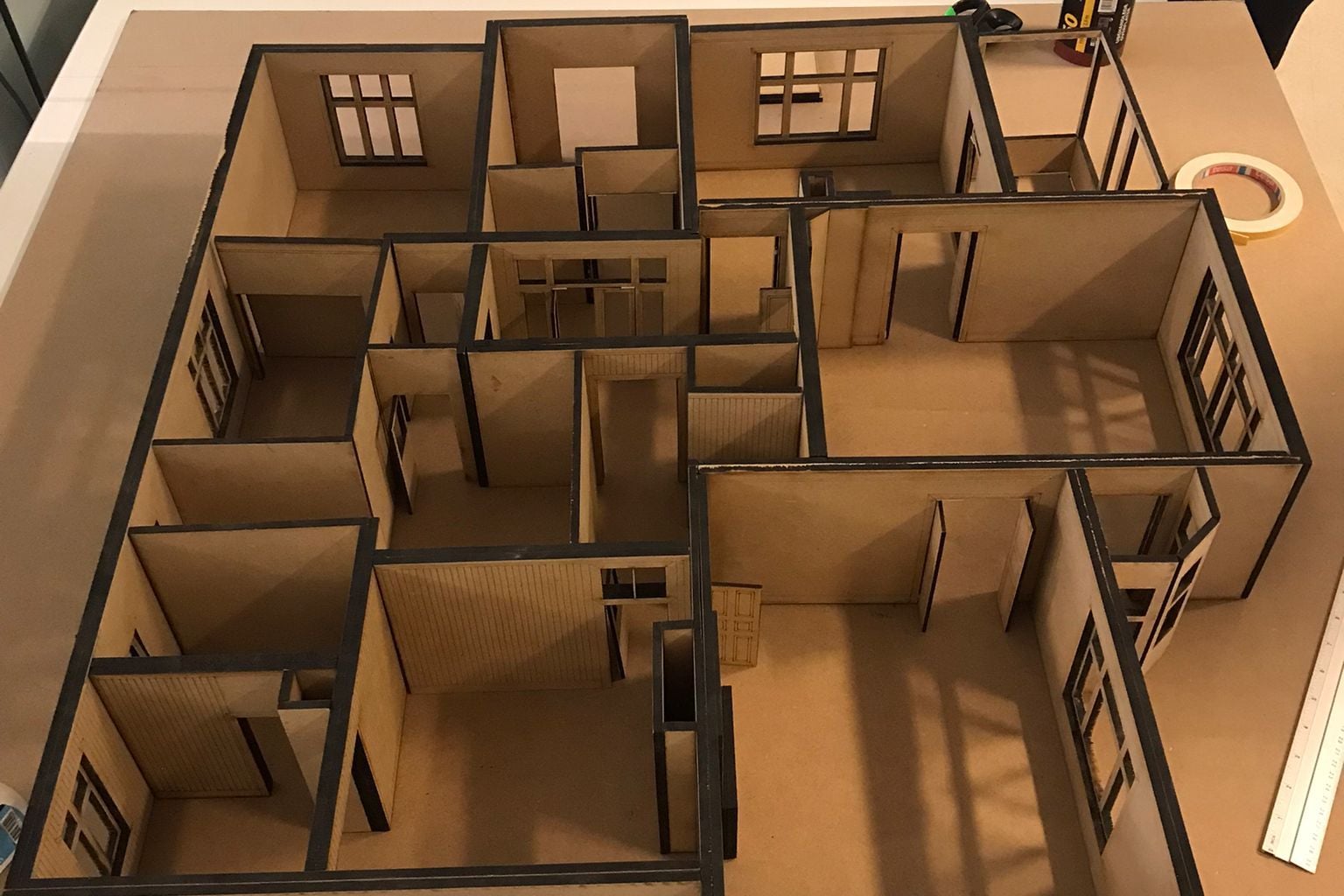

Wooden house model for "Sentimental Value." Photo: Mubi.
Mubi
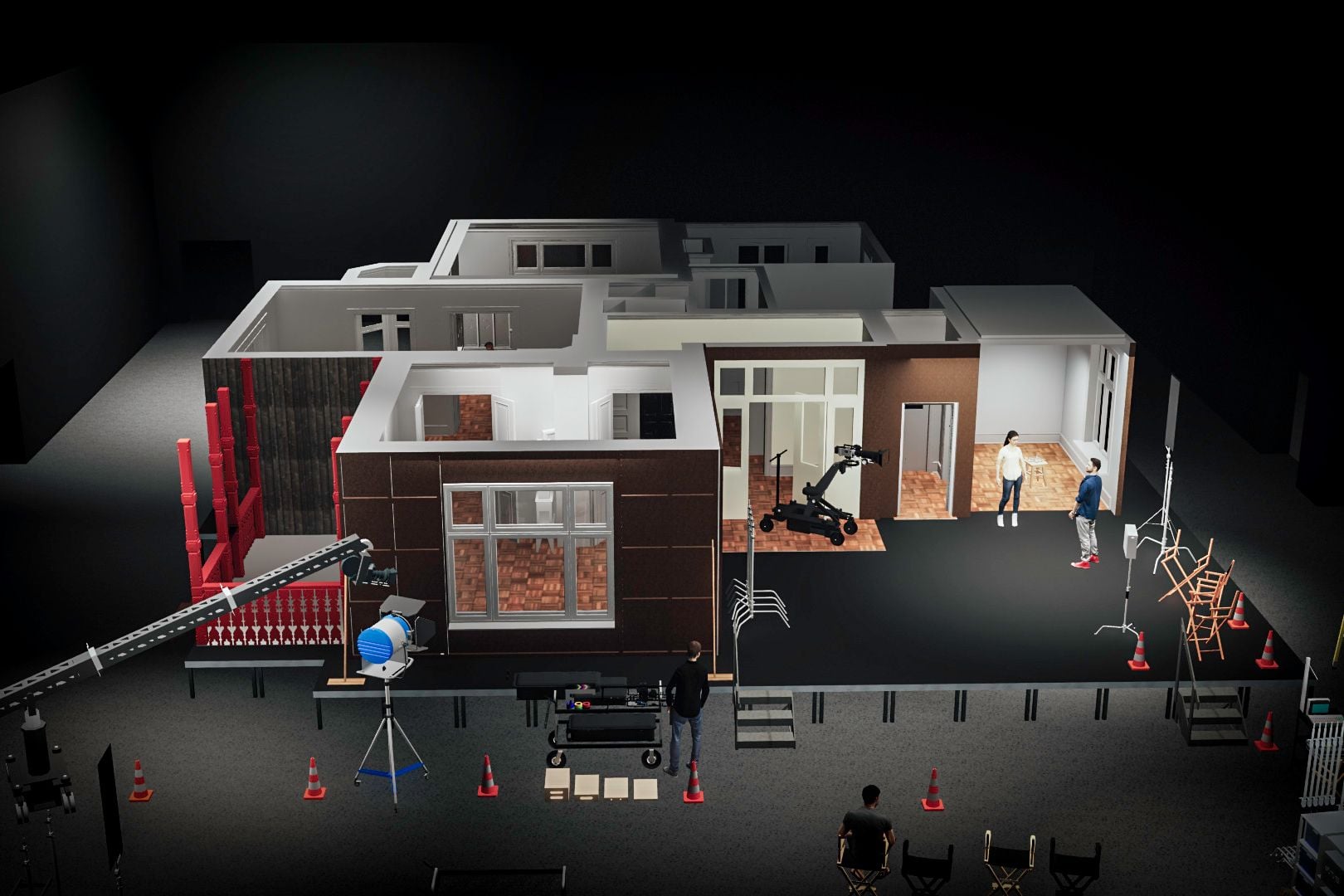

Render of house stage in "Sentimental Value." Photo: Mubi.
Mubi
Wooden house model for "Sentimental Value." Photo: Mubi.
Mubi
Render of house stage in "Sentimental Value." Photo: Mubi.
Mubi
Other innovative technologies helped the creative process, too. Using real-time digital rendering, Larsen could show Trier near-finished versions of sets before committing to them. “When you hold a wallpaper sample, it’s hard to imagine the whole room,” he says. “This way, I could show the finished world.”
“My main approach was to create something authentic and believable that was true to Norway and true to that part of Oslo,” Larsen explains. He unearthed archival photographs of the real house to help drive his design decisions for the earlier time periods depicted, including scenes of Gustav’s childhood, where he purposefully softened the color palette to give the house’s light-flooded rooms a dreamlike quality.
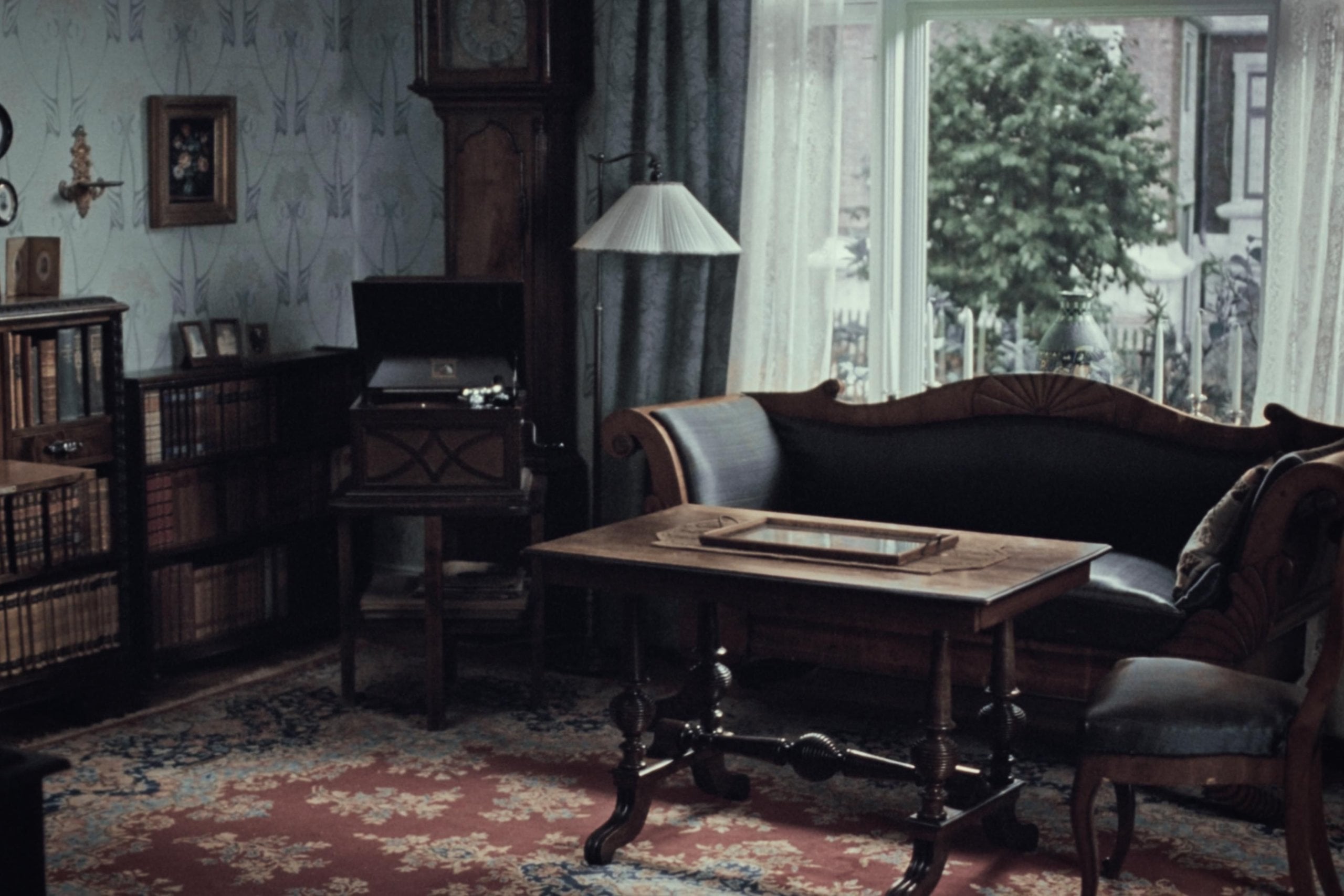

The library room of the Borg household. Photo: Mubi.
Mubi
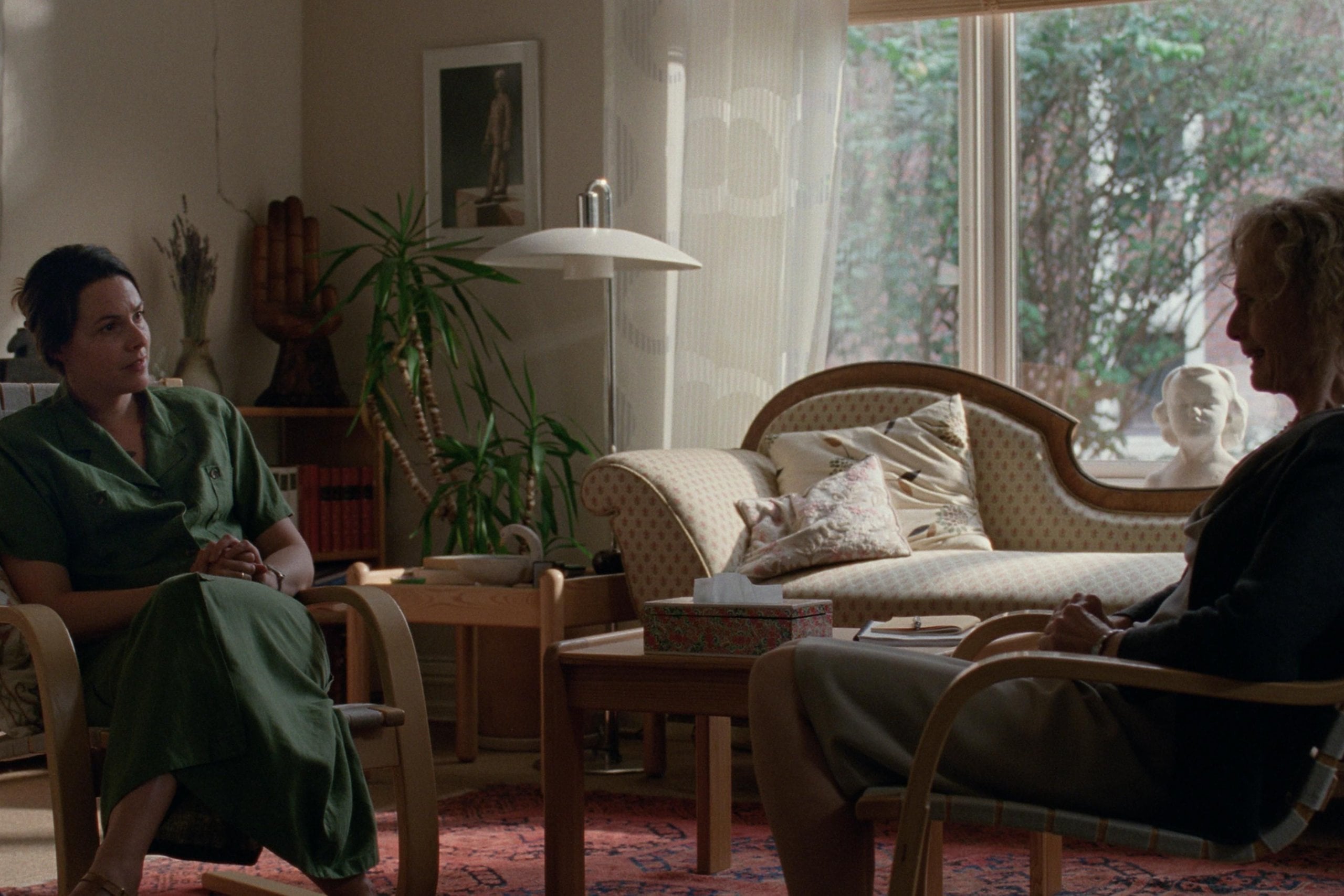

The same room becomes Gustav's wife's therapy room. Photo: Mubi
Mubi
At the very end of “Sentimental Value,” audiences are given the opportunity to fully appreciate Larsen’s work. In a playful and moving reveal, we watch as Nora, who has changed her mind about the role after reading Gustav’s script, acts out a climactic scene in what we believe is the Borg family house, only for the camera to pan out to show that Gustav—like Trier—had decided to shoot his film on a soundstage rather than in the real thing. We see the blue screens beyond the windows, the missing second floor, and the carefully constructed illusion that has held the story together. It’s a reminder that remembering, like filmmaking, is an act of reconstruction.