
Every stitch tells a story On Christian Bale’s Uncannily Human Iteration of Frankenstein
Beauty
In "The Bride!" prosthetic makeup artists Jason Collins and Scott Stoddard teamed up with Christian Bale and Maggie Gyllenhaal to bring an elaborate backstory to every hand-crafted hair, stitch, and incision.
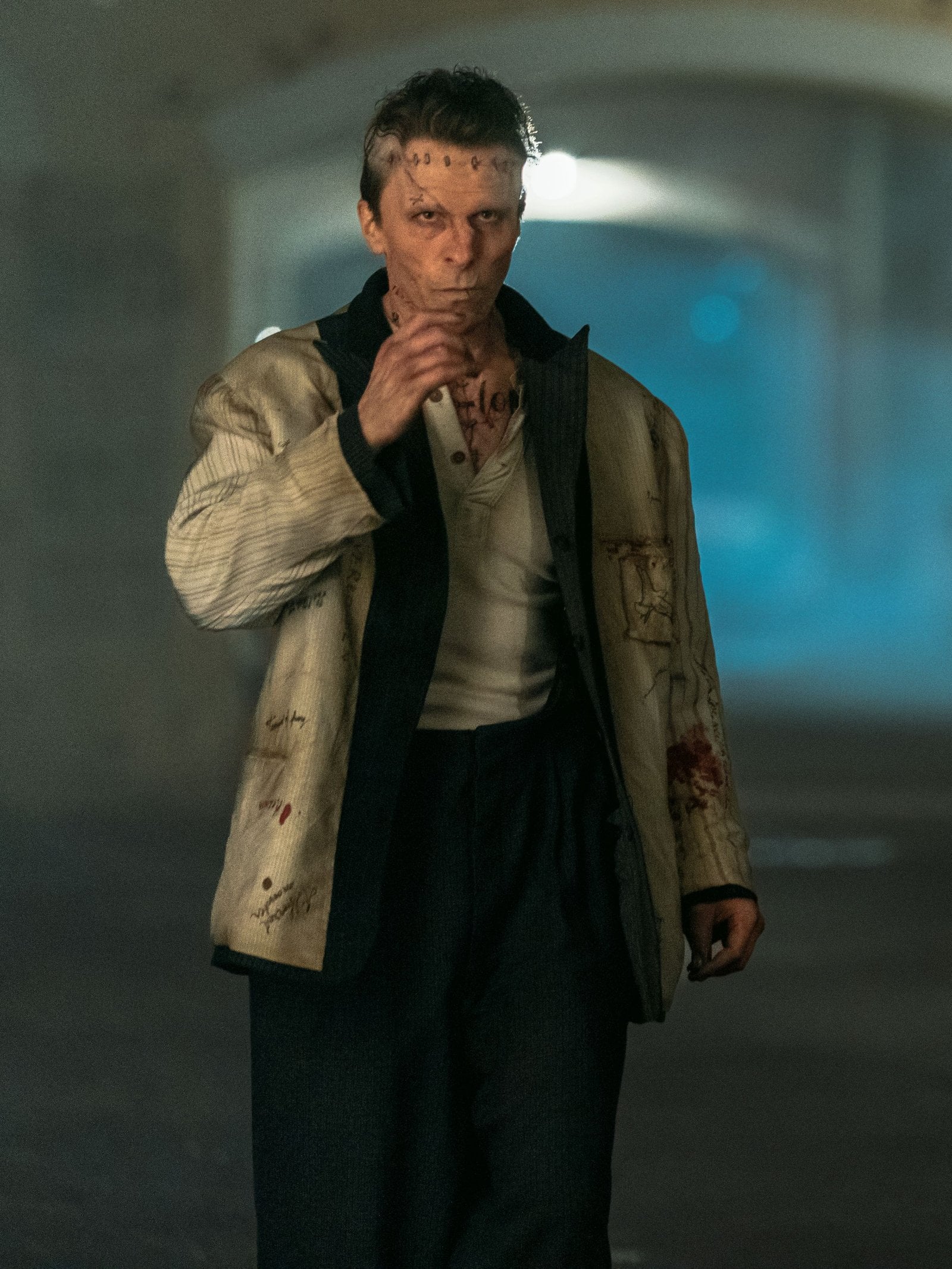
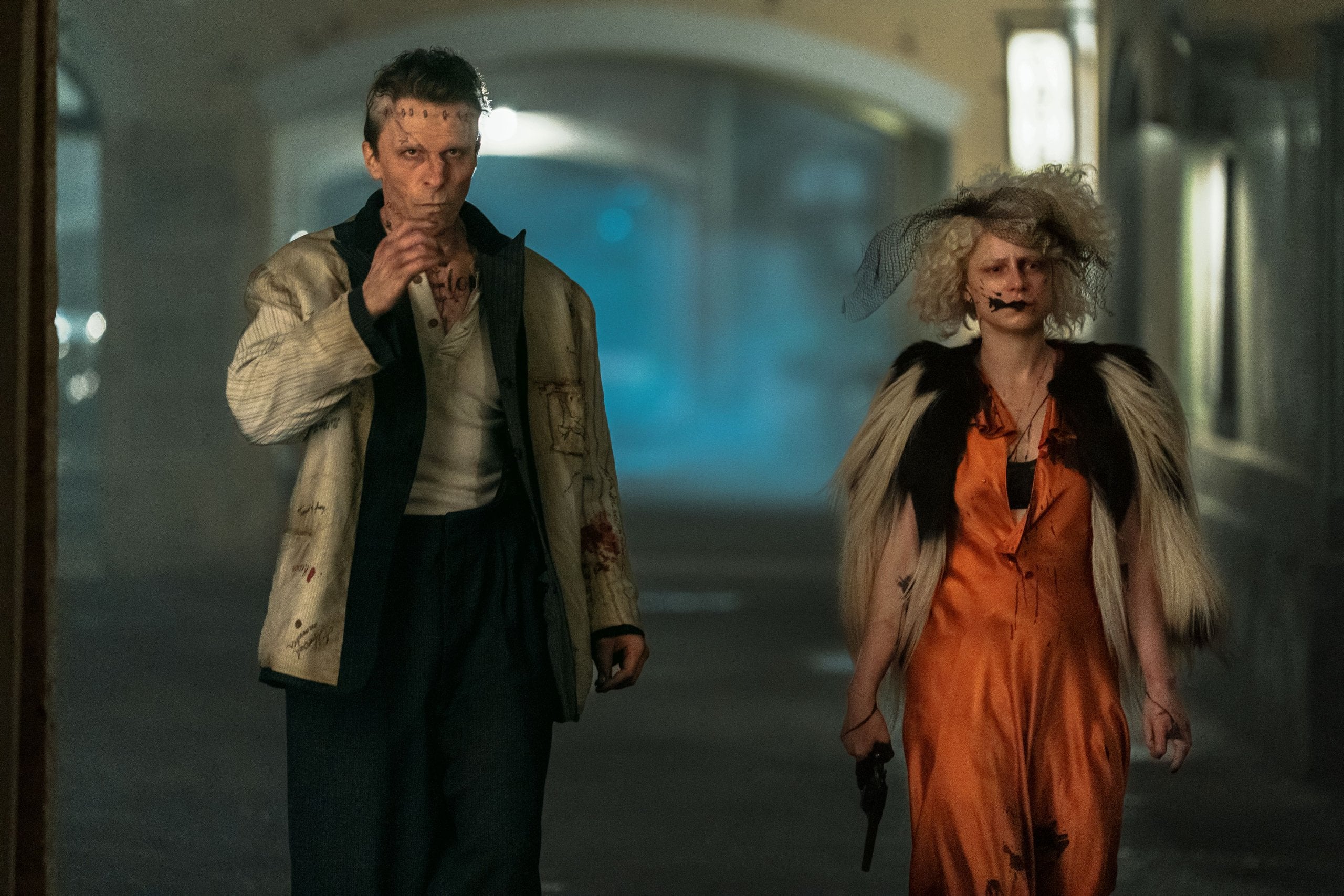
Mary Shelley’s “Frankenstein” is the gift that keeps on giving. Or rather, the character that keeps on inspiring star-studded portrayals in IMAX. From James Whale’s canon 1931 horror flick to Guillermo Del Toro’s recent Oscar-winning drama, Shelley’s Creature has taken on many different forms and actors, each varying in their faithfulness to the source material. In Maggie Gyllenhaal's latest rendition of the gothic novel, “The Bride!”, the human outshines the horror with Christian Bale playing a 1930s version of the monster called “Frank.”
When prosthetic artists Jason Collins and Scott Stoddard teamed up to design the face of Bale’s character, their task resembled that of the fictional Dr. Frankenstein. They knew they needed to reimagine past versions of the Creature without losing his quintessential, patchwork nature. “I feel like in previous adaptations of Frankenstein—where it's like the big green man [and] what we think of with Halloween—it kind of lost an essence of the source material,” Collins says. “[Gyllenhaal] kept pushing us into something more and more realistic, more organic, passionate, and pathetic, if you will.”

Jessie Buckley and Christian Bale in "The Bride!"
Warner Bros.
The assignment posed a unique set of aesthetic and technical challenges; the Creature needed to look both repulsive and endearing, while allowing Christian Bale enough mobility to move his face. Collins made an effort to underscore the monster’s humanity by fashioning realistic deformities and borrowing from early surgery techniques.
“It's really hard to find a level of elegance with the monstrosity so that as he is naked the audience isn't too foreign or removed from it. They're still watching the performance,” Collins explains. “People might not know the technical thing unless [they] really research it, but it's not so far-fetched visually that people wouldn't accept it.”
Stoddard drew on historical precedent to achieve a striking realism. The sculptural design of Frank’s nose was inspired by early World War I skin-grafting techniques, where surgeons would carefully lift a healthy patch of skin, twist it, and sew it over an injured area while keeping it attached to its blood supply. To enhance the effect, Bale added filler inside his nose, accentuating its natural crookedness.
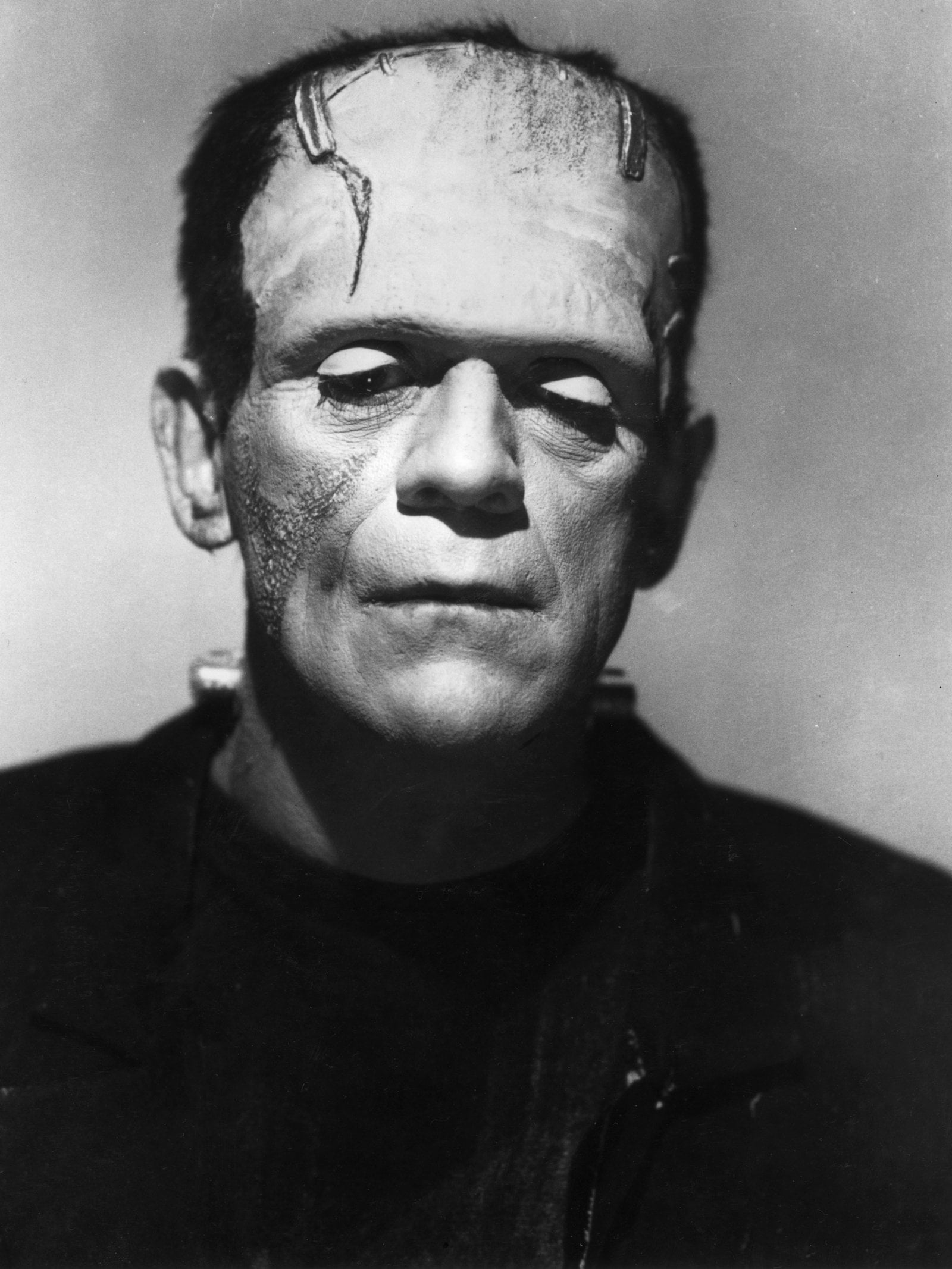

Boris Karloff's iconic 1931 Frankenstein monster makeup was designed by Jack Pierce. Photo: Getty Images
Getty Images
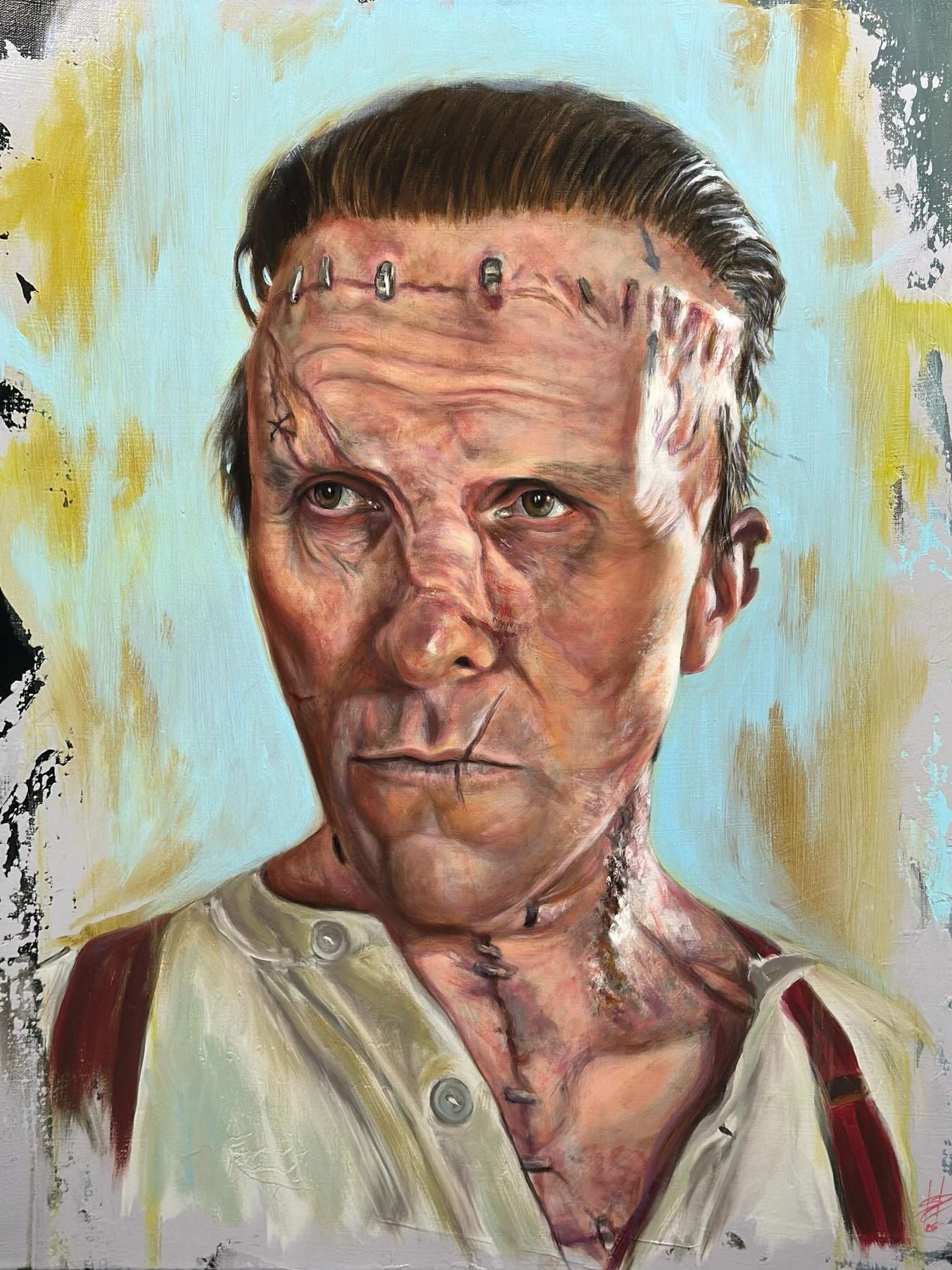

Scott Stoddard's Illustration of Christian Bale in "The Bride!"
Scott Stoddard
Boris Karloff's iconic 1931 Frankenstein monster makeup was designed by Jack Pierce. Photo: Getty Images
Getty Images
Scott Stoddard's Illustration of Christian Bale in "The Bride!"
Scott Stoddard
From a technical end, Stoddard had the challenge of manufacturing a face that allowed “Christian to come through” without it being a barrier that he “had to fight.” For the sake of the performance, the makeup needed to become “part of him.” On each of the 65 days of shooting, the prosthetics team molded and applied a fresh set of 14 appliances to Bale’s face and neck, mimicking the previous day’s placement and requiring an “a military organizational” level of preparation.
Assembling the prosthetics on Bale’s face took two and a half hours and required meticulous attention to detail: “every one of those hairs is hand-punched into those appliances and then cut and shaved down,” Stoddard says. Materials ranged from copper to tiny fragments of waxed cat gut, mimicking the kinds of found objects Frank could have realistically scavenged from the streets over the past century.
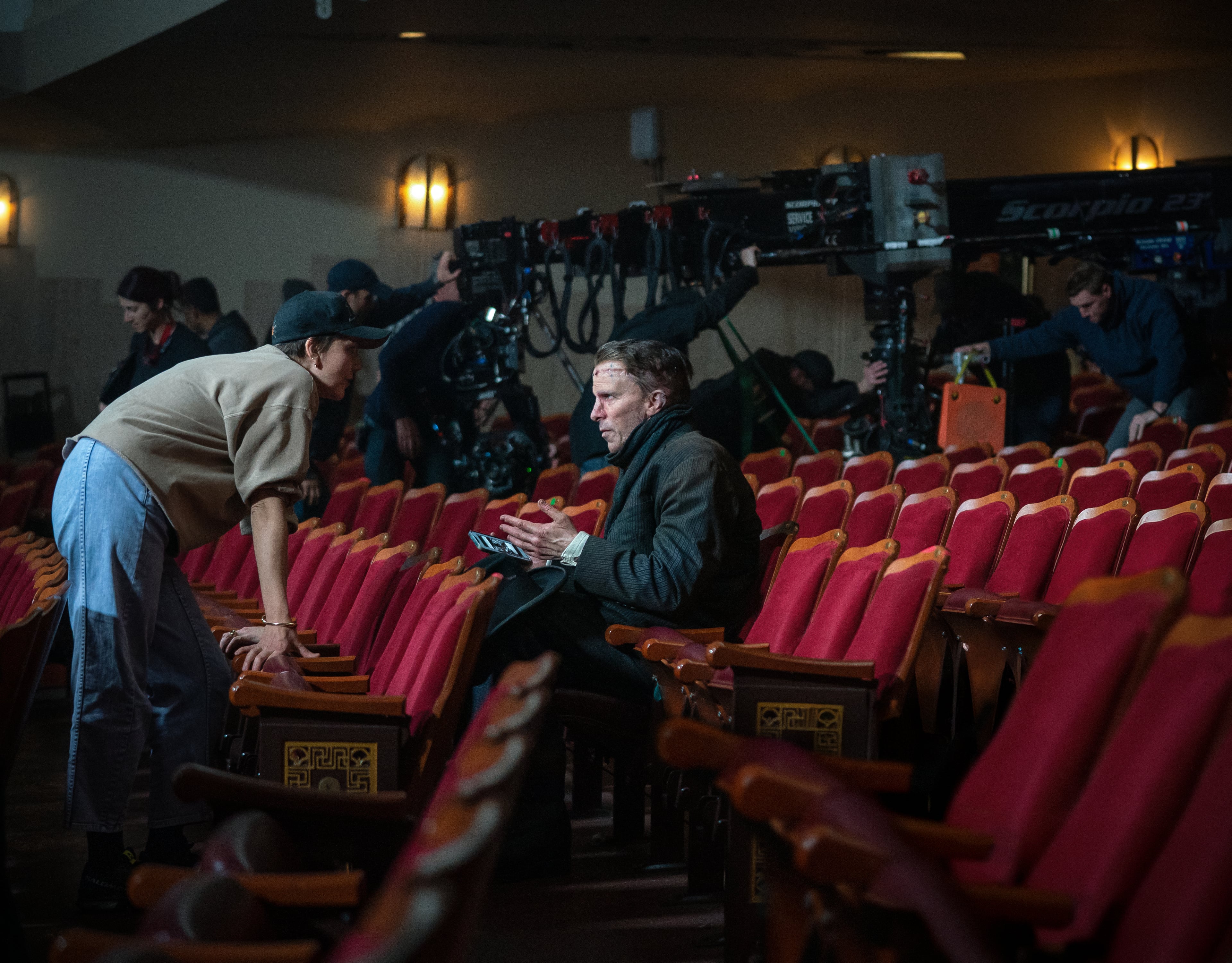

Christian Bale in "The Bride!"
Warner Bros
As a veteran character-actor, Bale assisted Collins and Stoddard in conceptualizing a backstory for every incision. “There's a story behind every stitch that's gone into him,” Stoddard says. Having endured the bubonic plague and World War I, Frank’s deformities were to appropriately reflect those historical periods. A small moon-shaped piece is missing from Frank’s left ear—an idea from Bale who suggested that Frank was asleep in an alley when a rat came along and gnawed off part of his ear during the Black Plague.
Frank’s face bears the marks of an improvised self-maintenance. Unlike previous adaptations, each prosthetic detail speaks less to the Creature’s original creation and more to his century-long history of repairs. “If you look up here into his forehead, you'll find little X's and things that he's like, ‘this is coming apart and I've got to string this back together again’. That's the fun of this stuff,” Collins said. Under Bale’s armpit, a scrutinizing eye might be able to catch sight of a piece of found burlap sewn over a wound that hasn’t fully healed.
“We ended up with tattooed areas on his neck and his head, where the cap was supposed to sit properly and it slid a bit to the side, and that's what gave him that offset top of his head and you can see the tattoos aren't lined up,” Stoddard says. “Everything had to kind of make sense in that world.”
On set, Bale concluded each of his four-hour makeup applications with a shared “scream session” amongst the makeup team. The ritual entailed nine screams in a row followed by a “really long howl” at the end. “We would do our scream sessions every morning after doing his makeup, and that was just letting out this aggression building up from all that time in the chair,” Stoddard says. “For us as makeup artists, we were excited to do it every day. It was like a decompression, and then you could start your day.” Besides its cathartic role, the Bale ritual helped shape his character’s raspy, worn-out voice.