The Best On-Screen 'Costume Art' Over The last 100 Years
Fashion

Fashion
As the Hollywood elite gear up for the first Monday in May, The Set Set takes a walk down memory lane, spotlighting 15 of the most iconic moments of Costume Art in film history.
To define the theme of this year’s Met Gala, “Costume Art,” requires defining “costume” (easy) and “art” (harder). The art of the costume lies in its ability to understand its wearer, going through and beyond form to construct a living, breathing character. A successful costume designer creates the armor that allows an actor to transform into their character, straying from replication into the world of innovation. Who is Penny Lane without her custom-made Afghan coat, or Edward Scissorhands without his, well, scissor hands?
Here at The Set Set, we’d like to take note that where there is art, there is also, always, an artist. As exemplified in the recent A24 release “Mother Mary”—a film centered around the relationship between a global popstar and the costume designer responsible for her looks—the meticulous craftsmanship of the costume designer often gets overshadowed by the celebrity sporting the finished product. In the lead-up to this year’s annual Met Gala, we would like to pay homage to the costume designers behind the most iconic on-screen costumes from the last century, from Adrian Greenberg of “The Wizard of Oz” to Kate Hawley of “Frankenstein.”
“Metropolis” (1927)
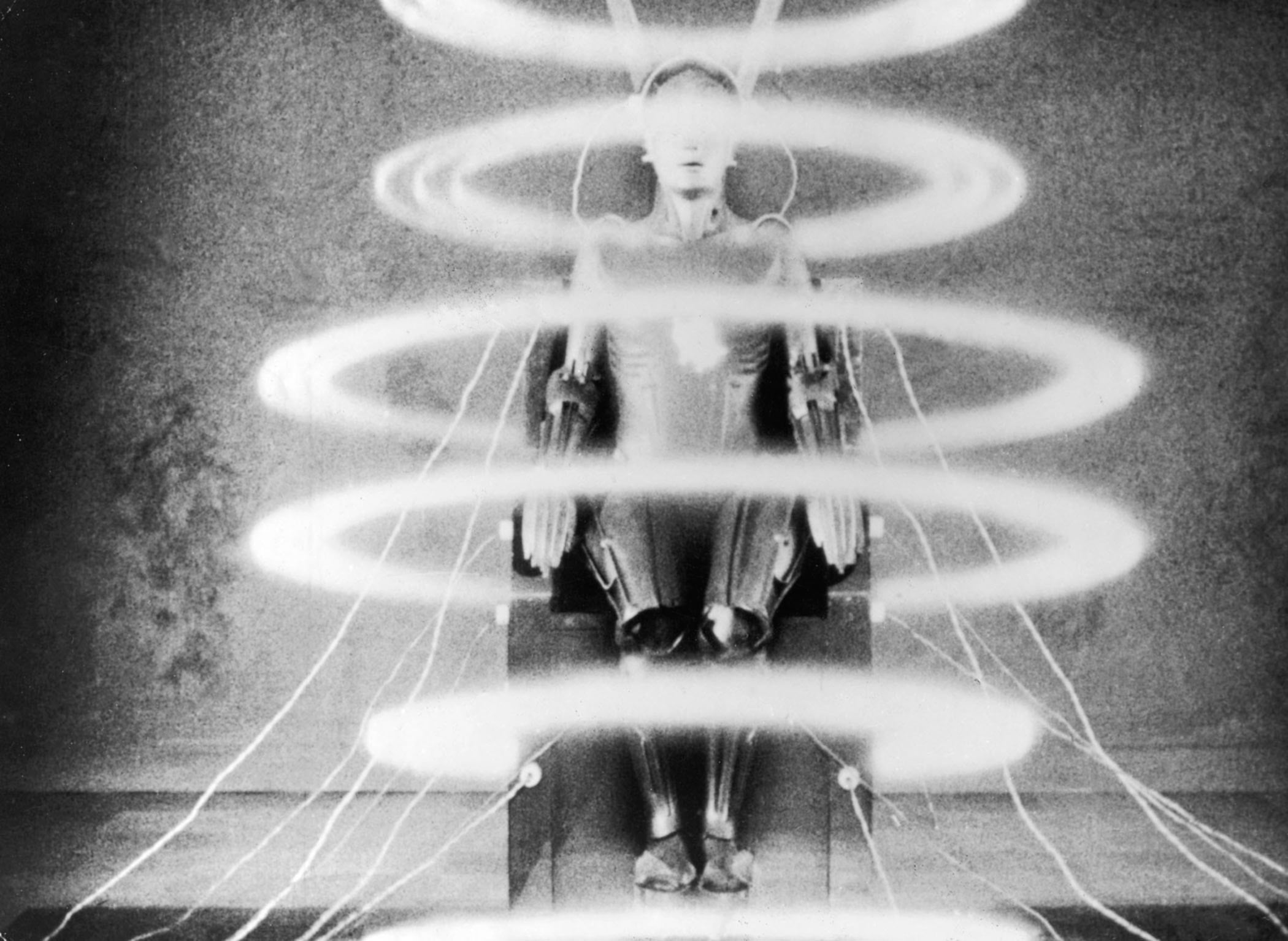

Brigitte Helm in "Metropolis".
Everett Collection
Fritz Lang’s canon science fiction film “Metropolis” embodies the peak of dramatized German expression that puts style at the forefront. The film’s icon status is in part thanks to Aenne Willkomm’s influential android suit—a costume predecessor to “2001 Space Odyssey,” “Star Wars,” and Mugler’s metallic “Robot Couture,” to name just a few.
“Letty Lynton” (1932)
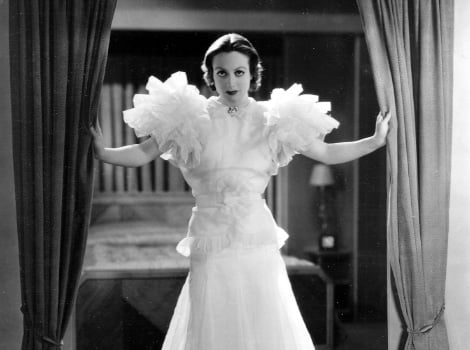

Joan Crawford in "Letty Lynton".
Everett Collection
While few modern audiences have seen the classic Hollywood film “Letty Lynton,” as it was withdrawn over plagiarism, its iconic puff-sleeve dress remains widely recognized among fashion historians. Designed by Adrian Greenberg—who is perhaps better known for his ruby red slippers on “The Wizard of Oz”—and worn by Joan Crawford, the dress inspired an onslaught of replicas that sold off the racks at Macy’s, demonstrating how the appeal of costume design can transcend the movie itself and infiltrate mass culture.
“To Catch A Thief” (1955)
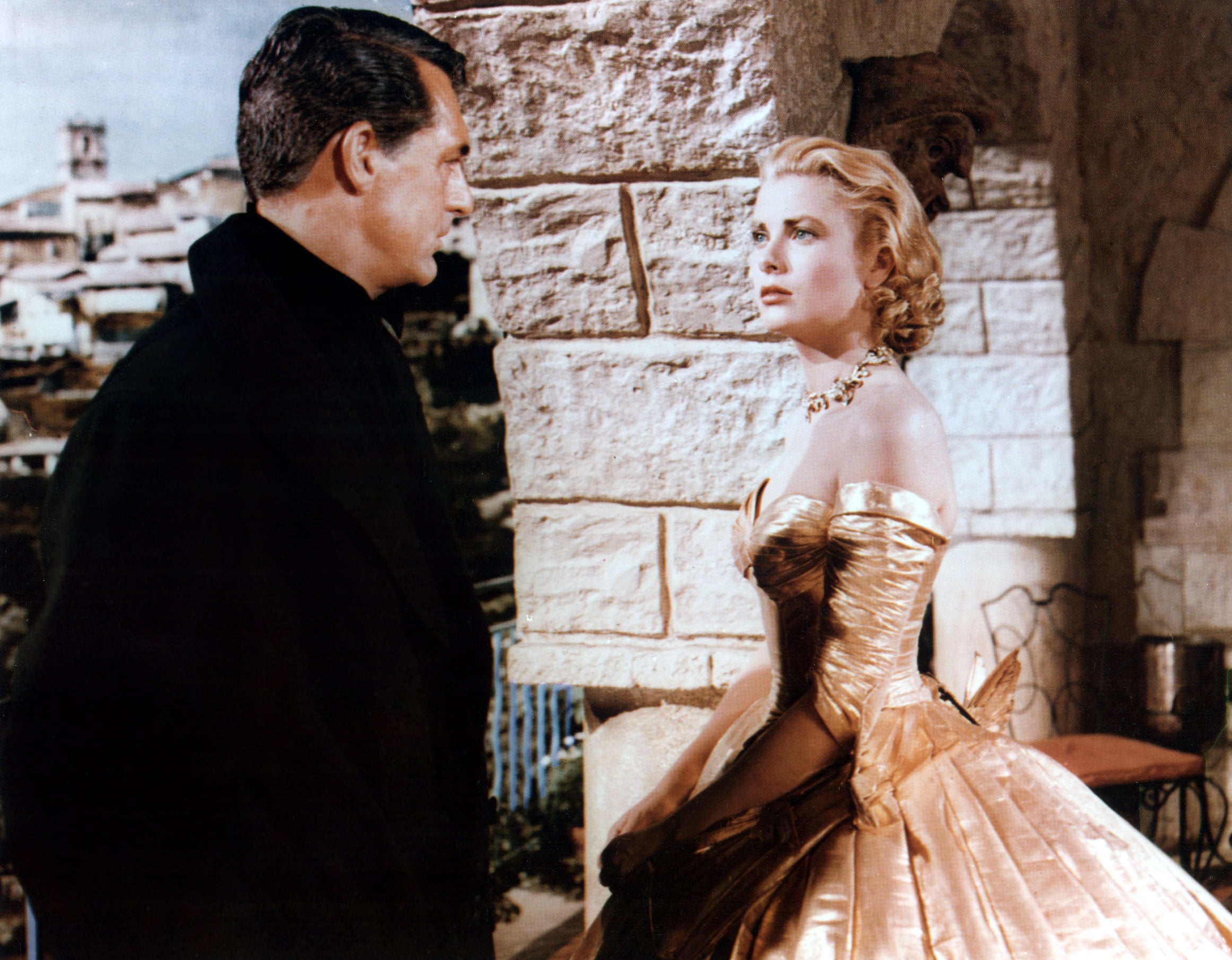

Cary Grant and Grace Kelly in "To Catch A Thief".
Everett Collection
We have Alfred Hitchcock to thank for the male gaze and Edith Head to thank for Frances Stevens’ (Grace Kelly) stunning blue dress and shawl in “To Catch A Thief.” Head brought a theatrical sensibility to the Golden Age of Hollywood, fashioning everything from “Roman Holiday” to “Breakfast at Tiffany's" with an eye for iconic costumes.
“My Fair Lady” (1964)
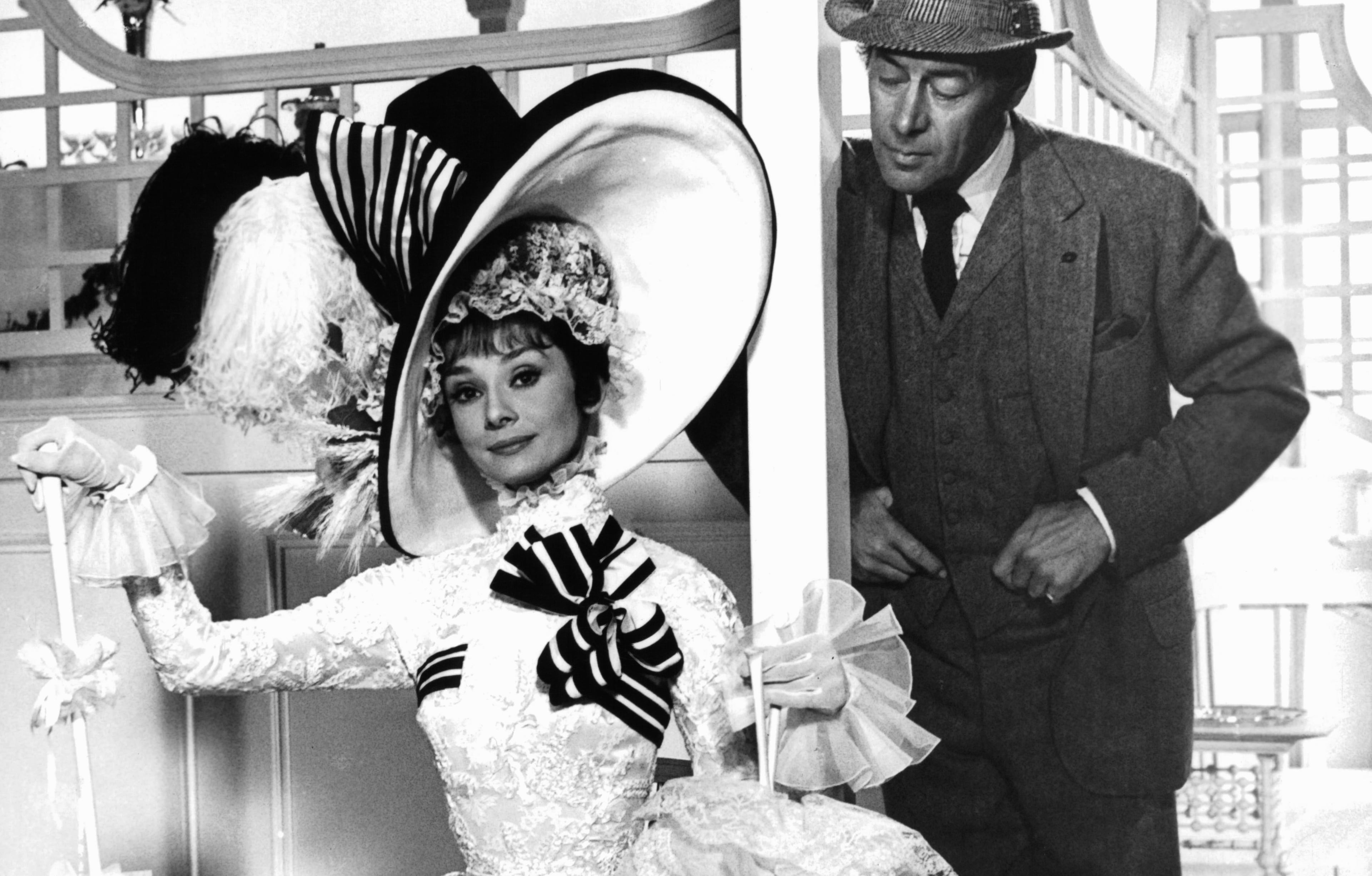
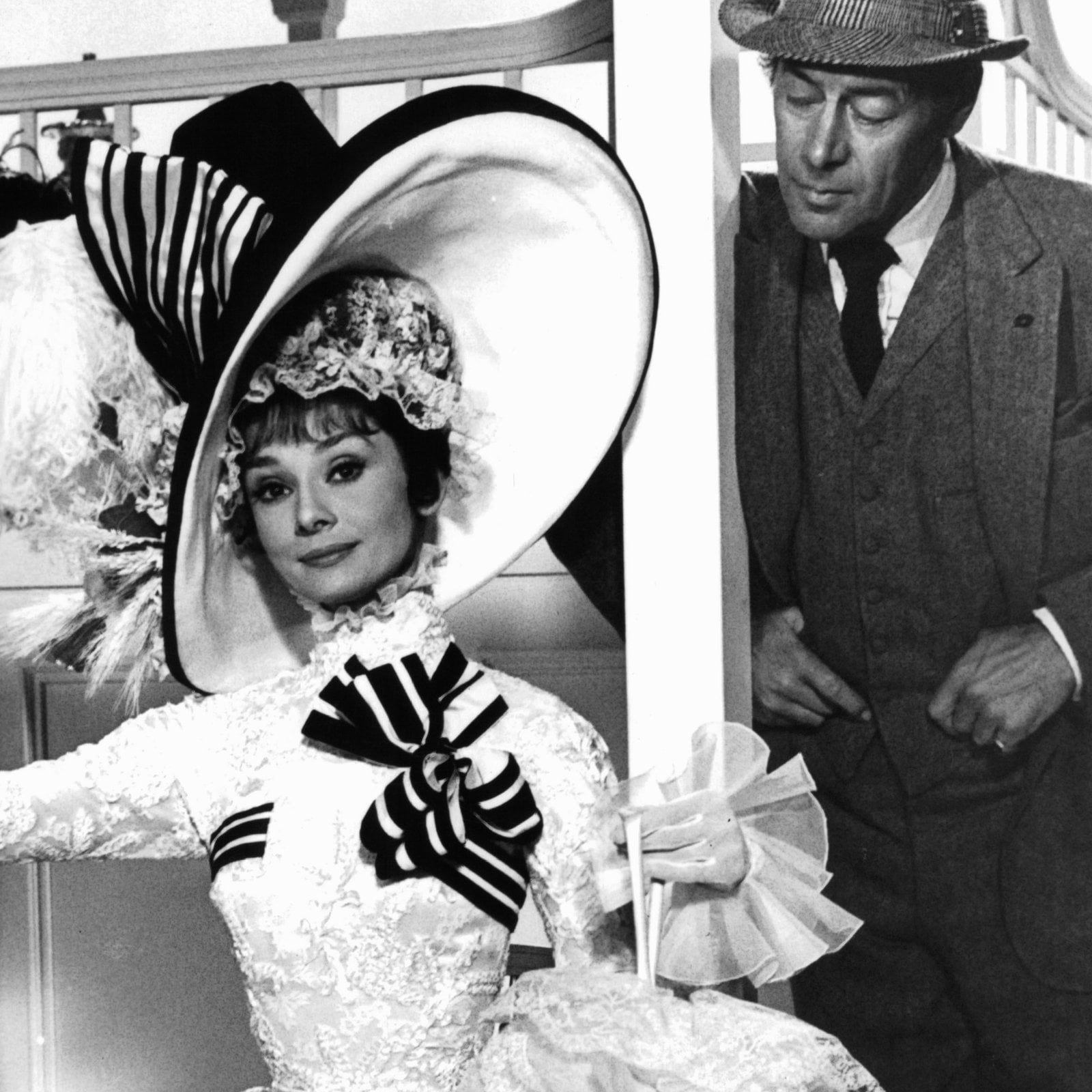
Audrey Hepburn And Rex Harrison In "My Fair Lady".
Getty Images
When fashion is woven into a film’s narrative, the costumes must rise to the occasion. In “My Fair Lady,” a story built on the transformation of a working-class flower seller into a polished socialite, that responsibility fell on the celebrated British photographer and Academy Award–winning costume designer Sir Cecil Beaton. Throughout the musical, he delivers a series of memorable looks, including Eliza Doolittle’s (Audrey Hepburn) black-and-white Ascot ensemble, complete with an iconic oversized hat.
“Rosemary’s Baby” (1968)
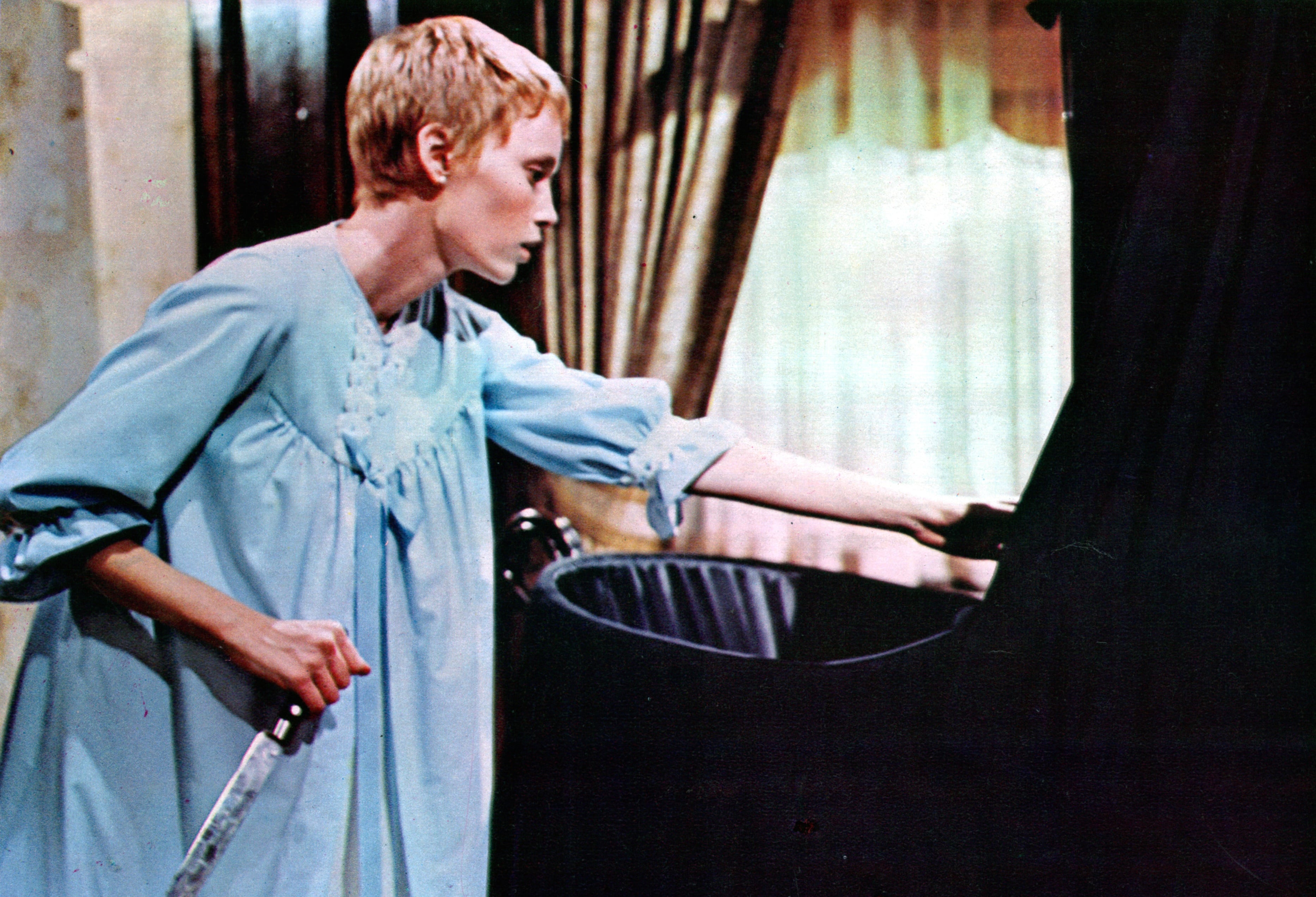

Mia Farrow in "Rosemary's Baby".
Getty Images
Before there was A24’s aestheticized brand of indie horror, there was Mia Farrow rocking a baby blue nightgown in “Rosemary’s Baby.” Costume designer Anthea Sylbert had a knack for making normal garments sinister, helping to define a whole new chapter of realistic costumes for modern film. According to Sarah Millman, the costume designer’s memory lives on in Pickle’s (Emma Chamberlain) costume in “Forbidden Fruits.”
“Amadeus” (1984)
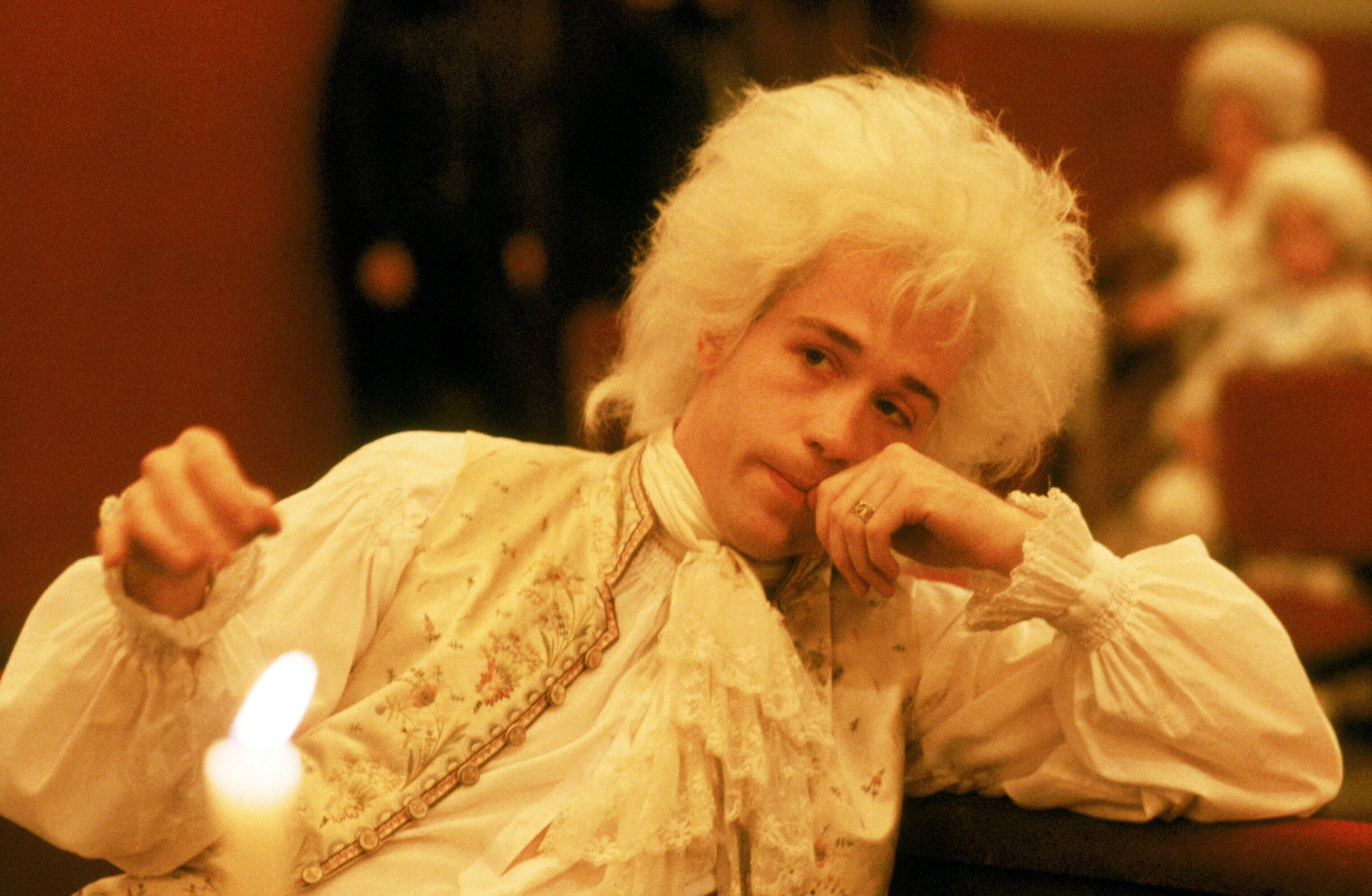

Tom Hulce in "Amadeus".
Warner Bros./Everett Collection.
Racecar driver-turned-costume designer Theodor Pištěk may have costumed movies to pay the bills, but that didn't prevent him from taking home the Academy Award for best costume design in 1984. The costumes of “Amadeus” bring the theatricality of 1800s fashion back to the screen, paying as much attention to its ensemble cast as it does to the lead composers. Adorned in candy pink wigs and decadent swan hats, every scene in “Amadeus” is rich with eccentricity and detail.
“Mad Max Beyond Thunderdome” (1985)
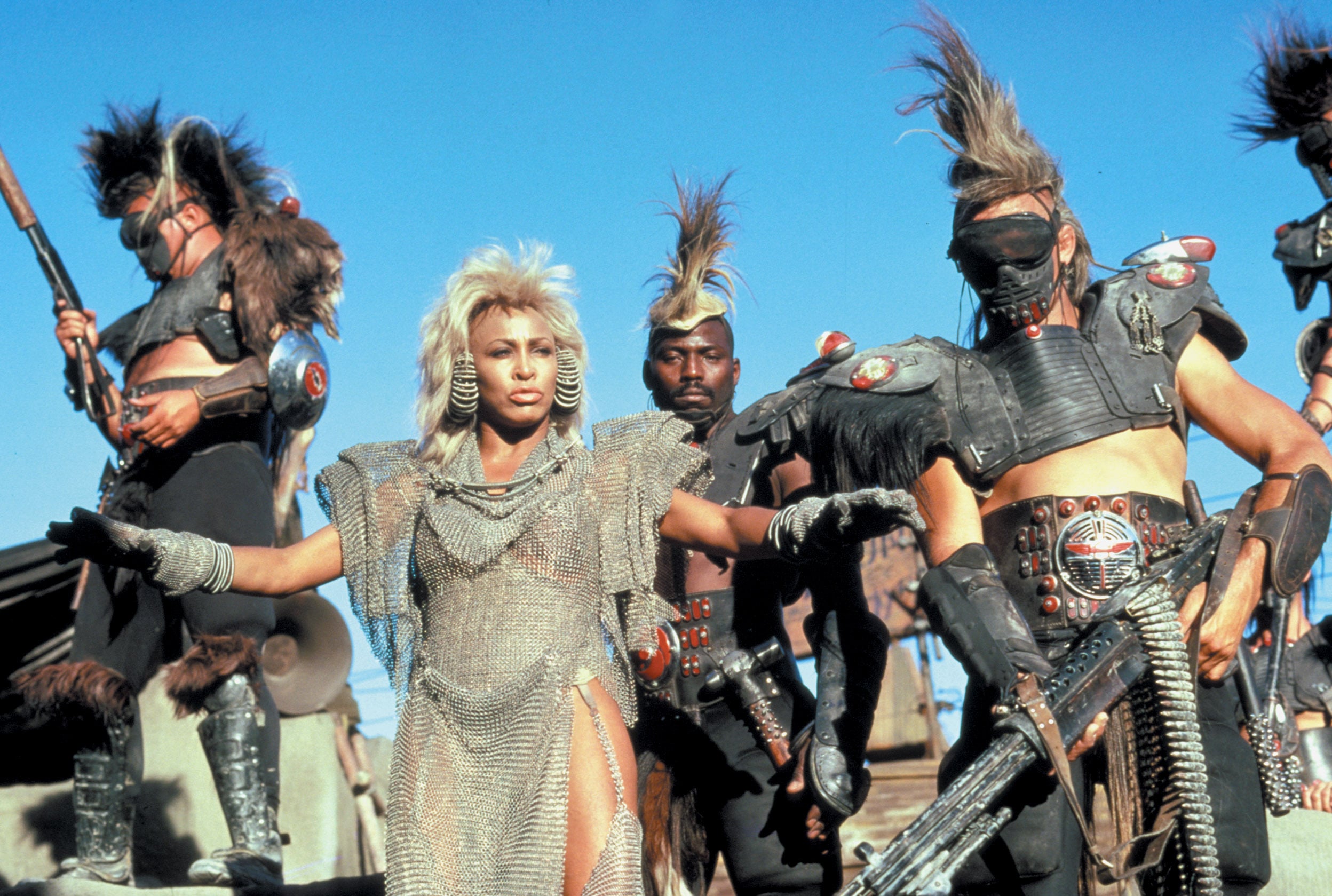

Tina Turner in "Mad Max Beyond Thunderdome".
Warner Brothers/Everett Collection
The original ‘80s “Mad Max” is the rare type of franchise that birthed an entire aesthetic. Norma Moriceau, the costume designer of the series’ third installment, “Mad Max Beyond Thunderdome,” is in part to thank. Her silver chainmail mini dress on Tina Turner’s “Aunty Entitty” lives rent-free in the mind of many a moviegoer and is the type of garment that has earned its own fanbase. In 2015, another industry legend, Jenny Beavan, was the successor of the modernistic desert aesthetic for “Mad Max: Fury Road.”
“Edward Scissorhands” (1990)
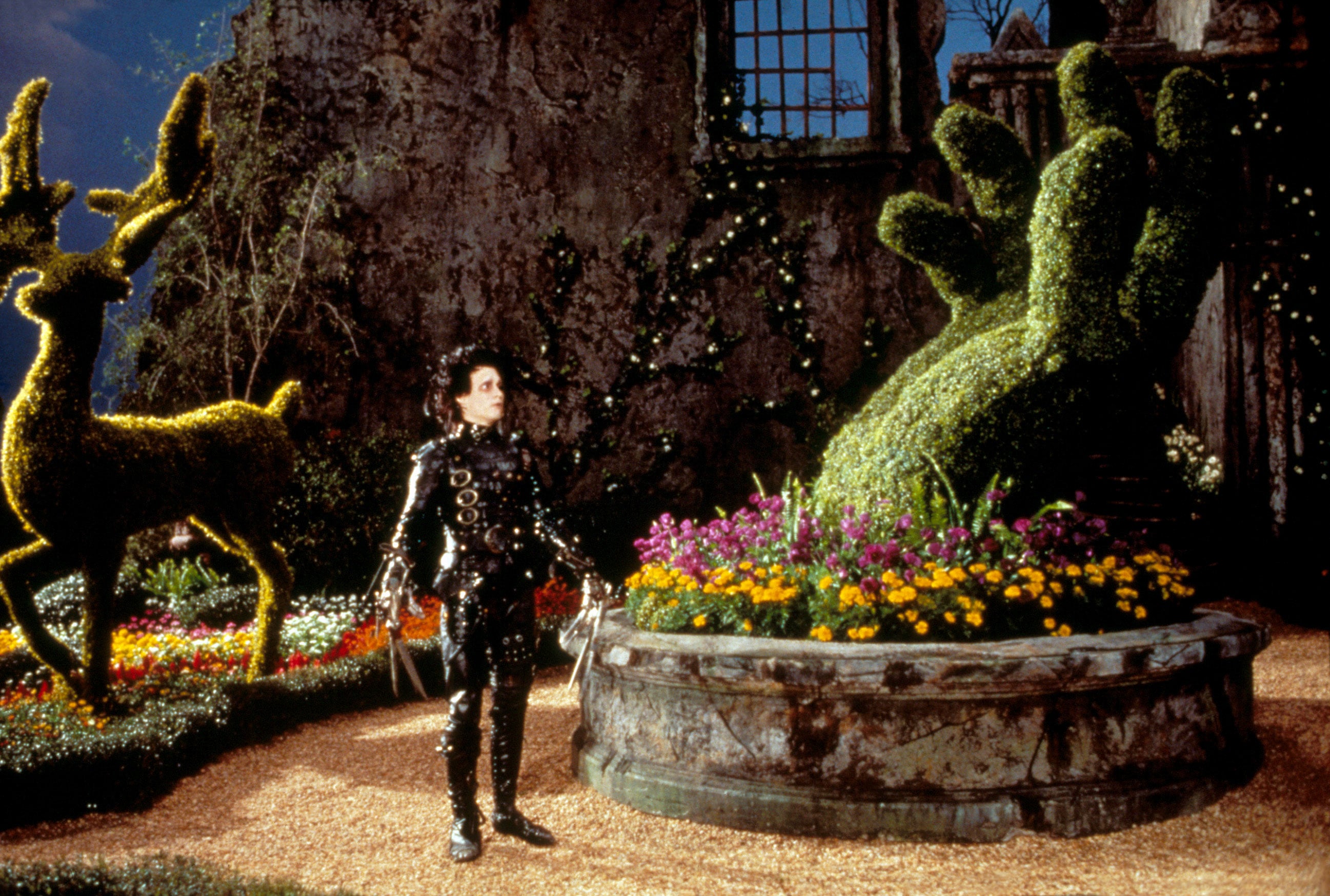

Johnny Depp in "Edward Scissorhands".
20th Century Fox Film Corp/Everett Collection
No list of costume designers is complete without mention of Colleen Atwood, the mastermind behind Tim Burton’s aesthetically renowned “Edward Scissorhands.” Rewatching the film today, Edward’s scissor-clad gloves and leatherbound suit stand the test of time. Especially when juxtaposed against the pastels of the film’s saccharine, suburban ensemble cast.
“Orlando” (1992)
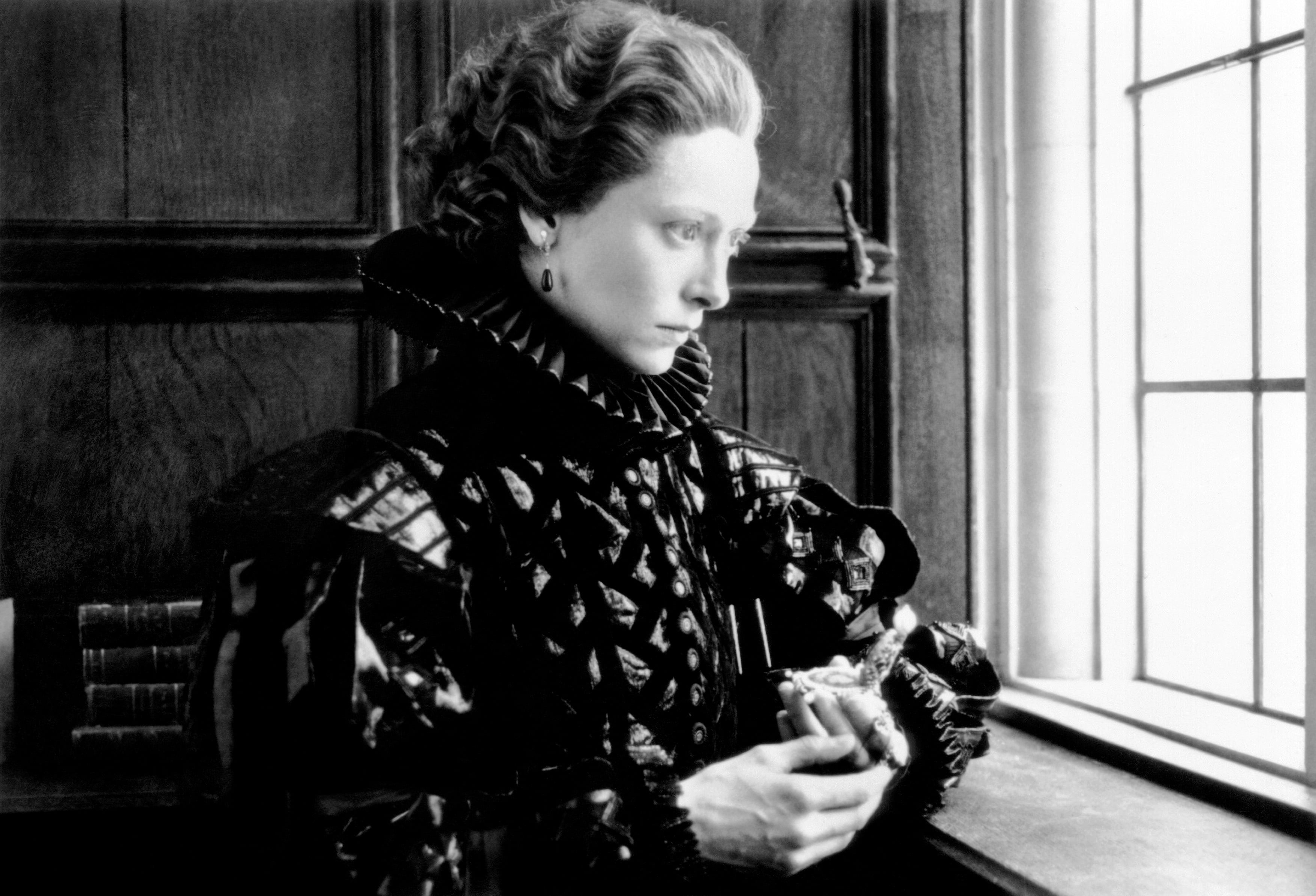

Tilda Swinton in "Orlando".
Sony Pictures Classics/Everett Collection
From the Elizabethan era to the 1990s, Sandy Powell fashions the protagonist of “Orlando” across changing centuries, historical moments, and even genders. Resurrected by Hunter Schafer on the 2025 Vogue World runway, the film is perhaps known for its brown velvet Elizabethan bloomers and jacket.
“The Fifth Element” (1997)
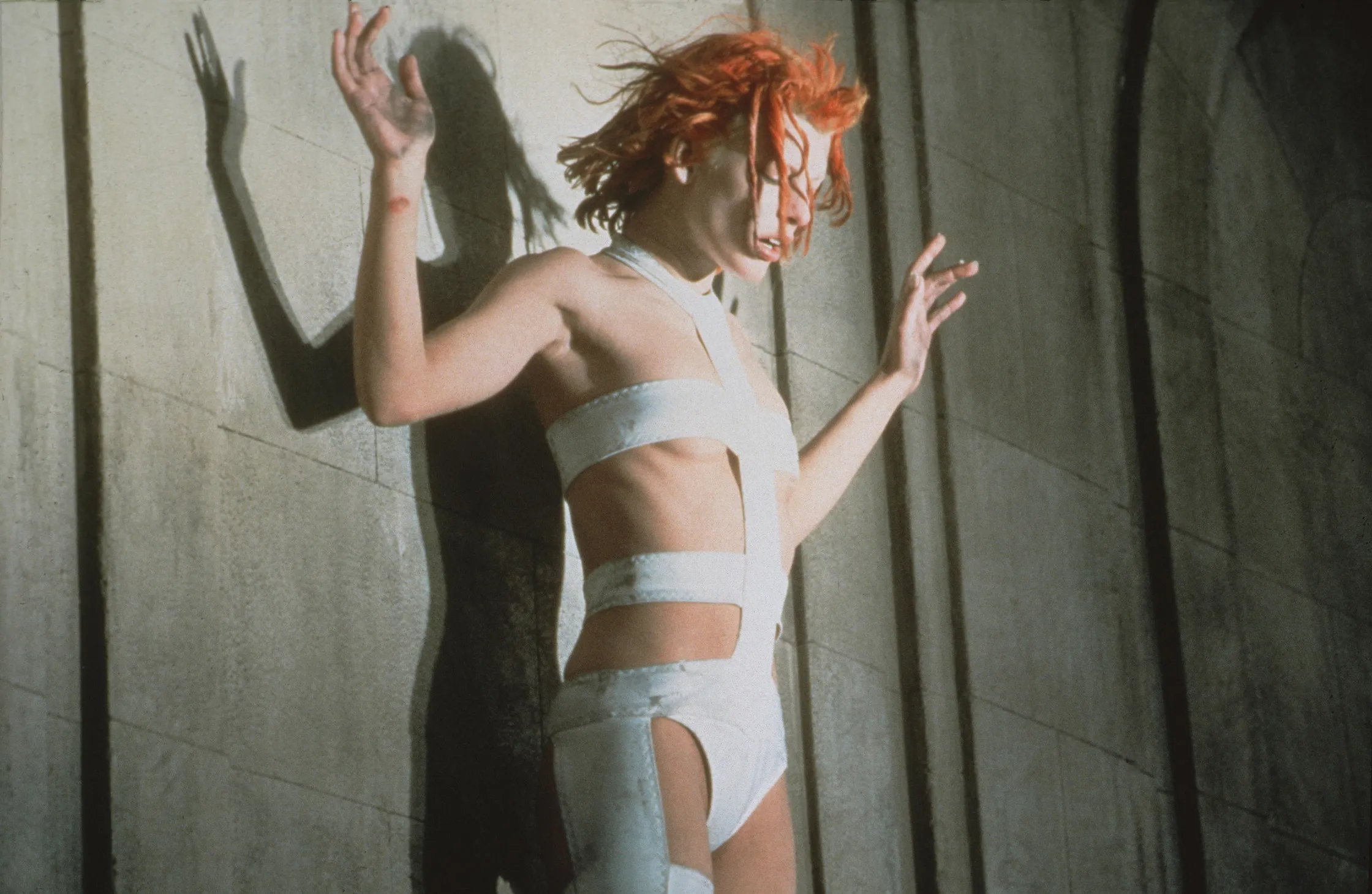

Milla Jovovich in "The Fifth Element".
Everett Collection
Any project involving Jean Paul Gaultier is bound to be fabulous, so it's no surprise that his costumes for the futuristic ‘90s flick “The Fifth Element” left a lasting imprint. Gaultier’s collection of 1000+ bright and modern looks—including Leeloo’s iconic bandage bodysuit—brought an equal parts playful/ high fashion sensibility to the science fiction genre.
“Almost Famous” (2000)
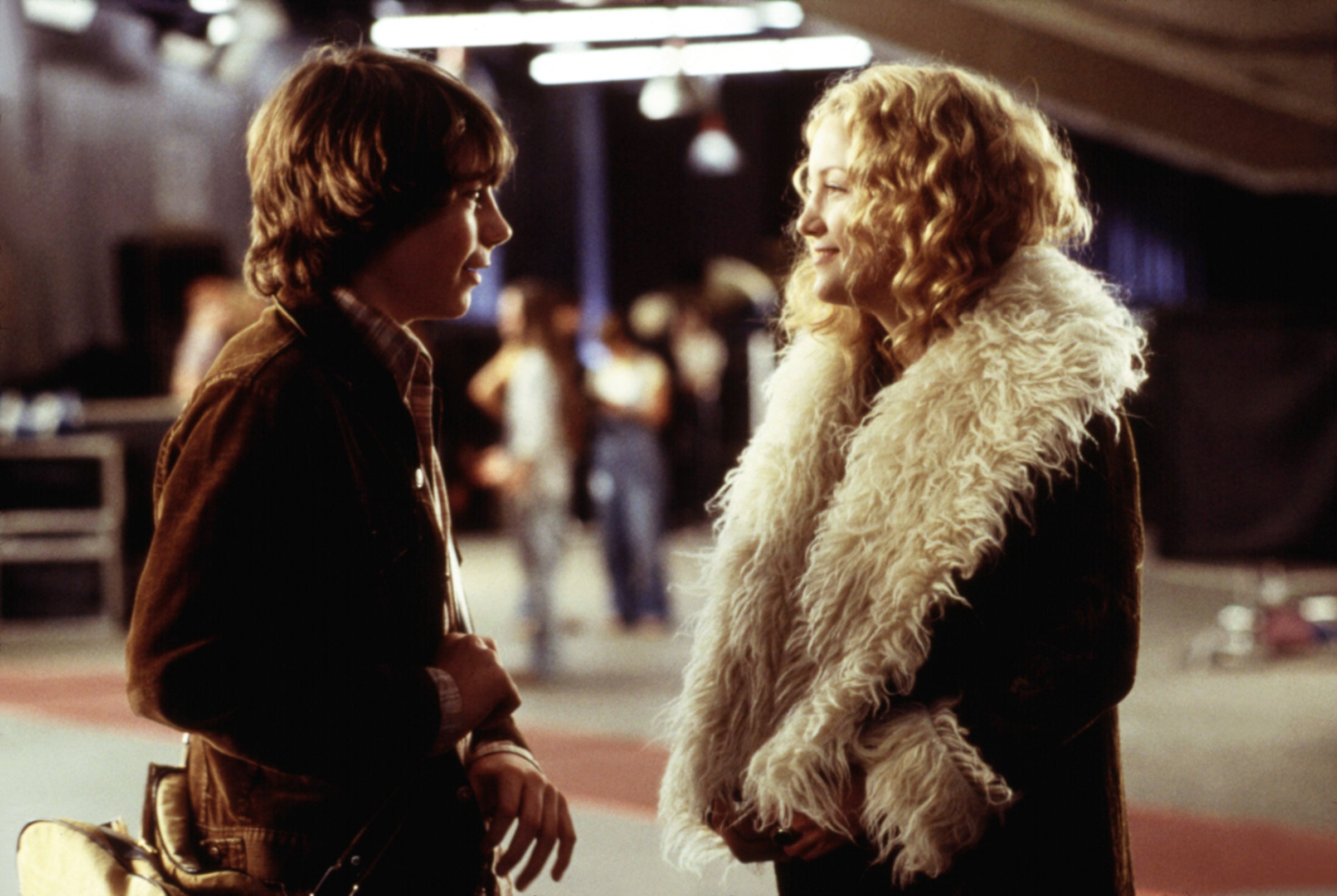

Patrick Fugit and Kate Hudson in "Almost Famous".
Everett Collection
While the rest of this list skews fantastical, there is something to be said for resurrecting a bygone era with both innovation and accuracy. Betsy Heimann is known for creating all of the costumes for “Almost Famous” with the exception of 501 Levi jeans. The film’s most iconic look, the Penny Lane Jacket, transports you right back to the 1970s despite being made out of a repurposed Urban Outfitters rug.
“Moulin Rouge!” (2001)
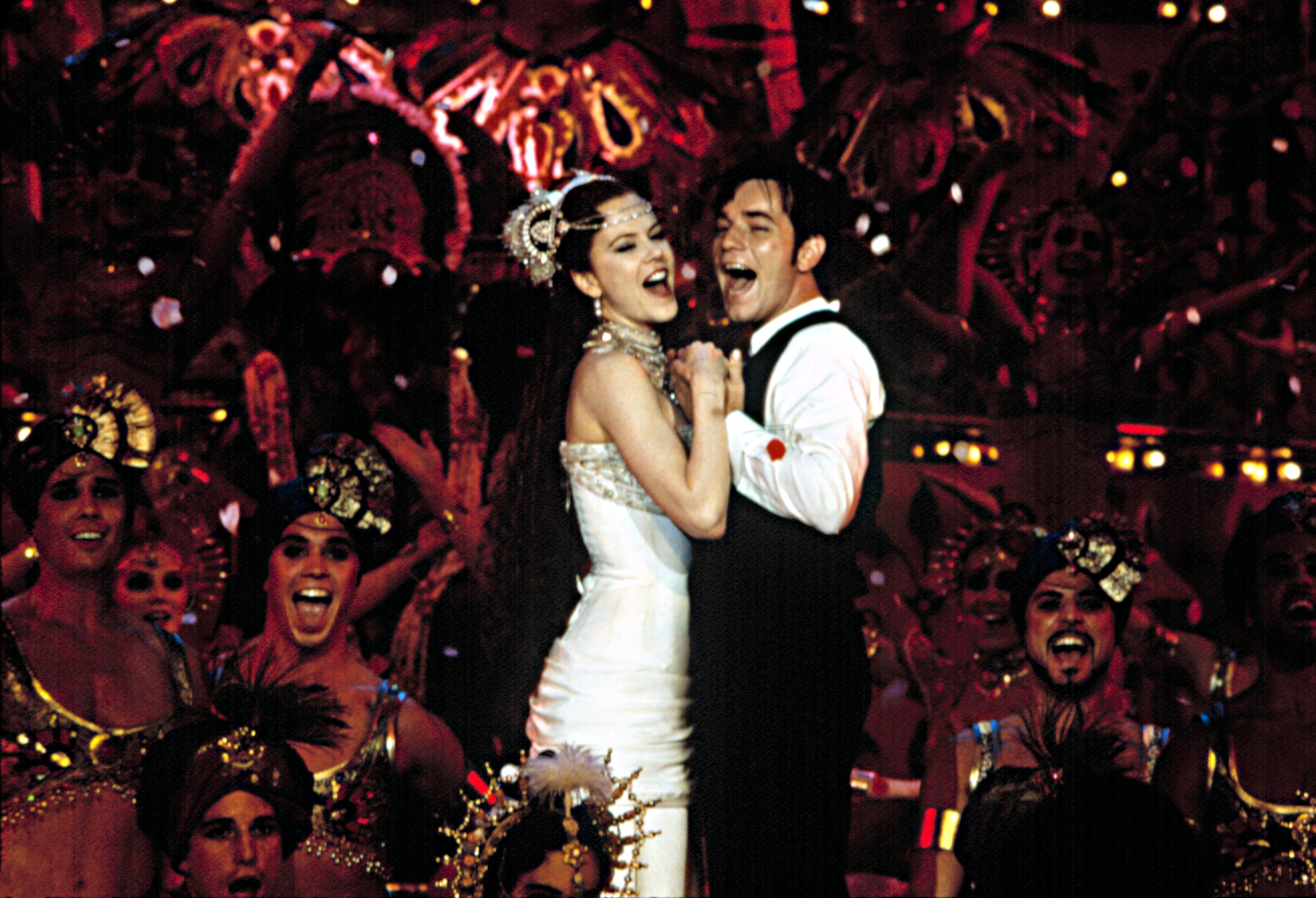

Nicole Kidman and Ewan McGregor in "Moulin Rouge."
Everett Collection
Equal parts musical, historical, and bedazzling, Baz Luhrmann’s “Moulin Rouge!” is the holy trifecta for fashion in film. Costume design duo Catherine Martin and Angus Strathie took a historically accurate approach to the film’s costuming, even consulting the Metropolitan Museum of Art’s archives for period-accurate inspiration. Between Satine’s (Nicole Kidman) diamond-encrusted show-suit and draped red ball gown, it is hard to pinpoint a favorite, or even most iconic, look from the film.
“Kill Bill: Volume 1” (2003)
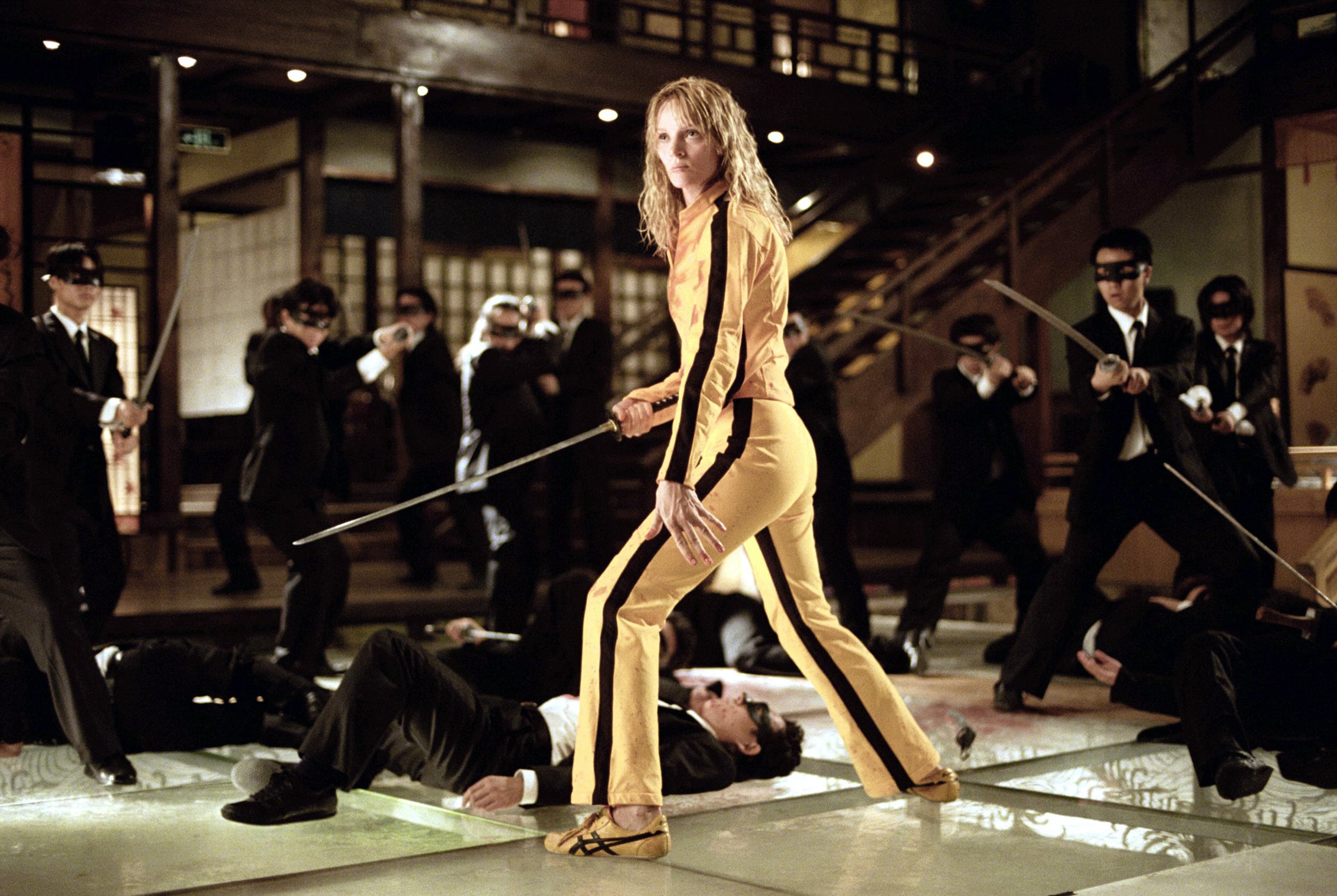

Uma Thurman in "“Kill Bill: Volume 1”.
Miramax/courtesy Everett Collection
If the black and yellow Onitsuka Tiger Mexico 66 sneakers of 2020’s fashion virality look like they were taken off the set of the “Kill Bill” trilogy, that’s because they were. Before the sneakers graced the feet of Kaia Gerber and Kendall Jenner, they were selected by Catherine Marie Thomas as practical, stunt-ready footwear for The Bride. Thomas’ street style approach to costuming a female heroine, inspired by Y2K Prada athleisure, has stood the test of time and inspired many a Halloween costume.
"Marie Antoinette" (2006)
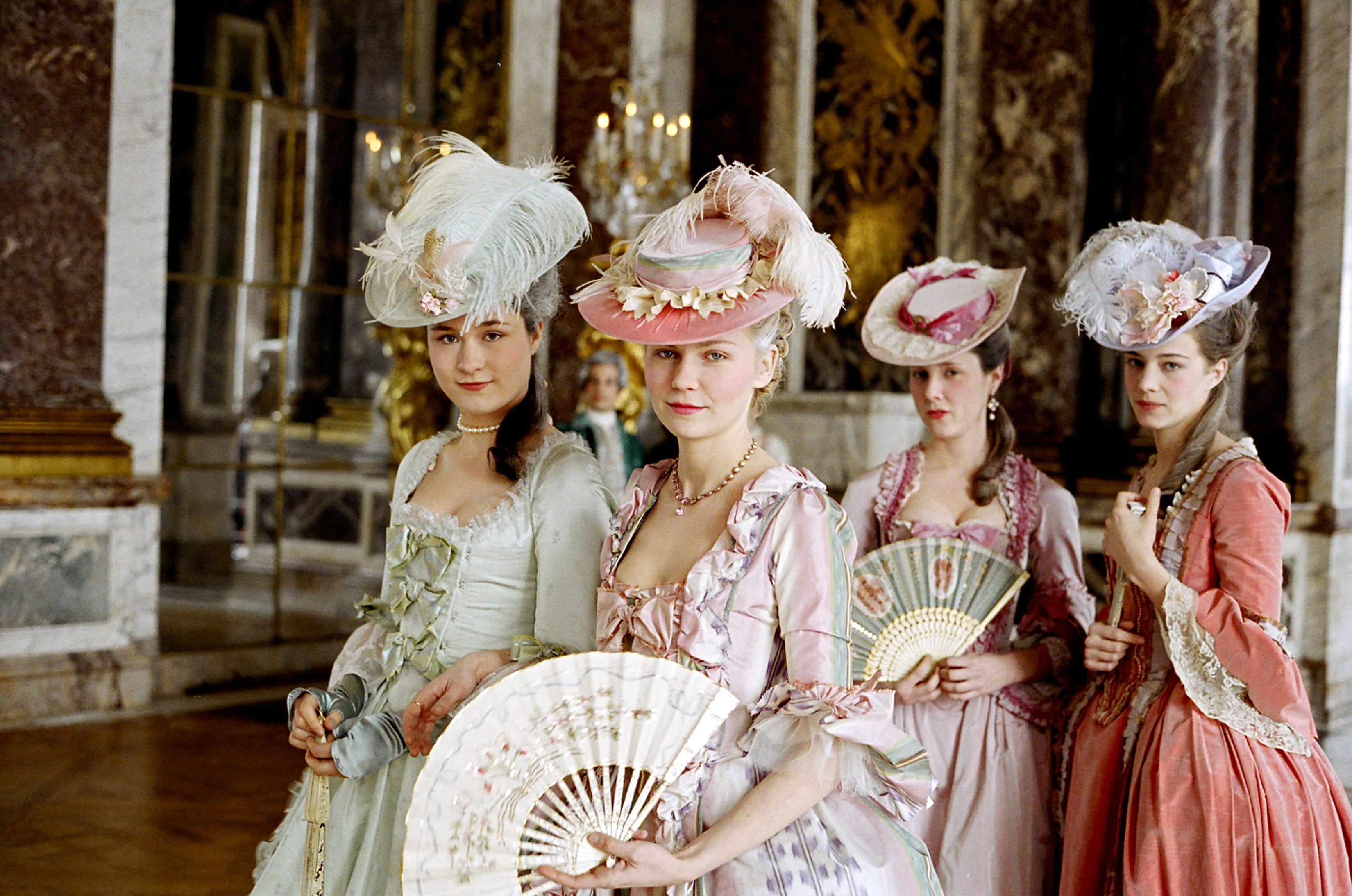

Kirsten Dunst in "Marie Antoinette".
Sony
Sofia Coppola will always be famous for planting a pair of blue Converse sneakers among a pile of otherwise period heels in “Marie Antoinette.” Known for injecting a modern edge into the period drama genre, Milena Canonero’s approach to revisionist history dressing set a new, girlish precedent for period pieces and helped define Coppola’s aesthetic for many inspired Pinterest boards to come.
"Anna Karenina" (2012)
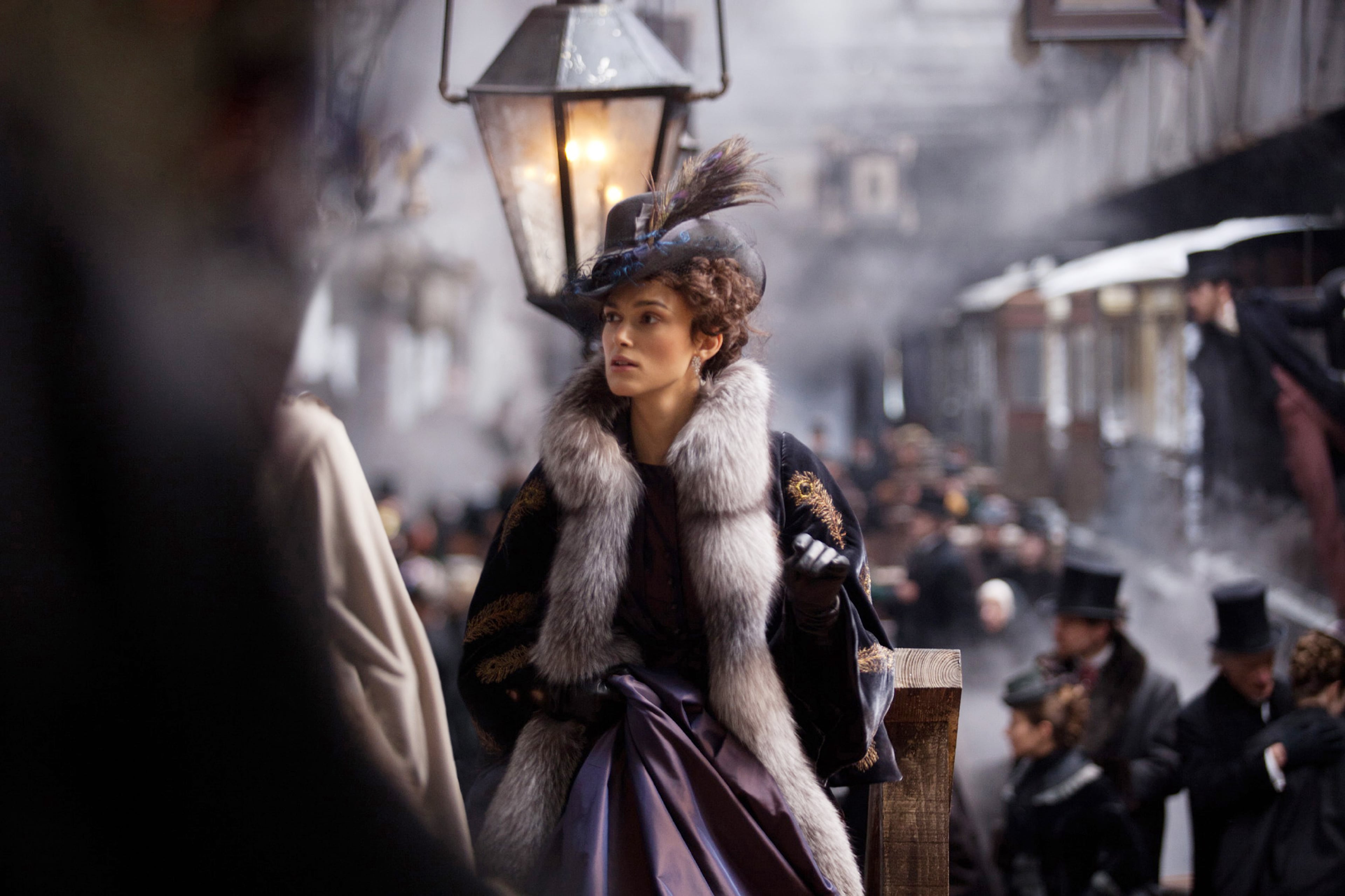

Keira Knightley in "Anna Karenina".
Focus Features
Throughout her illustrious career, spanning “Pride and Prejudice” to “Wuthering Heights,” Jaqueline Durran has tackled many period romances. But perhaps her most memorable work was in “Anna Karenina,” which took home the Academy Award for Best Costume Design in 2013 for its array of showstopper 1950s ballgowns, ridden in symbolism.
"Frankenstein" (2025)
.jpg&w=3840&q=85)

Mia Goth in "Frankenstein".
Netflix
After the movie swept the craft categories at the 98th Academy Awards, there is no denying the film’s achievements in worldbuilding via skilled artistry. For the film's breathtaking costumes, Kate Hawley took a natural approach to Elizabeth’s varied wardrobe, injecting botany-inspired details into the sleeves of every dress.
"Mother Mary" (2026)
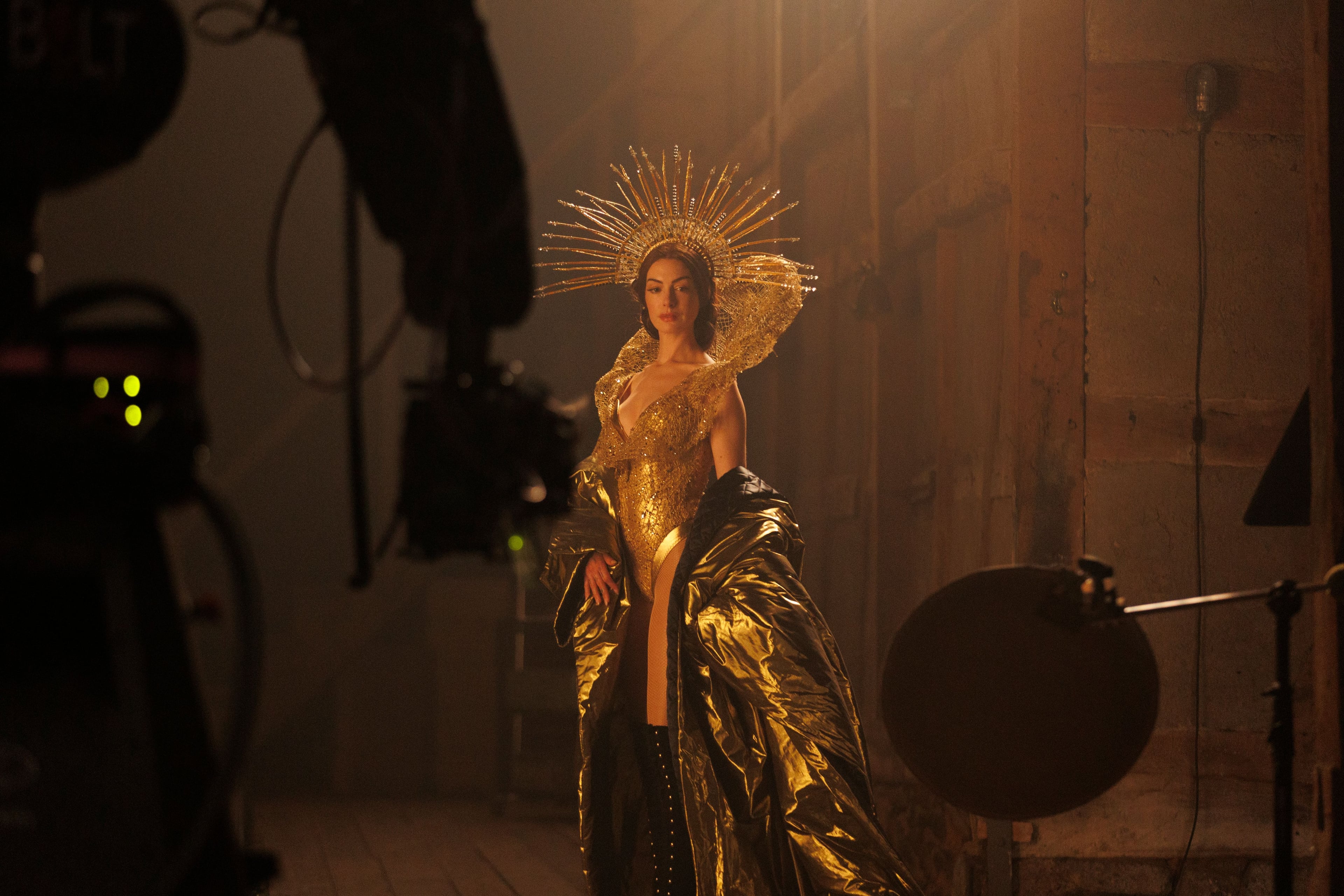

Anne Hathaway in "Mother Mary".
A24
For a screenplay that entirely revolves around the creation of a dress, Bina Daigeler rose to the occasion in creating a hauntingly extravagant wardrobe. In “Mother Mary,” Daigeler’s costumes operate on a three-fold level, depicting popstar theatricality, religious iconography, and a deeper, character-driven symbolism.