
‘MobLand’ Season 2 Uses Fashion to Tell the Story of Its Changing Power Players
Fashion
Costume designer Rebecca Hale talks through dressing Helen Mirren's maximalist mob matriarch, nailing the look of the show's younger generation, and dressing this season’s sartorially unsettling new villain.
Returning to a television series has its advantages, particularly when it comes to costume design. Having already spent an entire season getting to know the characters, their personalities, and their wardrobes, there is an opportunity when season two rolls around to push things further and evolve the personal styles of key characters alongside the story.
For Rebecca Hale, returning to Paramount+'s “MobLand” for its second season felt a little like coming home. Having established the show's sartorial identity in season one, the costume designer was able to approach the latest instalment with a deeper understanding of the characters and the people playing them. “I suppose I feel like it's my baby,” she says. “I love the writing, and I love the team as a whole. We're like one great big family, really.”
That familiarity also meant she could be more instinctive in developing the wardrobes. While the overall tonal palette remained consistent, certain characters were ready for a change. And, as Hale sees it, some of the most interesting transformations are happening among the show's women, whose influence over the criminal underworld is increasingly coming into focus. “The female power base comes more to the forefront in season two,” she says. “They've always been in the background, but they've been holding the puppet strings before, more subtly.”
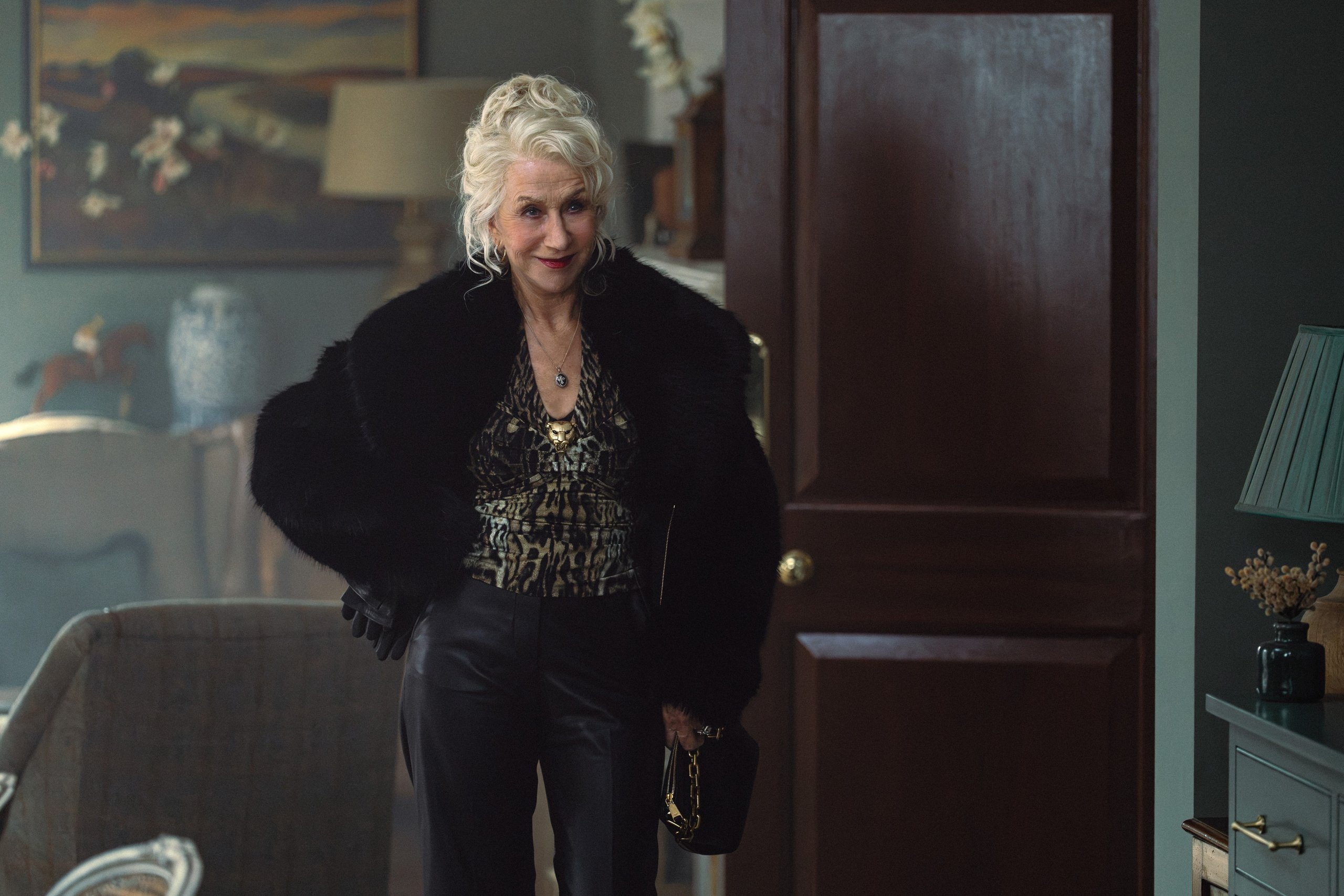

Helen Mirren in "MobLand" season two.
Paramount+
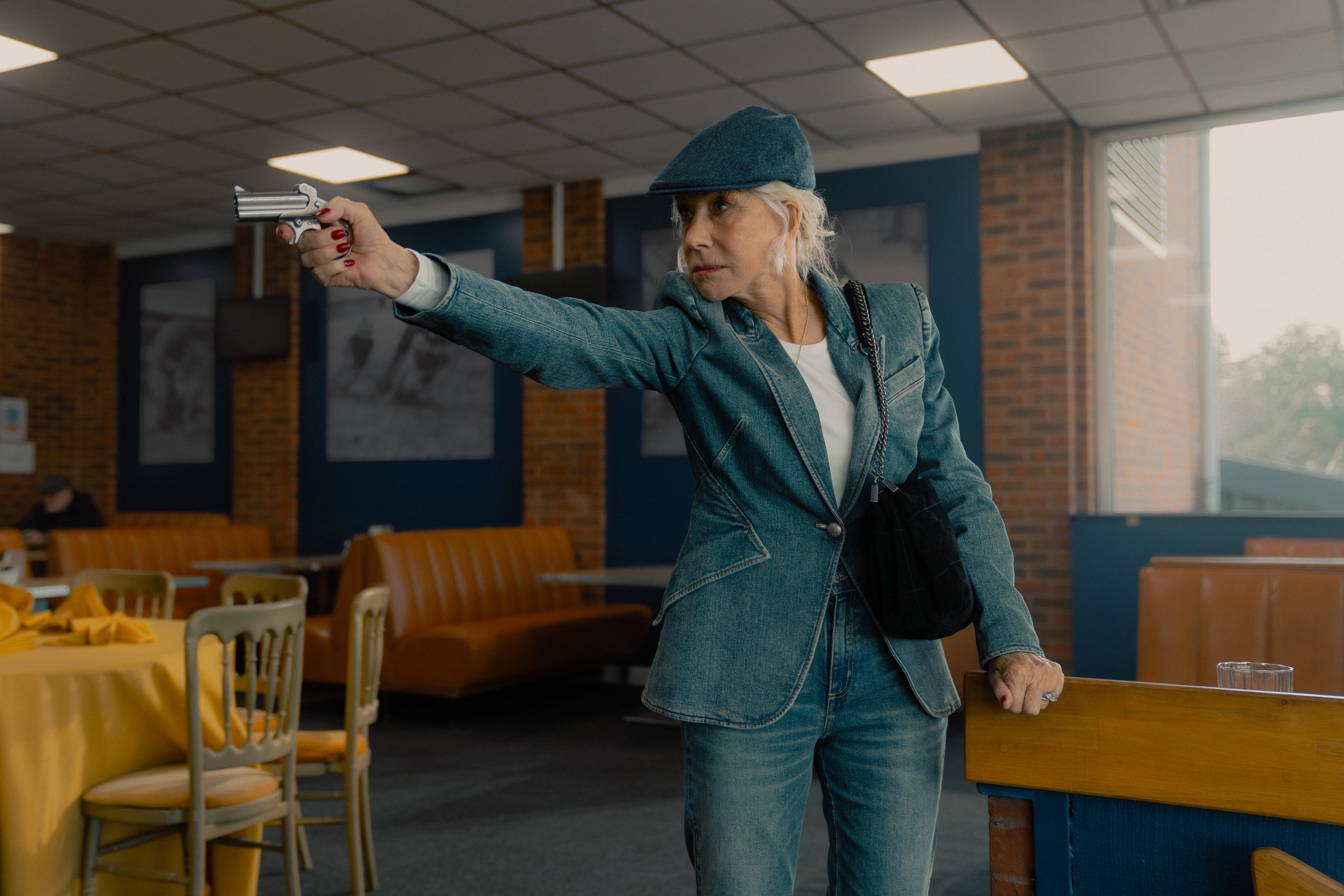

Helen Mirren in "MobLand" season two.
Paramount+
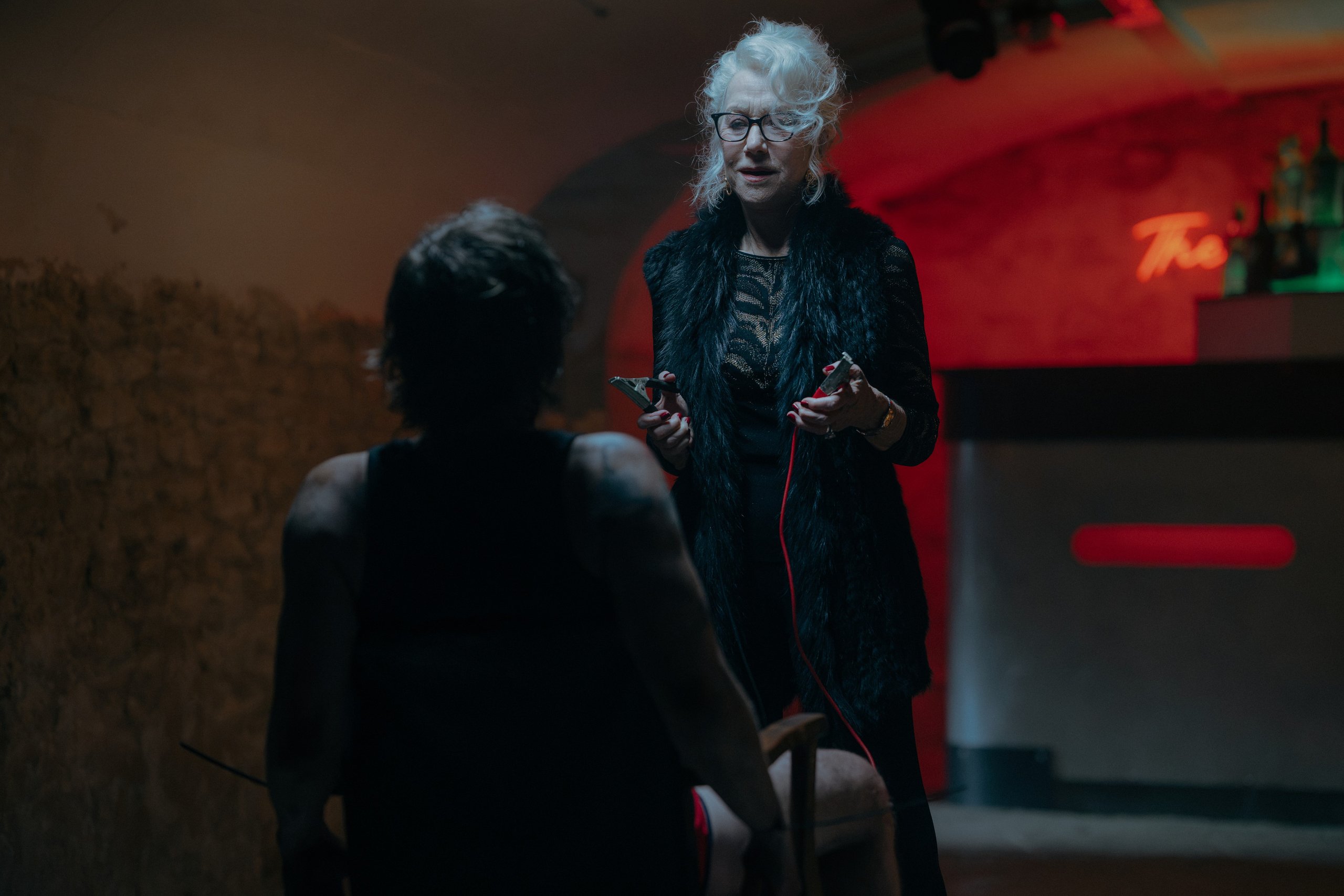

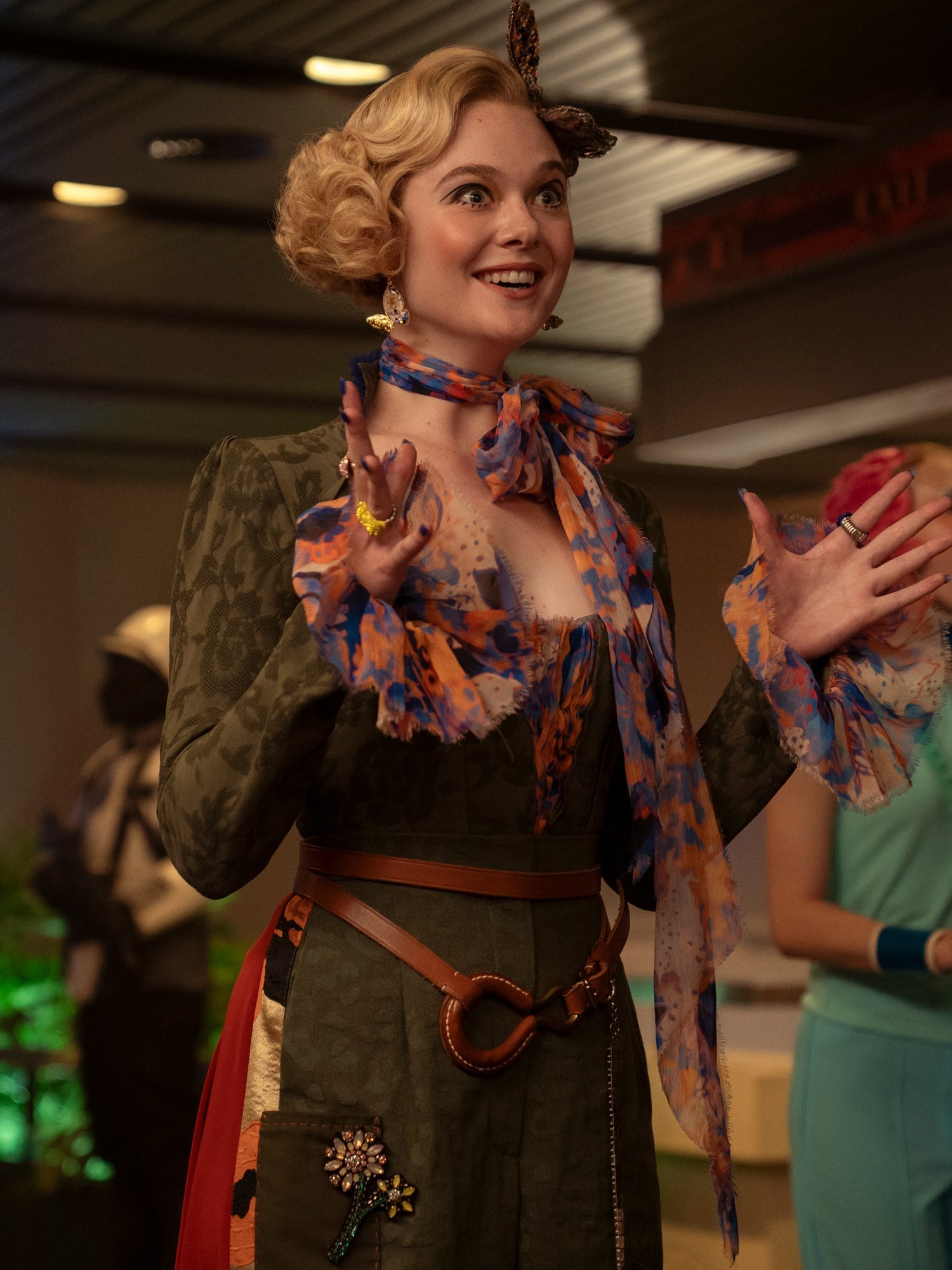
Helen Mirren in "MobLand" season two.
Paramount+
Few characters embody that power quite like Helen Mirren's Maeve Harrigan. A formidable presence in the Harrigan family, Maeve's wardrobe is every bit as commanding as her personality. When first developing the character with Mirren, Hale arrived at a rather brilliant combination of references: “Lady Macbeth meets the Kardashian family matriarch,” with a healthy dose of the glamorous older women Hale says she’s observed in trips to Naples, which holds a defining place in the history of organized crime. “They always look extremely glamorous. They love a bit of Roberto Cavalli, and leopard skin mixed with cheetah print,” Hale notes. As such, we see all of this on Maeve in season two, with the maximalist nature of her wardrobe “just getting more and more heightened as the story develops.”
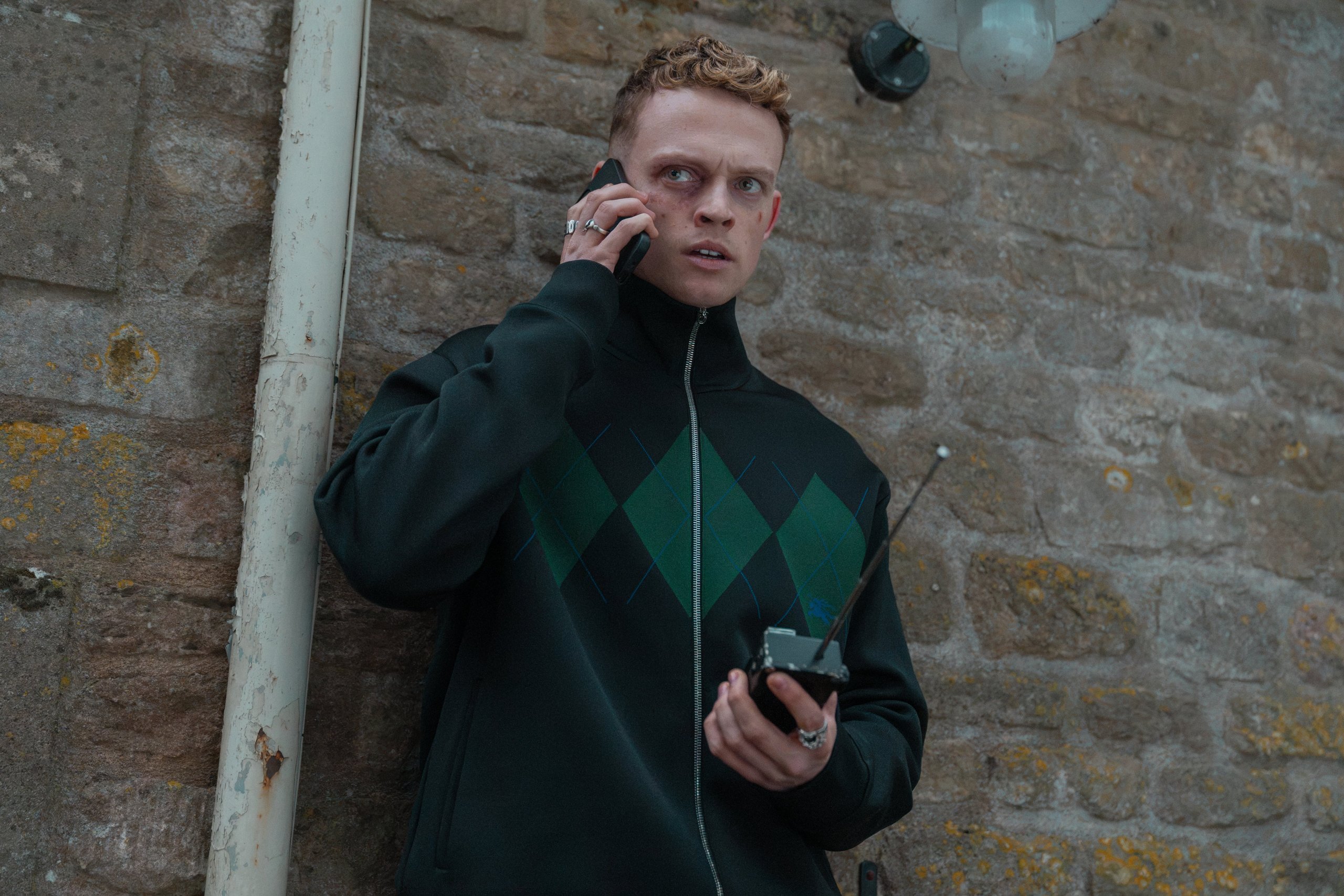

Anson Boon in "MobLand" season two.
Paramount+
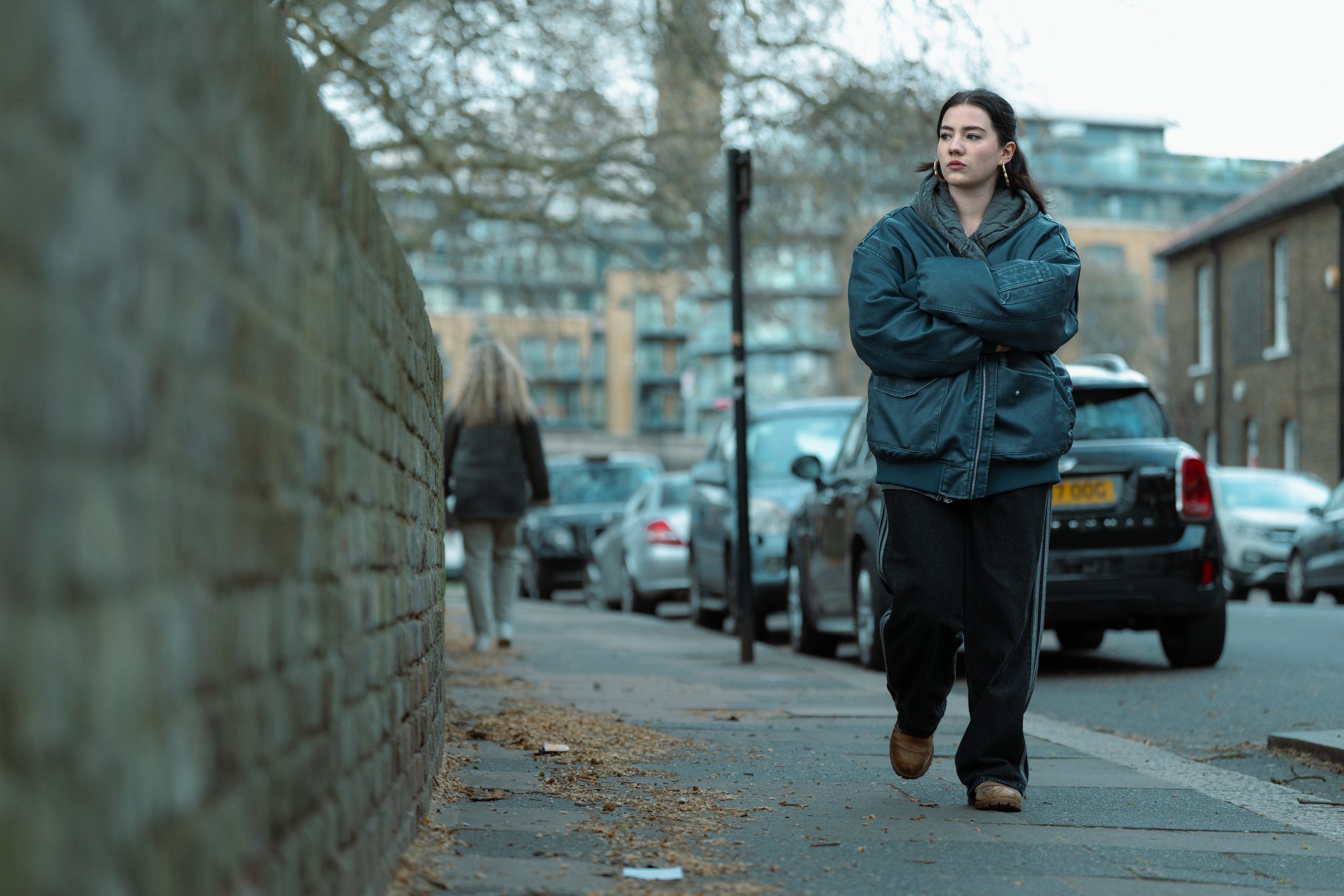

Teddie Allen in "MobLand" season two.
Paramount+
Anson Boon in "MobLand" season two.
Paramount+
Teddie Allen in "MobLand" season two.
Paramount+
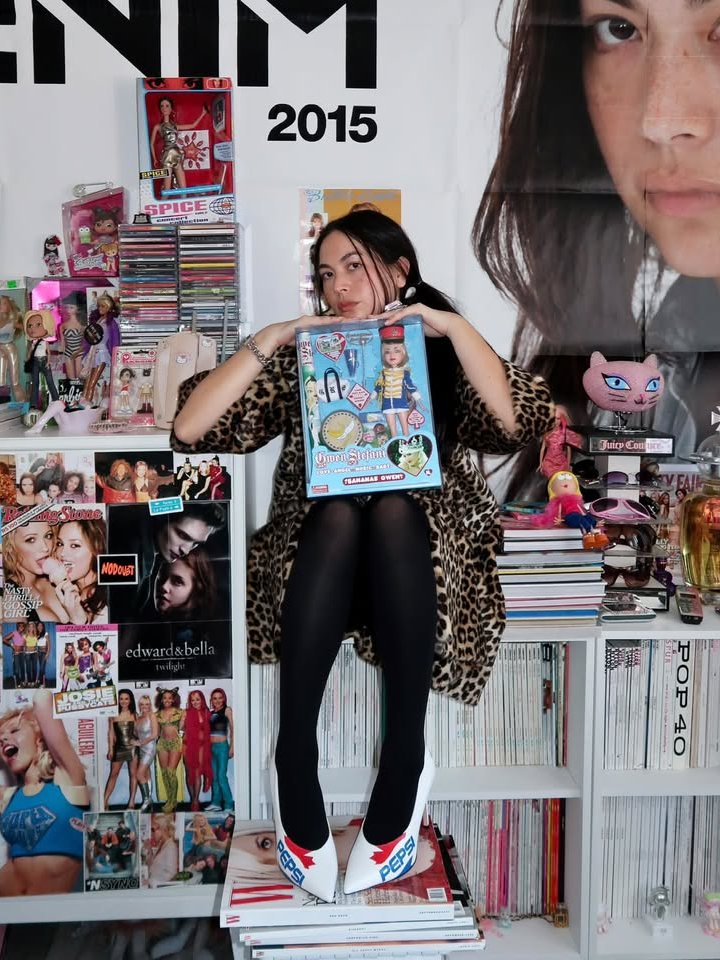
While Maeve remains relatively consistent in her style, the younger women are undergoing more noticeable transformations. Gina (Teddie Allen), in particular, has come a long way since her schoolgirl days. Previously an academically minded teenager, secretly at odds with her father Harry’s (Tom Hardy) criminal activities but still harbouring a certain admiration for him, she has now emerged as a fully fledged player in the family business. Her wardrobe reflects that shift. “She suddenly went from being a schoolgirl and being a bit swotty to suddenly a full-blown gangster girl,” Hale says. More sexually confident and increasingly aware of how she can use her appearance to her advantage, Gina's clothes become something of a foil for her newfound power and cunning.
That doesn't necessarily mean adopting the same wardrobe as her partner in crime, Eddie. (Anson Boon) Although the pair are now something of a team, their approaches to fashion remain quite different. Gina's look is still rooted in London streetwear, with Adidas and Topshop name-checked by Hale as staples in her wardrobe. Eddie, meanwhile, is considerably more of a peacock. Describing him as a “spoilt London kid,” Hale says she to a very particular corner of contemporary British culture when developing his wardrobe: the offspring of famous musicians and footballers. “I took directives from a lot of nepo babies that are in the limelight,” she says. “It's not difficult. You look at the Gallagher boys, you look at the Beckhams. You've got such a huge canvas to be inspired by, and then you develop it further.”
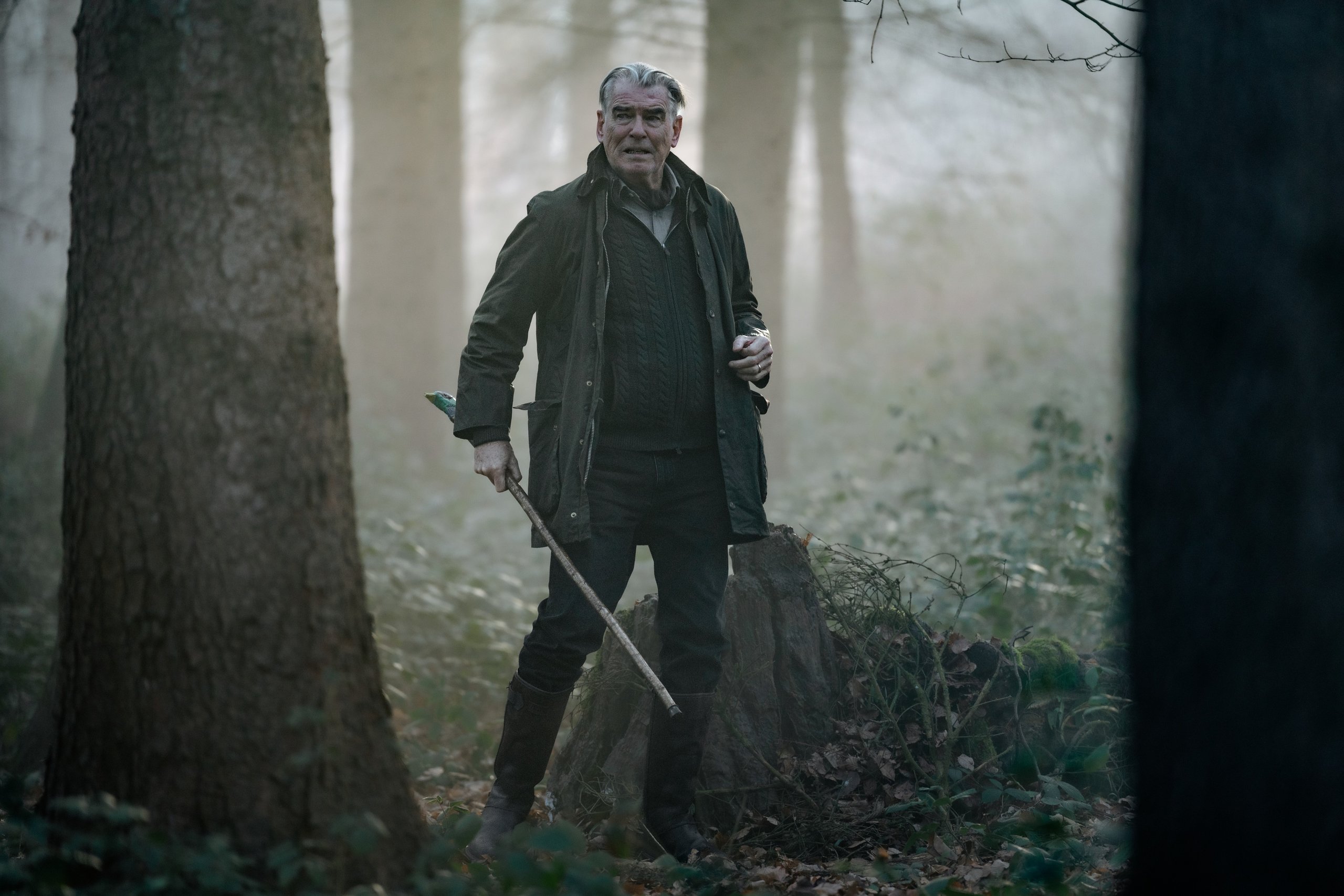

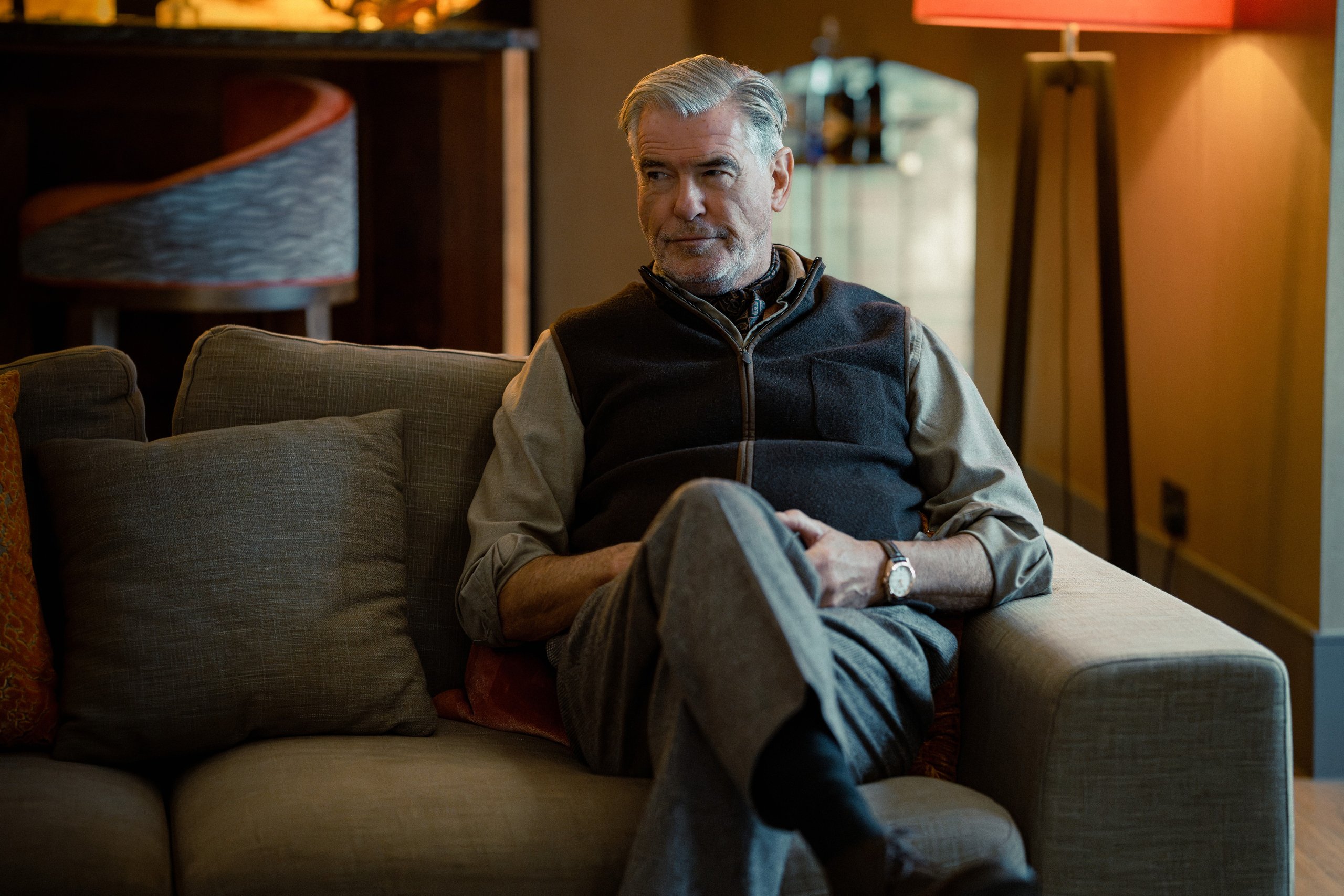

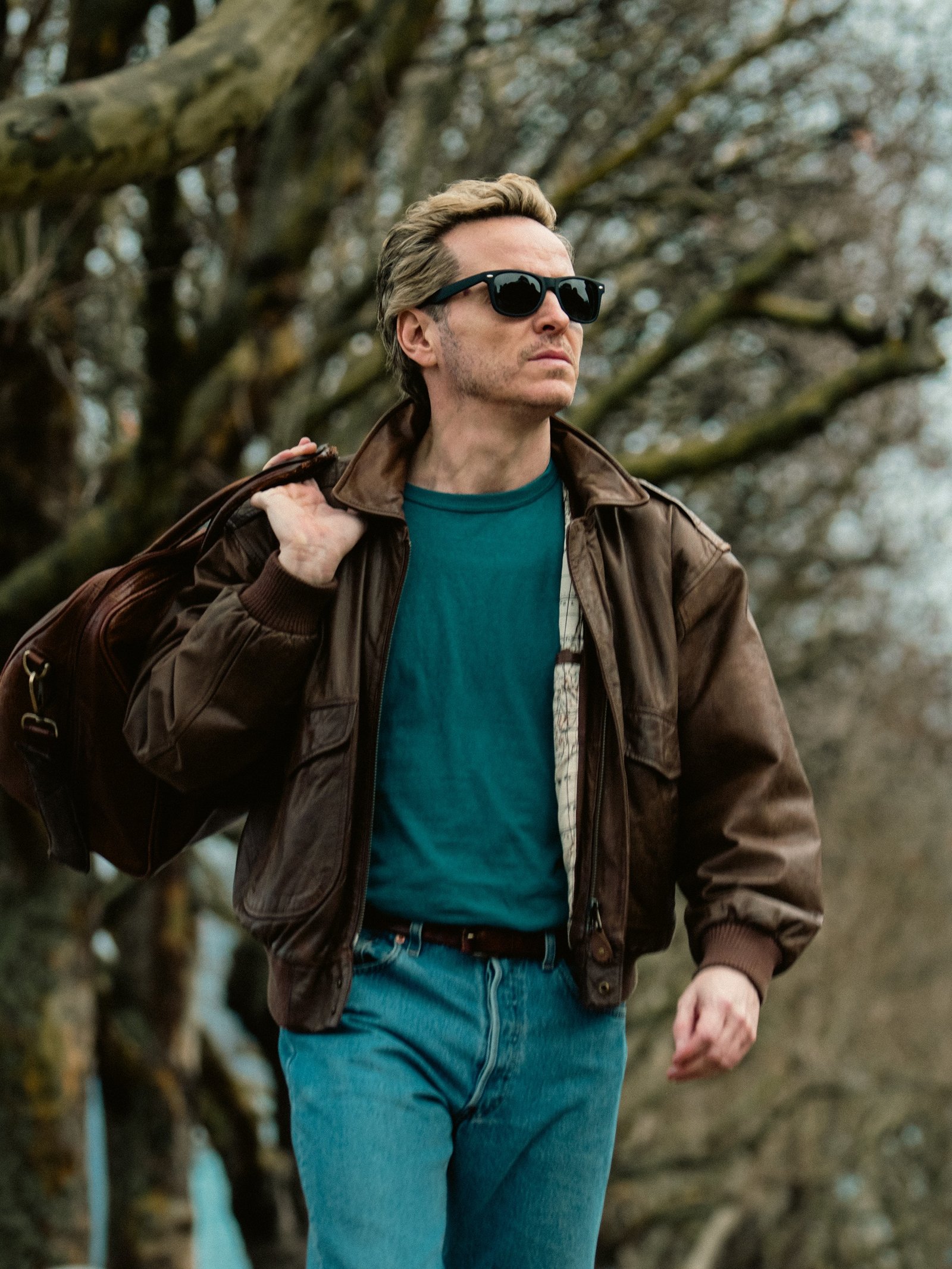
Pierce Brosnan in "MobLand" season two.
Paramount+
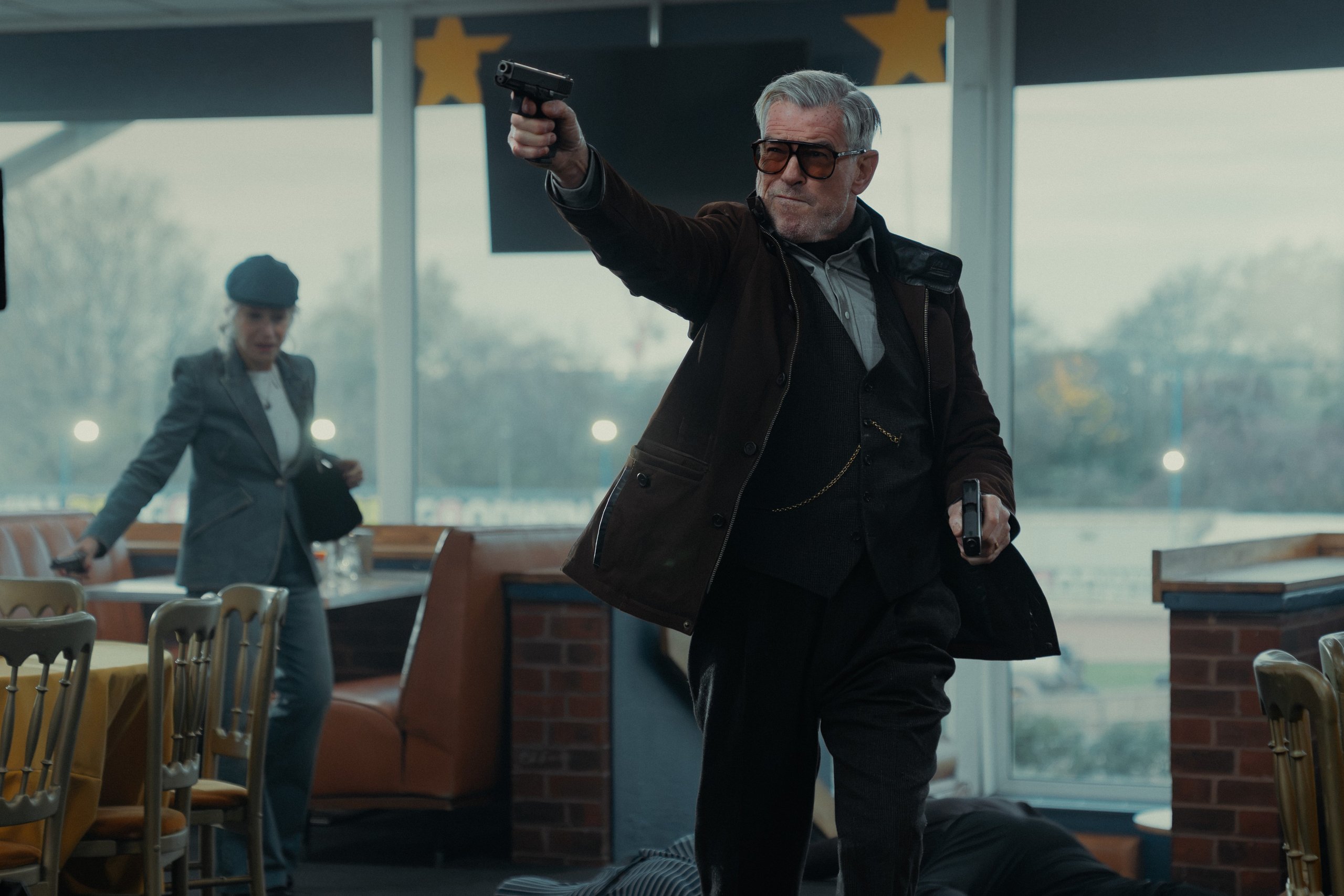

Pierce Brosnan in "MobLand" season two.
Paramount+
It's an approach that also speaks to Hale's wider interest in keeping the show's younger characters grounded in the London fashion scene. Born and raised in the English capital, the designer keeps a close eye on how the style of London is evolving, not least because she has teenage children of her own. She points to their generation's preference for oversized, slouchy trousers instead of form-fitting silhouettes as an example of how much attitudes towards dressing have changed. What she sees as a more feminist, less overtly sexualised approach to fashion offers an interesting contrast with the ways generations before might once have used their appearance to exert influence.
The men, she notes—in real life as with the show—are generally less malleable when it comes to their character development, with Conrad (Pierce Brosnan) and Harry among those whose established styles remain relatively consistent. Their wardrobes also require a different kind of research. Whereas the younger characters are informed by contemporary London streetwear, Hale looked further afield for inspiration for Conrad, drawing on the distinctly different sensibilities of the countryside.
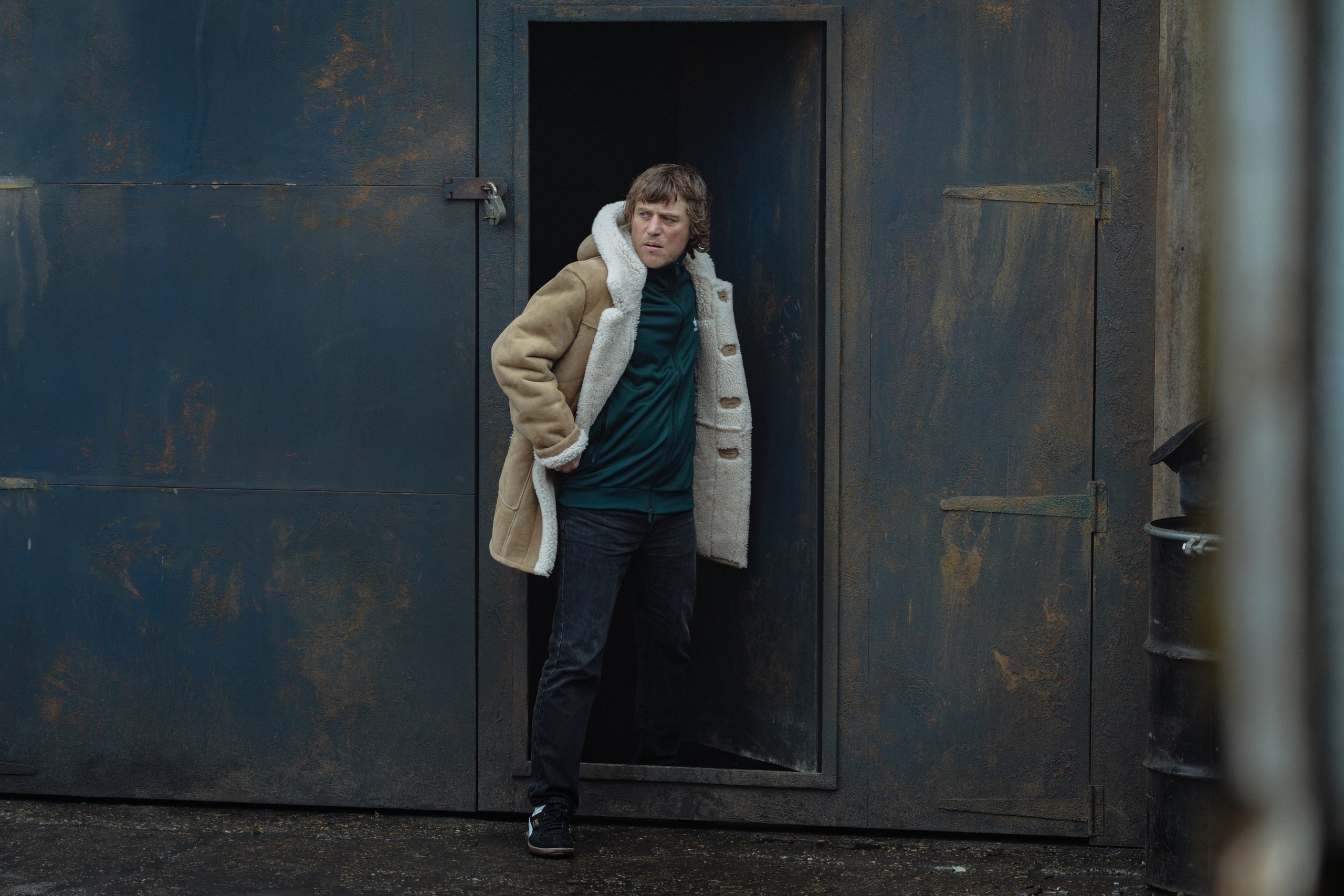

Johnny Flynn in "MobLand" season two.
Paramount+
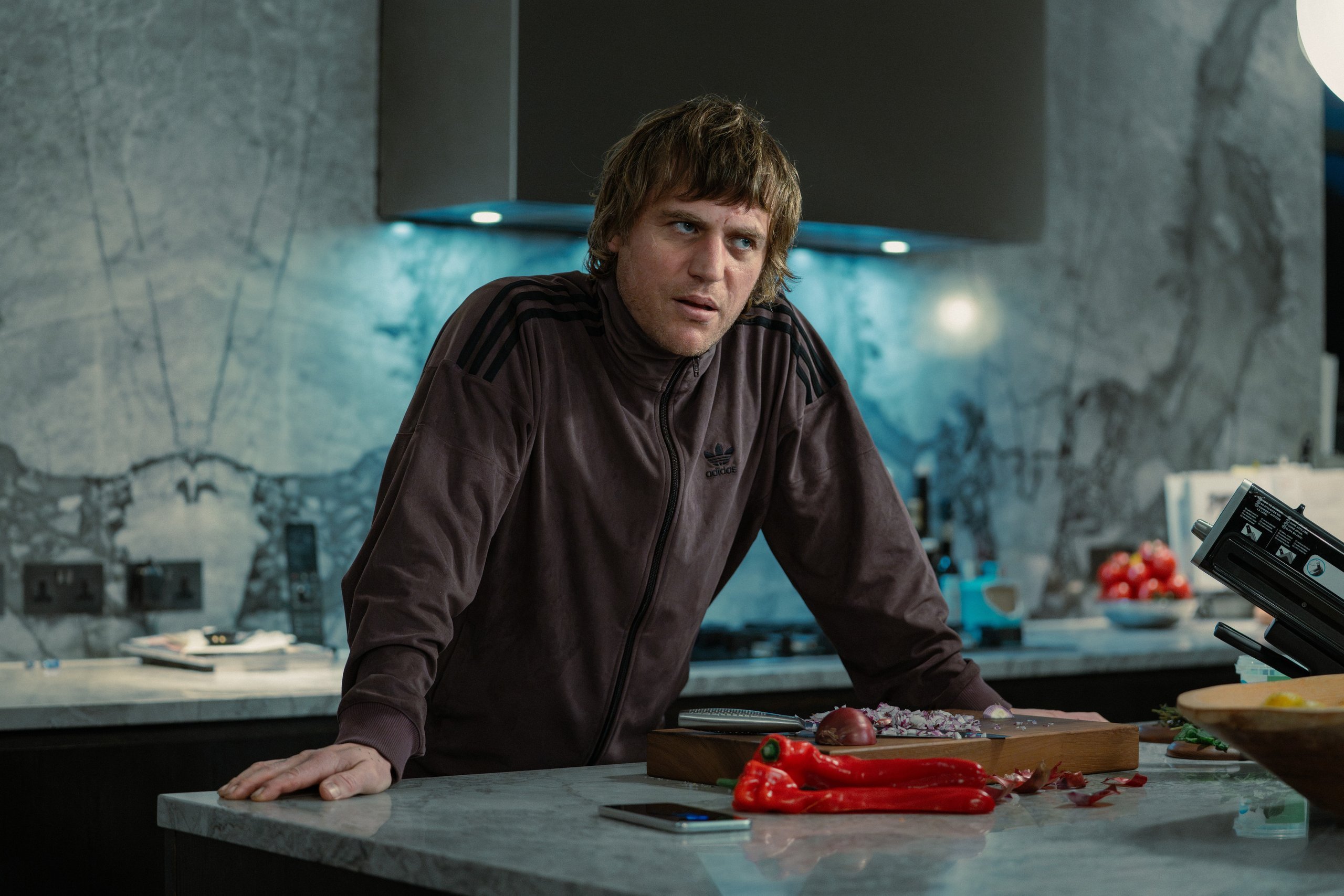

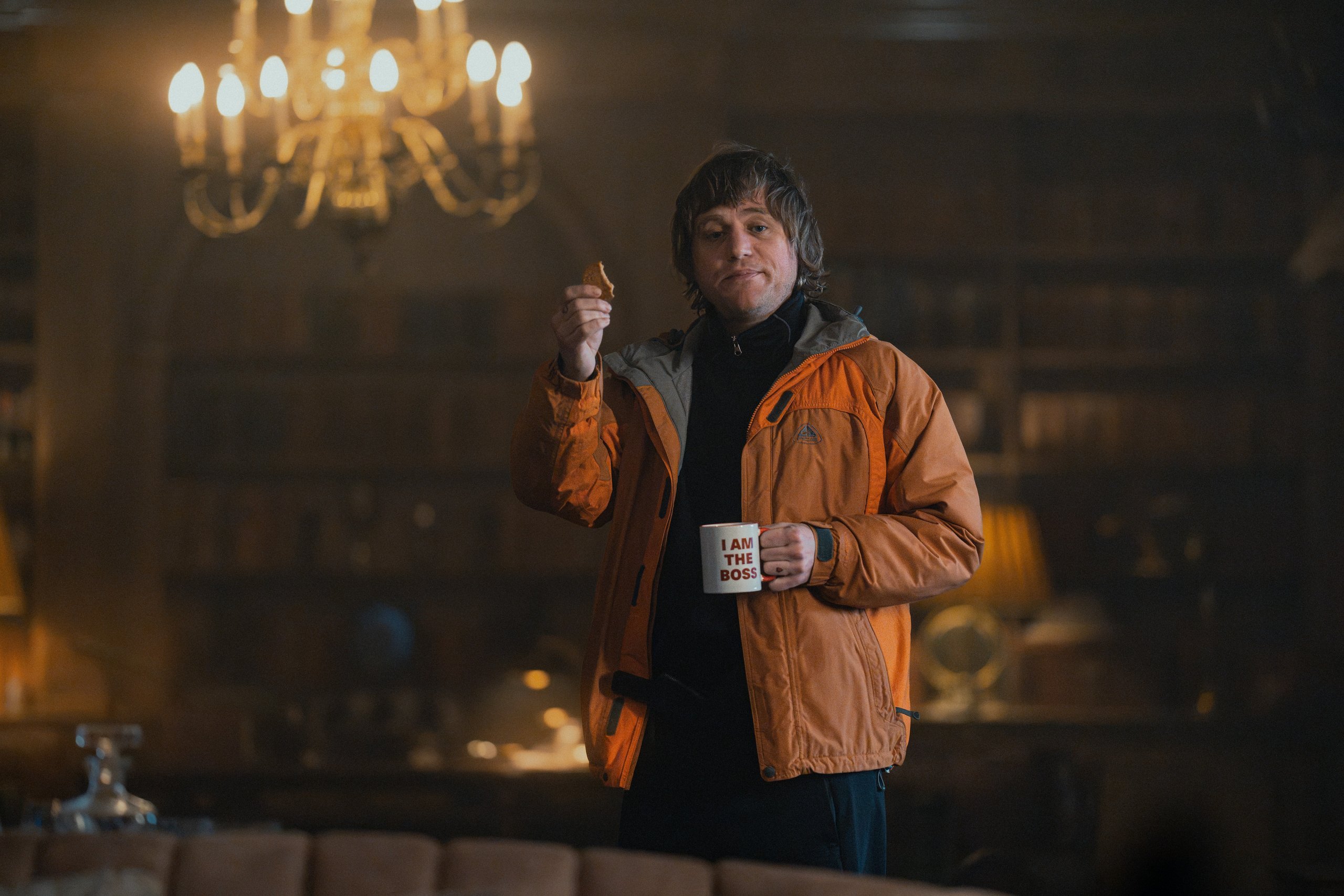

Johnny Flynn in "MobLand" season two.
Paramount+
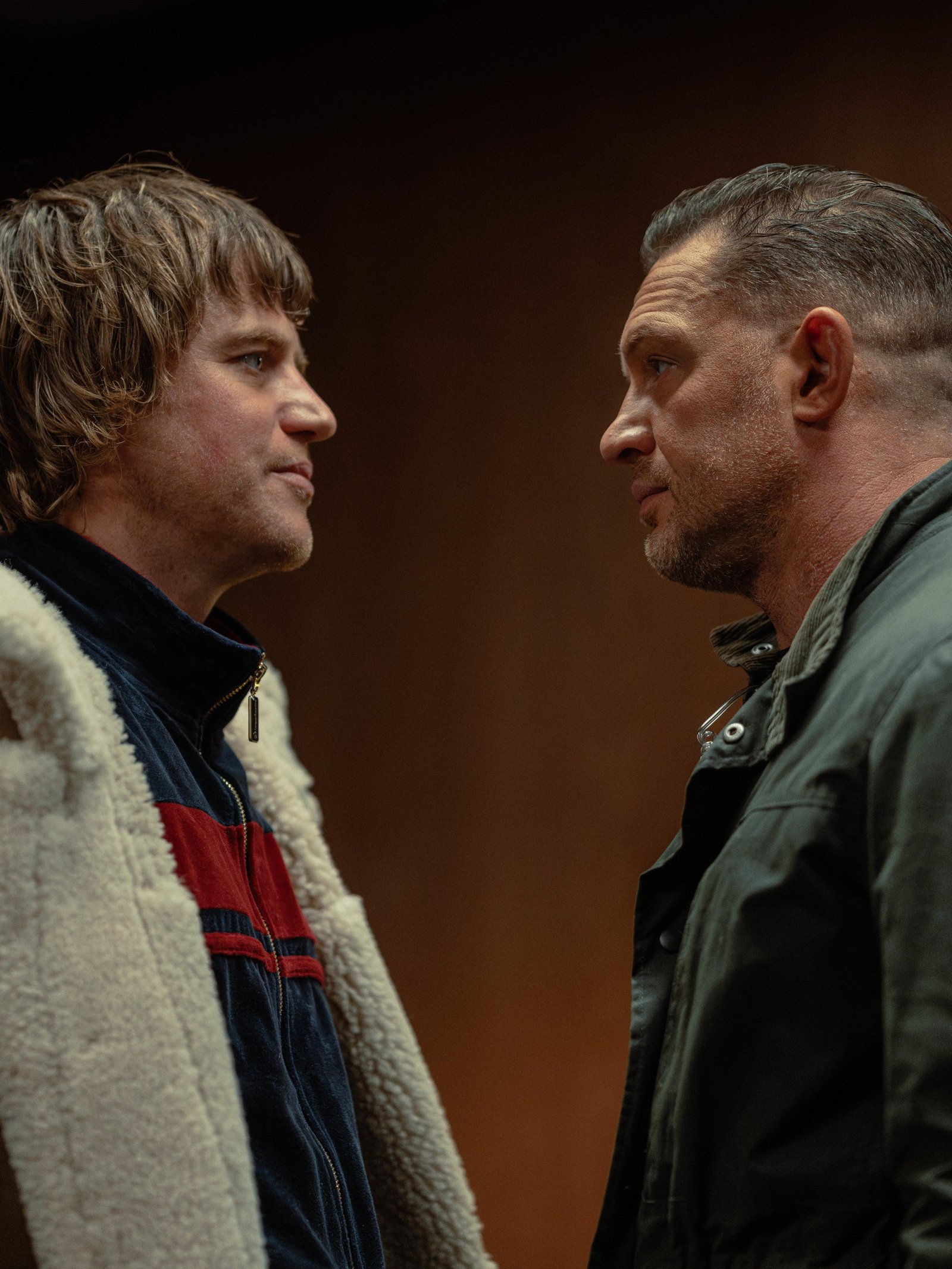
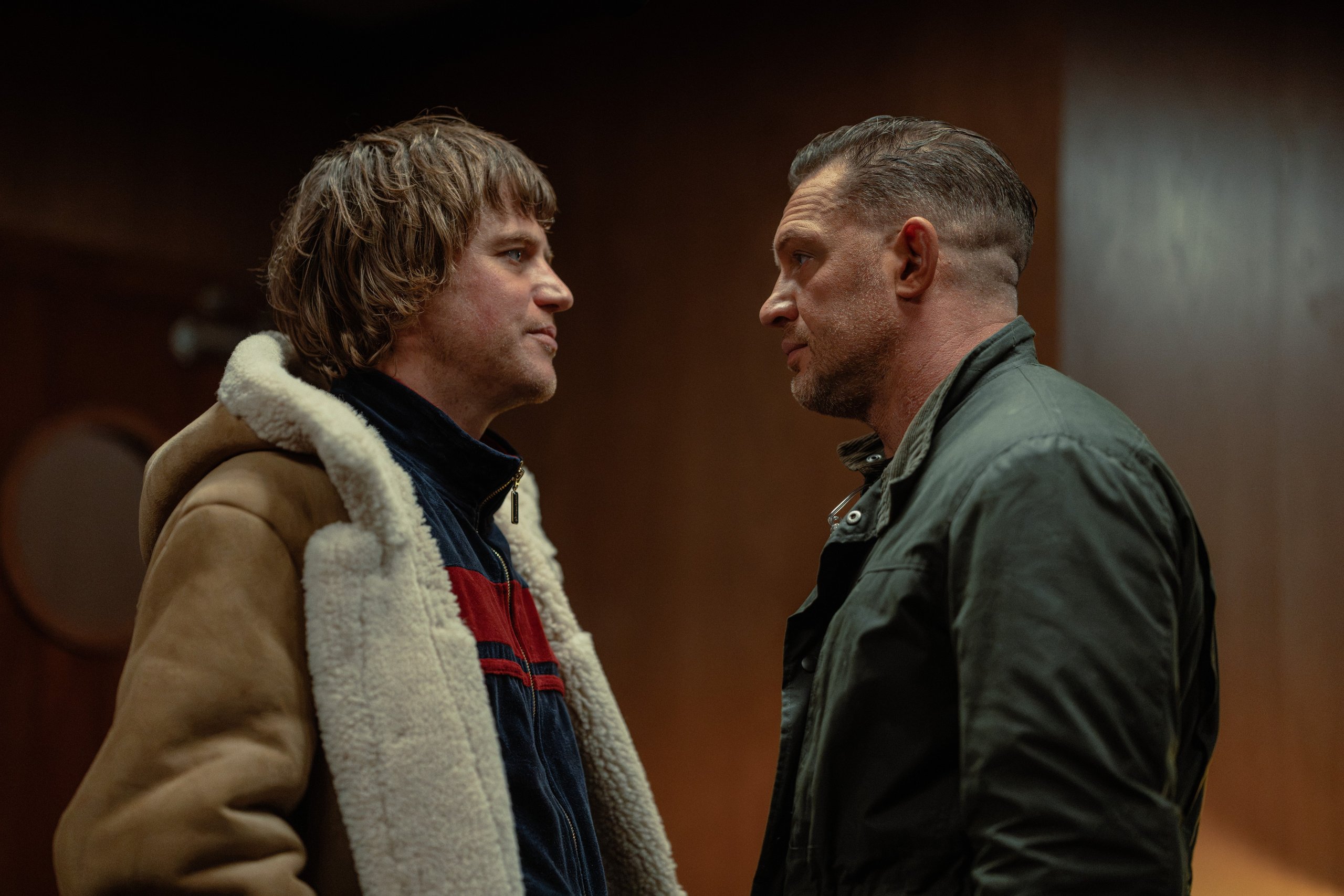
One of season two's most intriguing additions is the unhinged rival drug lord Frankie (Johnny Flynn), whose look nods towards the 1960s mod scene, with parkas and period-inspired footwear worn with his signature plum-colored Juventus tracksuit. Hale’s initial instinct had been to dress Frankie as a more conventional gangster, but once she finally spoke to Flynn, he had an altogether different vision, drawing on the look of Rolling Stones guitarist Brian Jones.
A particularly fortuitous trip to London’s Soho neighborhood yielded a vintage orange CP Company parka, which helped establish Frankie's distinctive wardrobe. The finishing touch came from Flynn himself. “He made it quite camp,” Hale says, referring to the actor's performance and vocal delivery. The result is a character whose appearance is at once eccentric and unsettling, with a slightly sinister edge that makes him all the more memorable.