How the Production Designer of ‘Late Fame’ Recreated the Nostalgia-Ridden Interiors of Manhattan in New Jersey
Interiors

Interiors
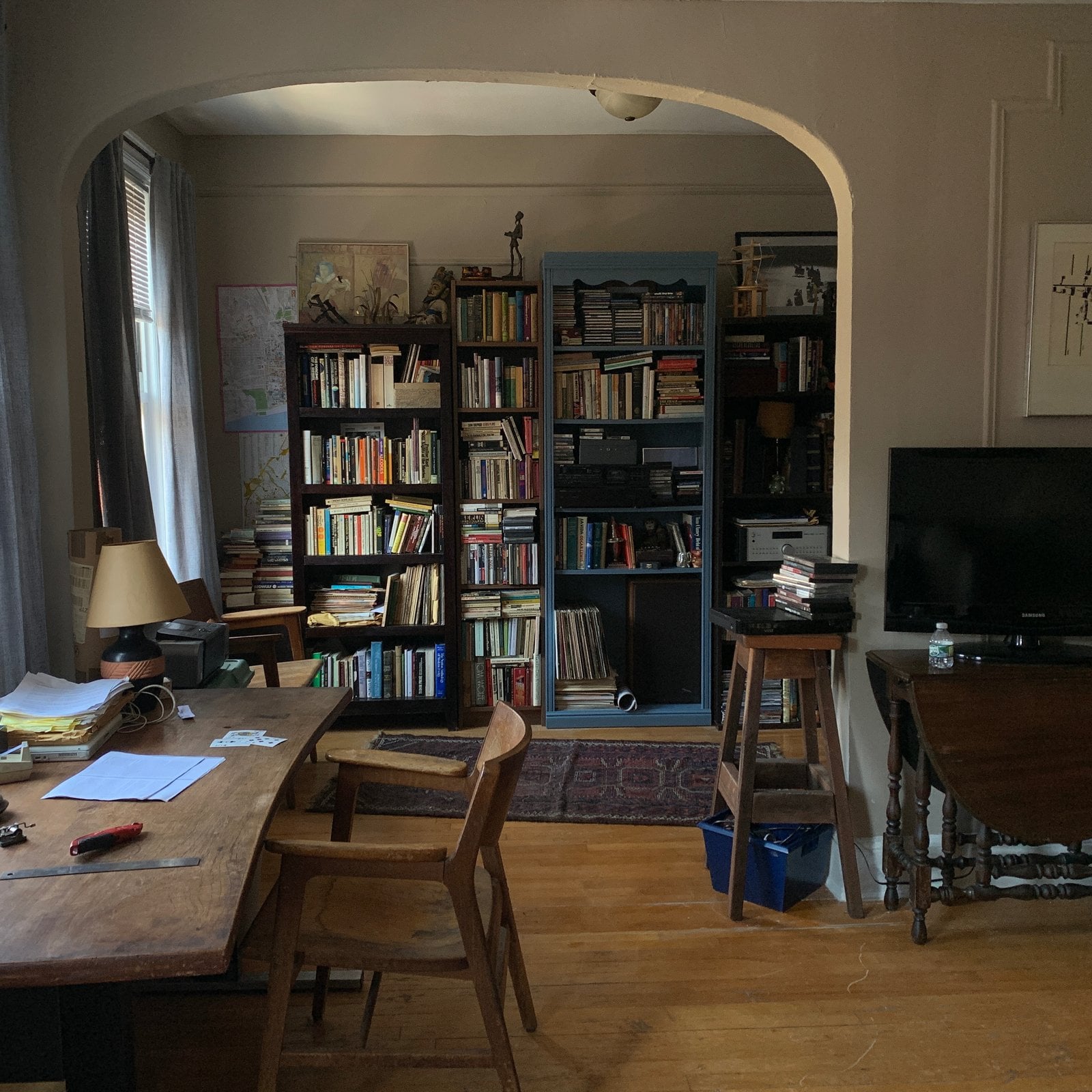
If the dozens of books in Ed Saxberger’s apartment look hand-picked for the character, that's because they were. Production designer Tommaso Ortino collaborated with director Kent Jones to create an impressively realistic homage to New York City’s past, one poetry anthology at a time.
“Late Fame” tells a tale of two New York Cities: the rose-colored bohemia of Manhattan’s literary past and the modern-day, gentrified landscape fashioned in its image. The indie drama follows has-been poet Ed Saxberger (Willem Dafoe) as he befriends a doting group of aspiring Gen-Z writers, eager to absorb his wisdom and artistic sentiment. The group is led by the precocious Meyers (Edmund Donovan), who cosplays his idea of how a writer should walk, talk, and dress in minimalist loafers and a fur ushanka. Meanwhile, Saxberger epitomizes the romantic ideal of a pre-iPhone artist without any perceivable effort. The spirit of each leading man can be boiled down to the interior of their apartment, as scouted and furnished by production designer Tommaso Ortino. While Ed resides in a West Village walkup—leftover from an era where the West Village was still affordable—Meyers’ gaudy Soho apartment represents the new generation of wealth and feigned creative temperament, taking over the city.


The cast of "Late Fame."
Magnolia Pictures
For a quintessentially New York film, viewers may be surprised to learn that Ortino found its interiors in New Jersey. Borrowing one of the dive bar locations used in “A Complete Unknown,” director Kent Jones looked for locations across the river in Jersey City and Hoboken that naturally incorporated a “New York flavor” without the restraints of real-life city establishments.
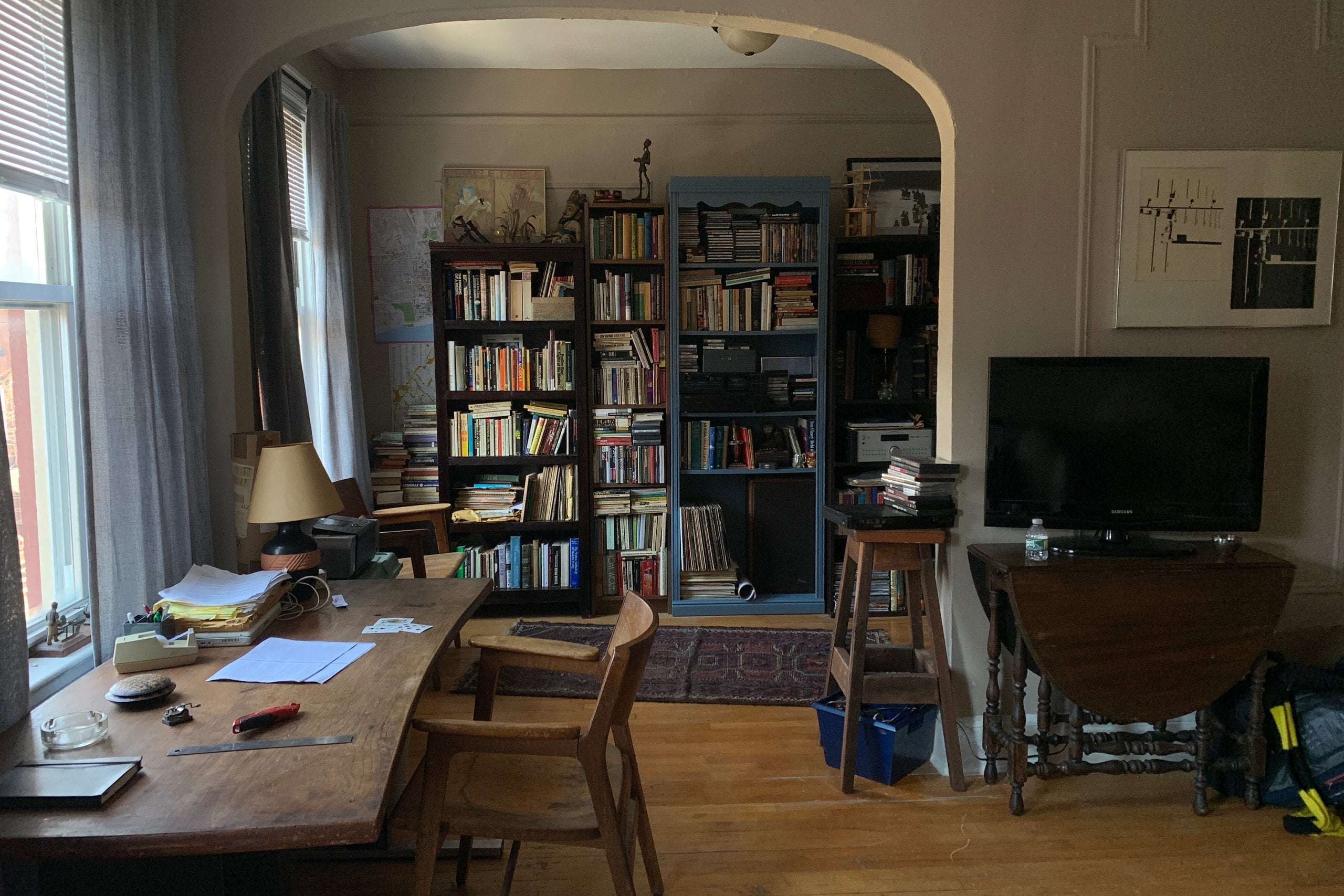
One such location was Saxberger’s workspace. Saxberger is introduced in the unglamorous confines of a U.S. post office staged in an empty storage space in New Jersey. “[The post office] is a little less interesting [than the other sets], but it's more real,” Ortino explains. “It's his life, it's his friends, it's his workplace. The bar, the kids, the reading place, they're all part of this fantasy that he lives for a brief moment of relief in his youth.” When he enters the oasis of his West Village apartment, a more personalized window into the protagonist's past life as a poet emerges.
Saxberger's apartment in "Late Fame."
Tommaso Ortino

Saxberger's headboard in "Late Fame."
Tommaso Ortino
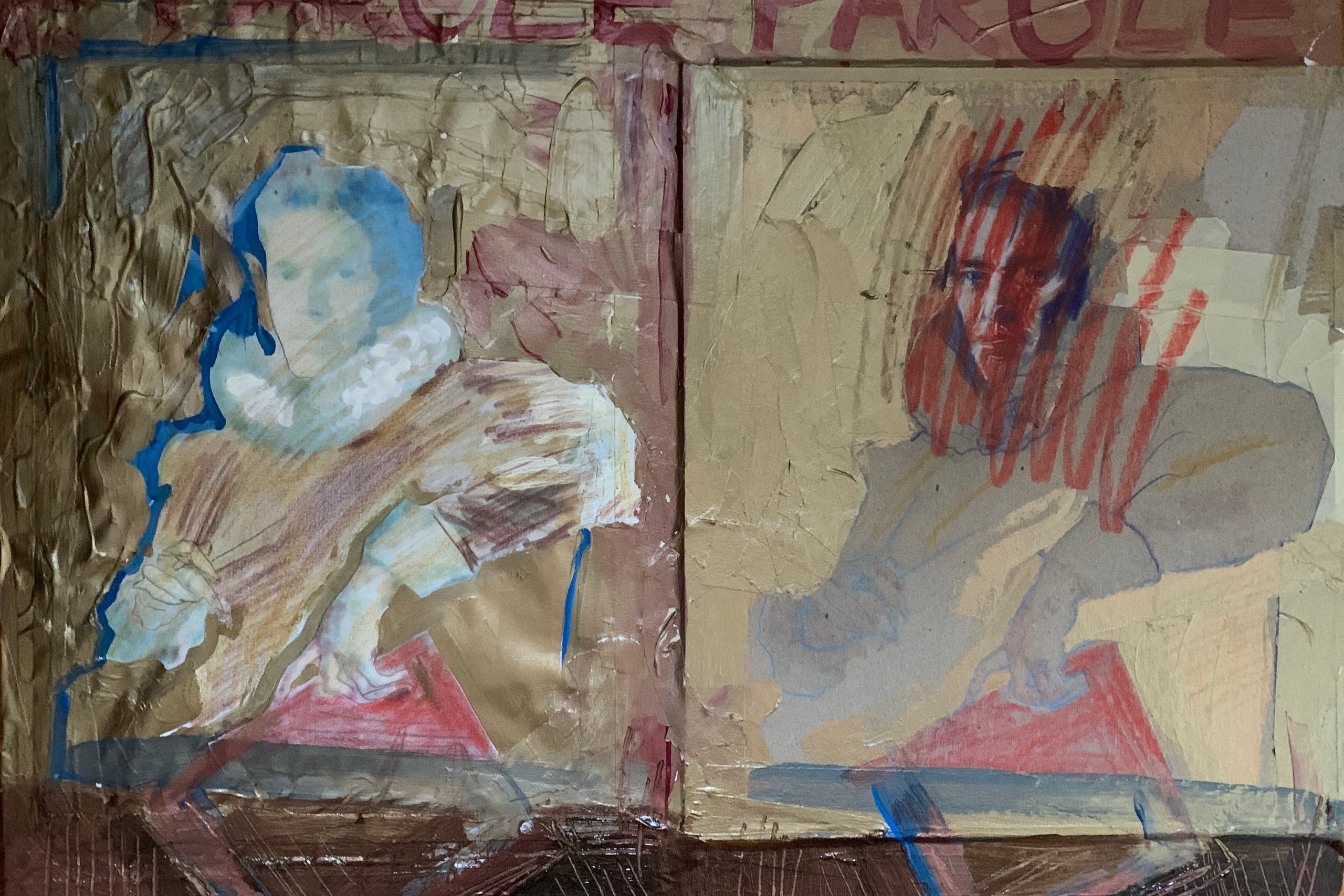

Artwork in Saxberger's apartment in "Late Fame."
Tommaso Ortino
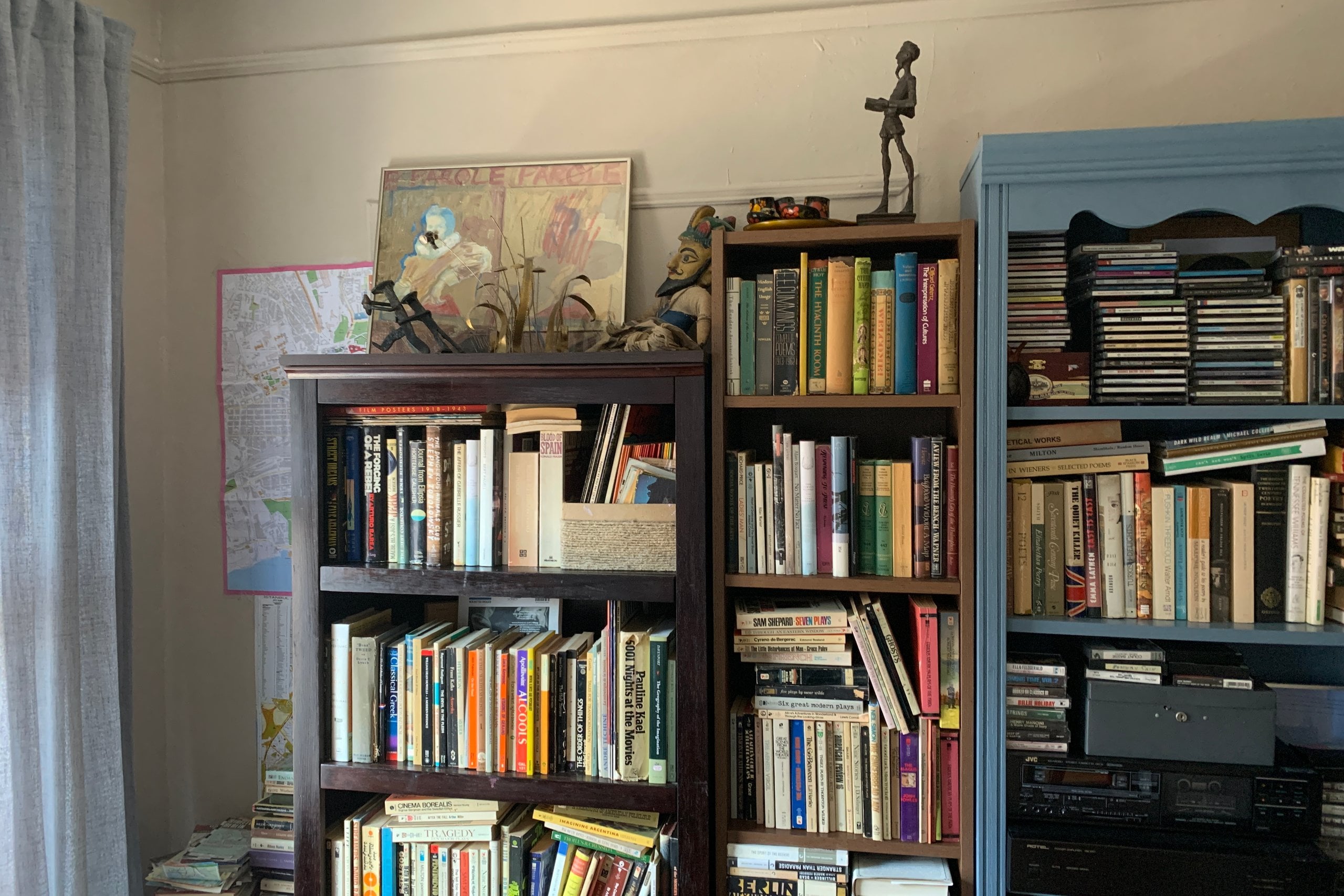

Saxberger's book shelf in "Late Fame."
Tommaso Ortino
Ed’s apartment showcases the relics of a life well-lived. Poetry books, DVDs, and weathered VHS tapes adorn the walls, many of which were borrowed from Kent Jones or suggested by Willem Dafoe. “The whole movie was imbued in this idea of nostalgia. Not only was the young group looking at Ed as the meat of when New York was the real beautiful place it was, but Ed had a certain nostalgia of when he was young,” Ortino says. Among Jones’ lent stash of books was a stack of notebooks he wrote by hand during his stint as a film critic. “If I go close to the wall, I'm not gonna see any fake books or props,” Ortino says. “I wanna see Ed's life, and it's not just a fancy of the director; you actually see [the books] in the shot.”
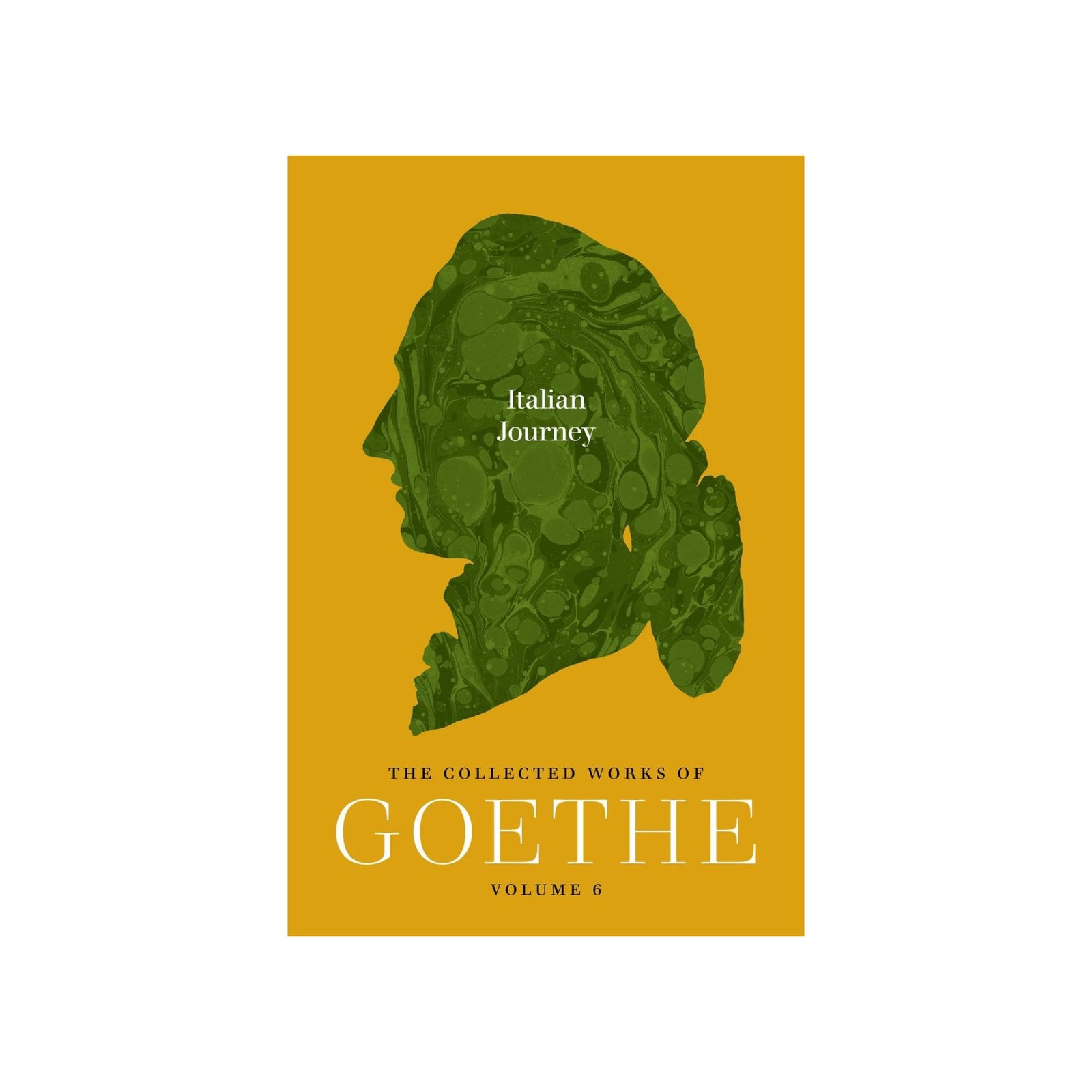
Shop Ed Saxberger’s Book Shelf
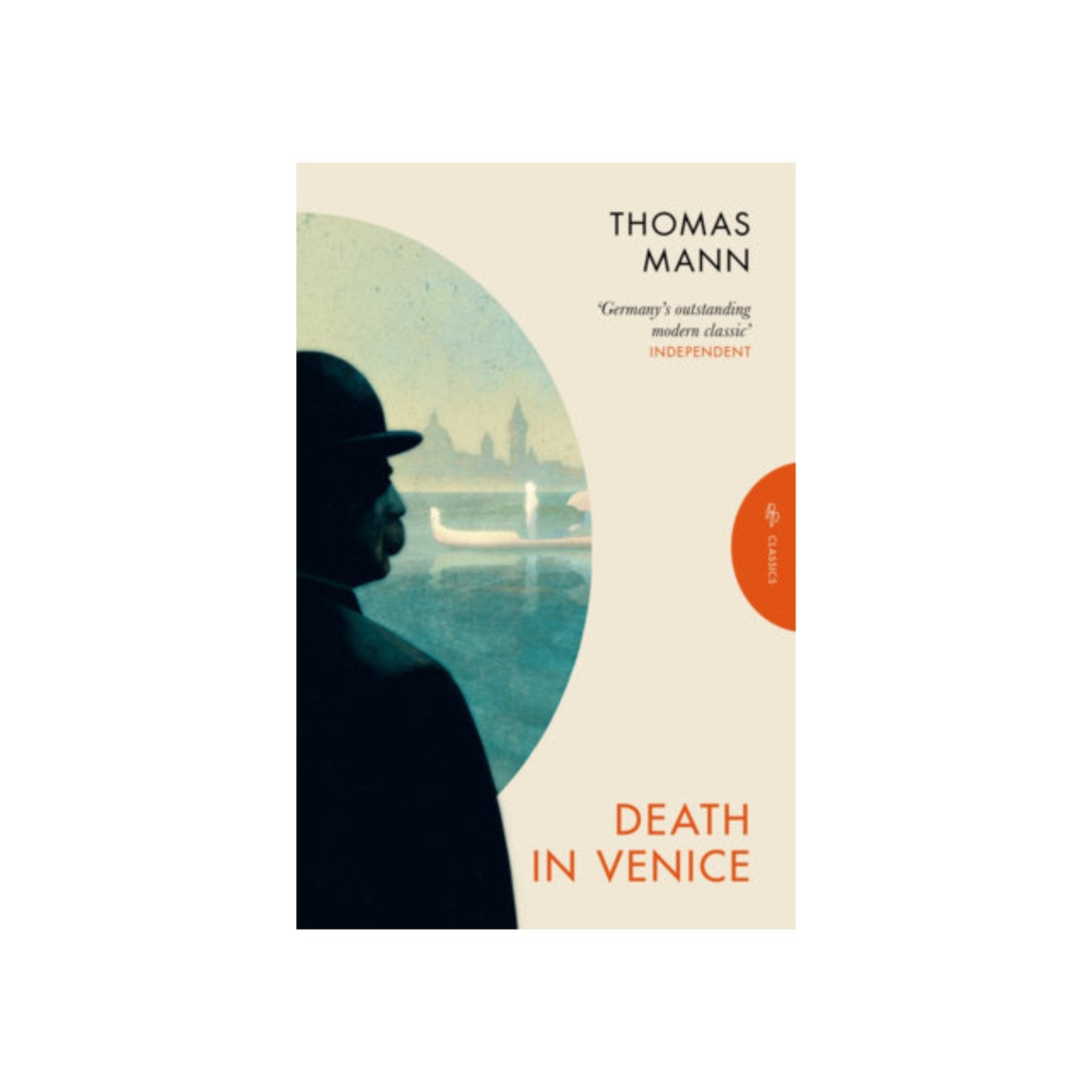

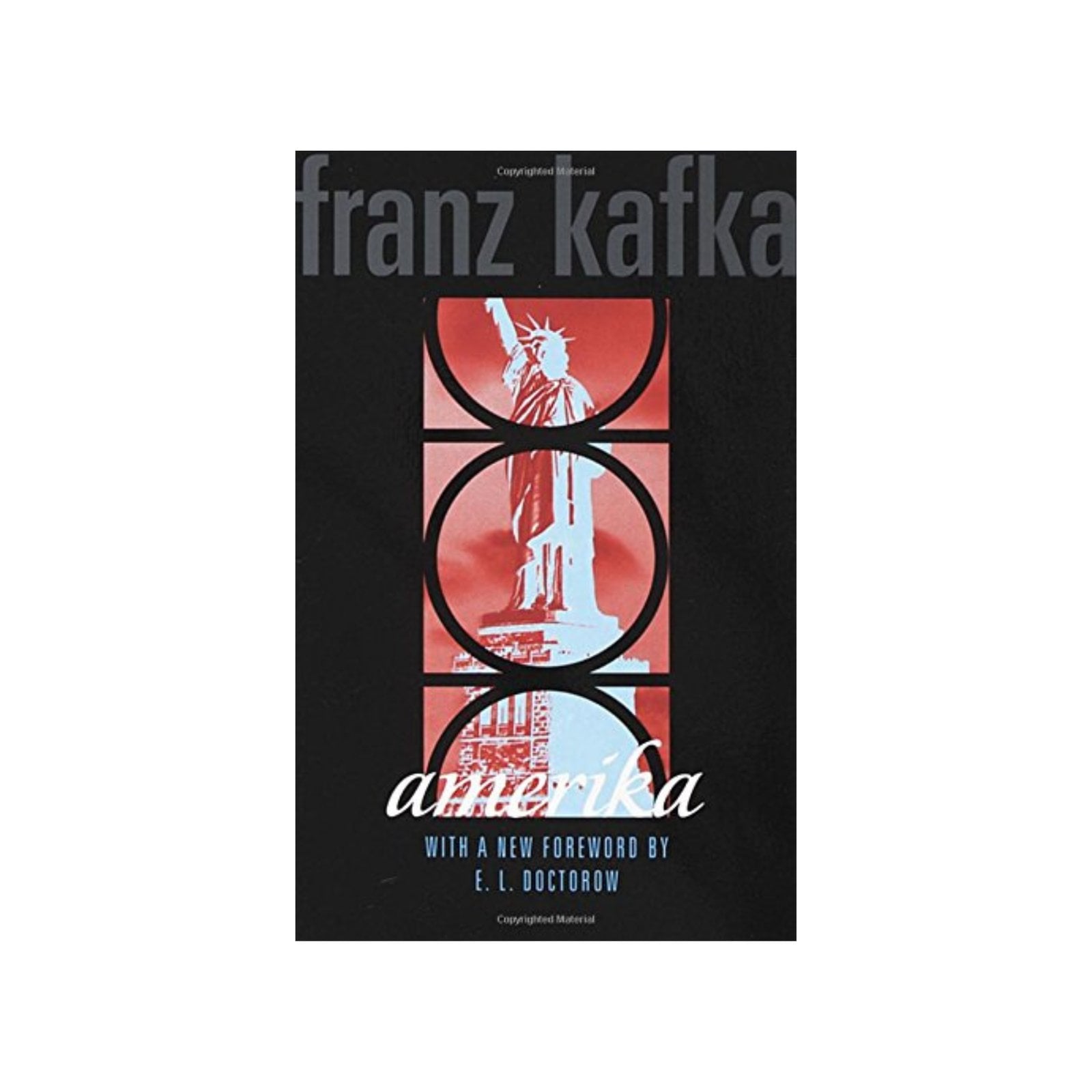



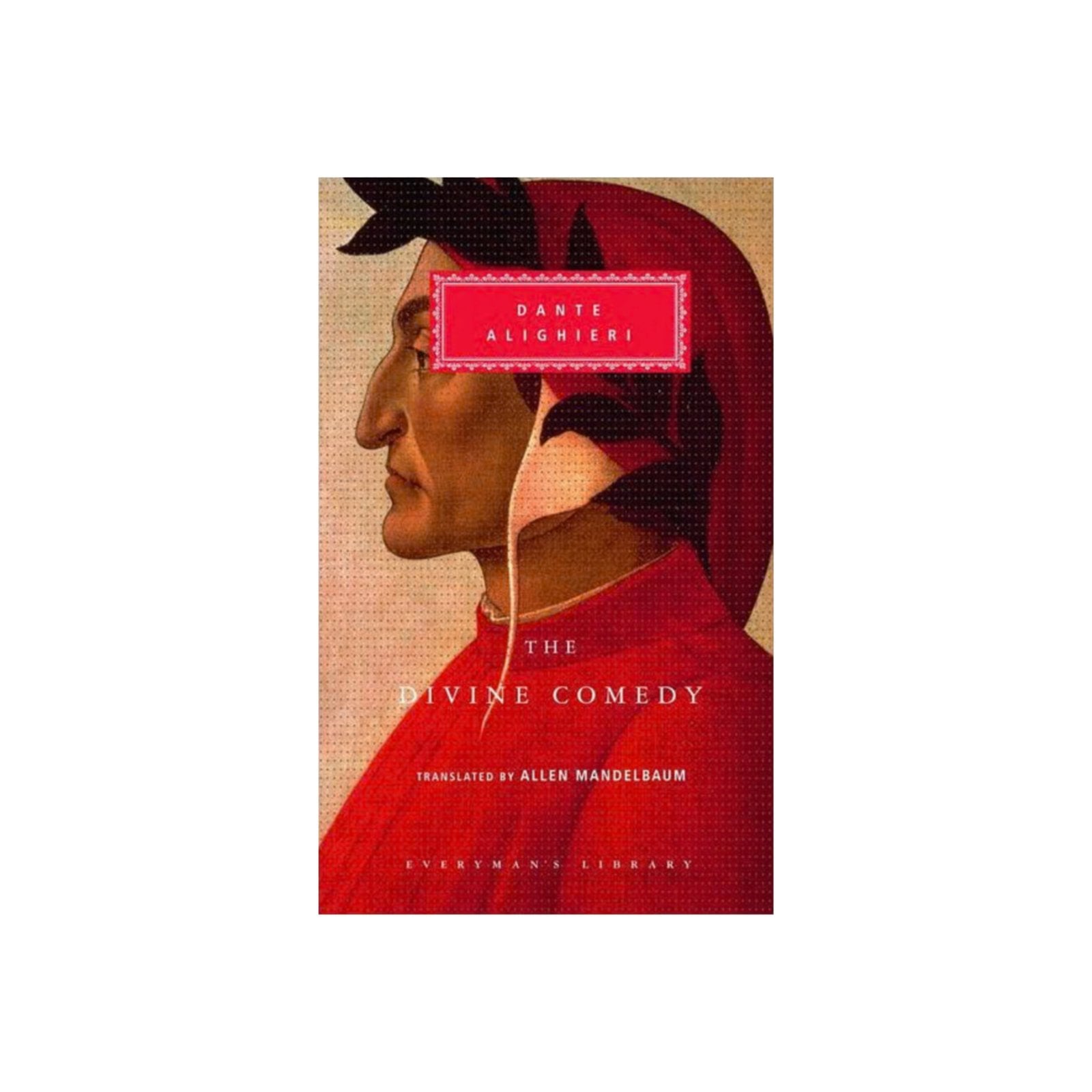







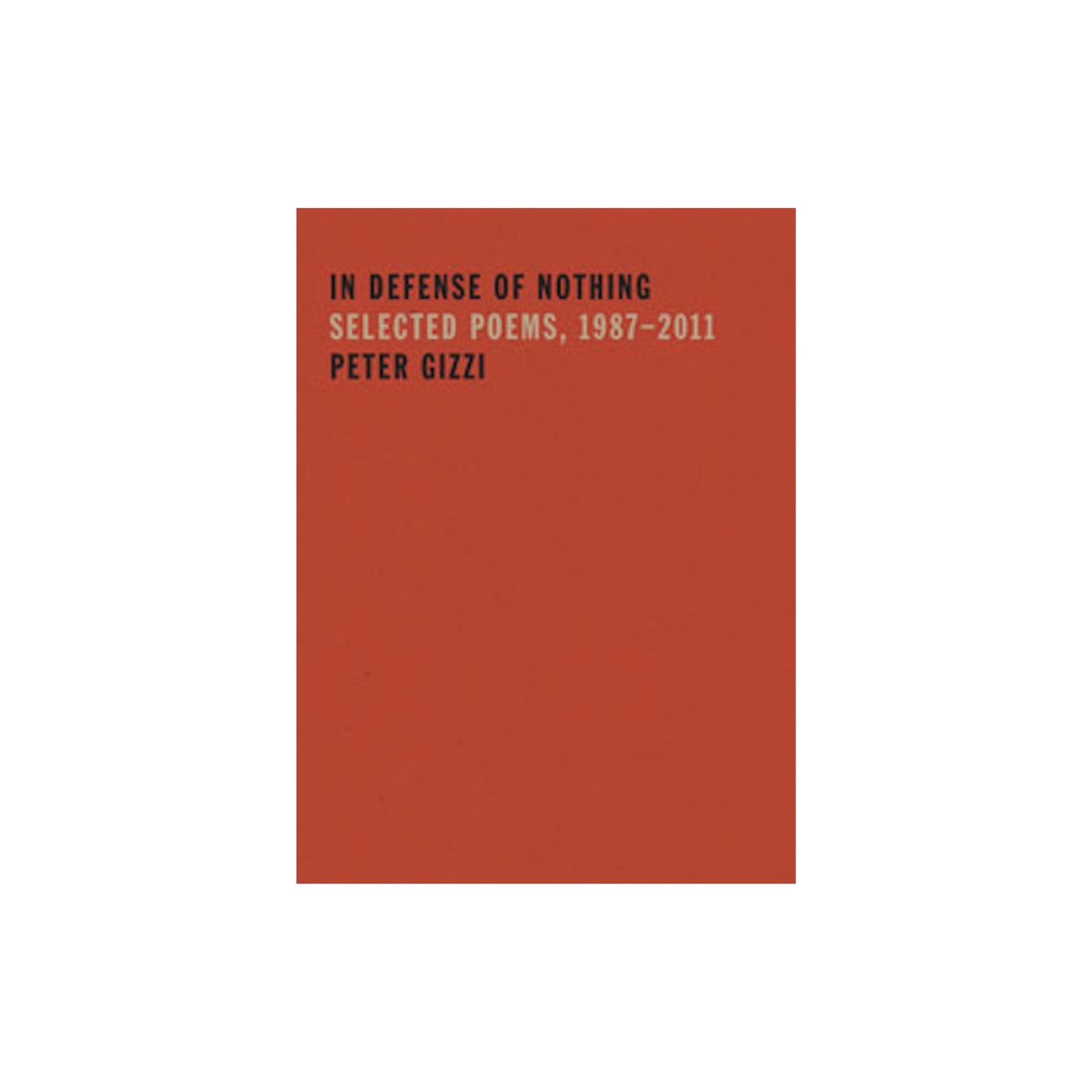

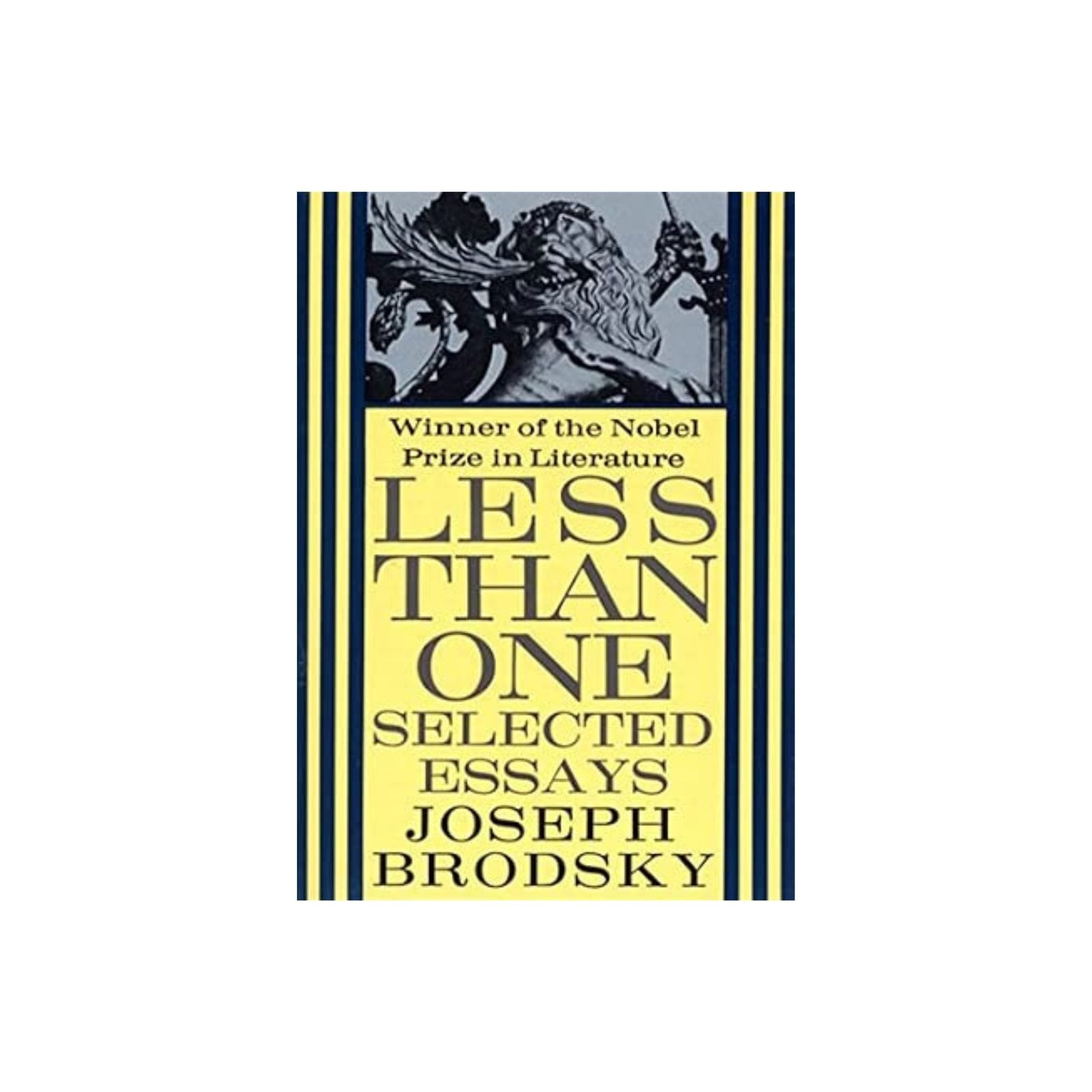



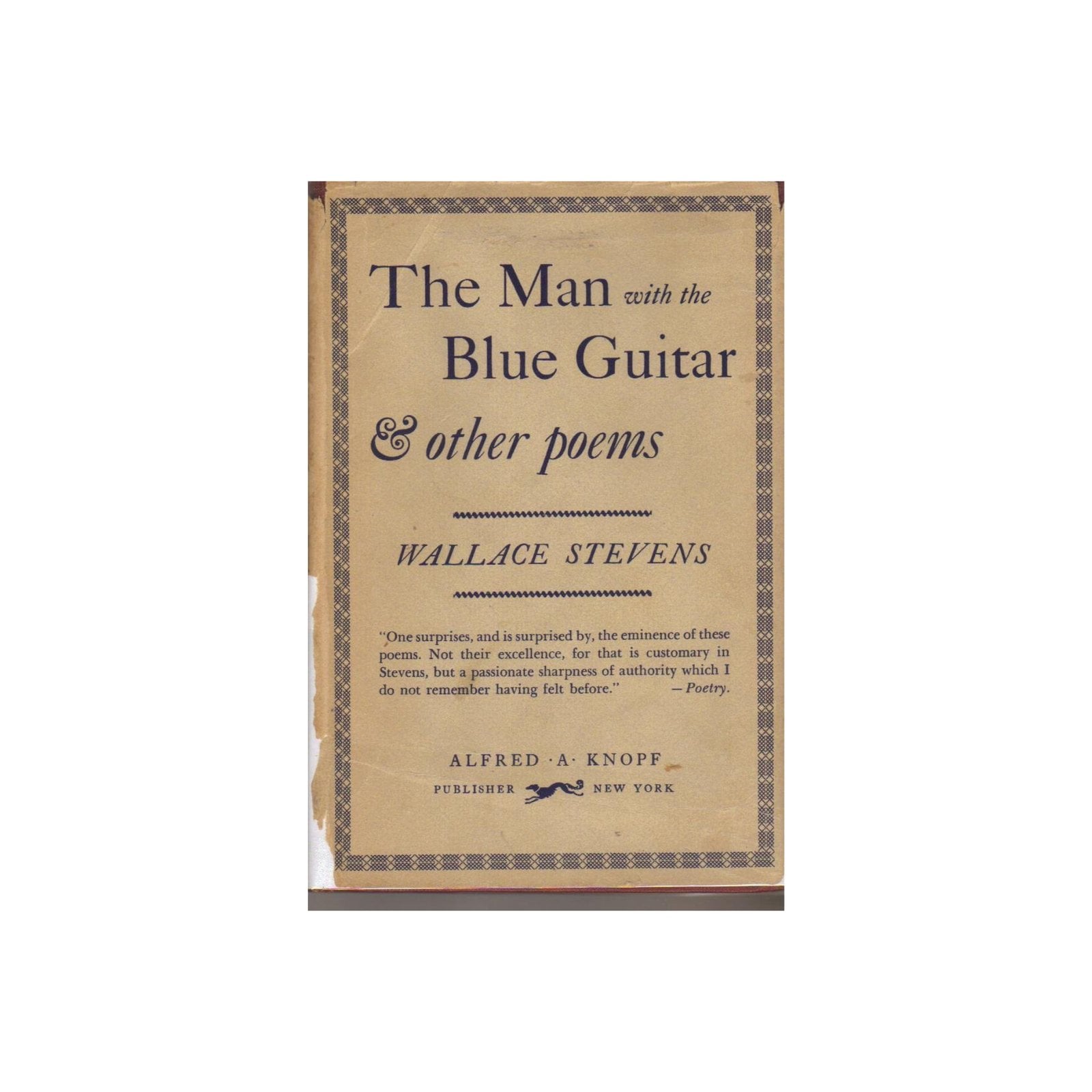




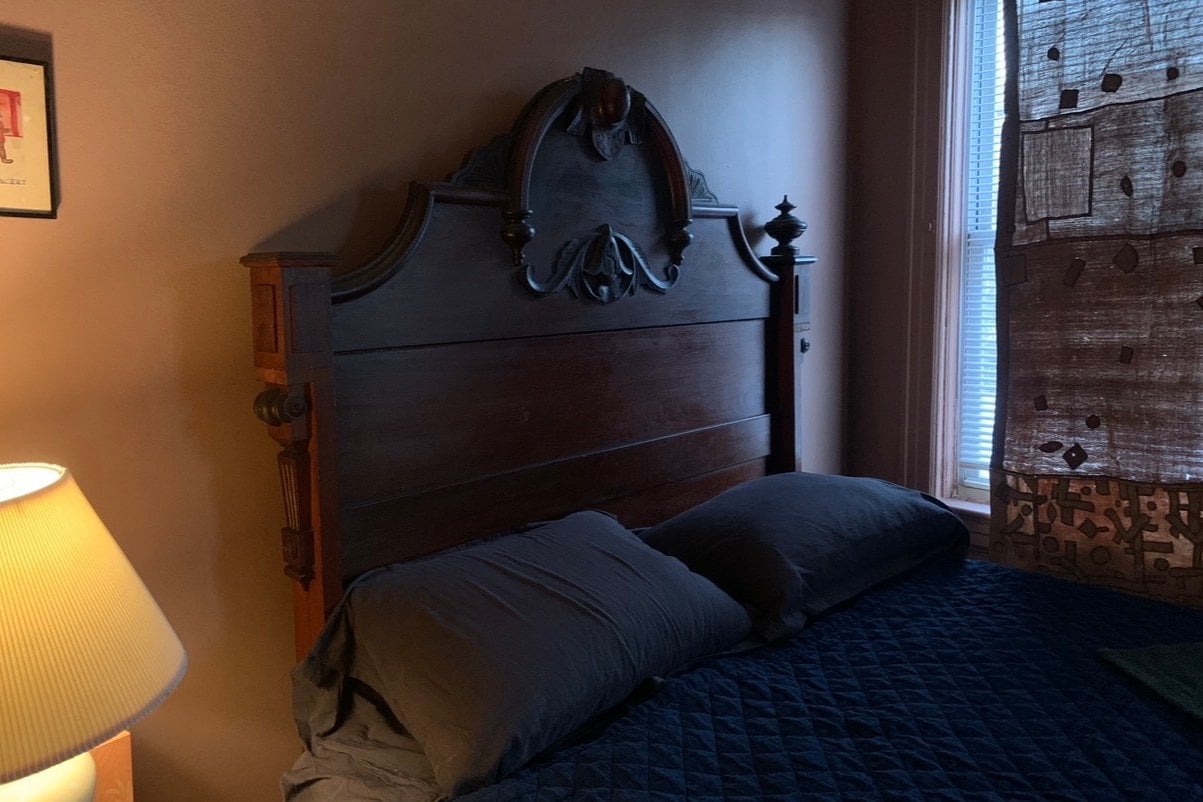
Among Ortino’s favorite adorning details in Saxberger’s apartment is a wooden headboard he appreciated for being “light, but sturdy and strong.” The apartment features a hodgepodge of ’60s, ’70s, ’80s paraphernalia sourced across a life well lived. “There was some hint of [Saxberger being] a well-traveled man. We didn't want to say it, but the curtains in the bedroom had some sort of a textile that was exotic and definitely older,” Ortino says. “He had a life and you see it not just through layers, but through things, through travels, through memories.”
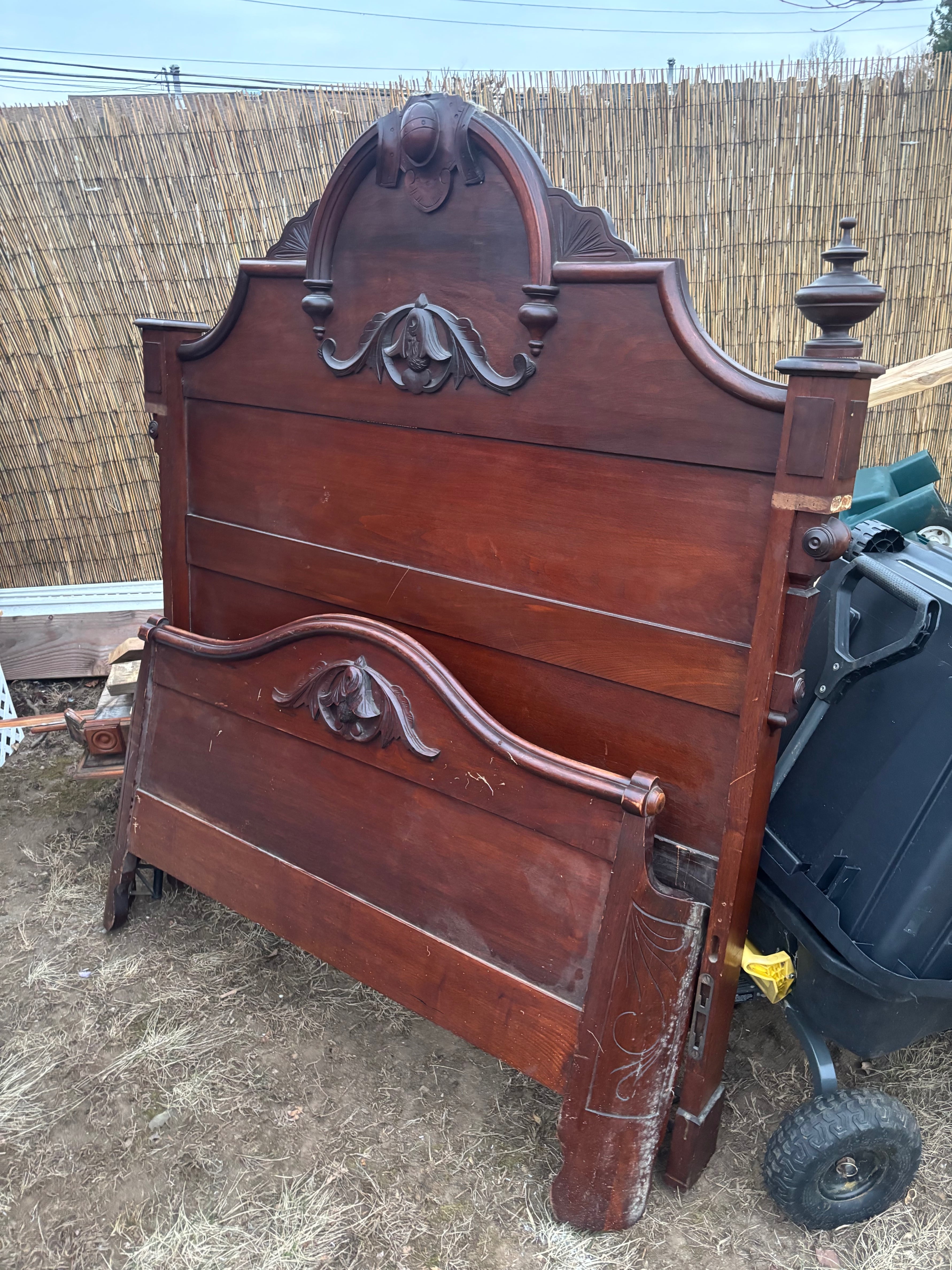

Saxberger's headboard in "Late Fame."
Tommaso Ortino
With Meyers, his space is one of performance. A framed first edition poem adorns one of his walls, while an eccentric, modern red dinner table grounds the living space. “I wanted to create a showroom feel, not a place you want to stay in,” Ortino explains. “I told Kent, ‘Nobody actually sits on this table.’ It's not pleasant to eat at a red table.” Meyers’ home is decorated with a fair share of literary references, but their framing and curation leave a much different impression than Saxberger’s lived-in eclecticism. When designing Meyers’ space, Ortino incorporated “an element of mimicking things” into the decor. “The intentions [of young rich students] are there. They are studied, they read things, but they don't know exactly what [they are mimicking,]" Ortino says.
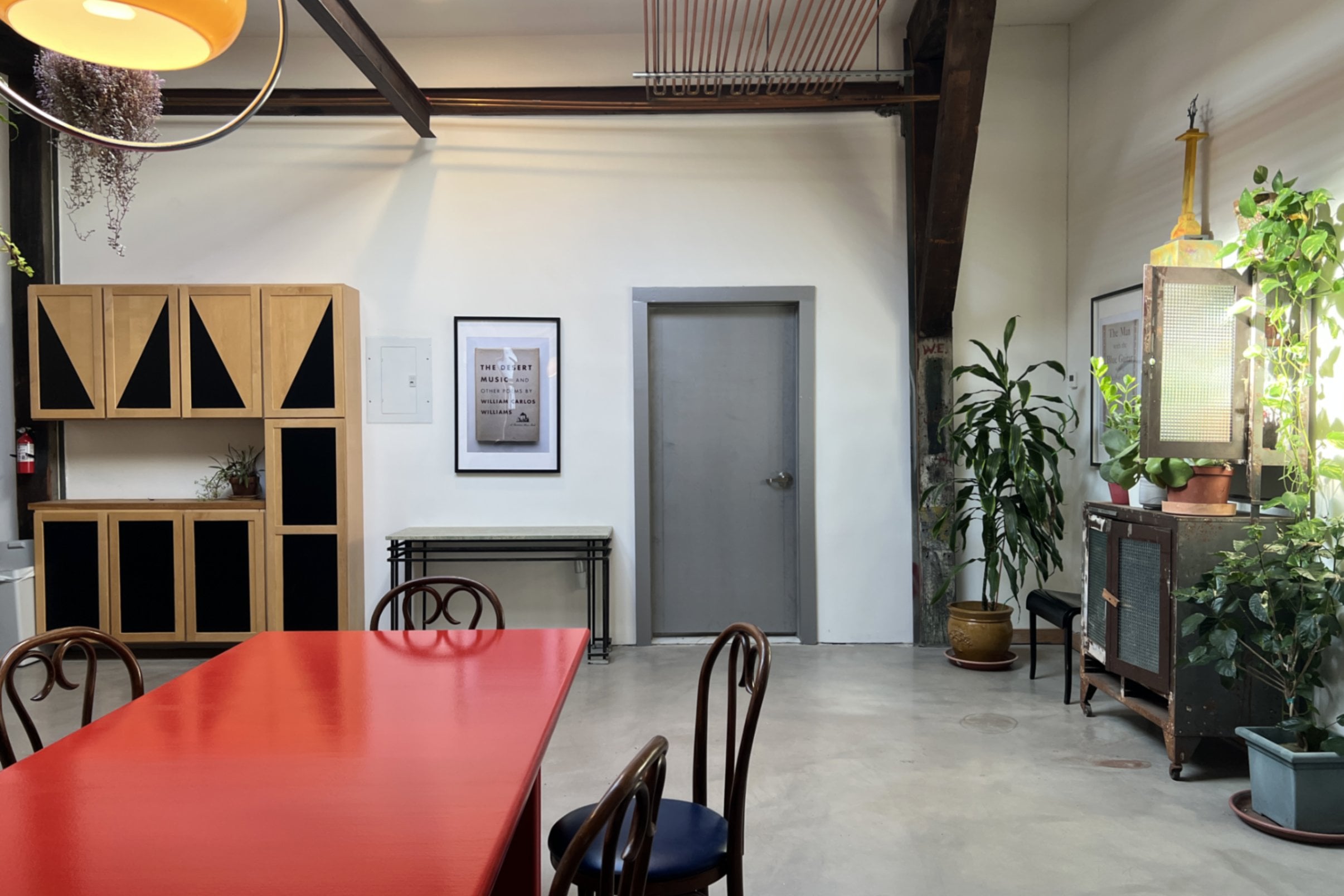

Meyers' apartment in "Late Fame."
Tommaso Ortino
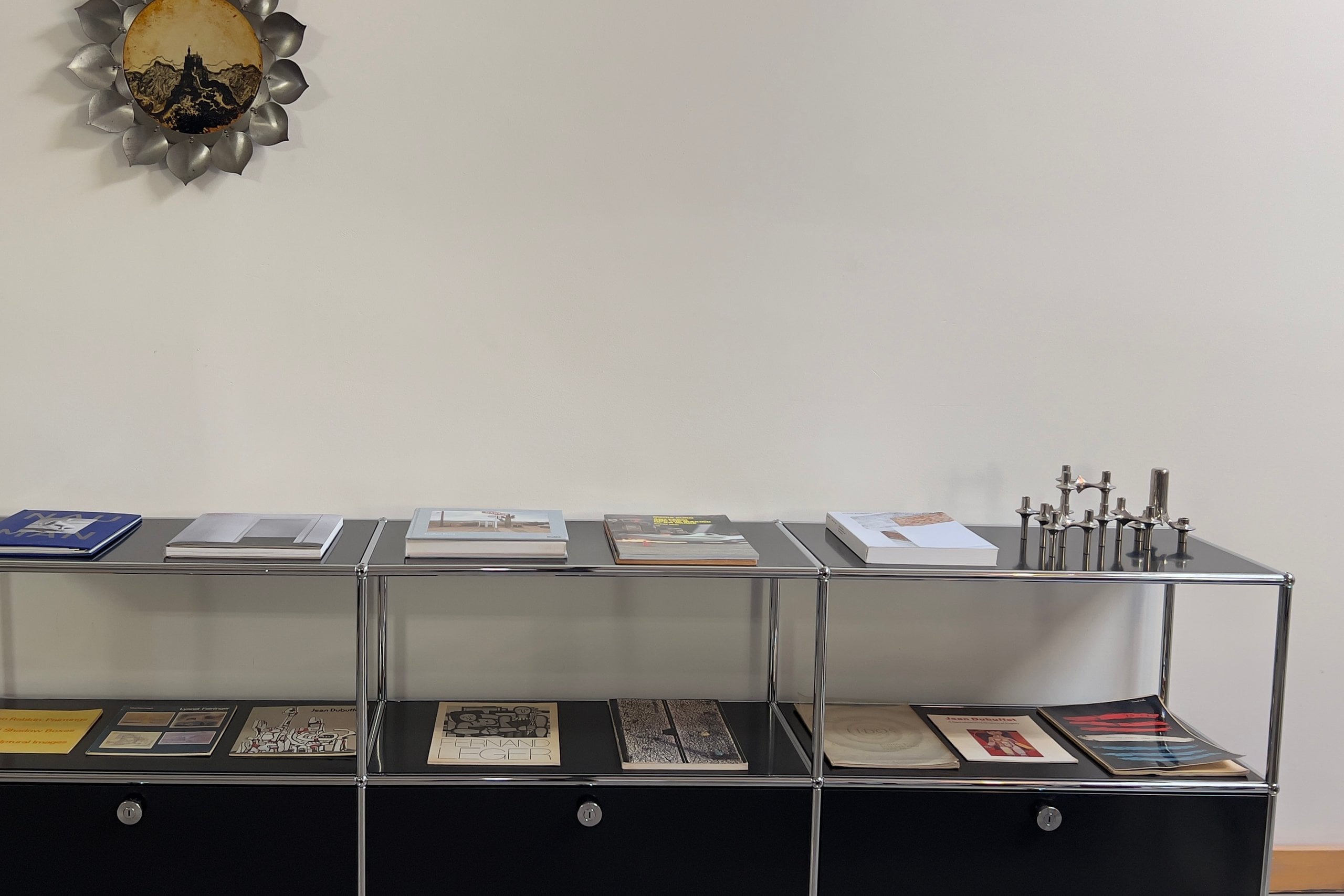

Meyers' apartment in "Late Fame."
Tommaso Ortino
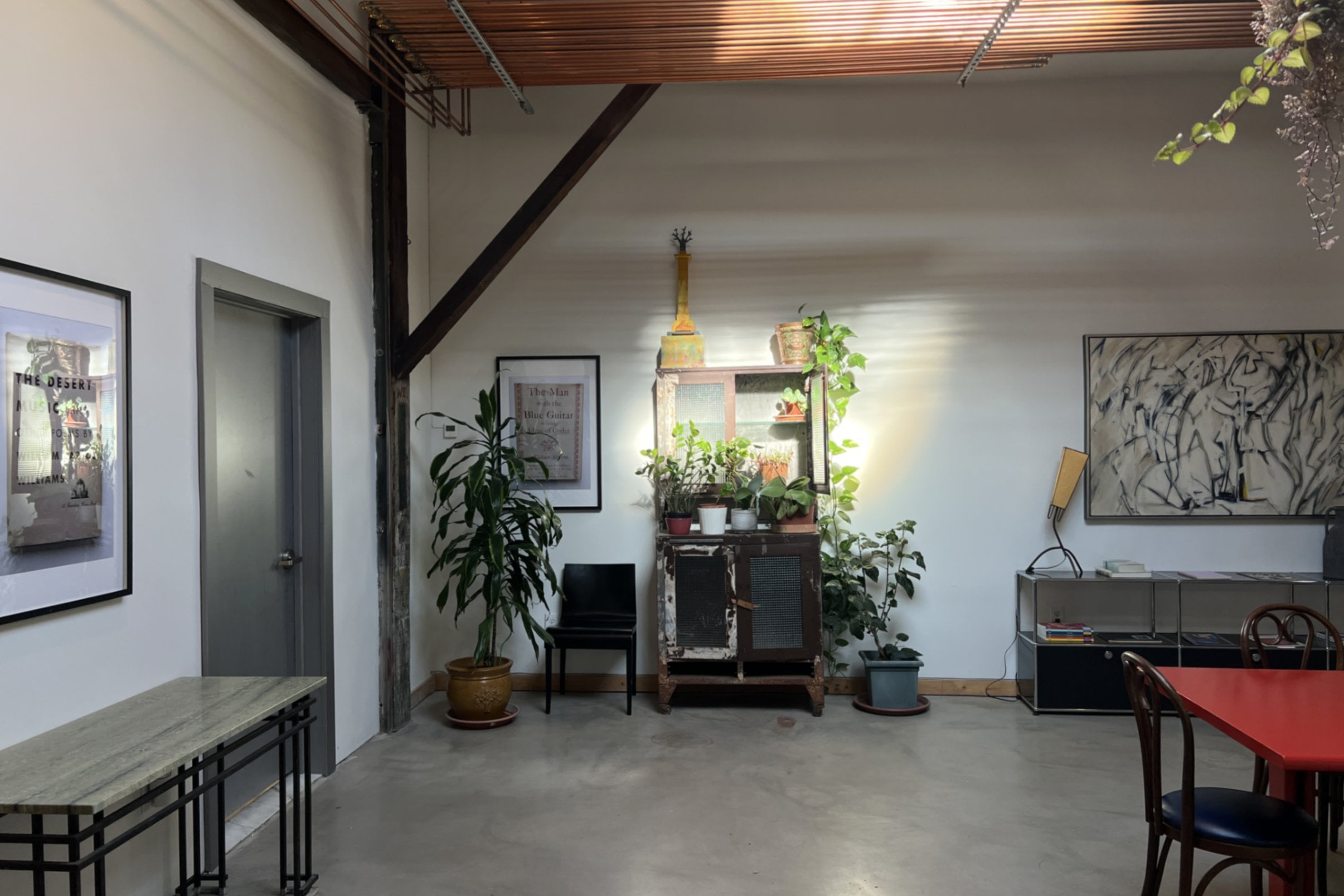

Meyers' apartment in "Late Fame."
Tommaso Ortino
When Saxberger enters Meyers’ ostentatious apartment, he admires a carefully framed cover of “Howl,” as illuminated by skylight. The NYU grad's impressive selection of curated first edition book covers begs the question: at what point does pastiche turn into parody? “That's the beginning of the breaking of Ed's fantasy. It breaks using the elements that I thought, quickly read as wealth, as hip but expensive,” Ortino says.
The grandeur of Meyers’ open-air apartment is juxtaposed against his choice in meeting spot. Meyers’ literary salon regularly convenes in an old school cafe adorned in vintage lamps and eclectic mismatched furniture. “They go where they think they've seen their heroes,” Ortino explains, citing Allen Ginsberg and Patti Smith as the inspiration for Meyers’ idealized aesthetic. Ortino adorned the cafe with “cheap things,” including cigarettes, hoping to emulate “that kind of raw, minimal place with things on the floor.” For the site of the poetry reading, Ortino scouted a cafe in Patterson, New Jersey that he repurposed to look like Bushwick.