
Straightened Eyelashes and a Round-Brush Blowout Helped Transform Anthony Ippolito Into ‘Rocky’
Beauty
"I Play Rocky" hair department head Nakoya Yancey and makeup department head Jackie Risotto break down how they helped the actor embody a struggling Sylvester Stallone for the biopic.
In his history-making, Oscar-winning 1976 sports drama, “Rocky,” Sylvester Stallone, as the titular boxer, conjures indelible images imprinted on the cultural consciousness—and an instant surge of inspiration, as if underscored by the soaring horns of Bill Conti’s theme song. There’s the beanie-topped silhouette of Rocky Balboa triumphantly reaching the top steps of the Philadelphia Museum of Art; his swollen, bruised face framing exhausted but determined eyes in the boxing ring; and his feathery shag tamed under a tilted porkpie hat to shuffle around an ice rink with Adrian (Talia Shire).
So faithfully reproducing those legendary looks on Anthony Ippolito—who embodies Stallone in the biopic chronicling the making of the quintessential underdog film—was paramount. “Just making sure we didn't mess it up,” says “I Play Rocky” makeup department head, Jackie Risotto, about the biggest challenge she and hair department head Nakoya Yancey faced behind the scenes.
True to life, the movie opens when he was a struggling actor—auditioning under the name Mike Stallone, not getting callbacks, and, at one point, sleeping in front of an empty storefront. (In reality, a broke Stallone slept in Penn Station, which was too costly for the production to recreate.) For research, Risotto and Yancey, in collaboration with costume designer Amy Roth, dove into imagery and video of Stallone before he became a world-famous action star. “He starred in a couple of smaller movies in the past,” says Yancey, who also studied personal photos that Stallone shared with director Peter Farrelly and producer Toby Emmerich. “Anthony had pictures that [Stallone] had sent him. Some of the pictures I had never even seen before. That was great because his hair was longer in those pictures and movies.”

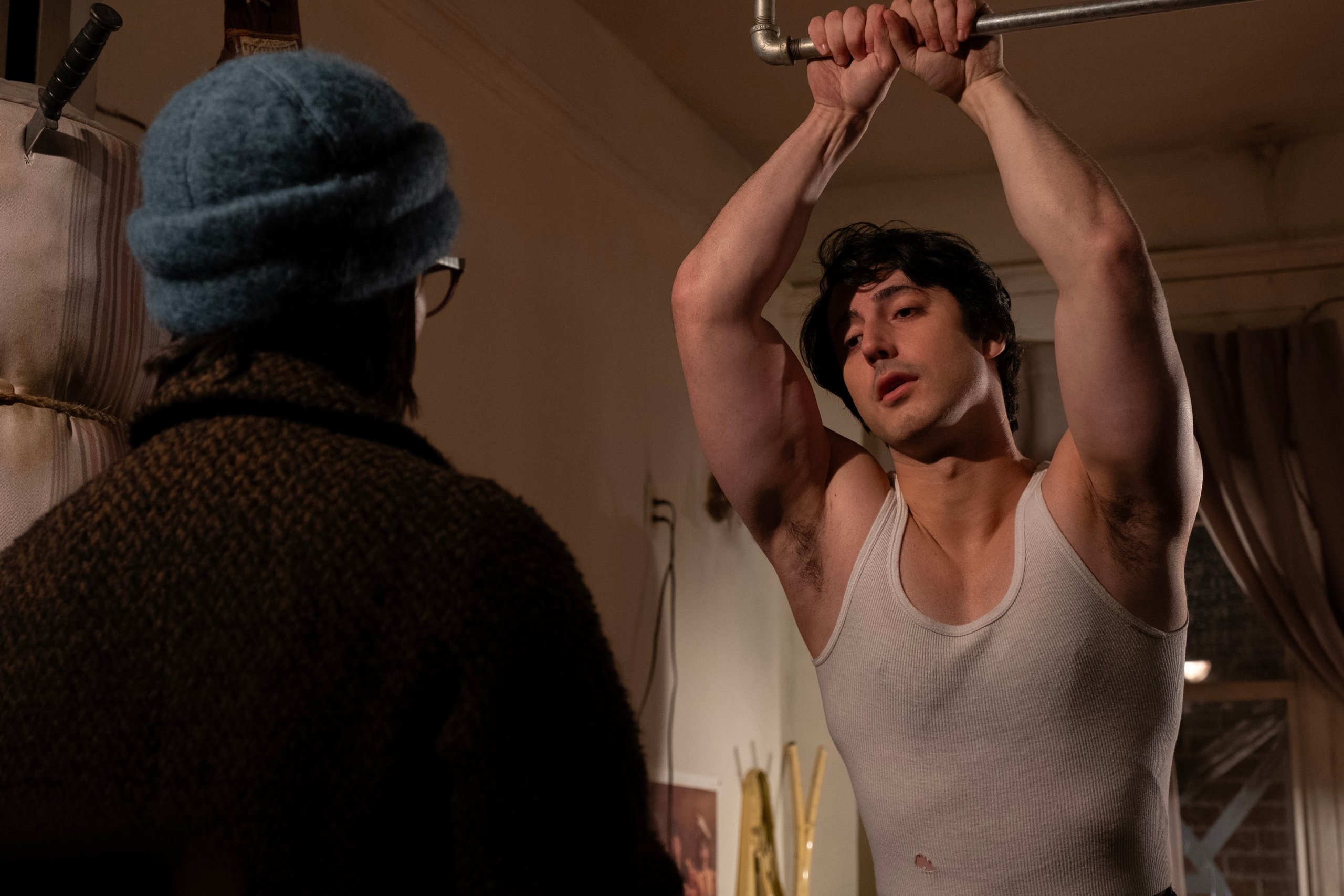
Anthony Ippolito in "I Play Rocky."
MGM
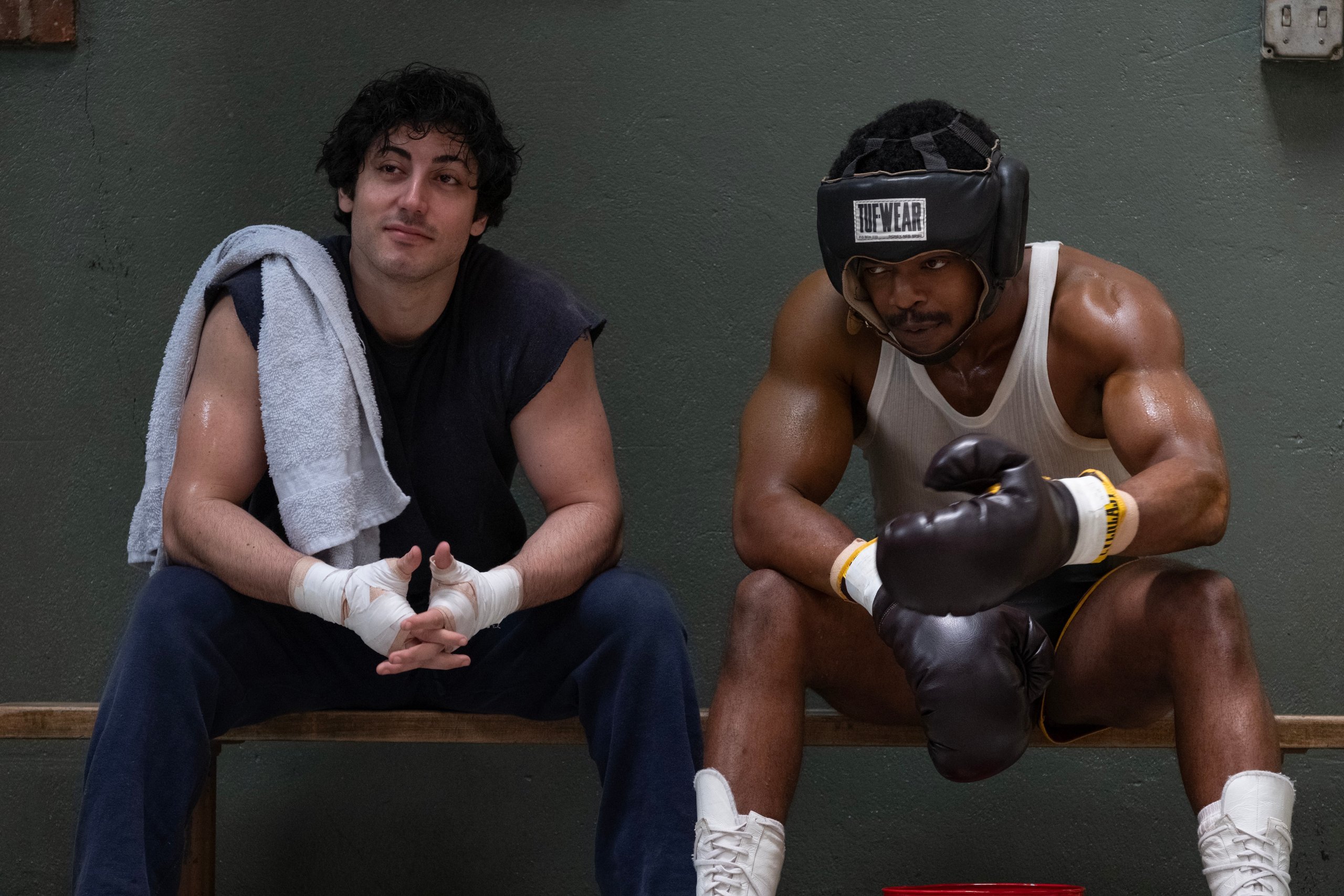

Anthony Ippolito and Stephan James in "I Play Rocky."
MGM
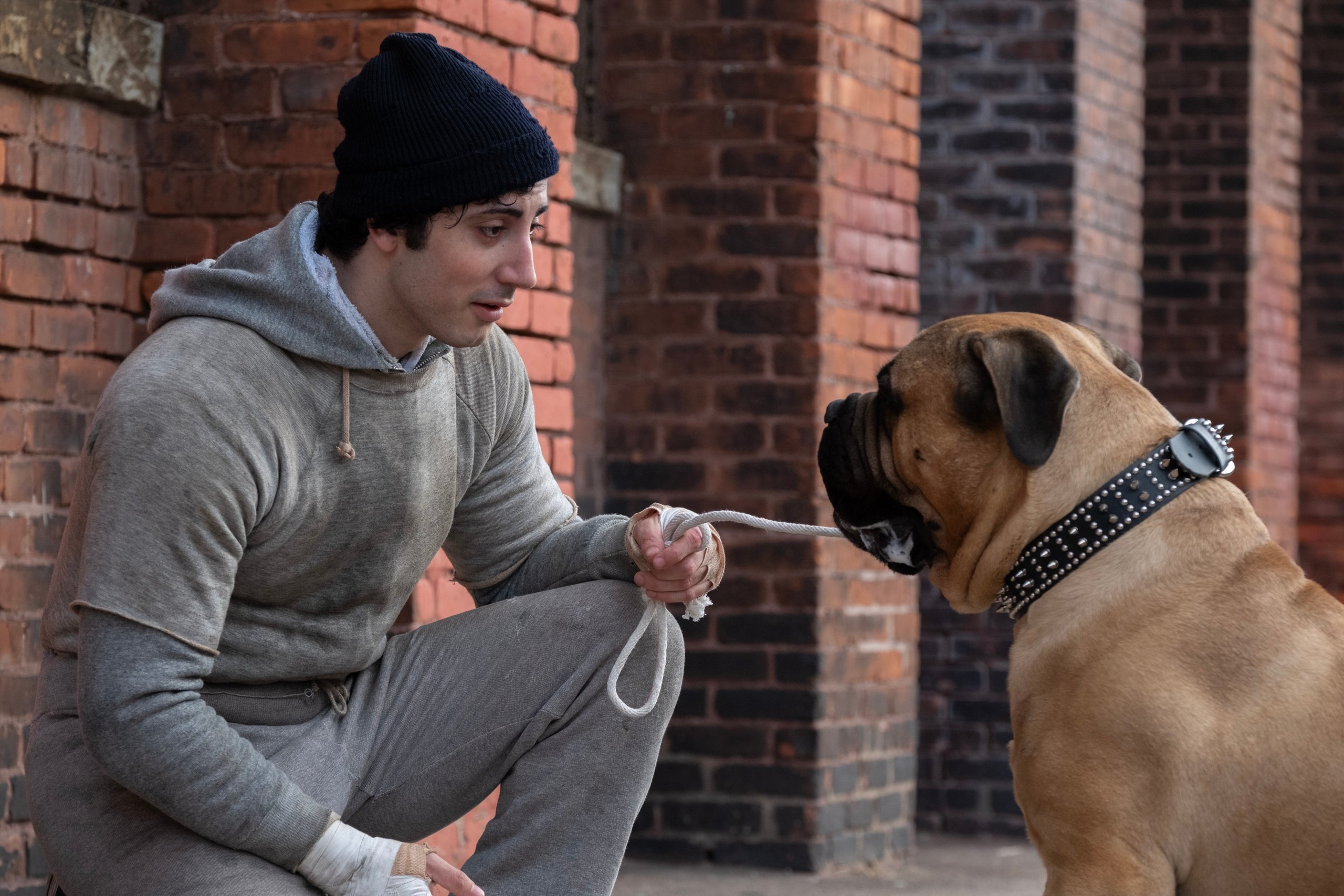
Anthony Ippolito in "I Play Rocky."
MGM
Anthony Ippolito and Stephan James in "I Play Rocky."
MGM
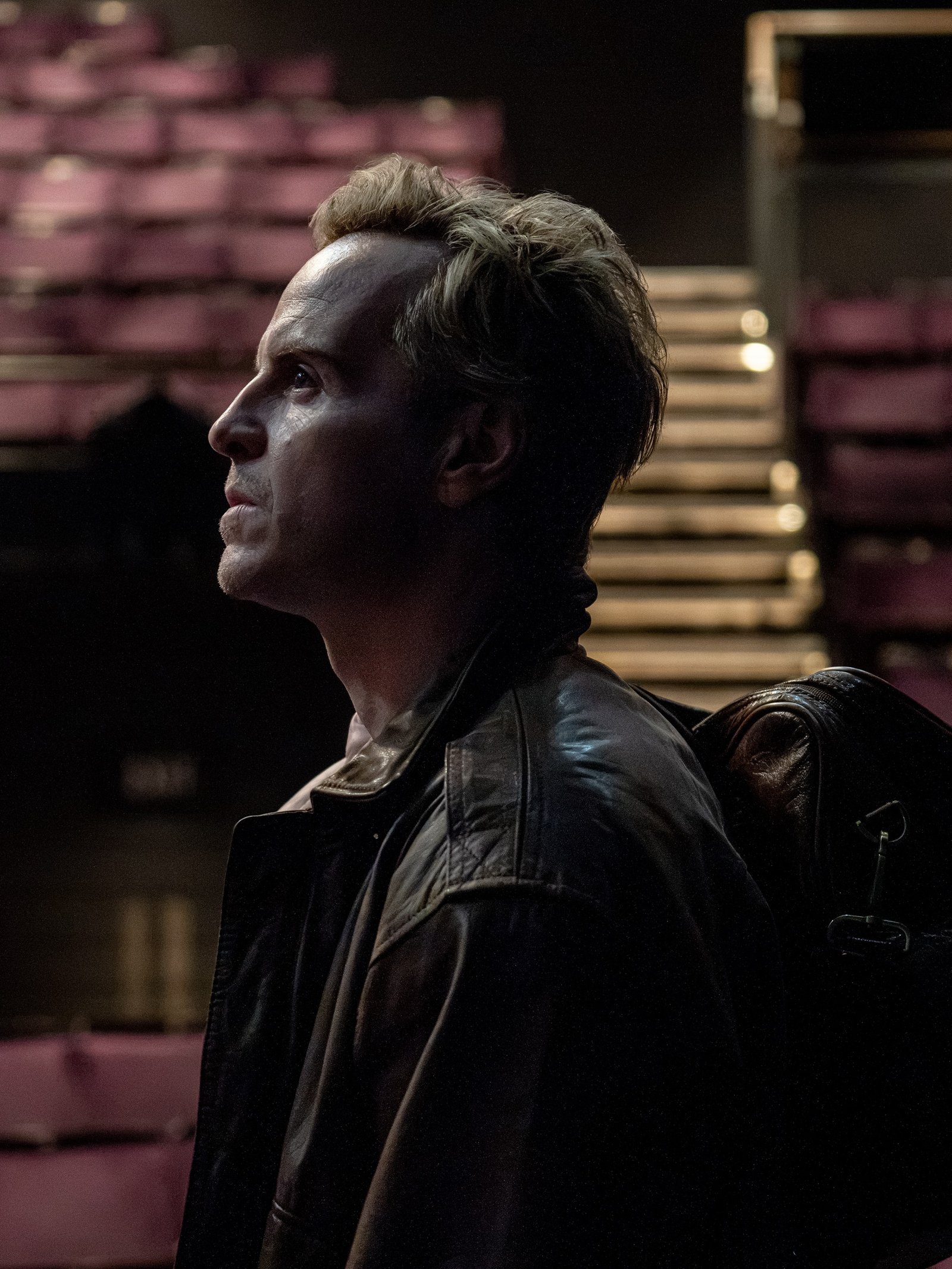
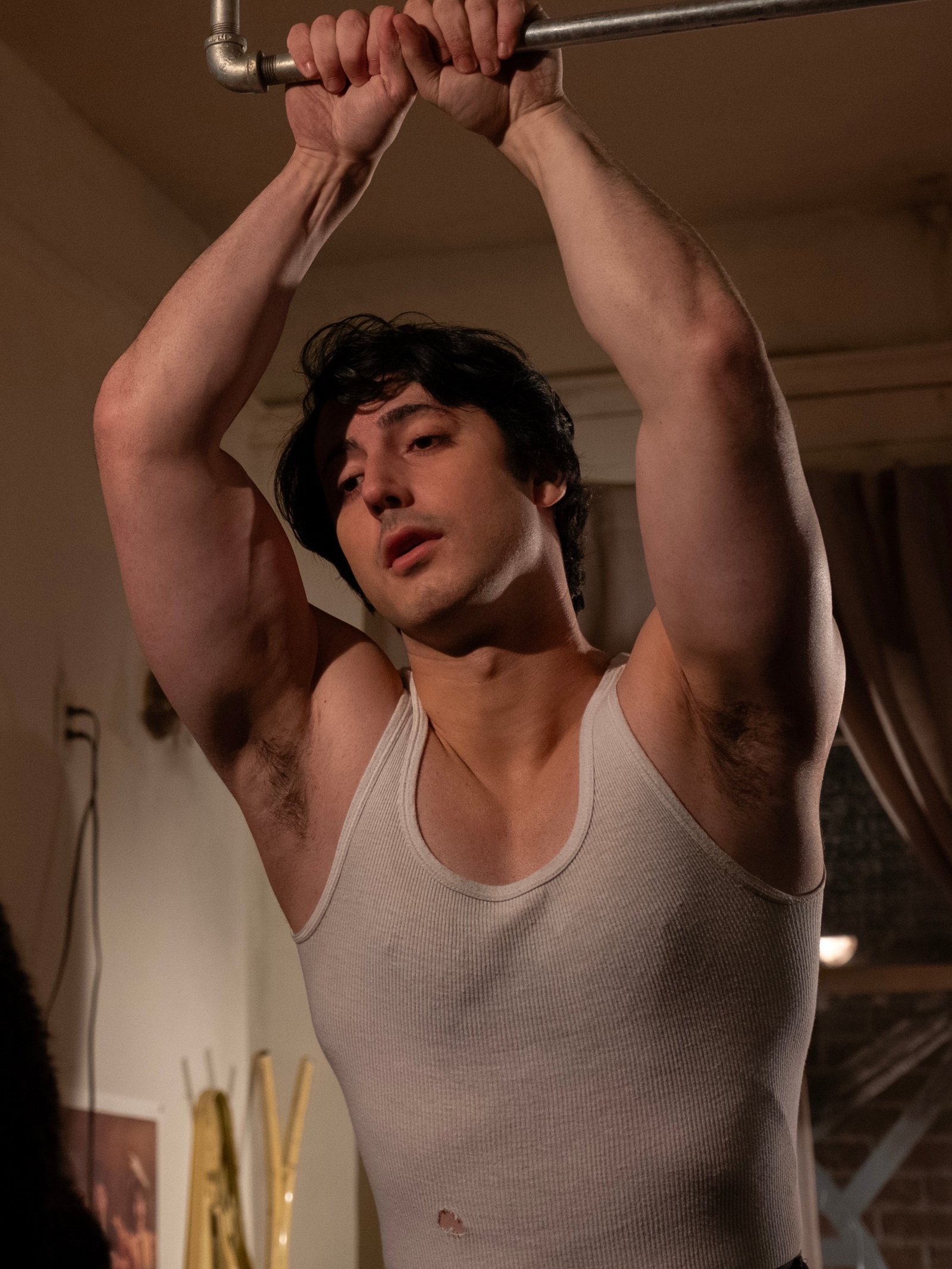
To relax Ippolito’s waves to resemble Stallone’s, Yancey applied a chemical texturizer instead of a harsh keratin treatment. “Anthony's hair is very, very curly. He has beautiful, beautiful curls, like beautiful tendrils,” says Yancey, who also dyed his hair a darker natural black to match Stallone’s. She then “mimicked” the style of his mid–’70s feathered cut, but trimmed the layers to accommodate Ippolito’s facial structure. “I just had to give it more dimension, more shape, especially around the back of his head, which is not as flat as Stallone's. I would wet [Ippolito’s] hair down, round brush his hair, and then flat iron it just to tame the curls,” says Yancey, who then worked in R+Co Aircraft Pomade Mousse, opens in new tab. “Of course, when he got sweaty, then you would see his curls.”
Risotto also tricked the audience’s eye by modifying Ippolito’s most expressive feature with straightforward yet transformative techniques. “Most importantly, his eyes,” she says. “Anthony has very curly eyelashes that naturally lift up his eye, and Stallone's are more downward.” So Risotto used a heated eyelash curler upside down to straighten Ippolito’s lashes. “You're kind of reversing what you learn in makeup school,” she continues. “Then I took a small straightener to really make sure that they were straight—pointing down—to mimic Stallone's. I also filled in his brow a little—and would drag it down— and shadowed the corners of his eyes down.”
Encouraged by his wife Sasha (AnnaSophia Robb), Sylvester reclaims his first name and decides to write a part for himself—instead of waiting for casting agents to give him a breakout role. The couple move to sunny Los Angeles, where Sylvester pays the rent (and networks with Hollywood power players) as a valet, while writing screenplays, which Sasha types up late into the night. After multiple passes, “Rocky” impresses producers Irwin Winkler (P.J. Byrne) and Robert Chartoff (Toby Kebbell)—and the rest is history, as the team heads to non-union Philadelphia to make the movie on a shoestring budget.
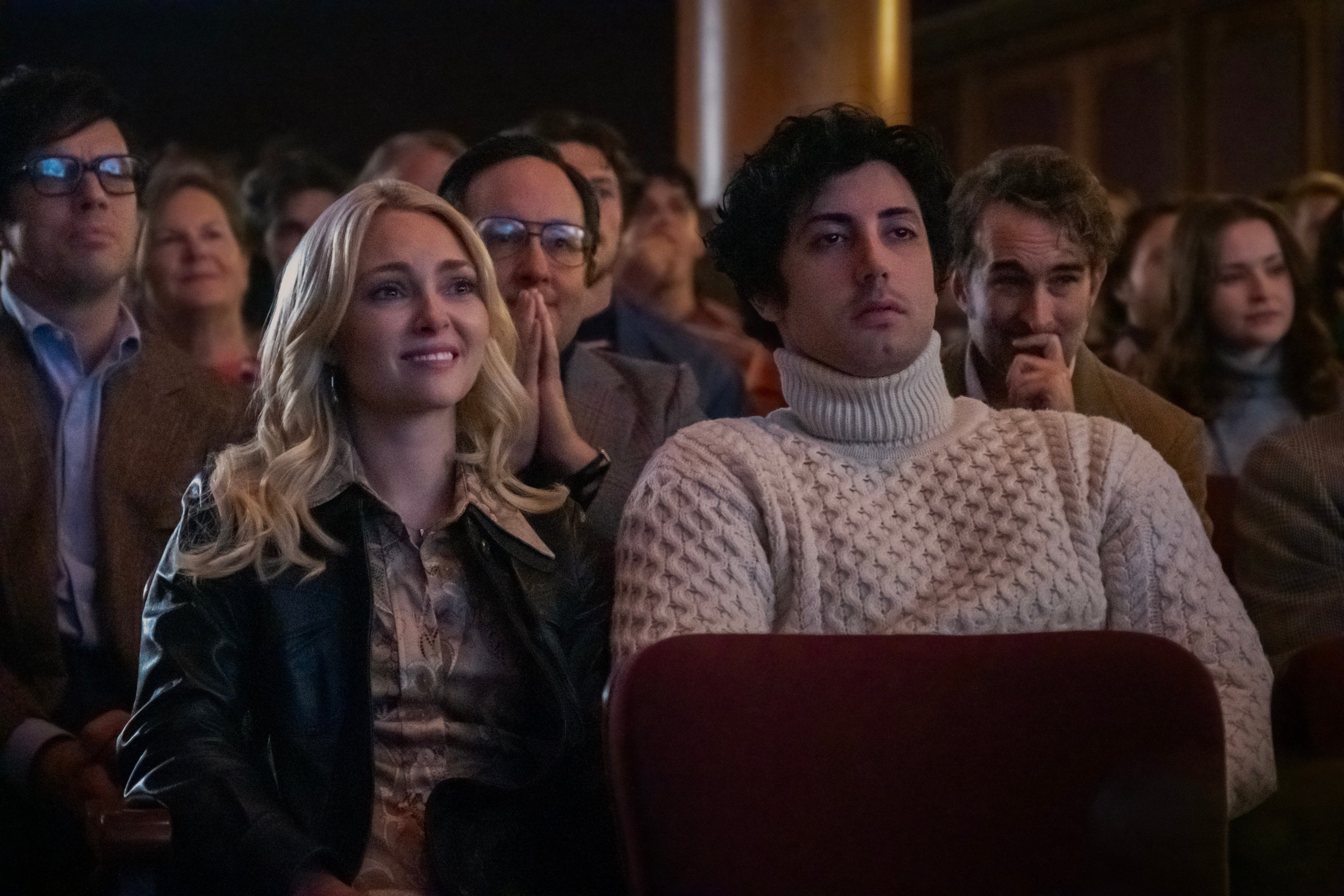

AnnaSophia Robb and Anthony Ippolito in "I Play Rocky."
MGM
“Everything from the first ‘Rocky’ movie was really raw and gritty,” says Yancey, who studied the movie countless times. “Then, if you watch the second one, you say, ‘Oh, now they have money.’ There was a difference. Everything changed.” Notably, on IMDb, opens in new tab, Michael Westmore is credited as makeup creator on the 1976 classic, but there’s no mention of a hairstylist and, common to the era, costumer Robert Cambel and costume supervisor Joanne Hutchinson handled the wardrobes, in lieu of a costume designer (In a scene in “I Play Rocky,” Sylvester proclaims that he’s wearing his own clothes as wardrobe on the cash-strapped shoot.)
For the Philadelphia sequences, Risotto and Yancey needed to go meta—not only replicating iconic looks on Ippolito as Sylvester filming famous “Rocky” scenes, but also conveying the arduous physical and emotional journey that Stallone went on, even after the (fake) cameras stopped rolling. Risotto applied small prosthetics on Ippolito to highlight Sylvester’s resolve and perseverance. “Stallone has a puffier brow bone, so we would apply these tiny prosthetic transfers to his eye to [further] push down a little bit and help enhance that downturn effect,” she says. “When he was making ‘Rocky,’ he was breaking his hands and his feet. There were blisters on his feet, like he was really beat up. Once time has passed, we're showing all of these physical wounds have healed, and there’s just the emotional trauma left over.”
To emulate Rocky’s instantly recognizable porkpie hat and fisherman’s beanie moments, Yancey meticulously pulled out and placed carefully straightened strands of Ippolito’s hair to match Stallone’s in the film. “Oh, I love the hats,” she says, with a laugh. “[Ippolito] would stop playing with his hair with the hats.”
Yancey explains that Farrelly and key video-assist operator Matthew F. Salvatore also provided stills and footage from the original movie—via PDFs, displayed on set, and on portable iPads—so they could easily reference what they needed to reproduce. “So you would know, ‘Oh, this part is next, so let's start prepping for that.’ It was just constant, constant, constant. We had to match them as best as possible,” says Yancey. “It’s like art imitates life,” Risotto chimes in. “But it all is very meta.”