
From Victorian Wallpaper to Stained-Glass Windows, How the ‘East of Eden’ Production Design Signals a Rise to Power
Interiors
Oscar-winning production designer Grant Major talks through how the sets of the Netflix adaptation mirror Cathy Ames's journey across America, from her Massachusetts childhood home to the black-painted California brothel, all brought to life in New Zealand.
Zoe Kazan’s Netflix adaptation of John Steinbeck’s “East of Eden” centers on Cathy Ames, the complicated driving force behind the larger Cain-and-Abel story of two generations of Trask brothers. Often portrayed as an evil, manipulative woman or simply a plot device, this version explores the layers of childhood trauma, societal limitations for women at the turn of the 20th century, and the pioneering ambition behind Cathy’s often difficult—and possibly unconscionable—choices. As she journeys from New England to the frontier of Northern California, her surroundings also reflect her struggles, demons, and end goals as she subverts expectations and uses her beauty and sharp resourcefulness as tools to survive the harsh, sexist world around her.
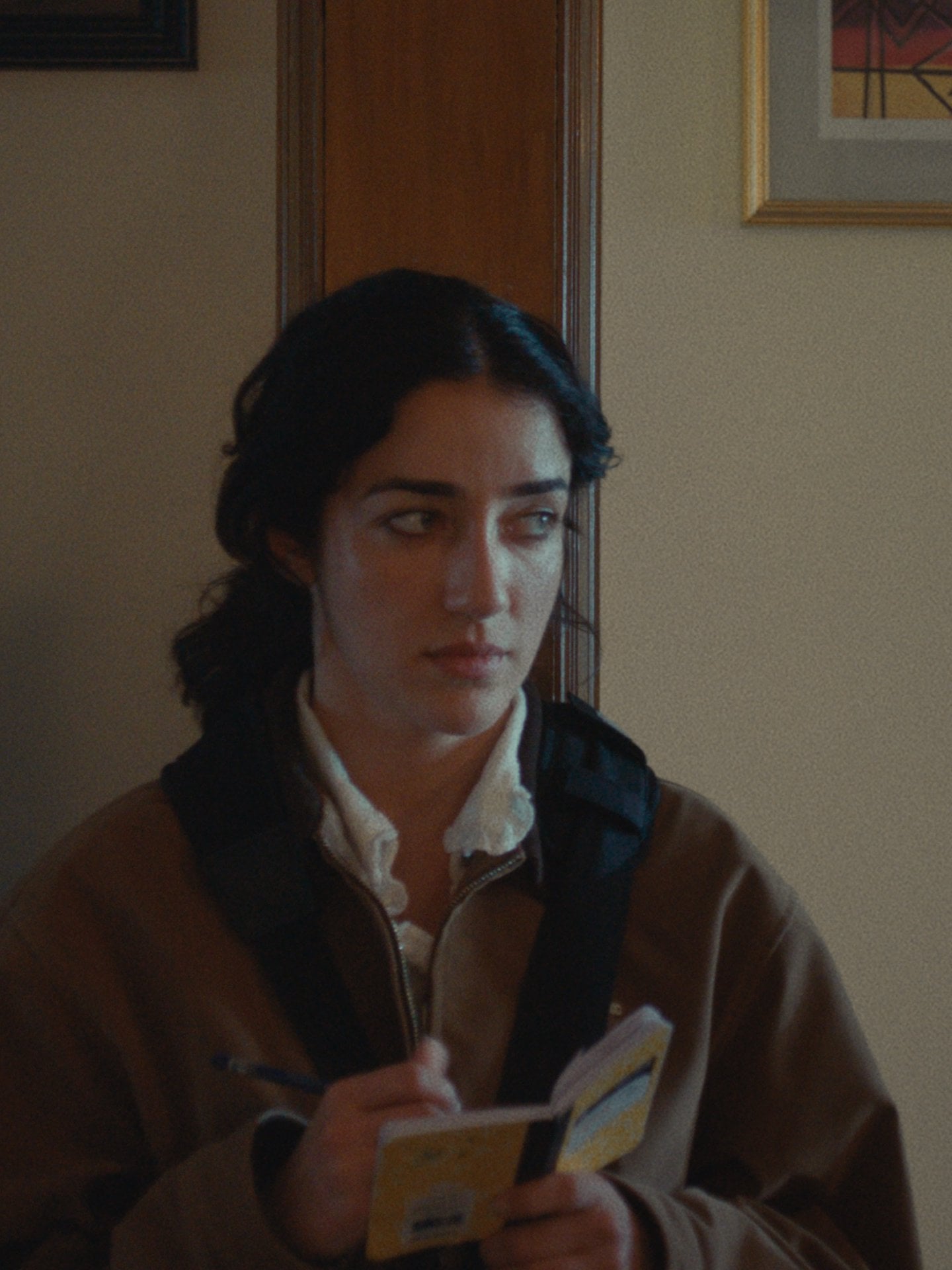
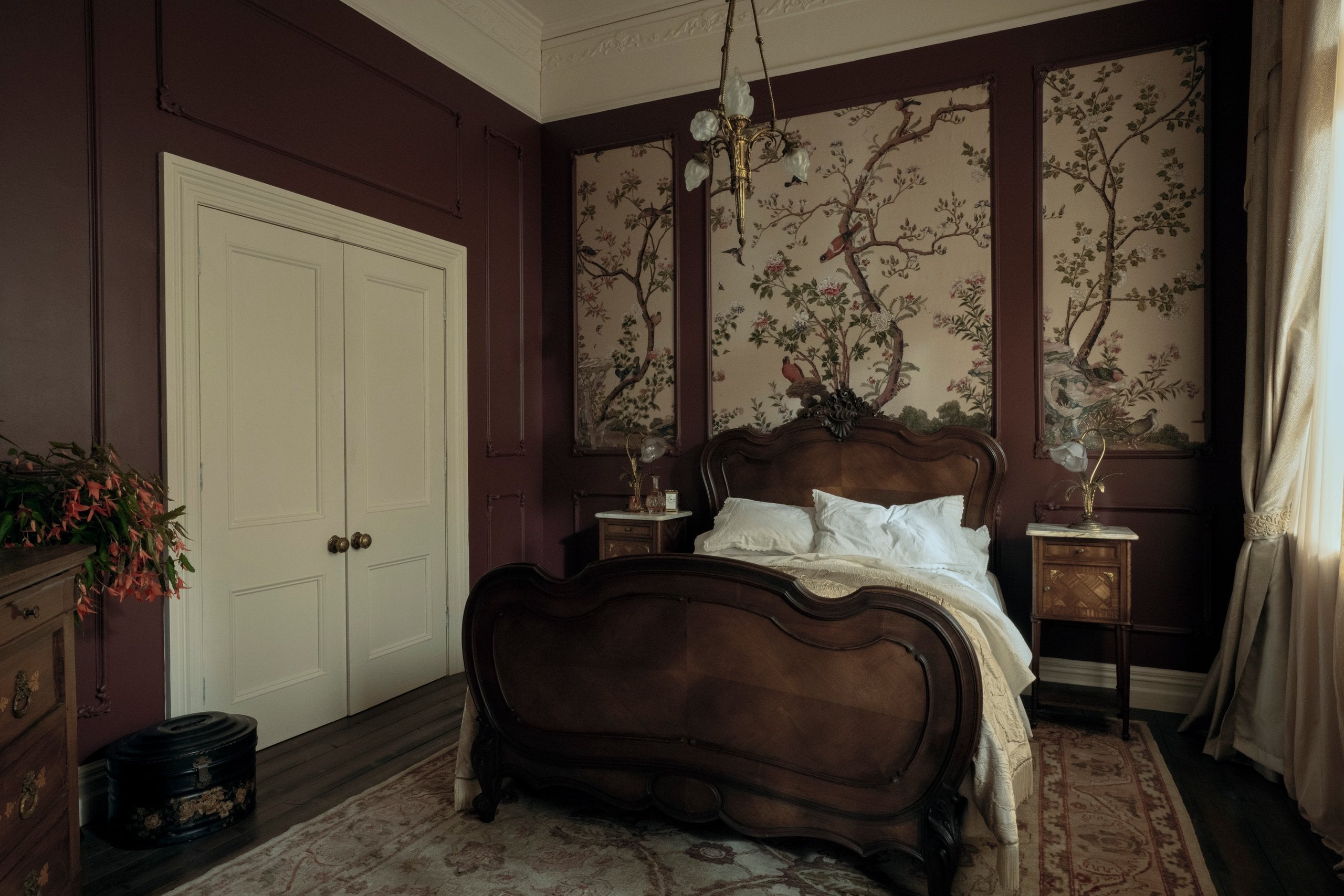
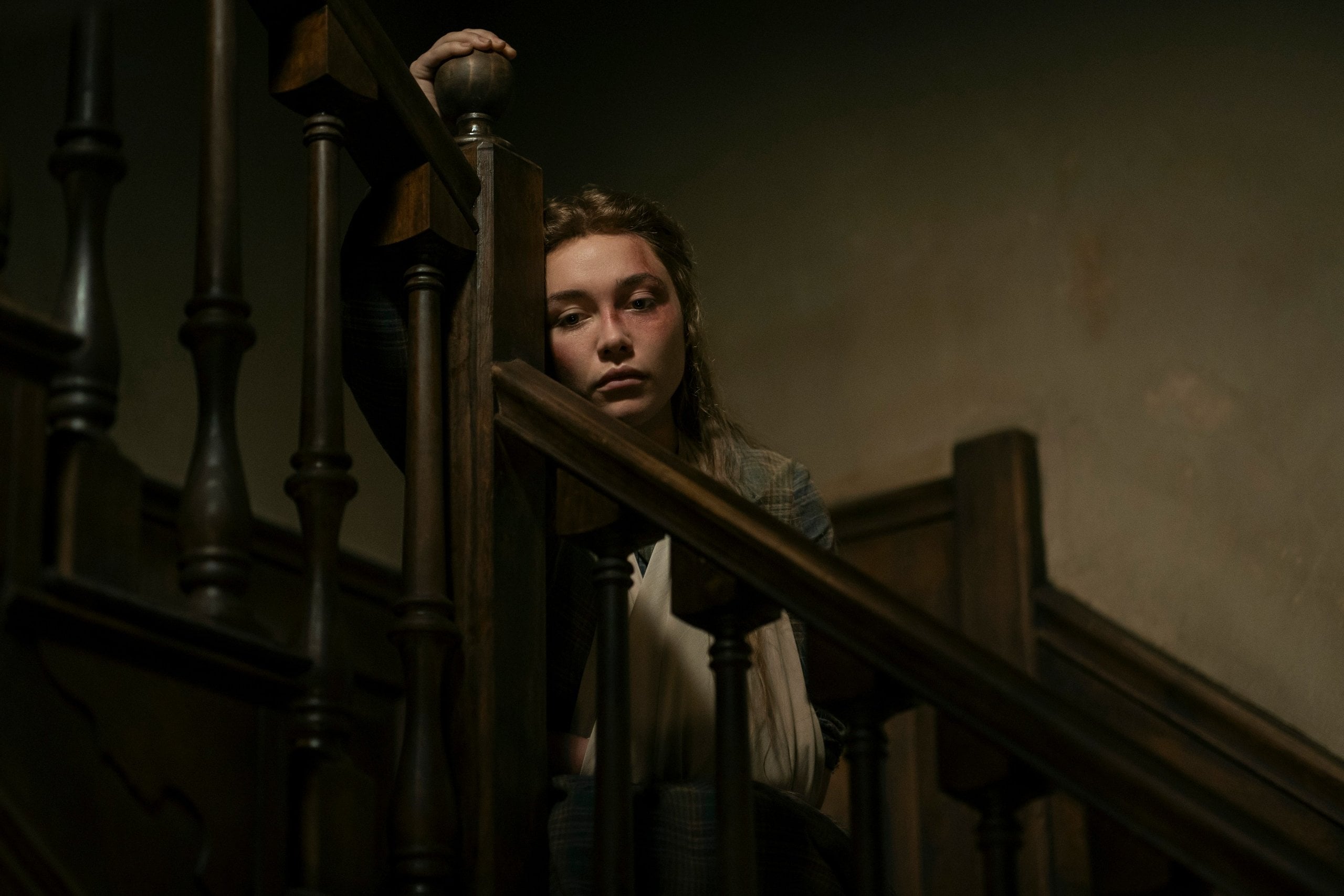
The production design by Grant Major is just as layered. The Oscar winner for “The Lord of the Rings: The Return of the King” explains that young Cathy’s (Vaughan Reilly) childhood home in Amesbury, Massachusetts, was actually a historic home in Auckland, where the New Zealand-based shoot began. “We embraced that beautiful bedroom,” says Major. At bedtime, Cathy’s father (Simon Maiden) questions—and ultimately blames—her about inappropriate attention from her adult teacher, as he stands against the bedroom door, painted in a vivid robin’s-egg blue. Cathy sweetly lies in bed against ornate, large-scale Victorian leaf-motif wallpaper in moss green.
After an explosive split with her family, Cathy—already understanding the limited income-earning opportunities for women—seeks guidance from an experienced sex worker. She asks for advice while sitting in a bedroom lined with pink-and-yellow wallpaper in a Victorian striped Damask pattern. “That was actually another room in the same historic house,” says Major, explaining that the production also shot Cathy’s family scenes on site, while the majority of the sets were built on sound stages. “So the house itself is a wonderful period piece, with, interestingly, New Zealand's oldest wallpapers in it. Everything is exactly as it was when the house was first built in the 1880s. It was a gift.”

"East of Eden"
Netflix

Florence Pugh in "East of Eden".
Netflix
"East of Eden"
Netflix
Florence Pugh in "East of Eden".
Netflix
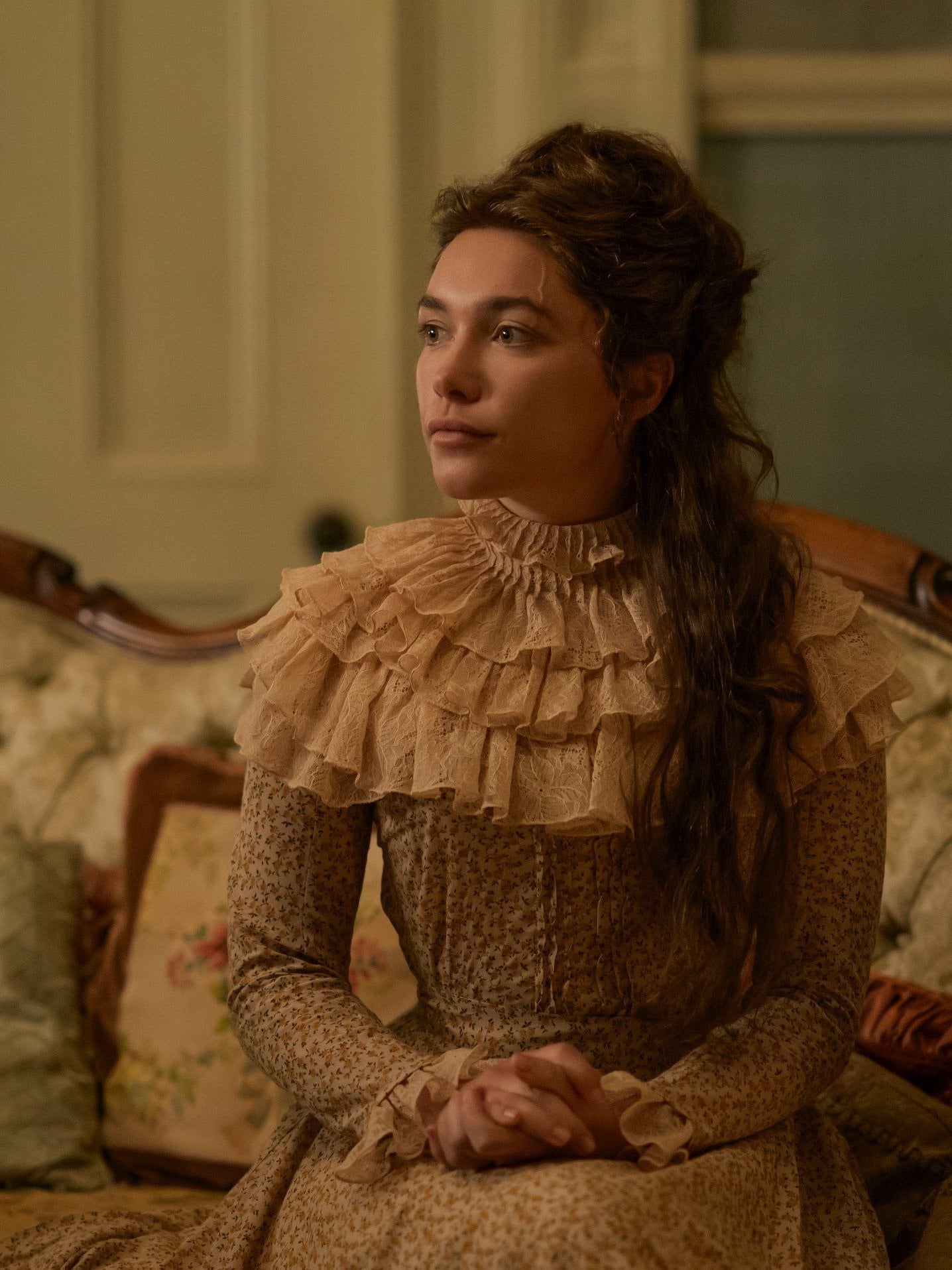
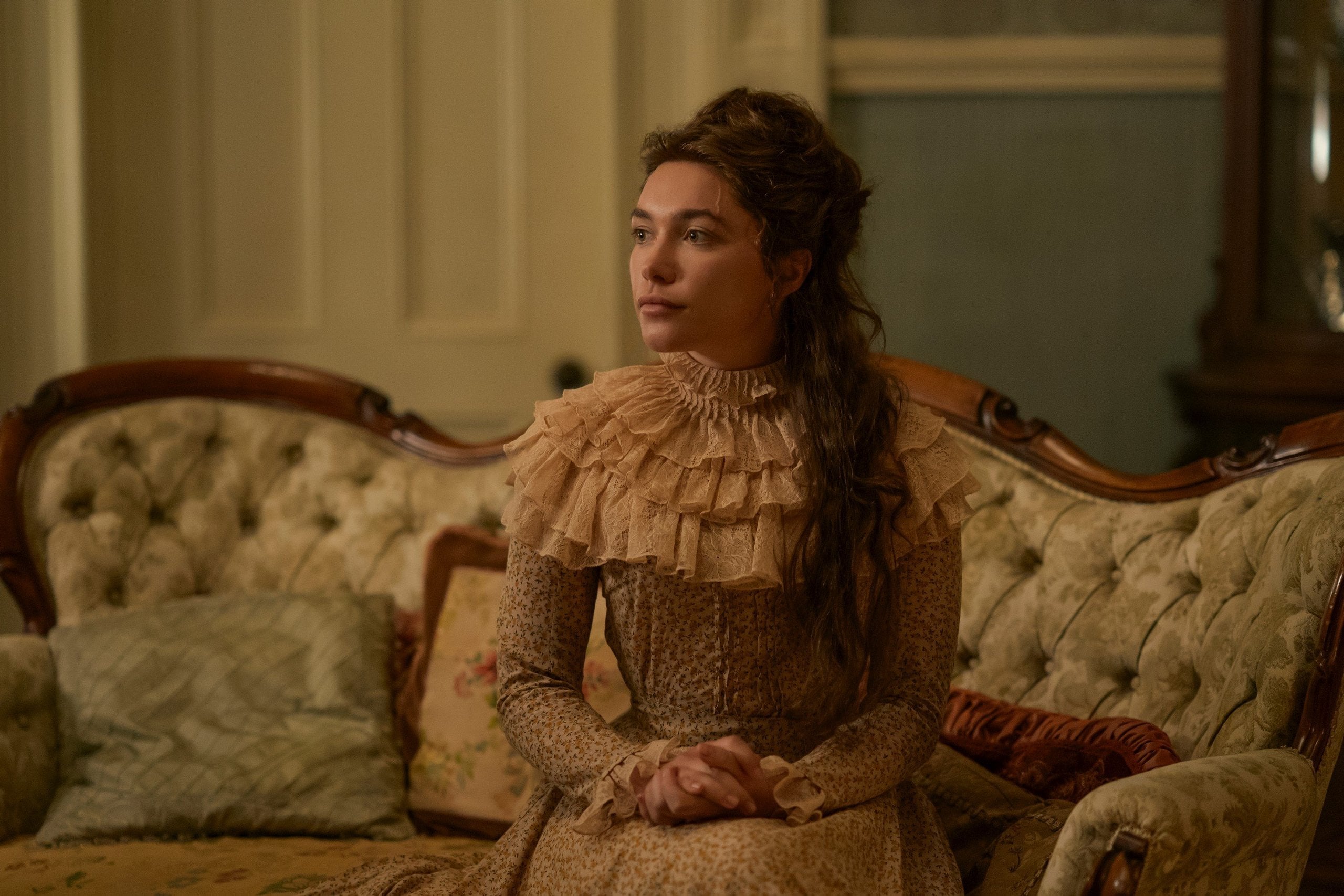
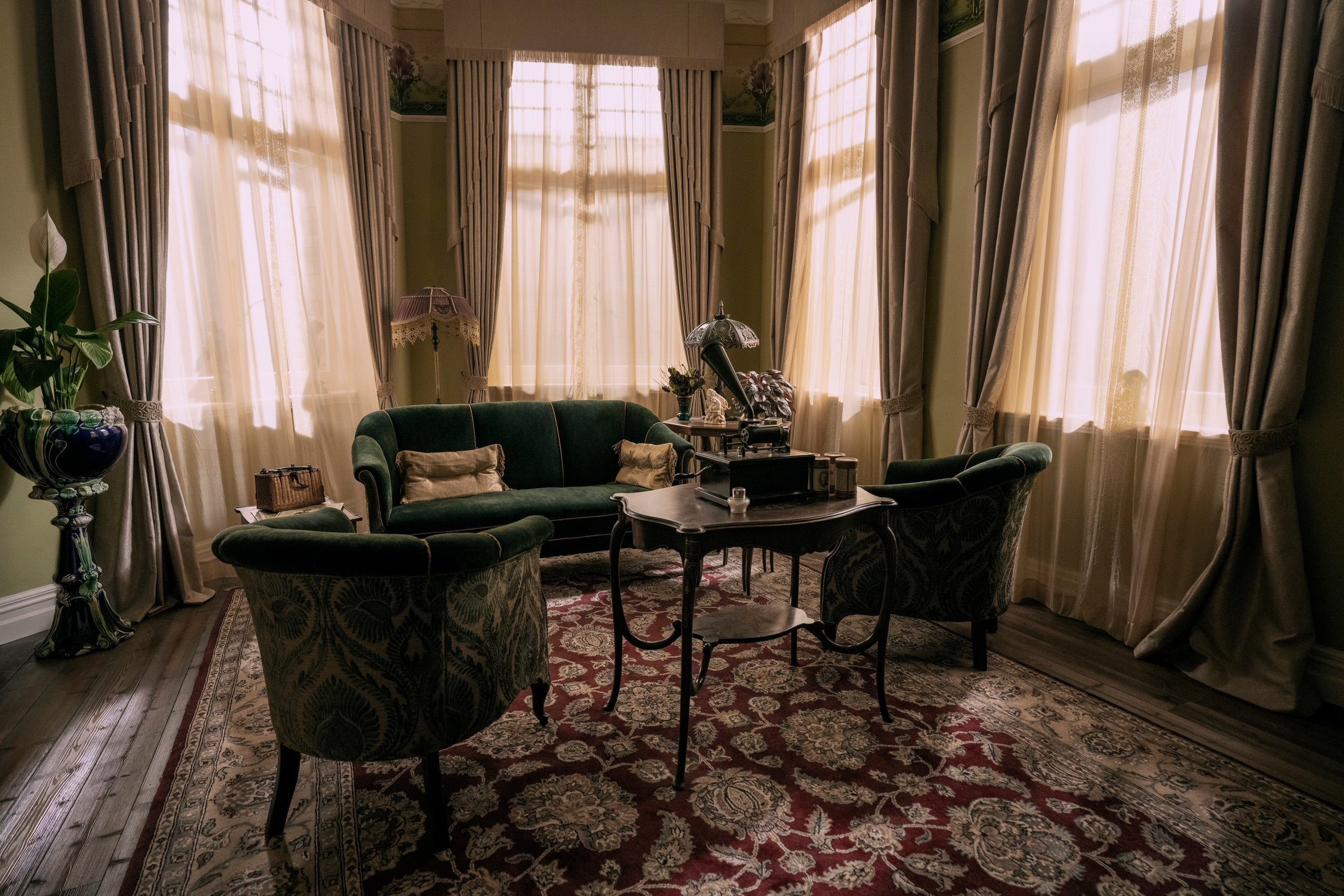
A few years later, a fresh-faced but street-smart adult Cathy (Florence Pugh) arrives in Boston to meet with Mr. Edwards (Jack McConville), a human trafficker using an import business as a front. Besotted with Cathy and the guileless innocence she projects, he takes her on as his mistress and buys her a charming corner apartment. The distinctive wedge shape of the interior, built on a studio stage, was inspired by the exterior of a building in Dunedin, a coastal city known for its Scottish influence and Victorian and Edwardian architecture. “We gave her a front corner apartment, so it's not just a regular square [series of] rooms. It has this very interesting tapering shape to it,” says Major, also pointing out that the view out of Cathy’s windows is a photographic rendering of the actual neighboring buildings.
With her generous allowance from Mr. Edwards, Cathy decorated the apartment to her taste. A cherry-blossom-themed feature wall bedecks her bedroom, while a gold mantel clock, a still-life floral painting, and chic period lamps—a pink passementerie-trimmed shade and a nouveau-style metal design in the style of Louis Comfort Tiffany—ornament the living room.

"East of Eden"
Netflix

"East of Eden"
Netflix
"East of Eden"
Netflix
"East of Eden"
Netflix
“She’s attained a certain amount of power over Mr. Edwards, at this moment, who’s infatuated with her, and so she has decorated it in a very modern way,” says Major. “She’s really able to dial up her own view of what being a fashionable city woman would be. In the lounge, we didn’t use wallpaper; we just used a plain color. Back in that time, [décor] generally was very florid.”
Rather than the elaborate wallpaper and accoutrements typical of the period, Cathy’s apartment feels minimalist, modern, and sophisticated—conveying a brief moment of peace for her. “I just wanted to give this time a focus on Cathy as not being brushed along in a turbulent [scenario,] where she has to follow the events that are happening in the story, but she is a little bit more in control,” says Major.
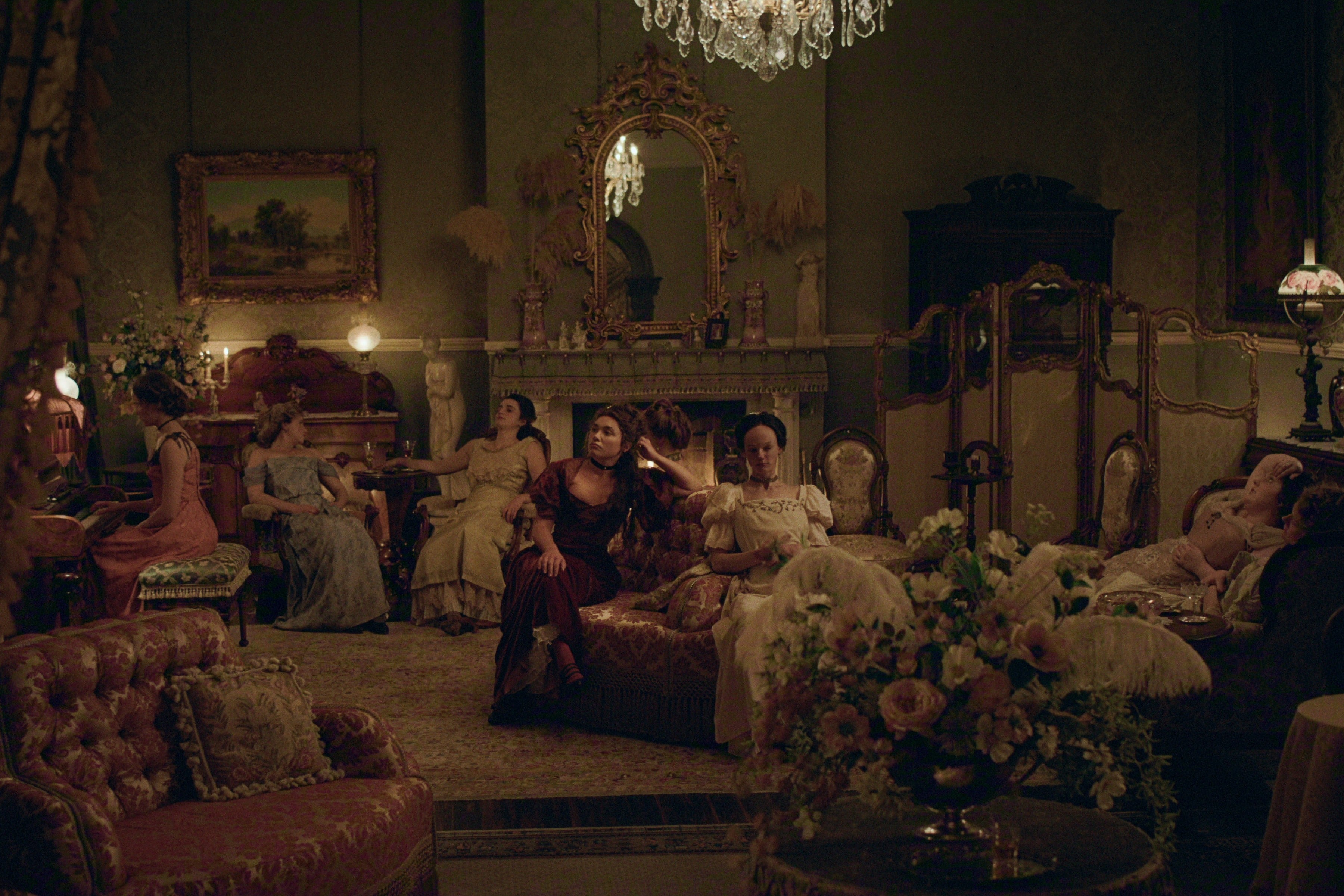
After a violent break from Mr. Edwards, Cathy marries the emotionally wounded veteran Adam Trask (Christopher Abbott), who insists on moving West to start a new life in Northern California. Escaping the confines of her new home and motherhood she didn’t want, Cathy returns to the life and livelihood she knows. She finds employment under Faye (Martha Plimpton), a motherly madam, who begins to consider Cathy as a surrogate daughter. Faye’s soft pastels, frills, and ruffles feel warm and joyful, but warn of a darker future. “[The décor] reflects Faye, who's an older generation. She’s somebody who channeled the high-Victorian look in our imagination,” says Major. “So everything is pattern-on-pattern and very florid and busy. Everything's abundant and [business is] going well. She's the madam who’s got her own nest, which is infiltrated by Cathy.”
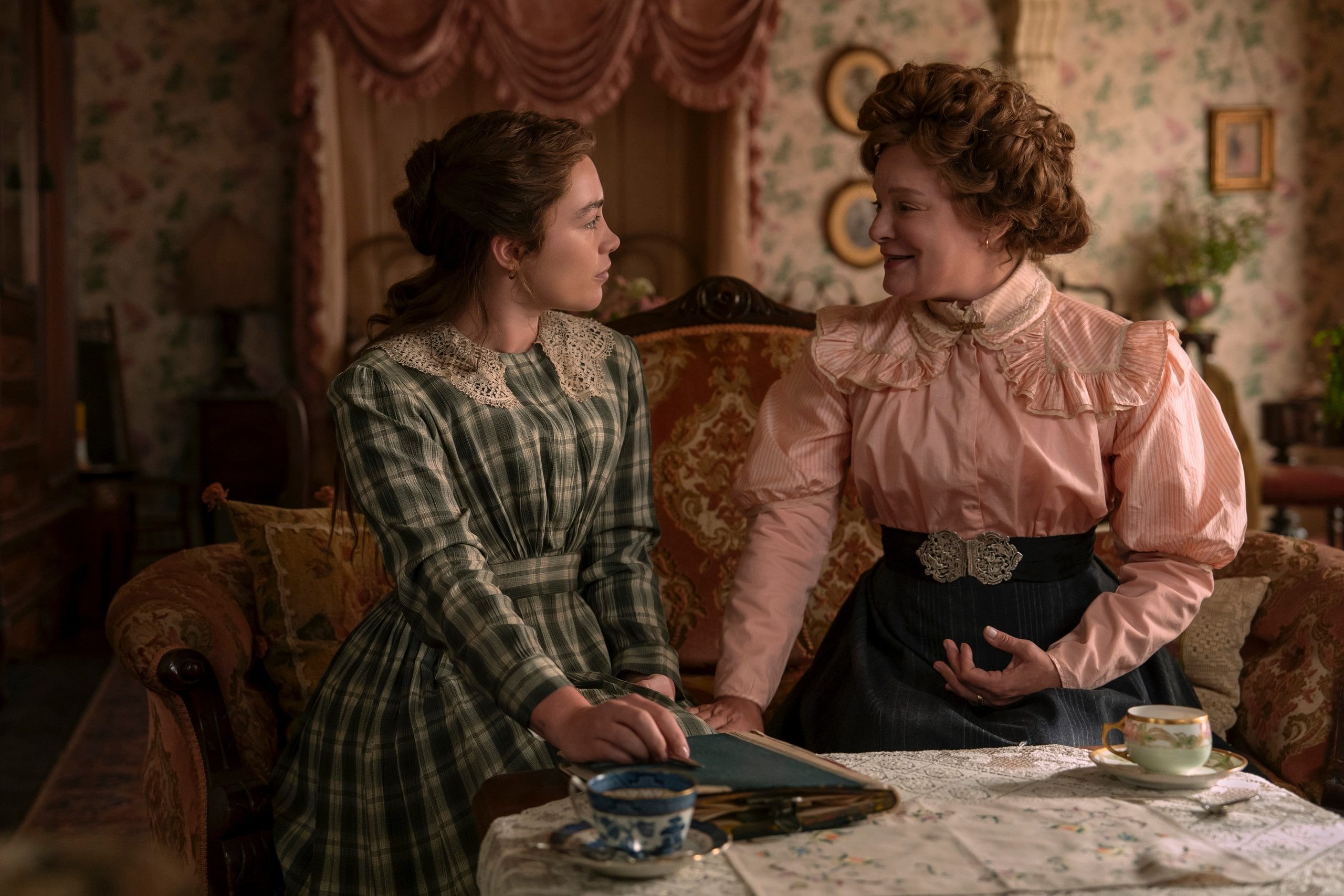

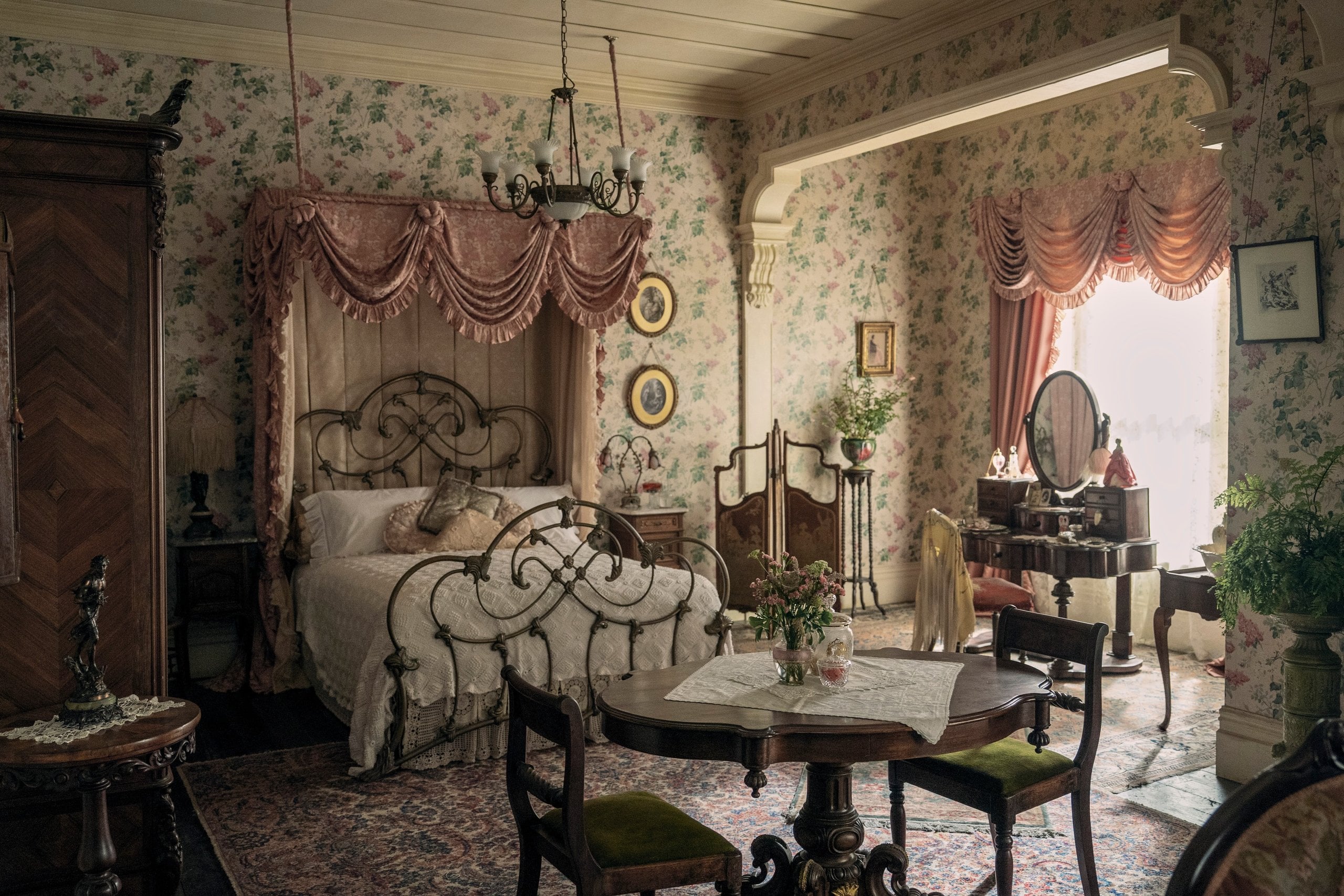

To fill out Faye’s boudoir and the production’s many sets with copious amounts of Victorian-era furnishings and fixtures, set decorator Amber Richards shopped Stateside. “She brought back a 140-foot container jam-packed with everything—not with everything, but—with many, many, many things that we’d need. It was very critical that we were able to go to the source and get all American decoration,” says Major, explaining that Richards did snap up some items local to the shoot. “New Zealand and America have a lot in common in terms of decorating and architectural styles, except America’s bigger. America has bigger lamps. It has more expensive lamps. It has good-sized carpets.”

"East of Eden"
Netflix
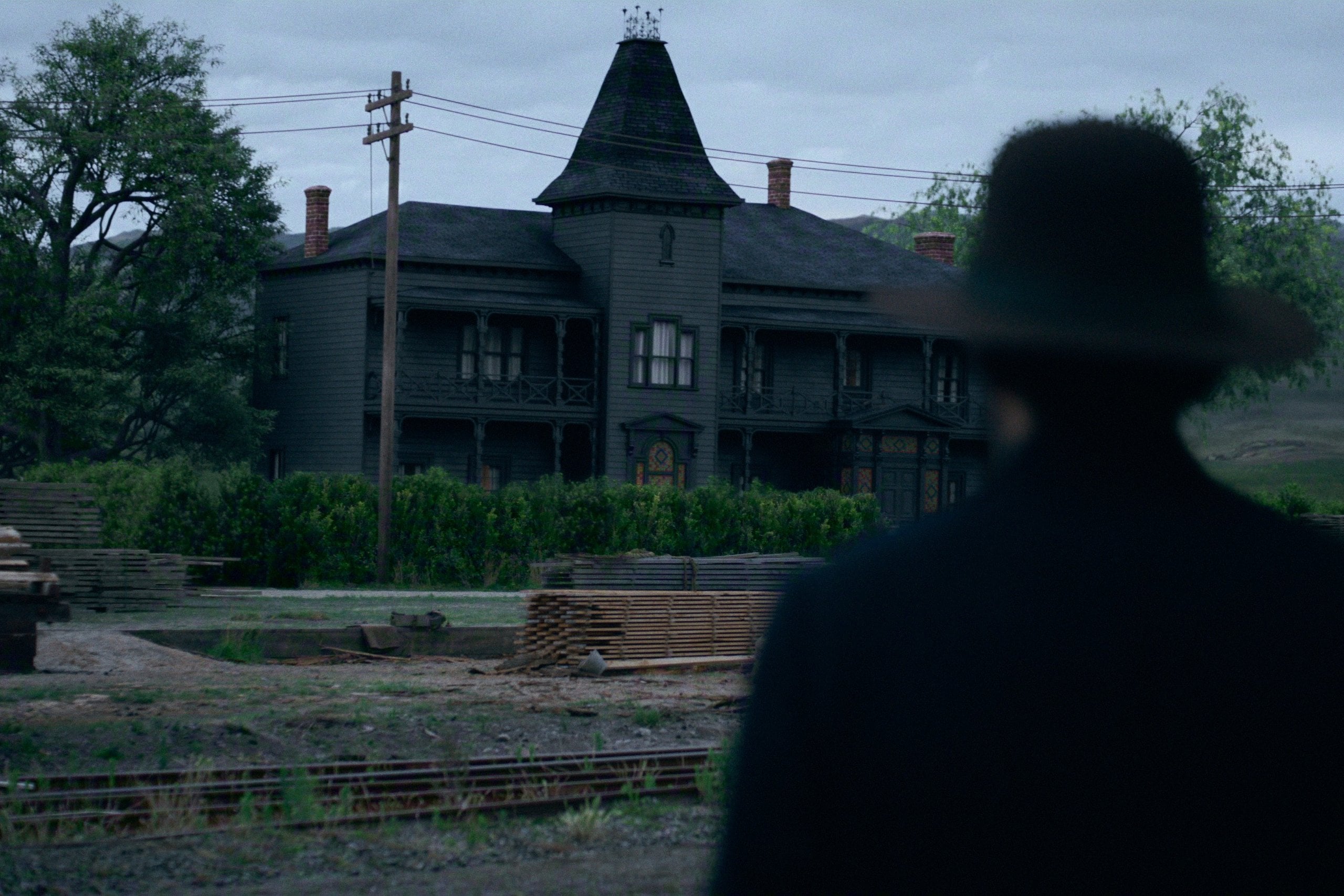
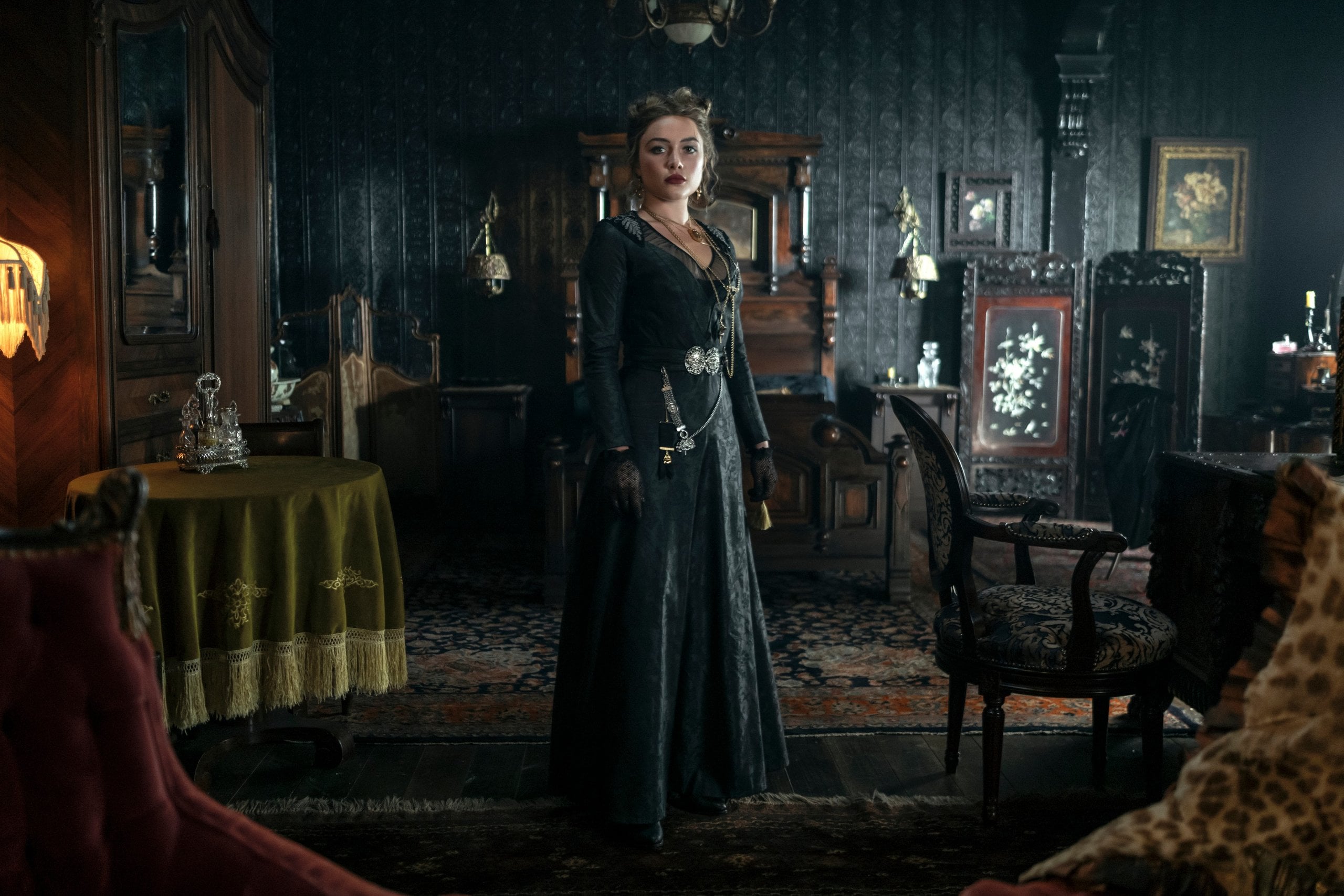
Now at the height of her power, Cathy transforms Faye’s into her own vision, rechristening it Kate’s, her professional name. She adds a new wing, paints the entire exterior black, and pivots the business into a BDSM-themed den. Major expressed the expansion of the house through the complete renovation of Faye’s room into Cathy’s lair—starting with painting over the pretty pink and green florals. “It’s the same wallpaper painted black, but with a slight sheen to it because the wallpaper had some embossing. This pattern was still there when you can see it reflected in the wall,” says Major—like the ghost of Faye haunting Cathy.
Unlike Faye’s welcoming, sunlit room, Cathy’s sanctum has the heavy blinds drawn, and she’s replaced her predecessor’s soft fireplace curtains with dark, moody ones. The oval-mirrored vanity remains, now styled around a profusion of gold-framed Victorian mirrors, leopard-skin throws echoing the taxidermy in the parlor/performance room, and dark lacquered cabinets to store the illicit photos—insurance—she has on the town’s powerful men who frequent Kate’s. “We changed most things there. Kate has gone shopping, and she's made it her own space,” says Major. “She's still human. She's still got all these emotions and sensitivities to her, but she's more manipulative now.”

"East of Eden"
Netflix

"East of Eden"
Netflix
"East of Eden"
Netflix
"East of Eden"
Netflix
Above Cathy’s desk hangs William Merritt Chase’s haunting 1895 painting “Seventeenth Century Lady,” which highlights the back of a white dress-clad woman, who also stands facing a black wall. “It’s ripe with meaning as it relates to Kate’s room; the figure of the lady faces away from the viewer, conveying perhaps shame or sorrow or maybe even defiance,” says Major. “It’s a bold and simple composition that is easily read on screen and goes with the more powerful decoration style in the transformed bedroom of Kate/Cathy.”
Clients and visitors to Kate’s enter through the black front door, framed by stained-glass windows in a latticework pattern of saturated colors—evoking danger and sultry mystery. Major explains that the “old tumbledown house,” painted black and used for the exterior shots, featured similar glasswork in its front entranceway. “Sometimes locations give you something that you didn't expect. Sometimes they give you compromises that you have to work around, and other times they give you something added,” he says. “And in this case, it was an added bonus.”