
In 'Beef' Season 2, Each Interior Space Represents A Season
Interiors
Grace Yun breaks down the Californian spaces of "Beef" season two, from the fall-like nature of a mid-reno house to an apartment that symbolises the promise of spring and the fantasy of perpetual summer that hovers between them.
The second season of “Beef” trades the road-rage-inducing streets of the San Fernando Valley for the simmering tensions found in the sun-bleached affluence of California’s Central Coast. This time around, newly-engaged couple, Ashley (Cailee Spaeny) and Austin (Charles Melton), both low-level staff at a country club catering for the one percent, become entangled in the unraveling marriage of their manager, Joshua (Oscar Isaac), and his wife, Lindsay (Carey Mulligan), after witnessing a volatile fight between them at their home.
For returning production designer Grace Yun, this geographical move mirrored a tonal evolution. If the Emmy Award-winning first season was “overtly aggressive” in its central feud, this season is, as she sees it, “more passive-aggressive with a dynamic more seated in work politics and generational discrepancies.” The show’s creator, Lee Sung Jin—who goes by Sonny Lee—guided Yun with visual references replete with verdant, dreamlike worlds. “He referenced pastoral and lush movies such as ’Barry Lyndon,’ and dreamier Sofia Coppola movies.” Yun, whose credits include several other A24-produced titles, including "Past Lives," "Ramy," and "Hereditary,” brought her own set of references to the table, namely the work of famed photographer Martin Parr, whose highly saturated work captures an “almost like a surreal tableau of everyday life.”
From those early conversations emerged a unifying framework. “We had talked about thematics of cycles, the seasonal cycles, and also the cycles of life in different stages,” Yun explains. Resultingly, each of the four key spaces in the series was assigned a season, shaping not just its palette but its emotional temperature.
The Country Club: Endless Summer
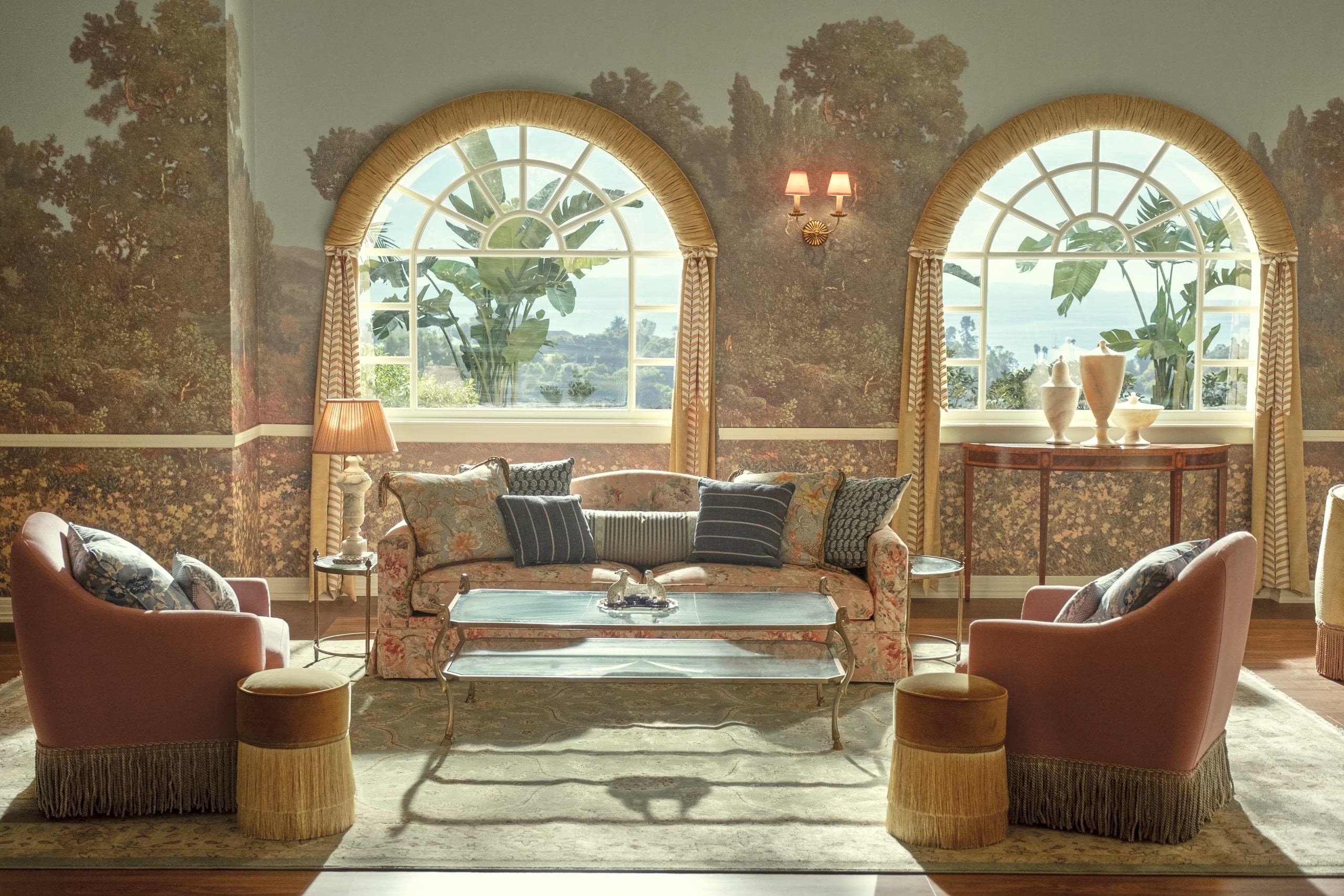

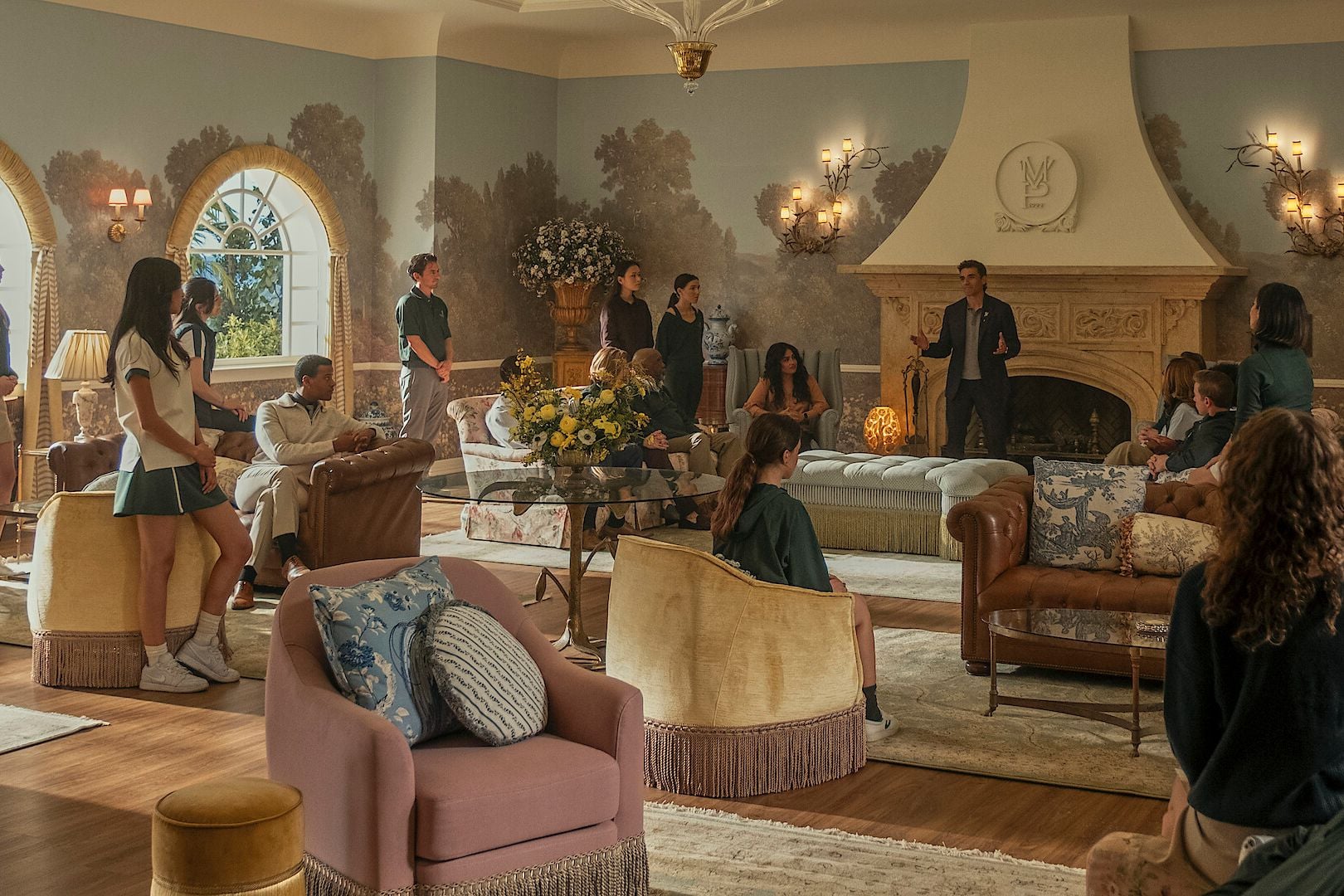
The country club in "Beef" season two.
Netflix


The exterior of the Monte Vista Point country club—filmed at the Montecito Club.
Netflix
The country club in "Beef" season two.
Netflix
The exterior of the Monte Vista Point country club—filmed at the Montecito Club.
Netflix
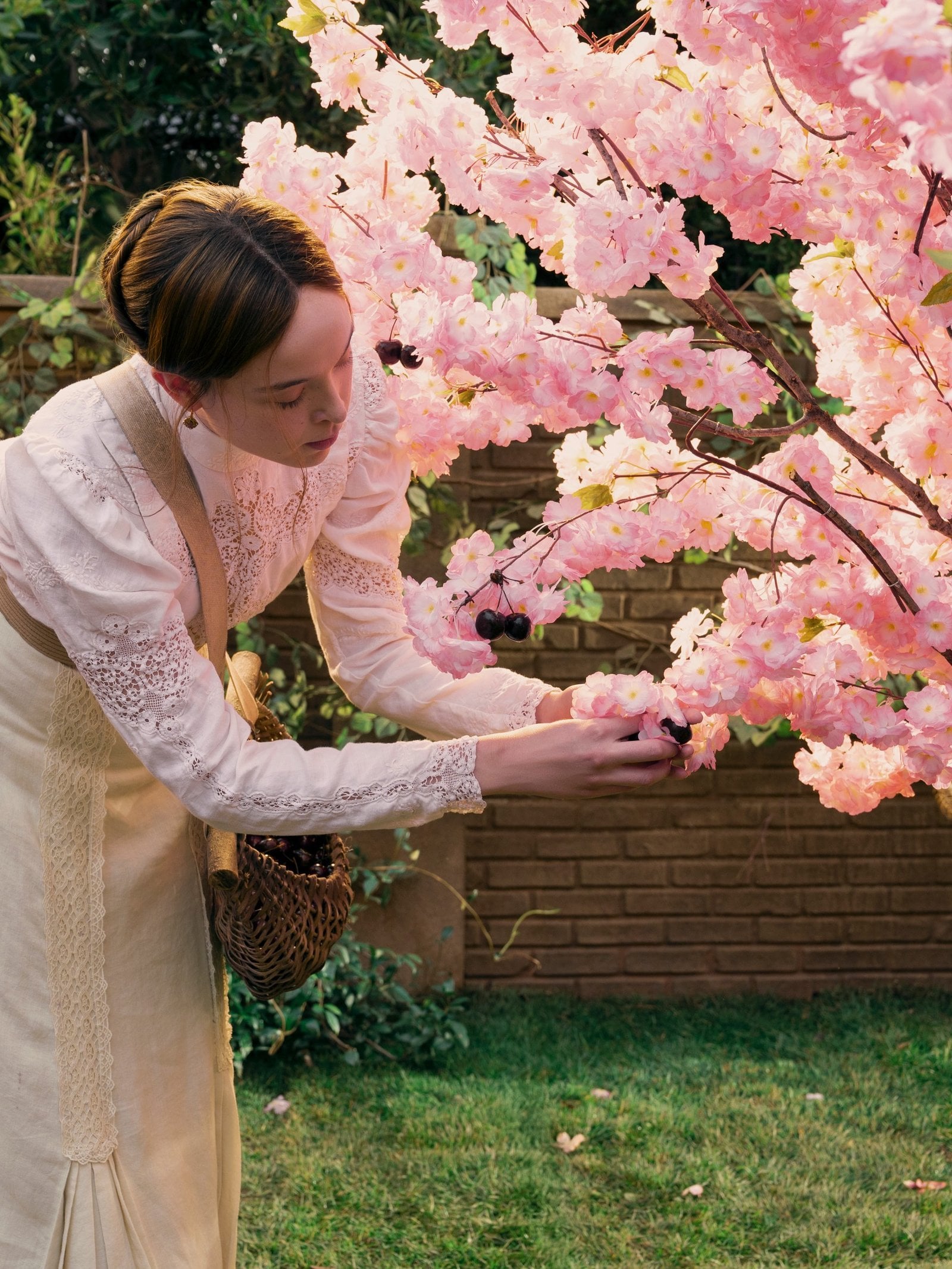
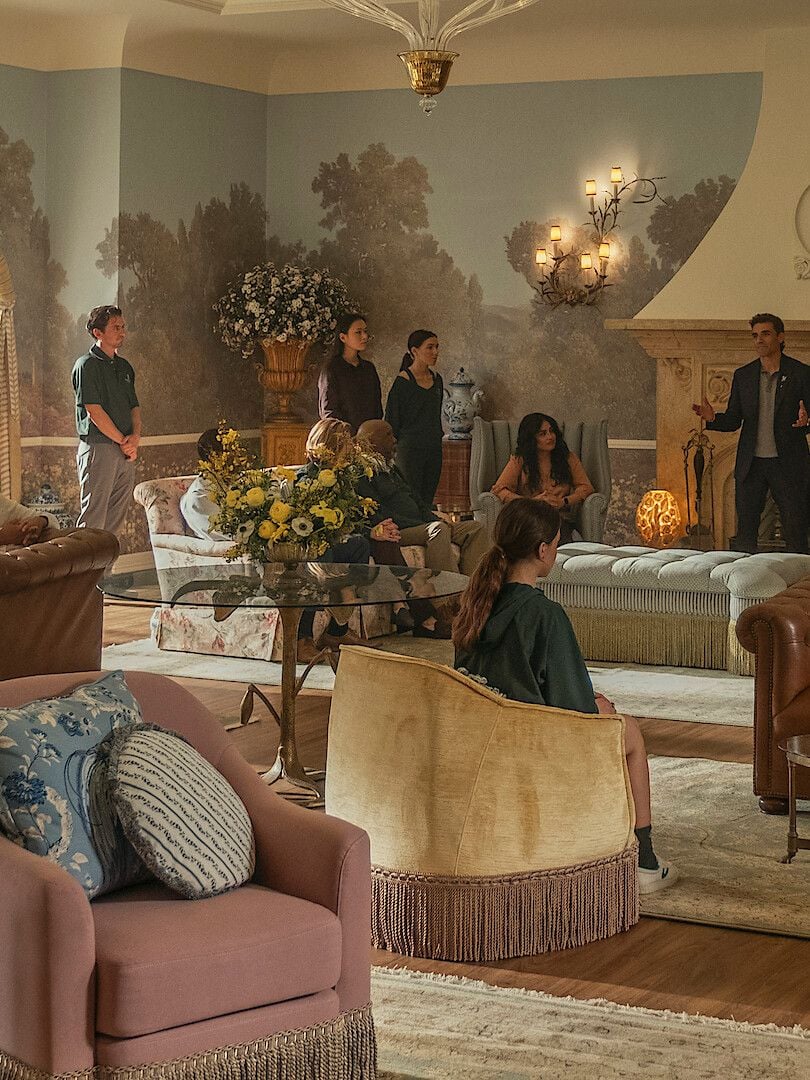
In the second season of “Beef,” the couples’ professional and social lives orbit Monte Vista Point, an exclusive country club frequented by the likes of Olympians Michael Phelps and Suni Lee and musicians Benny Blanco and Finneas O’Connell (all four make cameos throughout the eight-episode run). It’s a world of manicured lawns and easygoing afternoons spent sipping cocktails over lunch or playing a languorous round of golf. “We ascribed the country club to summer,” Yun says, “so it has this feeling of perpetual vacation and being constantly catered to.”
The interiors were chiefly set builds, but exterior shots were filmed at two real private clubs in California: the Spanish Hills Club in Camarillo served as Monte Vista Point’s tennis courts and golf course, while the Montecito Club in Santa Barbara provided its clubhouse exteriors. The club’s color palette is “grass greens and butter yellows,” and Yun took a maximalist approach to the furnishing, reupholstering almost every piece in a light, bright tartans and plaids. “Because it’s filtered through Lindsey’s perspective and taste,” Yun says, “there’s a nod of English countryside eclecticism.” The result is deliberately excessive, with Yun describing it as “pattern on pattern,” with the layering “reflecting a world that has grown more complex” compared to the show’s first season.
The country club is also, crucially, a space defined by perspective. What reads as nostalgic and “refined” to Lindsey is taken very differently by the club's new Korean owner, Chairwoman Park (Youn Yuh-jung), who comments that she finds the decor “colonial.” As Yun notes, “It’s really hard to divorce yourself from the political ties and the connotations of things,” and the club becomes a site where those tensions are made visible.
Lindsey & Josh’s Ojai Home: Fading Fall
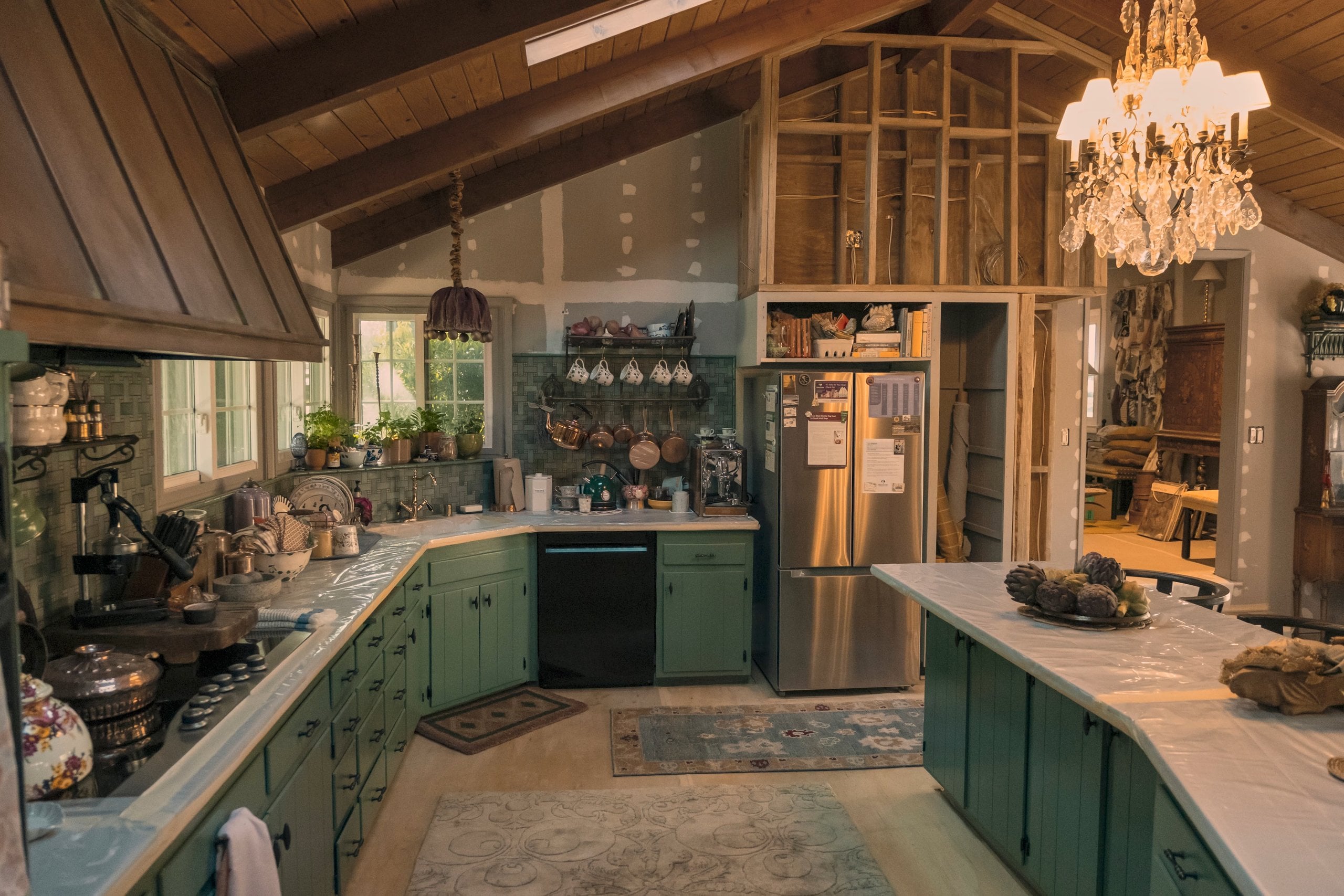

The kitchen of Lindsey and Josh's Ojai house.
Netflix
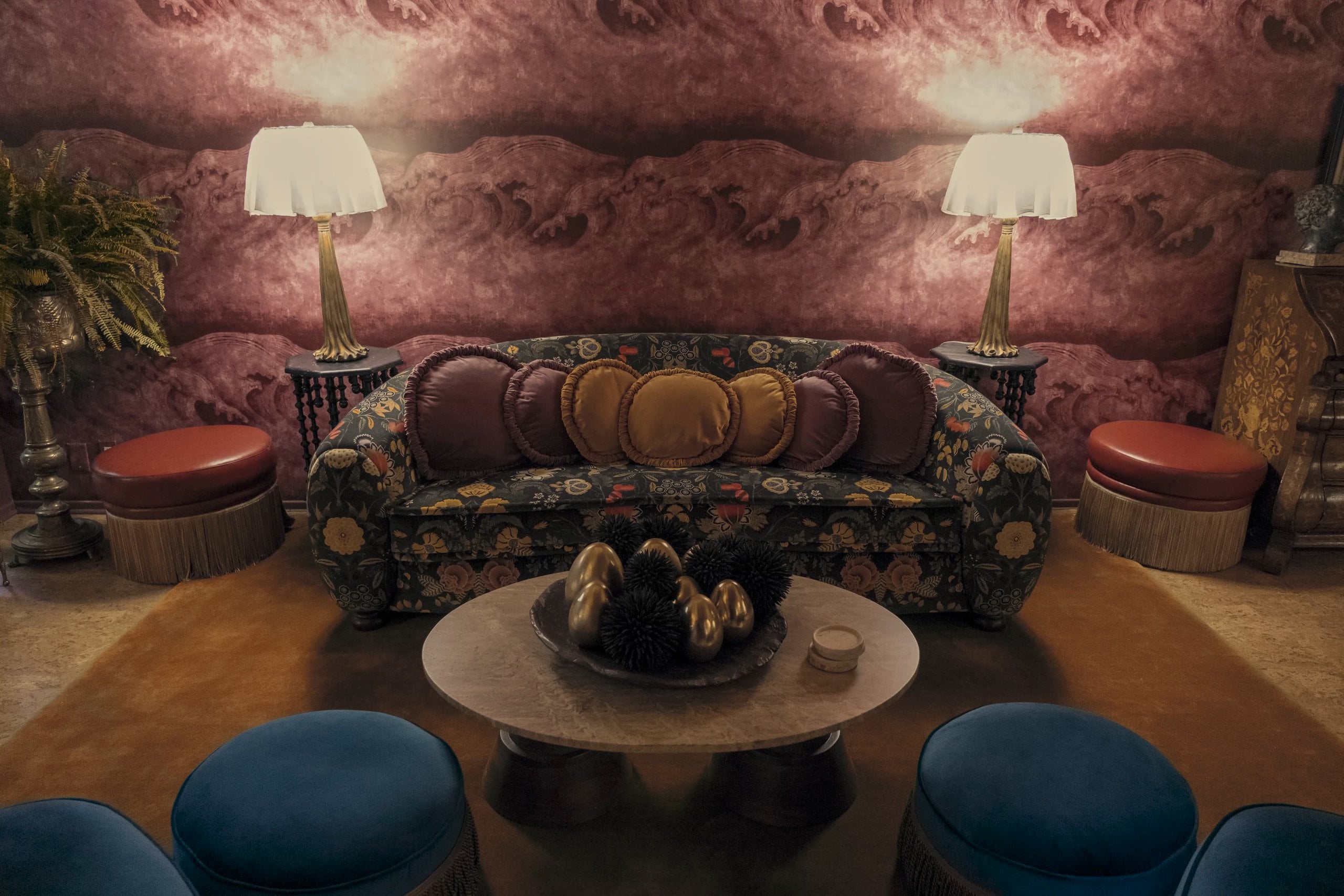

Lindsey harbors an obsession with velvet furnishings, which Yun calls her “emotional support”.
Netflix
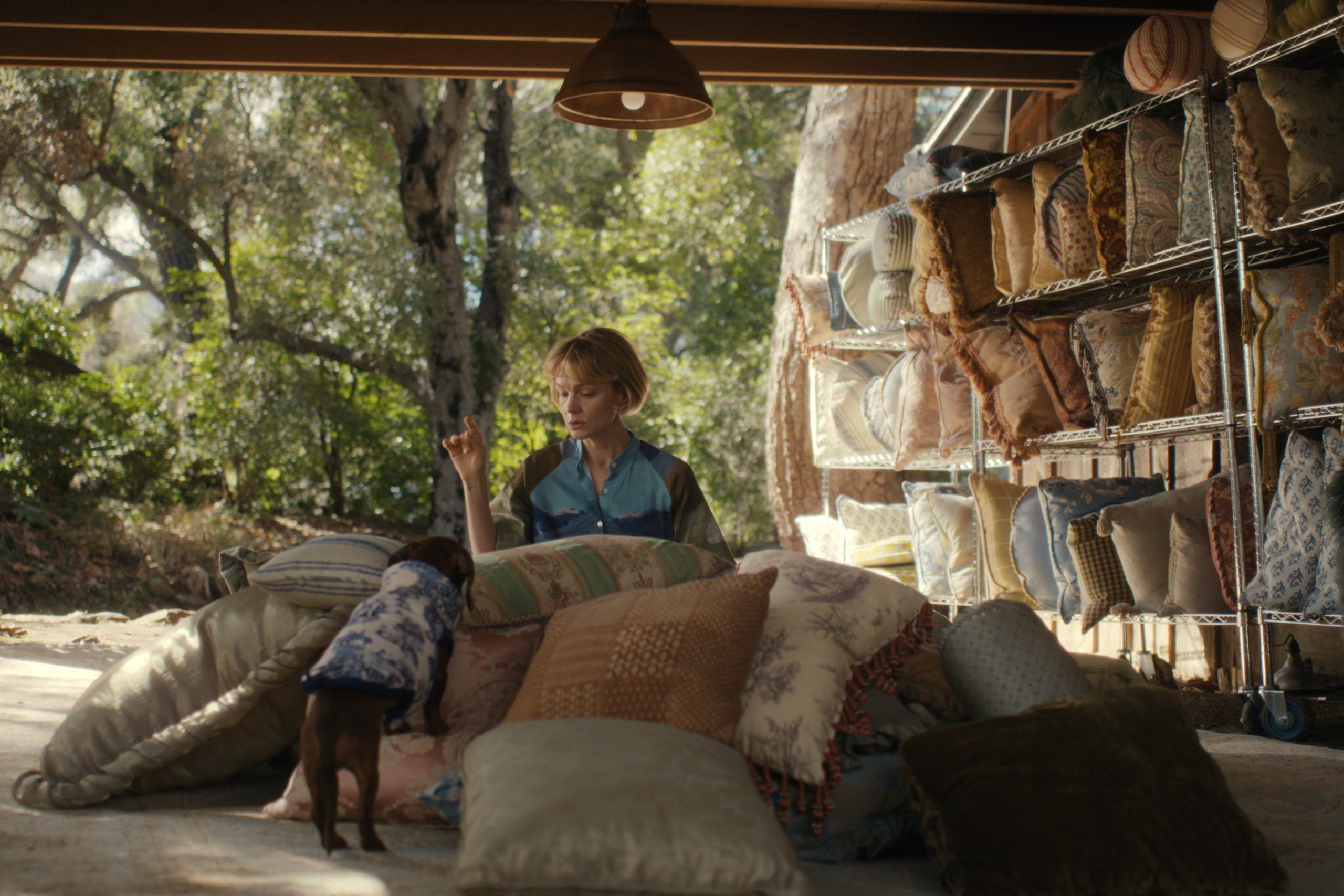

Carey Mulligan in "Beef" season two.
Netflix
Lindsey and Josh’s house is defined by fall—the season of transition where things begin to fade, if not die outright. “There’s decline there in their relationship,” Yun says of the couple who we’re introduced to as on the brink of a breakup, but still clinging on. Their partially remodeled Ojai-based home (they were likely priced out of Montecito) reflects this liminality and becomes a metaphor for a relationship that has not delivered on its promise. In the renovated rooms, Yun opted for moody, saturated shades reminiscent of the season and warm oak panelling to channel the season. Elsewhere, unfinished touches speak volumes. Their kitchen may feature new marble countertops and copper Mauviel cookware, but it also has spackling paste-dotted walls and wrap covering those not-yet-ready-to-unveil counters.
That imbalance is made literal in the spatial divide. Lindsey has “taken over the house with her decorating.” Yun credits set decorator Kellie Jo Tinney for coming up with the idea that Lindsey harbors a bit of an obsession with velvet furnishings and that these have become an “emotional support” for her. “She’s collecting and almost hoarding,” Yun says of the accumulation of velvet-upholstered items. Following the inciting incident that brings Ashley and Austin into Lindsey’s life, Austin visits her at the house to find her sitting on the floor surrounded by a mountain of throw pillows. “In that scene, she’s literally being buried in her pillows,” Yun laughs, noting that the intention was to give the sense of “being overwhelmed by the objects in her space.”
Meanwhile, Josh retreats to the garage barn, which he has slowly converted into his own refuge. “It first started out as a place where he could play his music loud,” Yun says. “Then he slowly brought in a couch, and as they’re having increasing troubles, he ended up sleeping there.” The sprawl of objects moved into the space from the house is “a real indicator of where they’re at in their relationship” when we meet them.
Austin & Ashley’s Apartment: Promising Spring
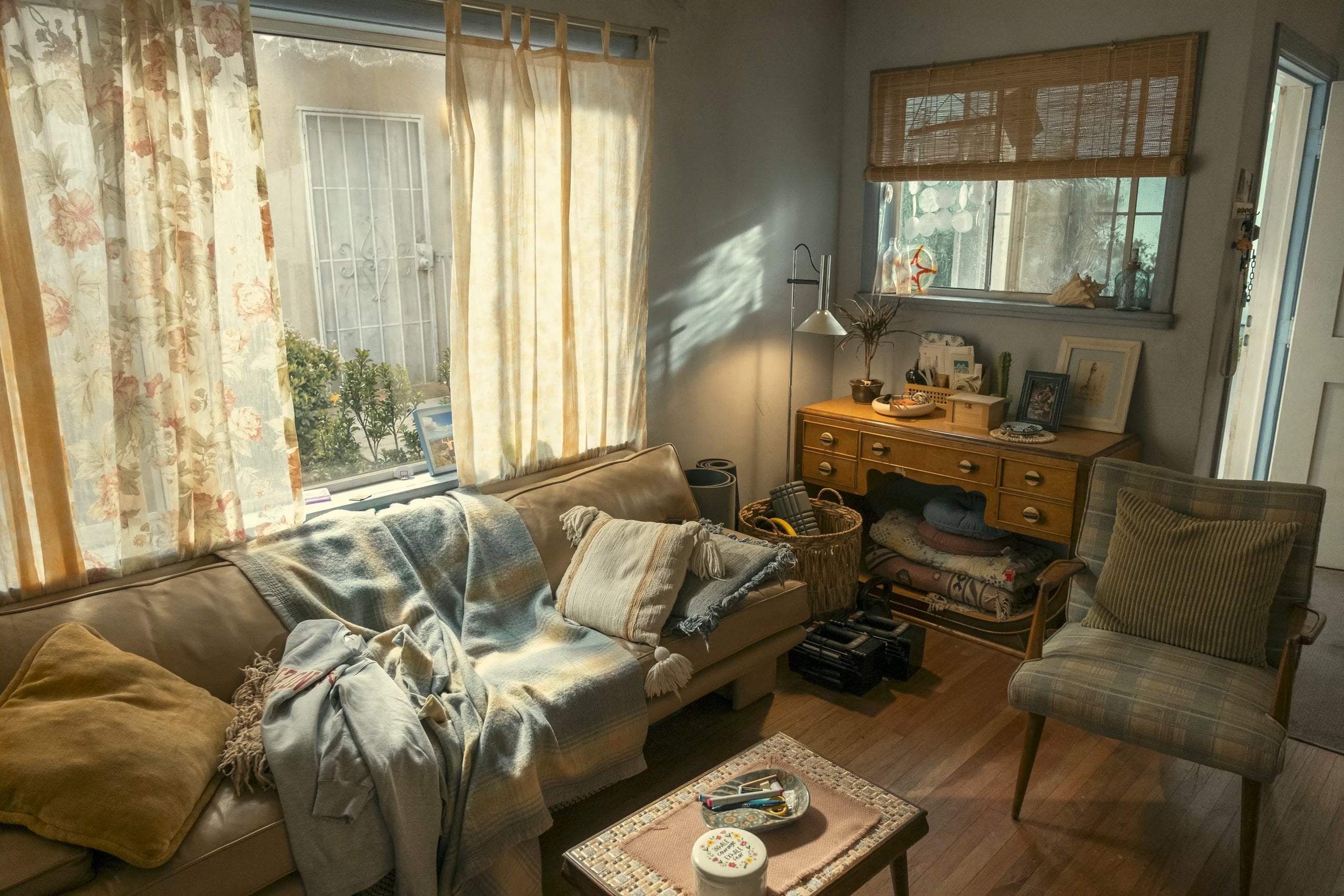

The living room of Austin and Ashley's apartment.
Netflix


The exterior of the Oxnard one-bedroom.
Netflix
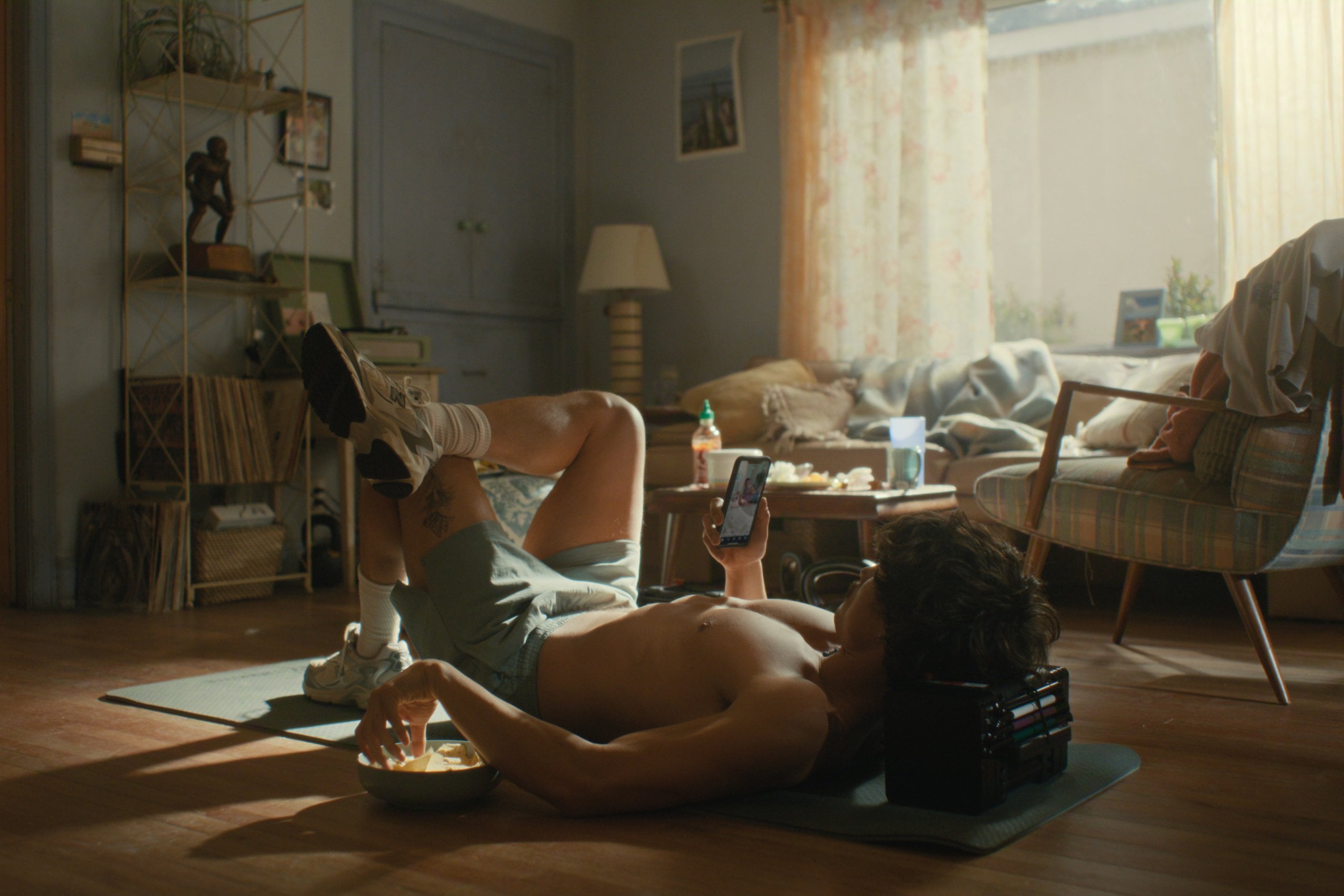

Austin and Ashley's Oxnard apartment.
Netflix
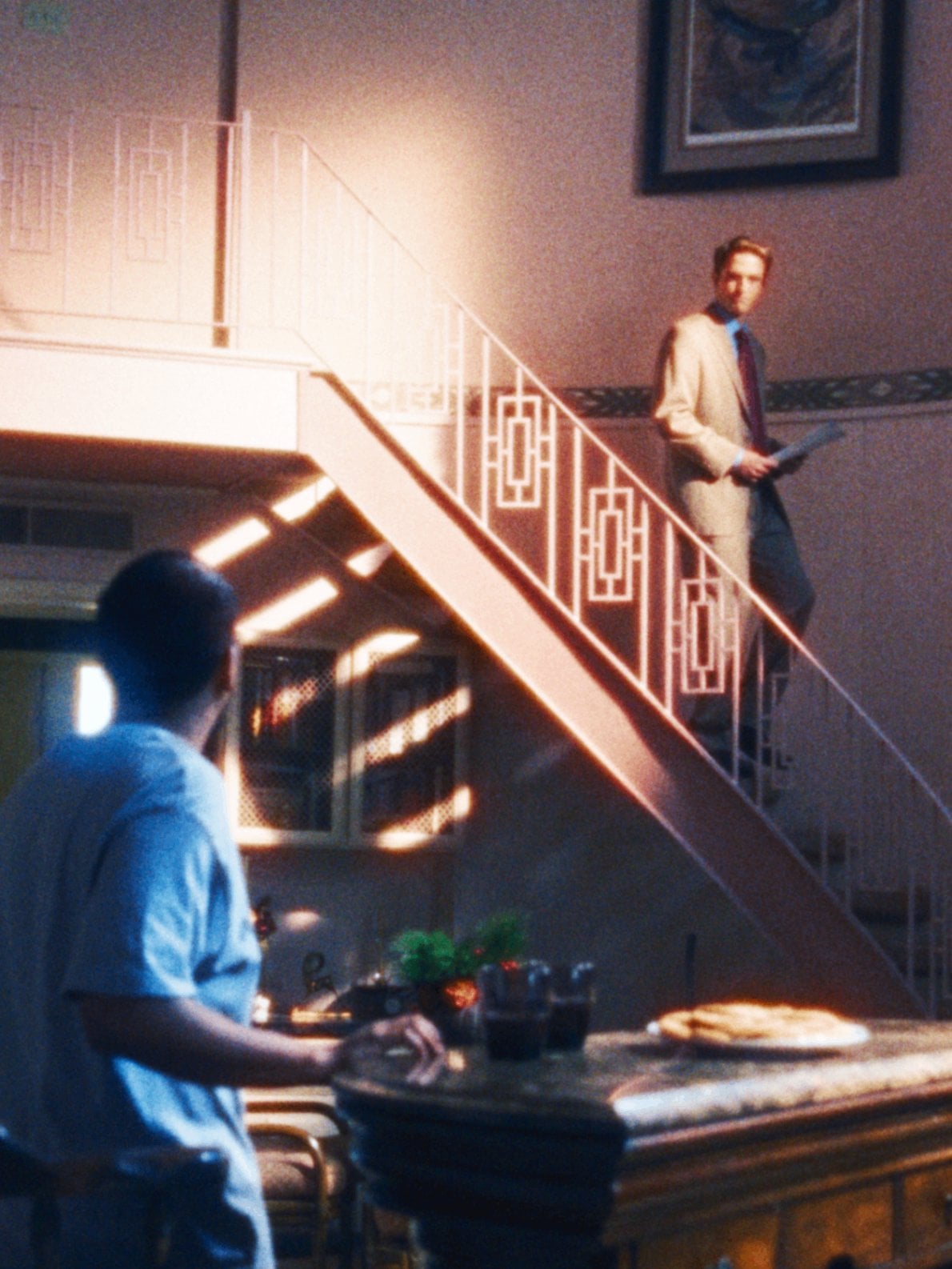
In contrast, Austin and Ashley’s apartment represents spring—tentative, hopeful, and full of possibility. “They’re newly in love,” Yun says. “There’s this whole like hopeful, dreamy aspect to them.” Their poky Oxnard unit channels the energy Yun says is recognizable in the first home of most twenty-something couples renting together for the first time. Giving it a “lazy landlord” finish (white walls painted over and over, cracks in the walls, chipped tiles), Yun outfitted the one-bedroom set with thrifted finds that she imagines the pair picked for sentimentality, not for any sense of design cohesion.
Compared to the other spaces of the show, “it has a feeling of accessibility,” Yun says. “So the method of shopping for them was more thinking about what would make them say, ‘this is cute’ or ‘this is cool,’ and not caring what era it was from. It’s things they like on a personal level, so it was more emotional dressing.”
Austin’s relationship to his heritage is reflected in what’s absent. Yun and Lee debated whether to include signifiers like a rice cooker, but ultimately chose restraint: “It would be a cleaner, more distinct transition, to not have so much of that.” His connection to Korean identity emerges later, through experiences, rather than his environment.
Chairwoman Park’s Mansion: Sterile Winter
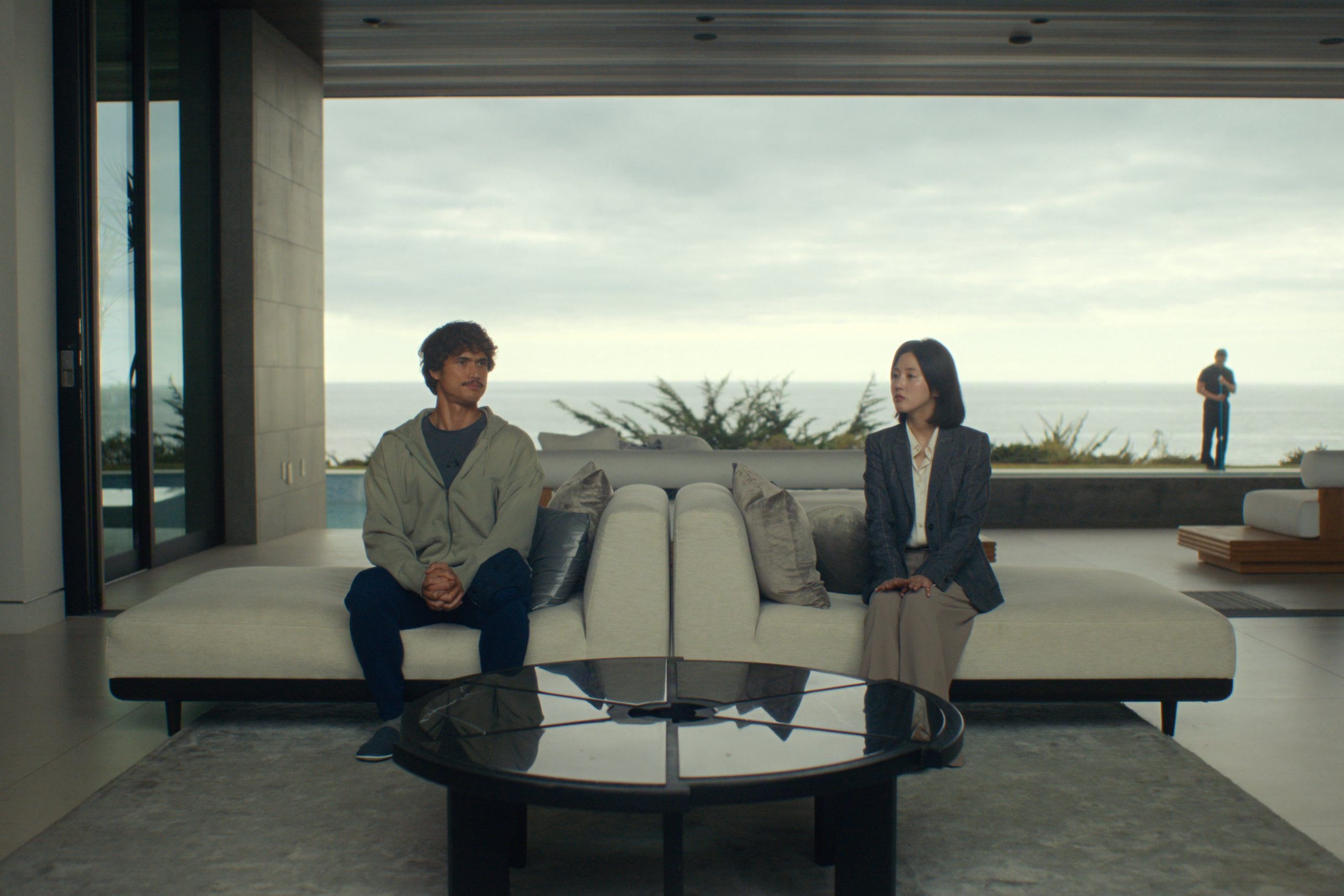

Austin and Eunice in Chairwoman Park's coastal rental in California.
Netflix
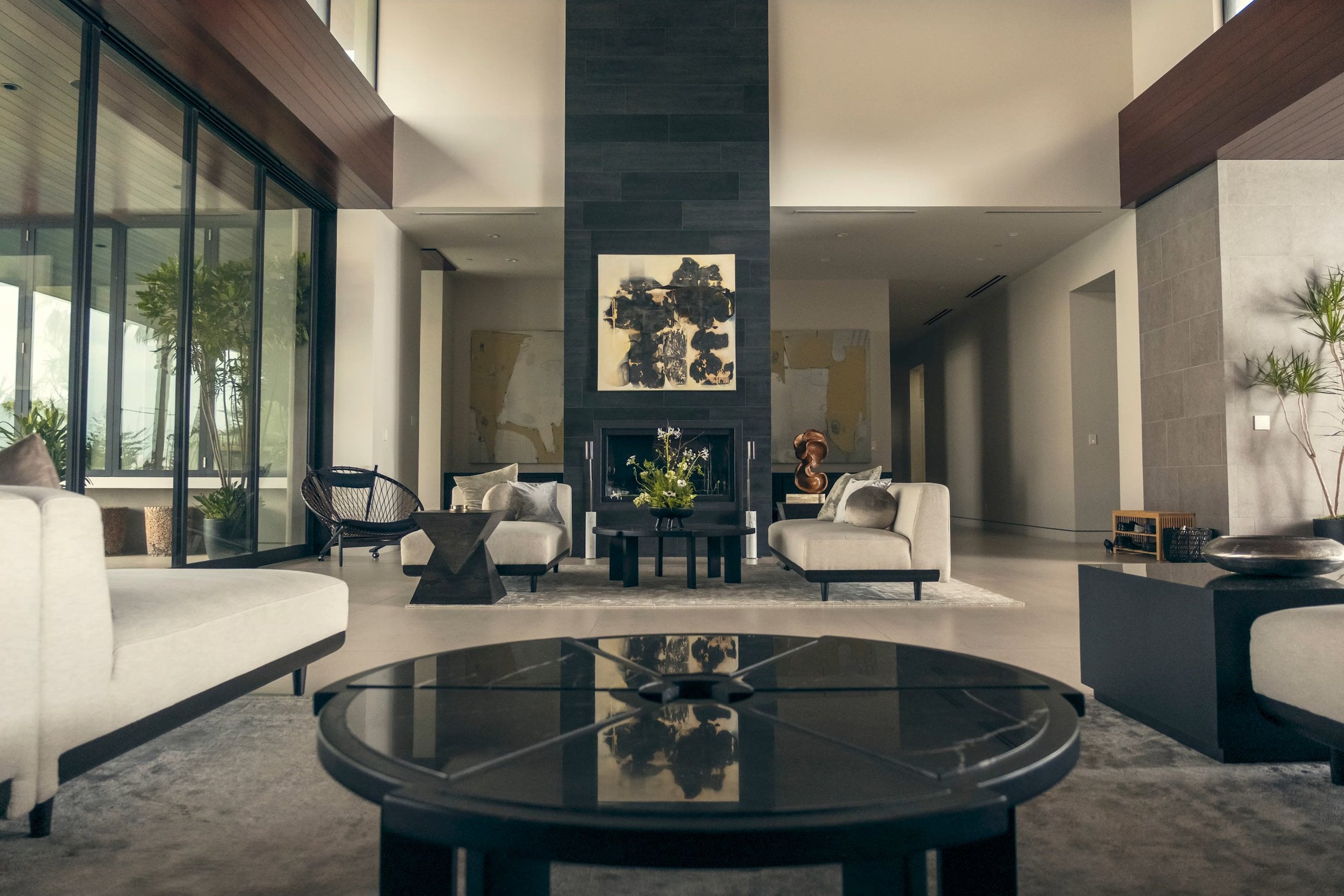

Chairwoman Park's mansion in California.
Netflix
Austin and Eunice in Chairwoman Park's coastal rental in California.
Netflix
Chairwoman Park's mansion in California.
Netflix
Chairwoman Park’s environments—both her coastal rental in California and her spaces in Korea—are winter: controlled, minimal, and cold. She rents an ultramodern mansion not too far from the club, decked in a cool color palette of silver, gray, and black, which Yun was able to find in Malibu.
For the Korea scenes, she and her team scouted modernist architecture such as the Amore Pacific headquarters in Seoul, which she describes as “industrial, with its own sense of brutalist beauty.”
That same aesthetic carries into medical‑beauty facilities run by Park and her surgeon husband (Song Kang-ho). Yun built the set for the spa in Korea and leaned further into the sterile feeling associated with Park. “I wanted to lean into the icy feel more, to give it a watery sense,” she explains. Reflective mirrors placed on the ceilings and circular curtains enclosing each patient in their own contained space also gave the space a slightly futuristic feeling.”
Bringing It Full Circle


The final shot of "Beef" season two.
Netflix
All four seasons converge in the series’ final image, an overhead shot of a lush green space, separated into four quadrants. Within one of these, we see Ashley and Austin alongside many of the recognizable items from their apartment, carrying on with their lives. Another shows Lindsey and Josh doing the same in their own space. “It’s actually based on a samsara circle,” Yun explains. “The four quadrants are all the seasons. And we have our main characters going about their lives.” Surrounding them is a wider world—“slice of life activities, just people doing normal things.”
As for what it all means, Yun says it's up to the viewer. “It’s commenting on how we’re all part of these cycles,” Yun says. “It’s not necessarily hopeful or depressing—it’s just an observation.”