
Deborah L. Scott Knows More About Creating Costumes For Performance Capture Than Anyone Else
Fashion
TSS Creative
Deborah L. Scott
The Oscar-winning costume designer breaks down the incredibly complex process of bringing the handmade garments in the world of "Avatar" to life with visual effects.
“Avatar: Fire and Ash,” the third installment in James Cameron's science-fantasy saga, is a cinematic study of grief. Unlike its predecessors, which turn the lens on key environmental issues, the new film explores new thematic terrain in its three-hour-plus run. This time around, as we return to the bioluminescent shores of Pandora, what we find is something far more human. Following the loss of their son, Neteyam (Jamie Flatters), Jake Sully (Sam Worthington) and his wife Neytiri (Zoe Saldaña) are in the throes of profound heartbreak, when they encounter a new threat in the Mangkwan—a volcano-dwelling Na'vi tribe led by the ruthless Varang (Oona Chaplin).
As Jake and Neytiri are forced to fight back against the Mangkwan and the scientists at RDA, their biggest challenge—and one so deeply rooted in the human experience—is to come to terms with death and loss. For director James Cameron, the emotional and psychological state of his film's characters is what informs their external appearances, and he has repeatedly turned to costume designer Deborah L. Scott to translate that.
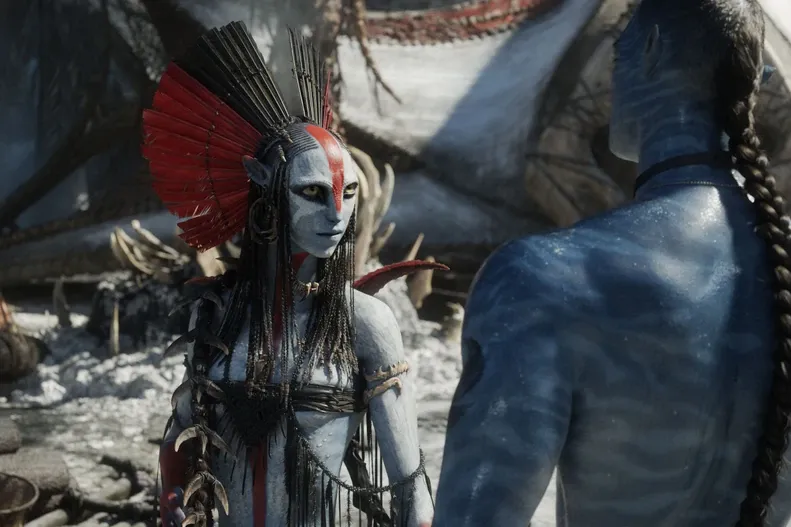

Oona Chaplin in “Avatar: Fire and Ash.” Photo: 20th Century Fox.
20th Century Fox
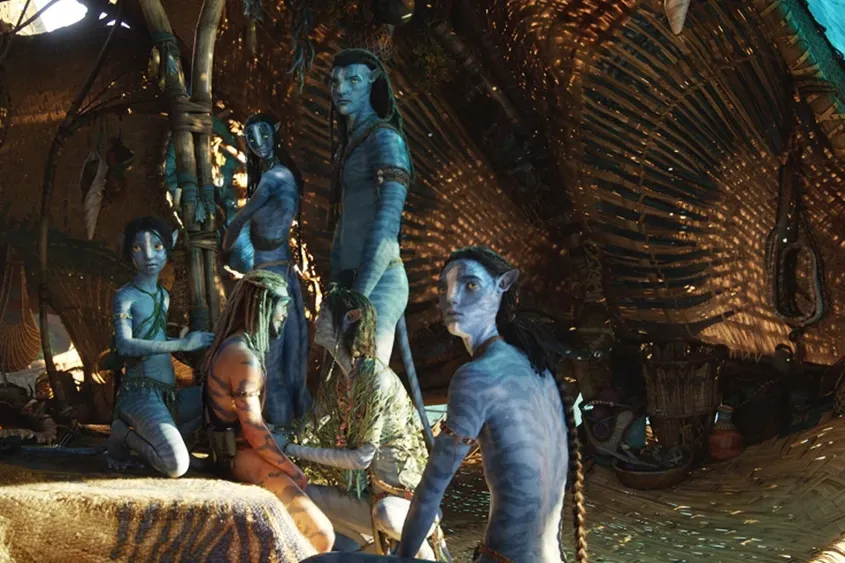

The cast of “Avatar: Fire and Ash.” Photo: 20th Century Fox.
20th Century Fox
Oona Chaplin in “Avatar: Fire and Ash.” Photo: 20th Century Fox.
20th Century Fox
The cast of “Avatar: Fire and Ash.” Photo: 20th Century Fox.
20th Century Fox
"We've worked together since ‘Titanic,’" Scott, who took home an Oscar for her work on the '90s blockbuster, tells The Set Set. "We've known each other for 30 years now, which is basically half of our careers. There's trust there, and also he's a very incredible communicator, so he doesn't have to say a whole lot." Scott, who has worked on the entirety of the “Avatar” franchise—and now earned herself a second Academy nomination— has become both student and master when it comes to designing for the trailblazing world of advanced performance capture. "It's probably true that I'm the only costume designer around that really understands the process from beginning to end," Scott reflects.
Unlike on other productions, Scott and her team of highly-skilled craftspeople work harmoniously with the visual effects team. "We're not just designing a garment and giving it to the actors and walking away, we're actually involved in a process, and the visual effects artists listen to me too," Scott explains. "It's a collaborative thing. Just as I have a voice in the workroom, I have a voice in the virtual workroom."
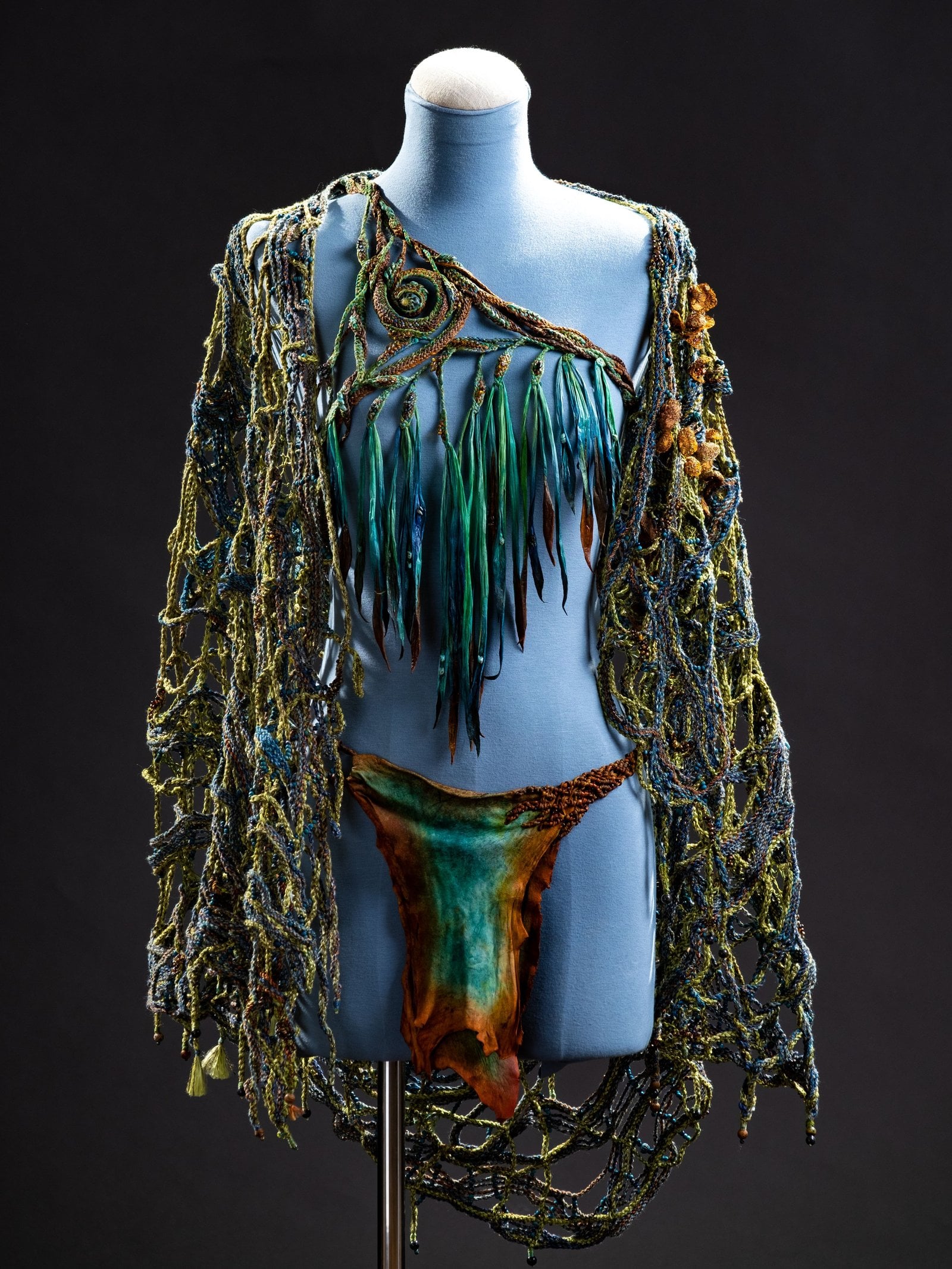

"Avatar: Fire and Ash" costume. Photo: 20th Century Studios.
20th Century Studios
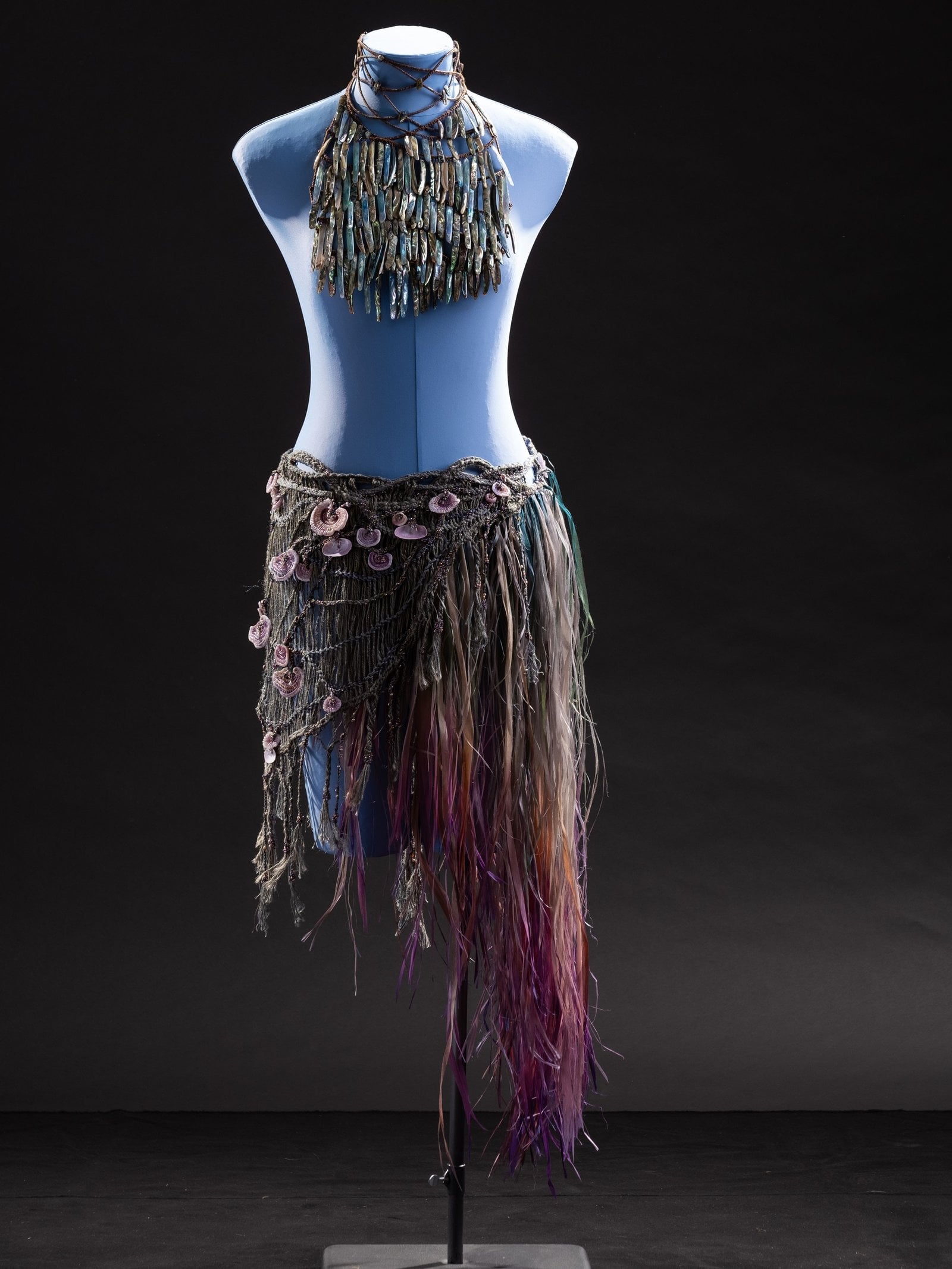

"Avatar: Fire and Ash" costume. Photo: 20th Century Studios.
20th Century Studios
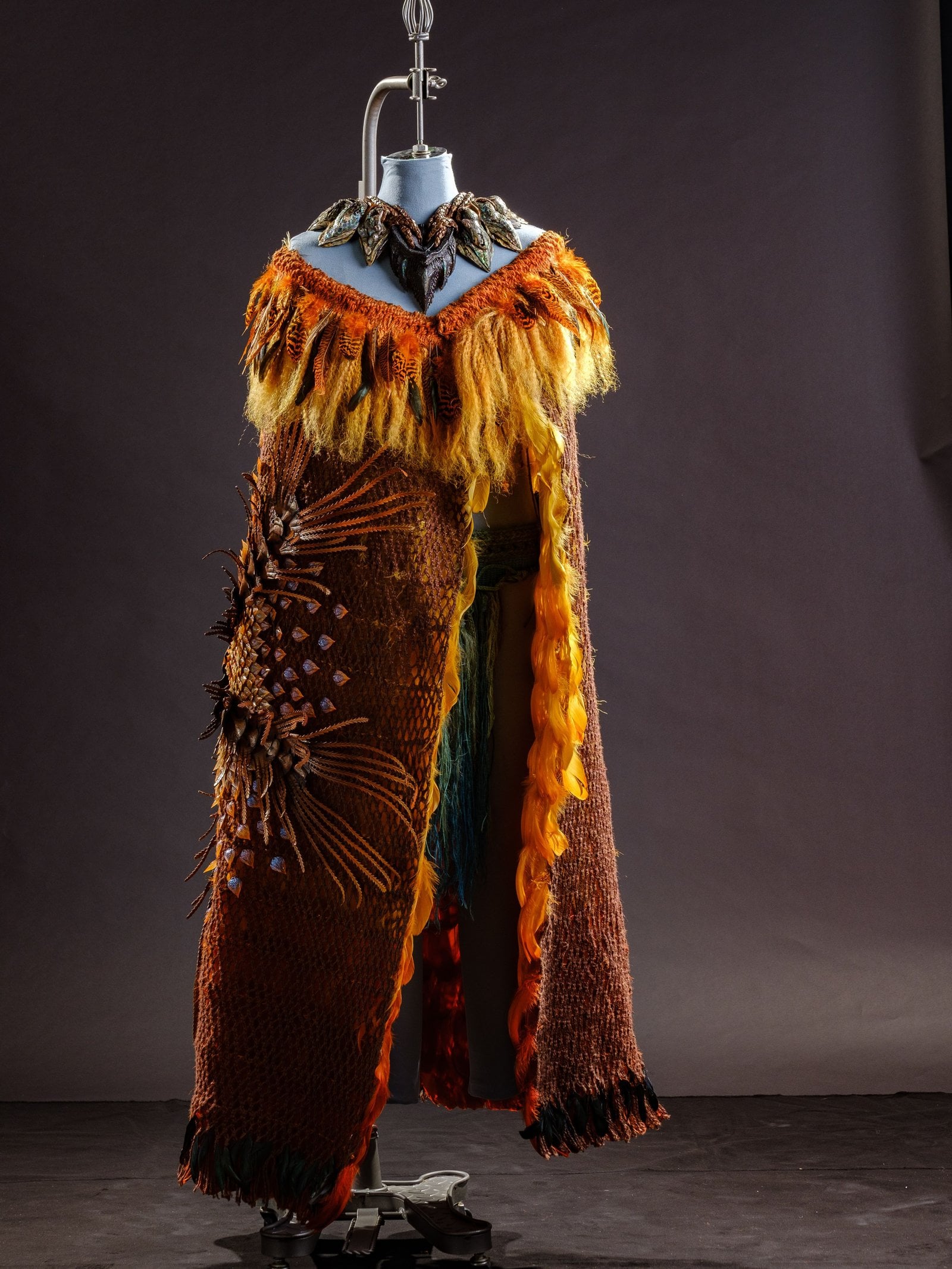

"Avatar: Fire and Ash" cape. Photo: 20th Century Studios.
20th Century Studios

"Avatar: Fire and Ash" costume. Photo: 20th Century Studios.
20th Century Studios
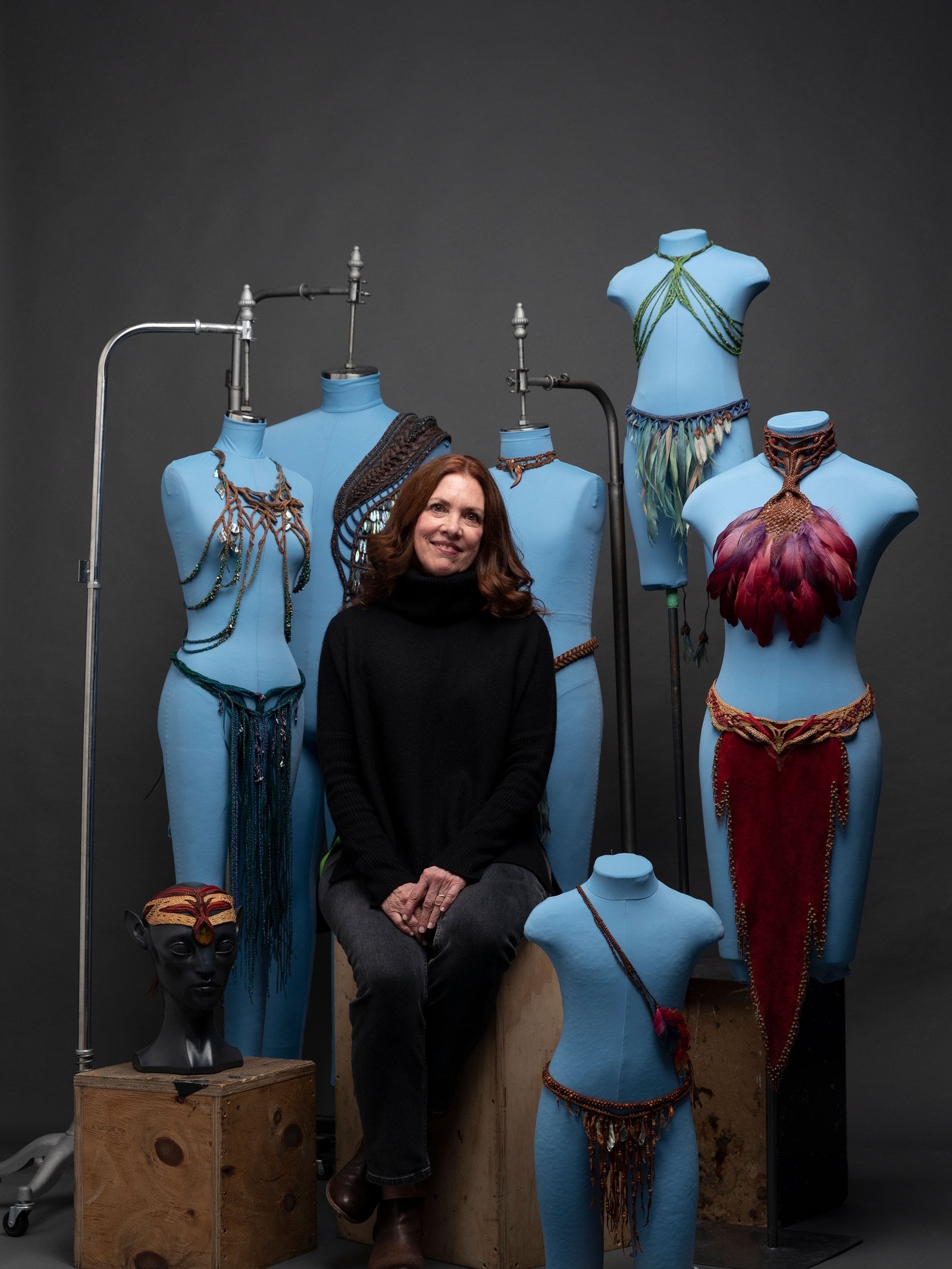
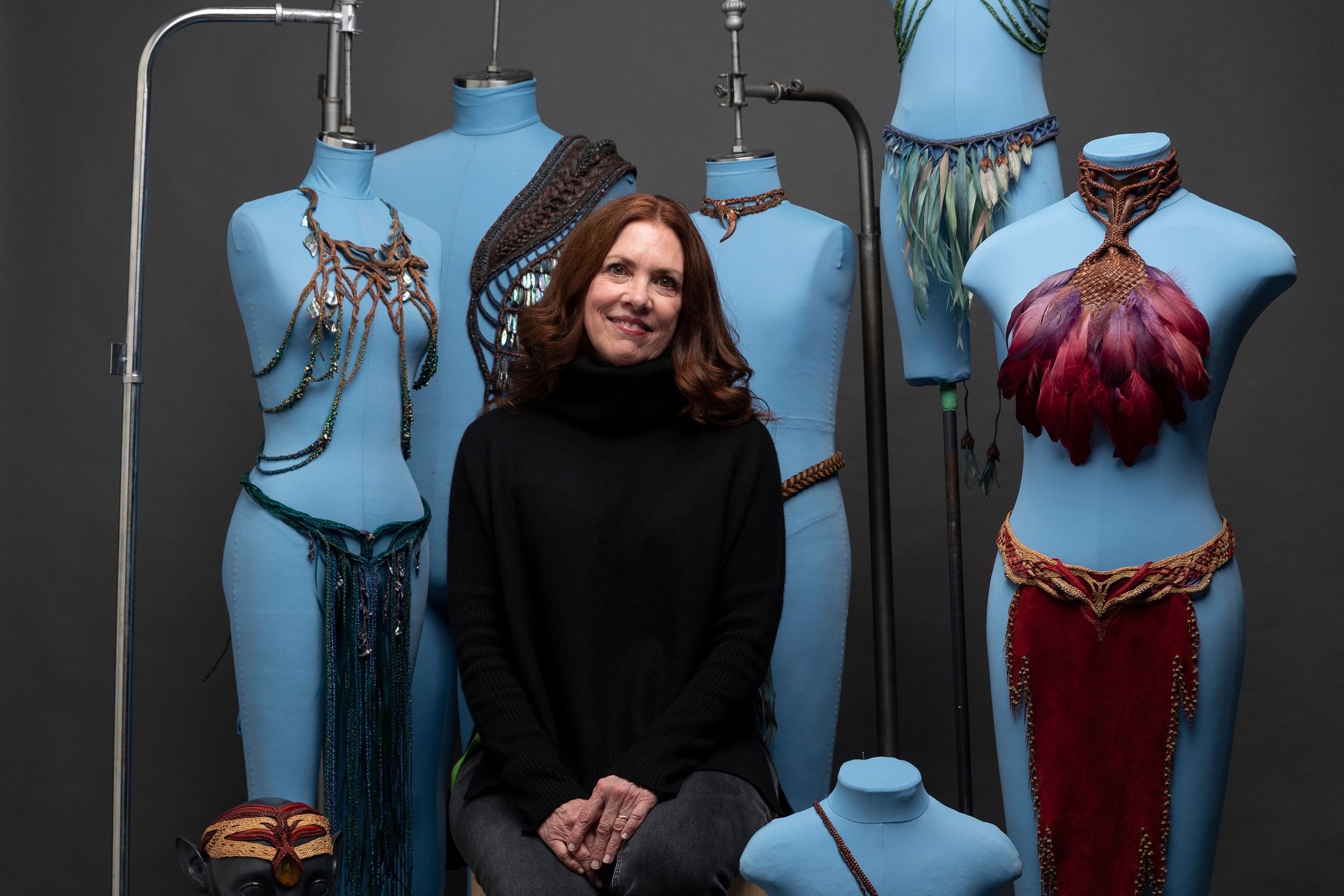
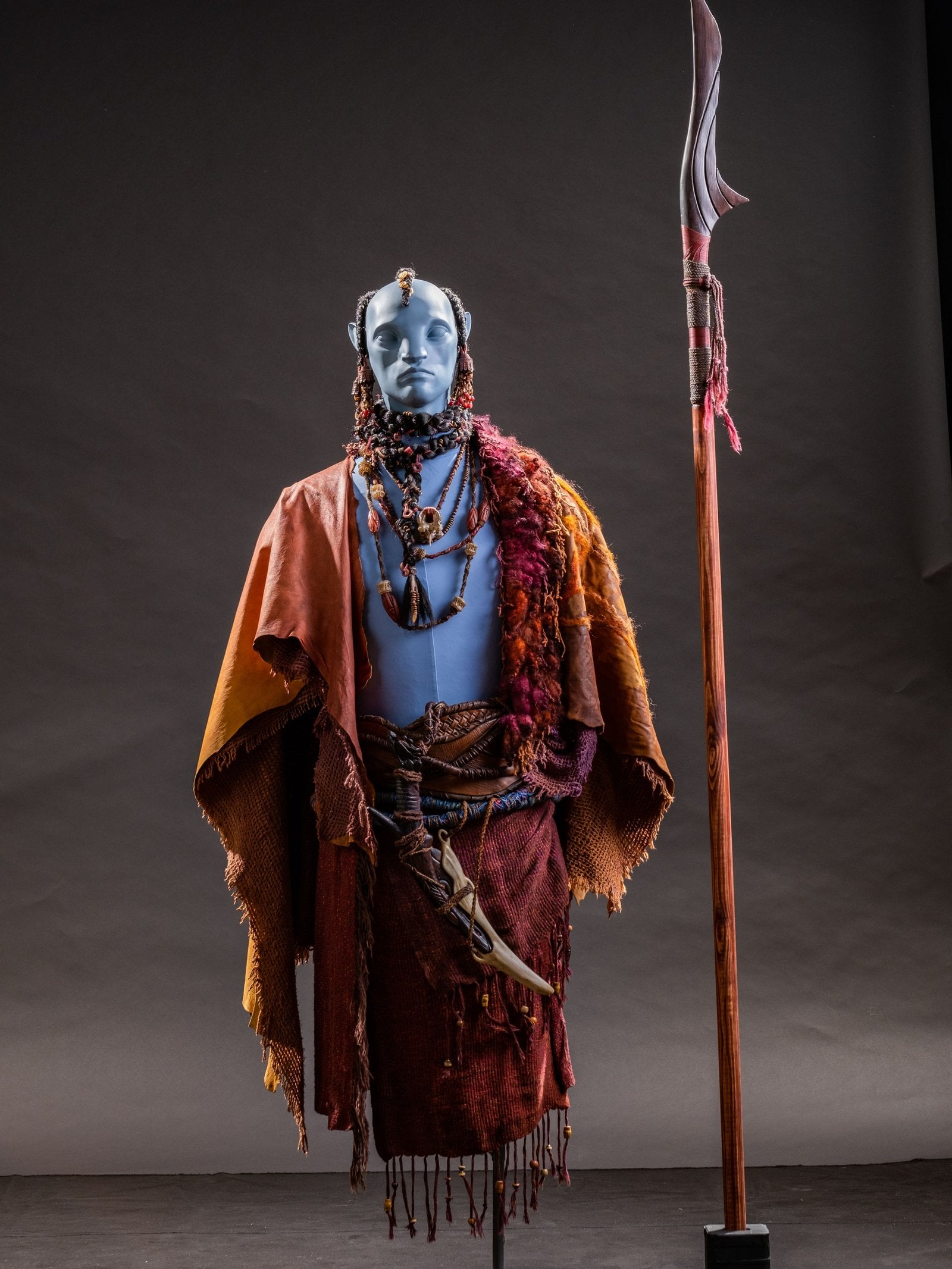
Scott, who has taken inspiration for her Pandora dwellers from indigenous communities from around the world, is accustomed to creating intricate samples for the VFX team. "There's a lot of documentation and continuity that goes with it. But the major thing is to hand them this incredible costume that's been handmade and say, 'Okay, now it's your turn. Make it look as good as this,' and then we start over."
"It's absolutely elemental," the costume designer adds. "You have to do it because what you're giving them is, in essence, a 3D version of a drawing. It's actually a 3D garment, so they have the ability to look at it and see every single knot and bead and piece of fringe." A highly complex process, Scott maintains that adaptability is key when bringing garments to life on screen. "The beauty of making these movies is that they're not finite until they're done," she clarifies. "You can continue to evolve the designs as you go along and as you see performances come together.” As Scott notes, you can add or subtract if you need to. “We mostly enhance each scene as we go along and each character grows. It's really fun."
.jpg&w=3840&q=85)

David Thewlis in “Avatar: Fire and Ash.” Photo: 20th Century Fox.
20th Century Fox
For the third “Avatar” installment, Scott was presented with a fresh challenge: designing the wardrobes of two new clans, the Tlalim (also known as the Wind Traders) and the Mangkwan (aka the Ash People). A mercantile clan, the Tlalim, led by Sky Captain Peylak (David Thewlis), has embraced a nomadic lifestyle, soaring through Pandora's skies in huge airships and rarely staying in one place for too long. As the clan's chieftain, Peylak's wardrobe was extensively discussed by Scott and Cameron, with the pair agreeing that the colours and the fabric of his clothing needed to feel elaborate and elevated.
Resultingly, Peylak's cloak was one of the most difficult costumes to make. "I had done an initial version of a cloak, so I knew it was going to be suede leather, and I knew the basic shape of it; I had worked that out." However, after watching footage of Thewlis's performance, she changed tack. "Watching him perform the character, he's so regal. He has this incredible posture and sort of strides through the environment, so Jim and I were both looking at it and saying, 'He needs to really look like the head of the clan.' So I went back in and redid all the designs.”
.jpg&w=3840&q=85)

Oona Chaplin in “Avatar: Fire and Ash.” Photo: 20th Century Fox.
20th Century Fox
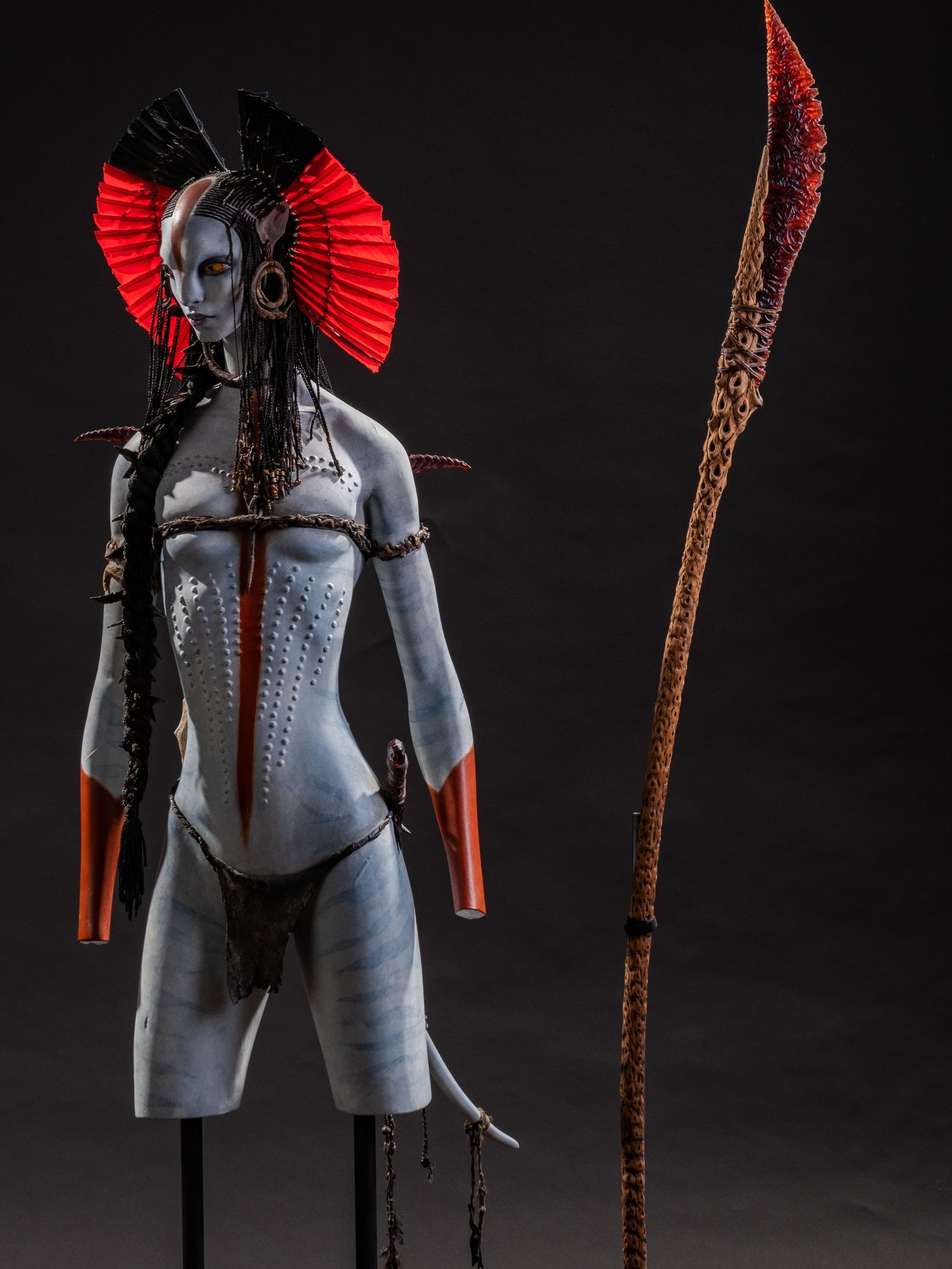
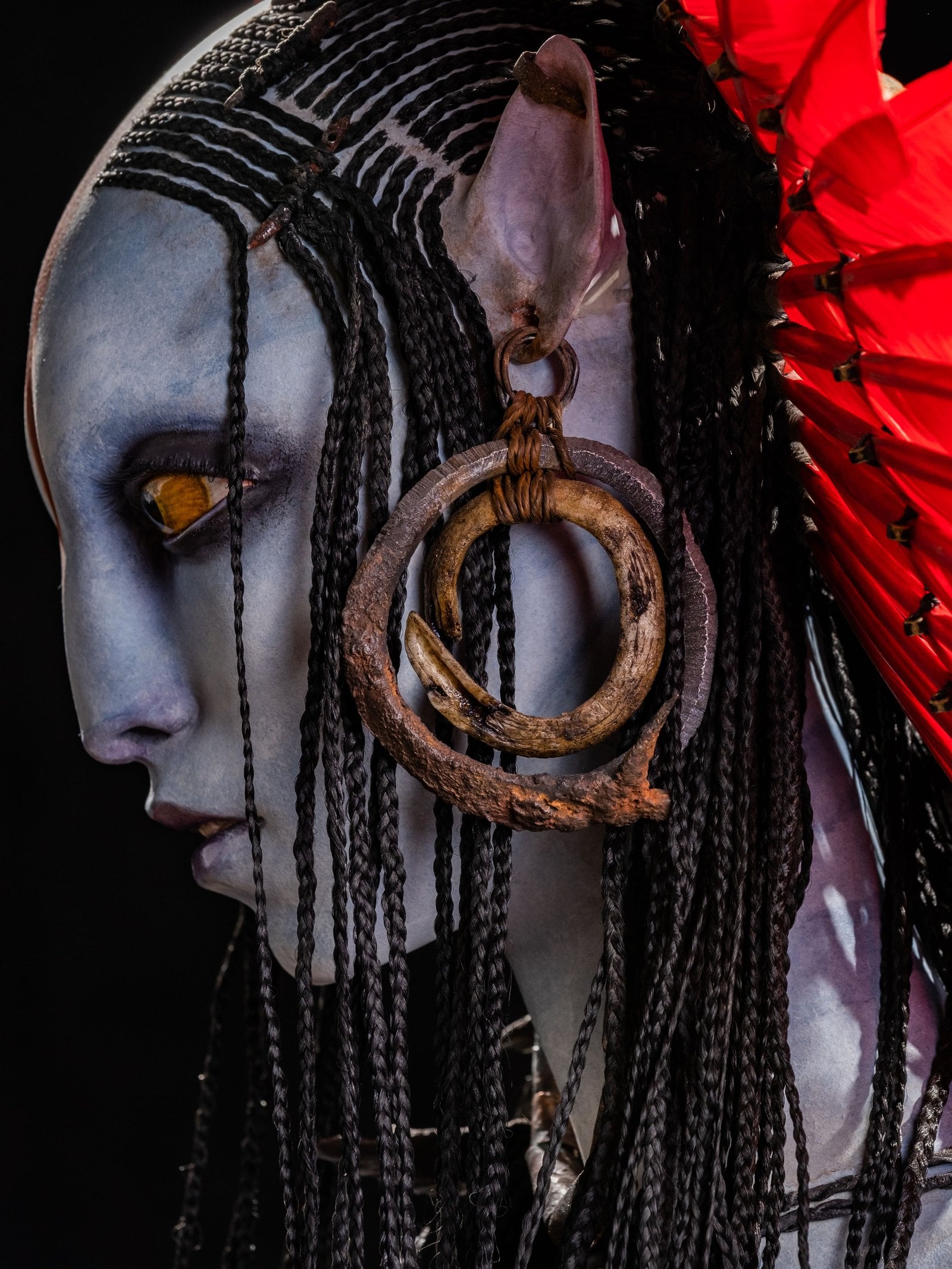
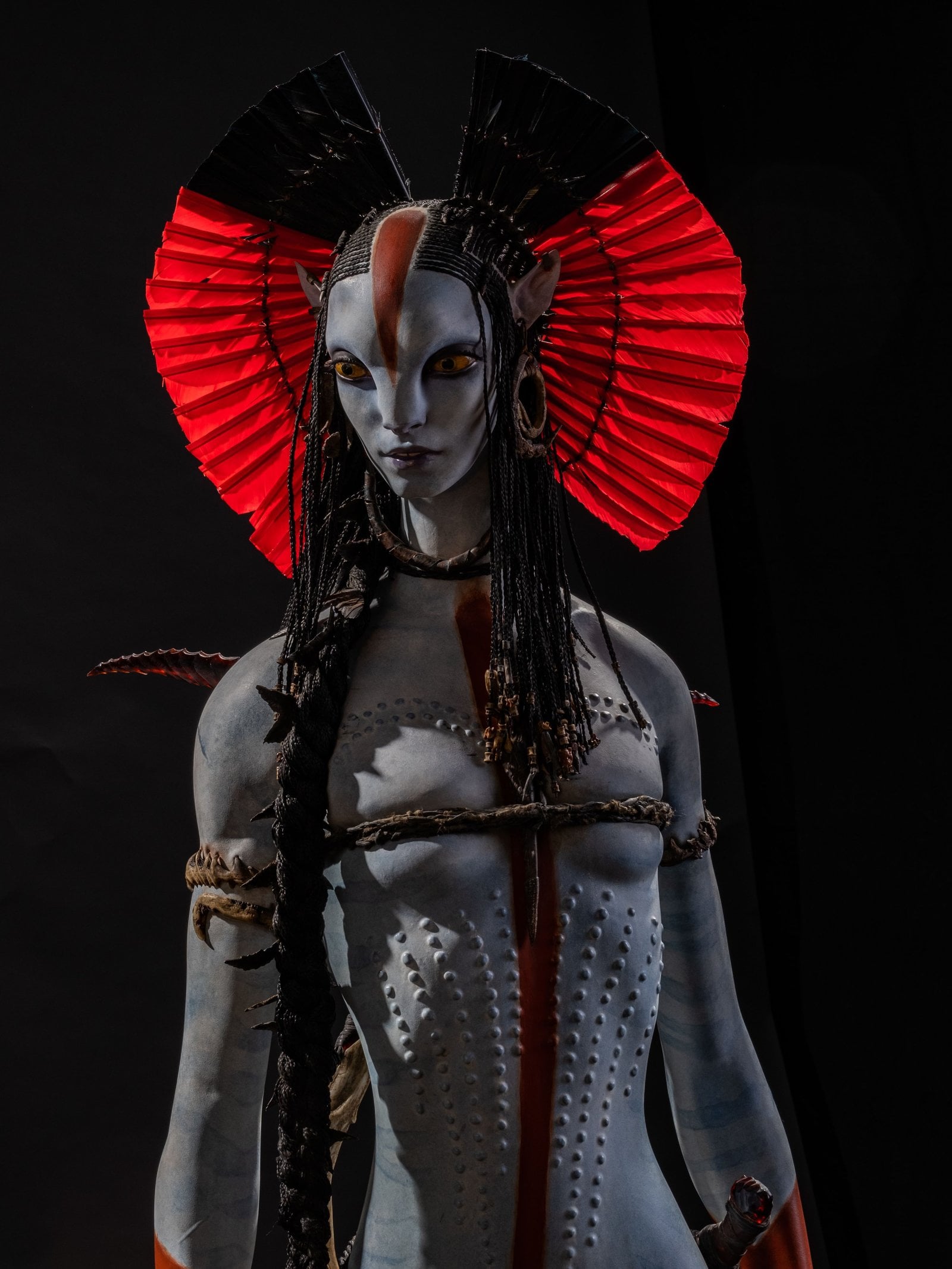
Likewise, when constructing a distinctive look for Varang, the volatile and relentless leader of the Mangkwan, Scott paid close attention to Oona Chaplin's performance, while taking inspiration from an unexpected Old Hollywood star. Referencing the 1950 classic “All About Eve,” Scott says: "It's like that famous Bette Davis movie where she comes in and says, 'Fasten your seatbelts, it's going to be a bumpy night.' She's so formidable, and at first, it was hard when Oona was doing her performance capture. You're starting to watch her, and she's starting to find the character, but we had created a very minimal placeholder for her. The one thing that Jim gave me was this concept of a headdress, so we knew that," says Scott. "As we kind of went along, we started to get into the battle sequences, and I was like, I've got to redo that headdress. She needs something even better, more grand, more outstanding, more Bette Davis. So I had the opportunity to do that."

"Avatar: Fire and Ash" costume. Photo: 20th Century Studios.
20th Century Studios

"Avatar: Fire and Ash" earrings. Photo: 20th Century Studios.
20th Century Studios

"Avatar: Fire and Ash" costume. Photo: 20th Century Studios.
20th Century Studios
"Avatar: Fire and Ash" costume. Photo: 20th Century Studios.
20th Century Studios
"Avatar: Fire and Ash" earrings. Photo: 20th Century Studios.
20th Century Studios
"Avatar: Fire and Ash" costume. Photo: 20th Century Studios.
20th Century Studios
One thing Scott is keen to underscore is that each piece is grounded in real-world practicality. Case in point: her decision to bind Varang’s breasts for battle. “There are women out there who are very scantily clad, and they don't want their breasts in the way. I guess we, as contemporary women, do it with sports bras.” It's not just a visual choice, but a storytelling one, too. "Watching her, she really informs the costume, and there's a difference between Oona and Zoe [Saldaña], who's also unbelievably great in the movie," Scott says. "Zoe's character leads with her heart, right? So I really use that a lot in her costume designs, and Varang really leads with her hips. So she comes out swaying, and you're really focused on that. And because her breasts were mostly bound, this is where the motion comes in. This is where the focus should be."
While the powers that be are yet to confirm the fates of “Avatar 4” and beyond, Scott is hopeful that the franchise—which is currently the highest-grossing film trilogy of all time—will continue to spread its proverbial wings. "I think the public really wants it. I think somehow these movies have really captured the imagination of the world pretty much, because you don't get that kind of box office without having it touch the world, which is pretty remarkable. But I think the thing I can really say about it is that [they] will continue the saga." Teasing what's on the horizon, Scott notes that the future of “Avatar” will "take us to new places, new people."