
How Smeared Glitter & Ironic Braids Chart An Onstage Unraveling In ‘The Vampire Lestat’
Beauty
Makeup and hair department heads Tami Lane and Stefanie Terzo discuss the inspirations and techniques behind Sam Reid’s portrayal of the titular modern-day rock god.
In “The Vampire Lestat,” the rechristened third season of AMC’s “Interview With the Vampire,” the story is now told through the heightened lens of the tempestuous and preternaturally charismatic Lestat de Lioncourt (Sam Reid). In the earlier seasons, the 265-year-old vampire is filtered through the heartbroken and often resentful memories of his codependent paramour and fledgling Louis de Pointe du Lac (Jacob Anderson).
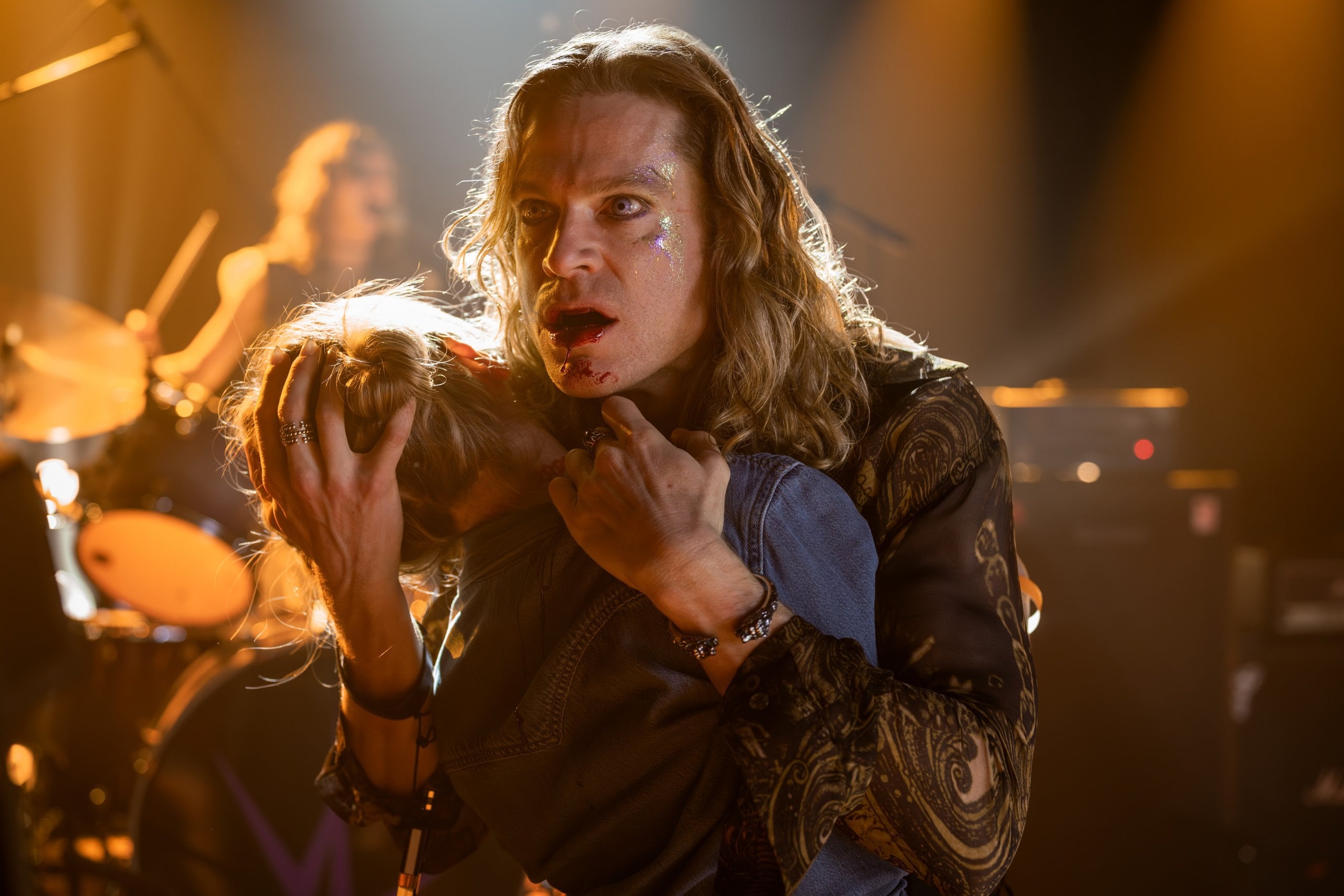
Now set in the post-”Twilight” modern day, Lestat—fittingly—is the frontman of an indie rock band he unsurprisingly named after himself. The Vampire Lestat milks the recent bloodsucker revival sparked by journalist Daniel Molloy’s (Eric Bogosian) bestseller based on Louis’ interviews, adopting the gimmick of posing as vampires. But the lead singer, with smudged glam-rock eyeliner, glitter-flecked sweat, and lush, untamed blond waves, actually is one.
“Being in modern day, his hair is a lot more free—it's a lot more him. It’s rockstar. It's bratty,” says hair department head Stefanie Terzo, referring back to Lestat’s genteel 18th-century blow-out from earlier seasons. “He's 200 years old, so when he [was turned], the style was a lot different. Now it’s not as clean, tame, and brushed.”
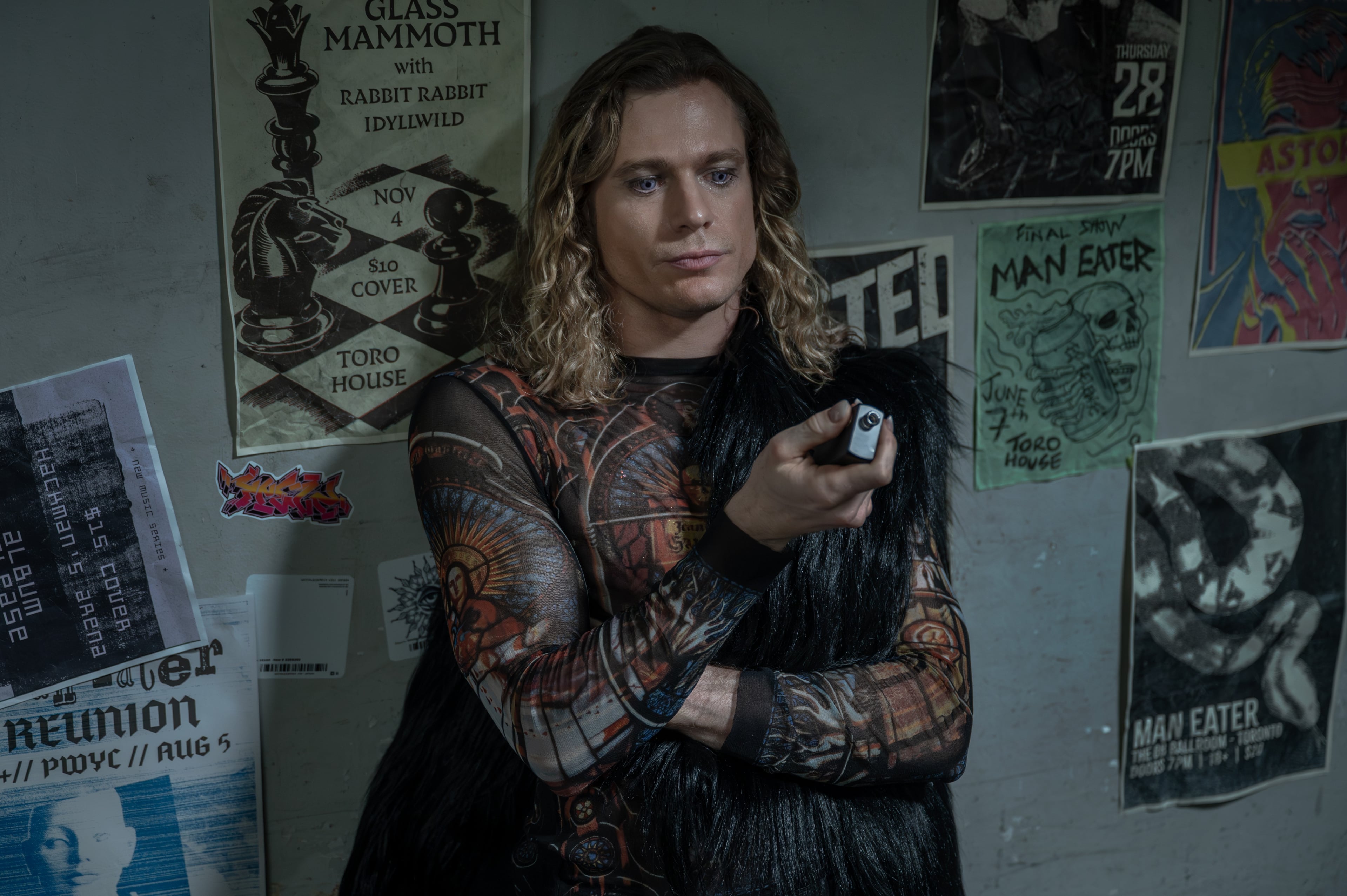

Sam Reid in "The Vampire Lestat".
AMC
For Lestat’s evolution from late-18th-century violinist into a peacocking modern-day showman, the Australian actor looked to his own references, including the late Michael Hutchence, INXS’s seductively broody frontman, which also informed Terzo and makeup department head Tami Lane’s collaborative vision. “I know Sam pulled lots of inspiration from Bowie to ’80s hair bands to Nirvana and the ’90s,” says Lane, who also hinted at The Cure lead singer Robert Smith’s goth-meets-new wave style and penchant for dark eyeliner and red lipstick.
The trio, and costume designer Lex Wood, opens in new tab, worked together to create a distinctive modern-day Lestat aesthetic influenced by, but not replicating, any specific stage persona. “It’s making a cake. You take a little bit of that, you put in a little bit of sugar and salt,” says Lane. “Depending on the music, as well.” Lestat confronts two centuries of his demons—or “muses”—through his interviews with Molloy, now filming an ambitious music documentary, and electrifying performances of original songs written by Daniel Hart. “Sam would let us hear some of the music to [discuss] how we are going to portray this.”





Lestat works his way through his traumas, regrets, and grievances, as his rock-star hair and makeup evolve in parallel with his emotional implosion. In episode two, “Toledo,” Lestat—hurt and angry at Louis’s representation of him as a “mayonnaise villain” in Molloy’s book—performs the haunting rock ballad “Why Do I Have to Feel.” Singing shirtless in just red velvet trousers, he further mesmerises the adoring audience through flecks of glitter on his exposed scars, created by KNB EFX, a special effects studio specializing in practical makeup, on his bare chest. For the climactic coda, Lestat employs his “cloud gift” to ascend from the stage to go face-to-face with a steely Louis in the balcony.
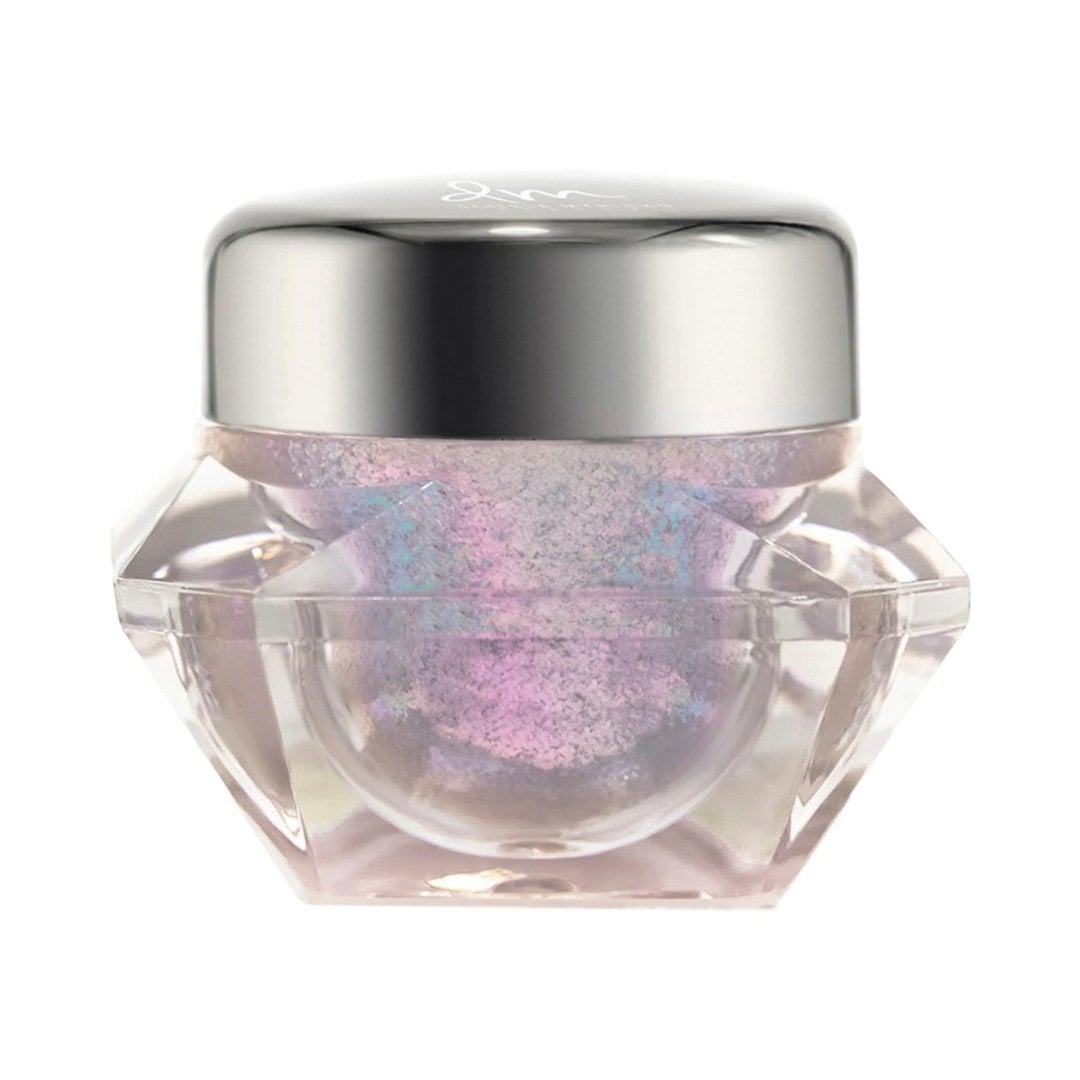
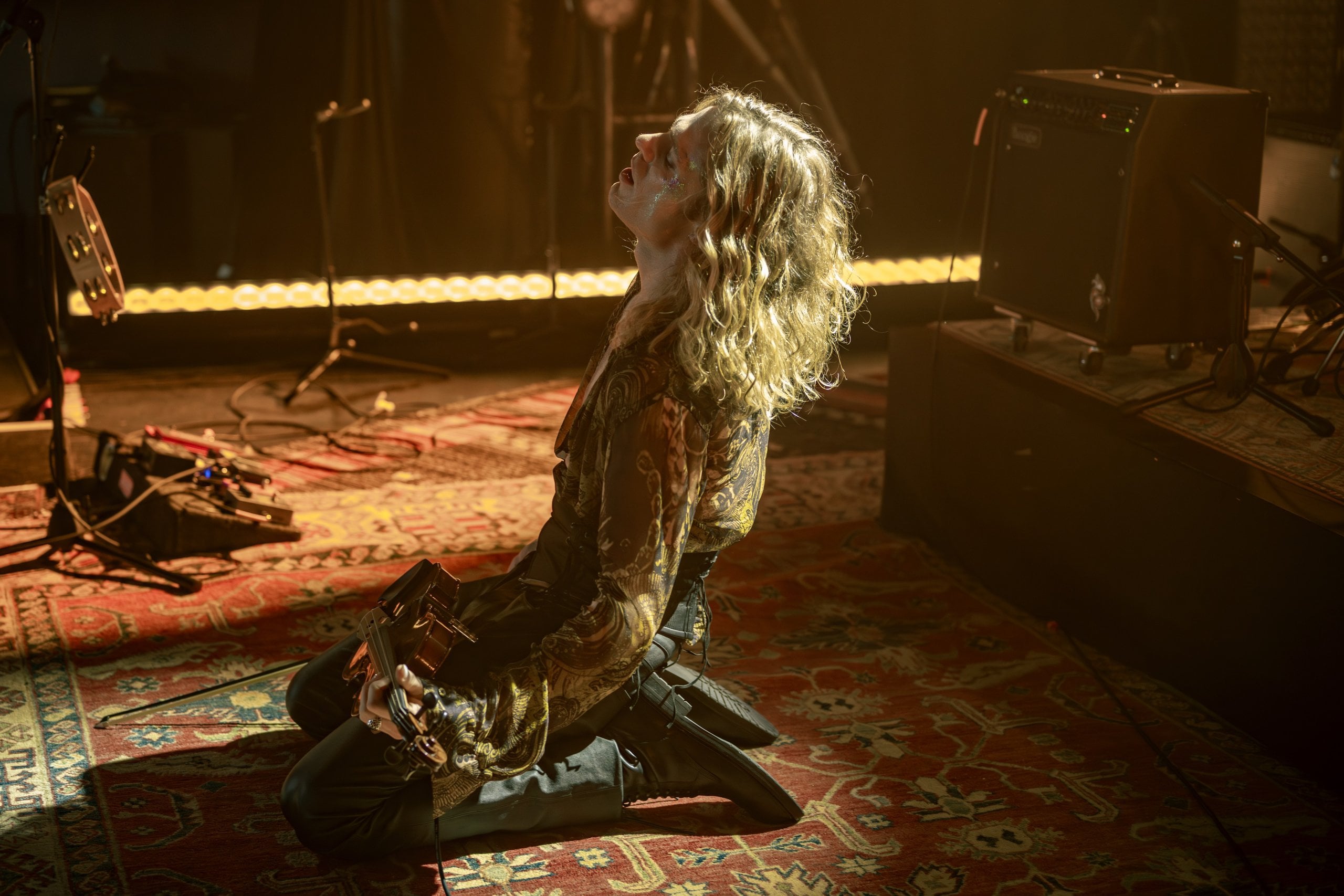
“Oh, I, I tried to write to you the prettiest song in the world, but I got distracted,” sings a petulant Lestat, as he presents Louis a copy of Molloy’s book, marked up with his indignant corrections. “Oh. And I didn't.” The luminescent shimmer around his eyes practically radiates his fury as he flies back down for his literal mic drop. Lane experimented with various types of glitter products—“before I left the makeup store, I looked like Tinkerbell”—to land on an opalescent non-transfer gel, Danessa Myricks Infinite Chrome Flakes, in a variety of colorways, and the Infinite Chrome Pencil.
Similar to a rock star backstage, Lane would then “fingerpaint” the glitter gel on Reid, depending on how much drama the song and scene required. “I smeared half of his face one way, and half of his face the other,” says Lane, likening the mercurial nature of the chrome, similar to Lestat himself. “When you look at him straight on, you can't see it, and then he turns his head, and he has this amazing light pattern.”


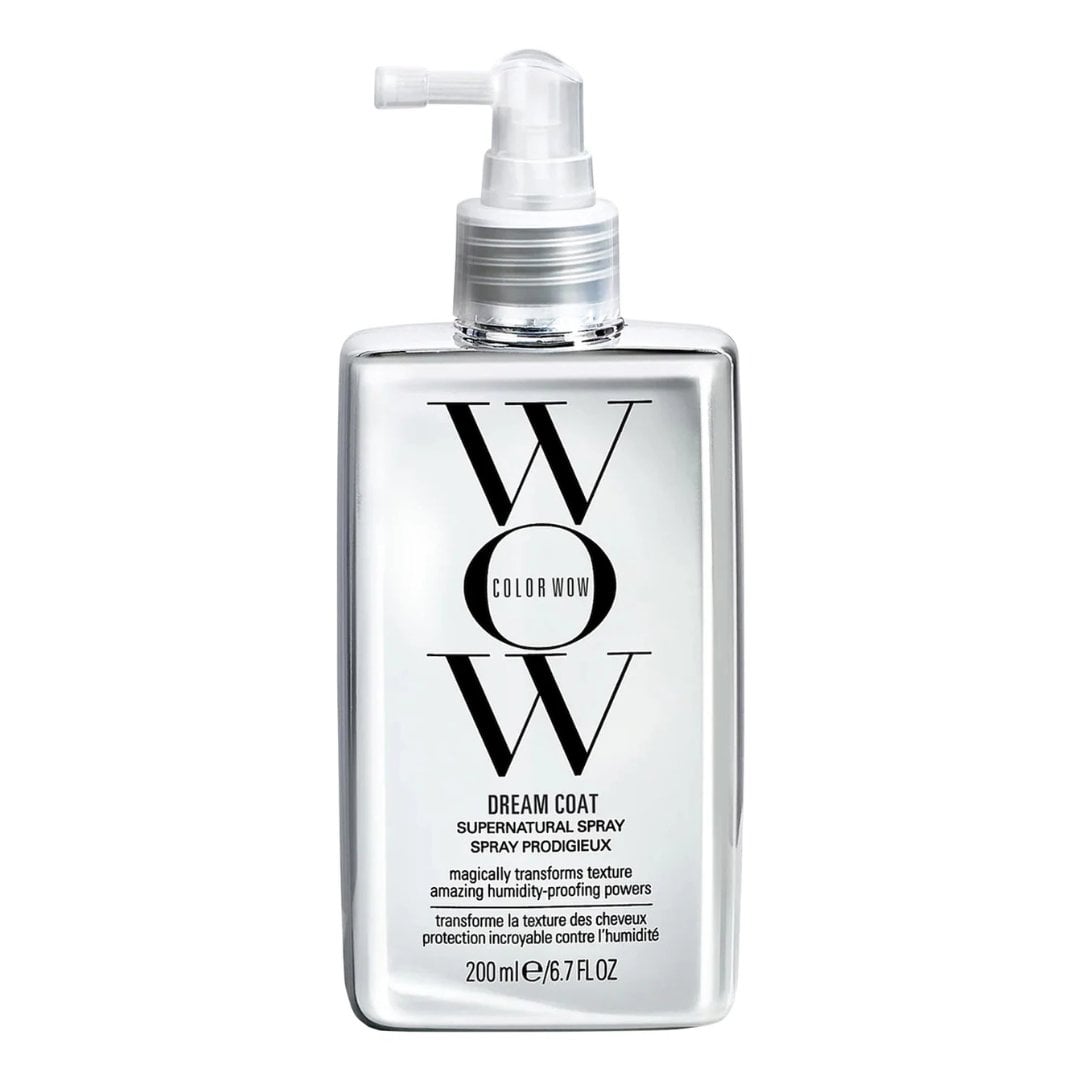
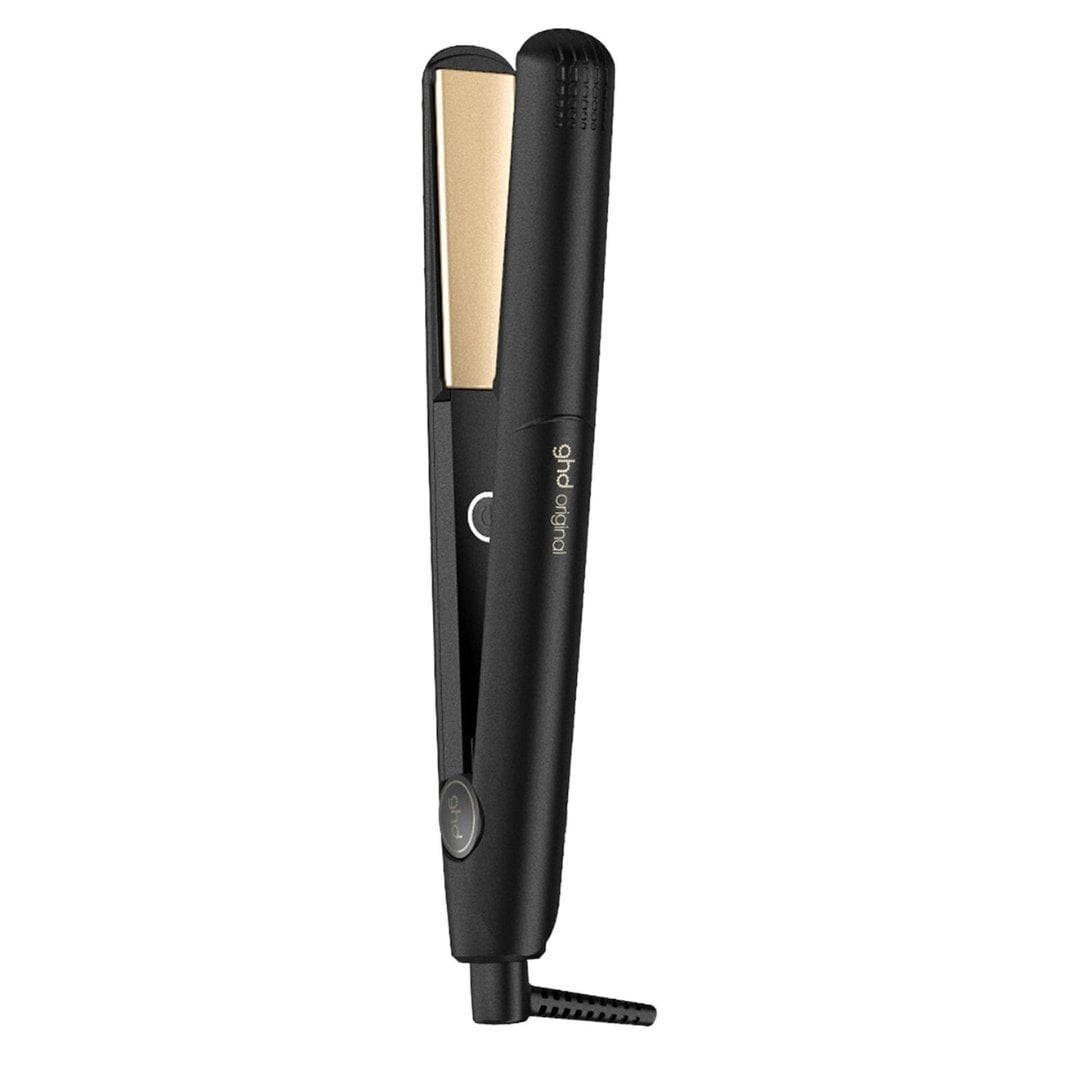
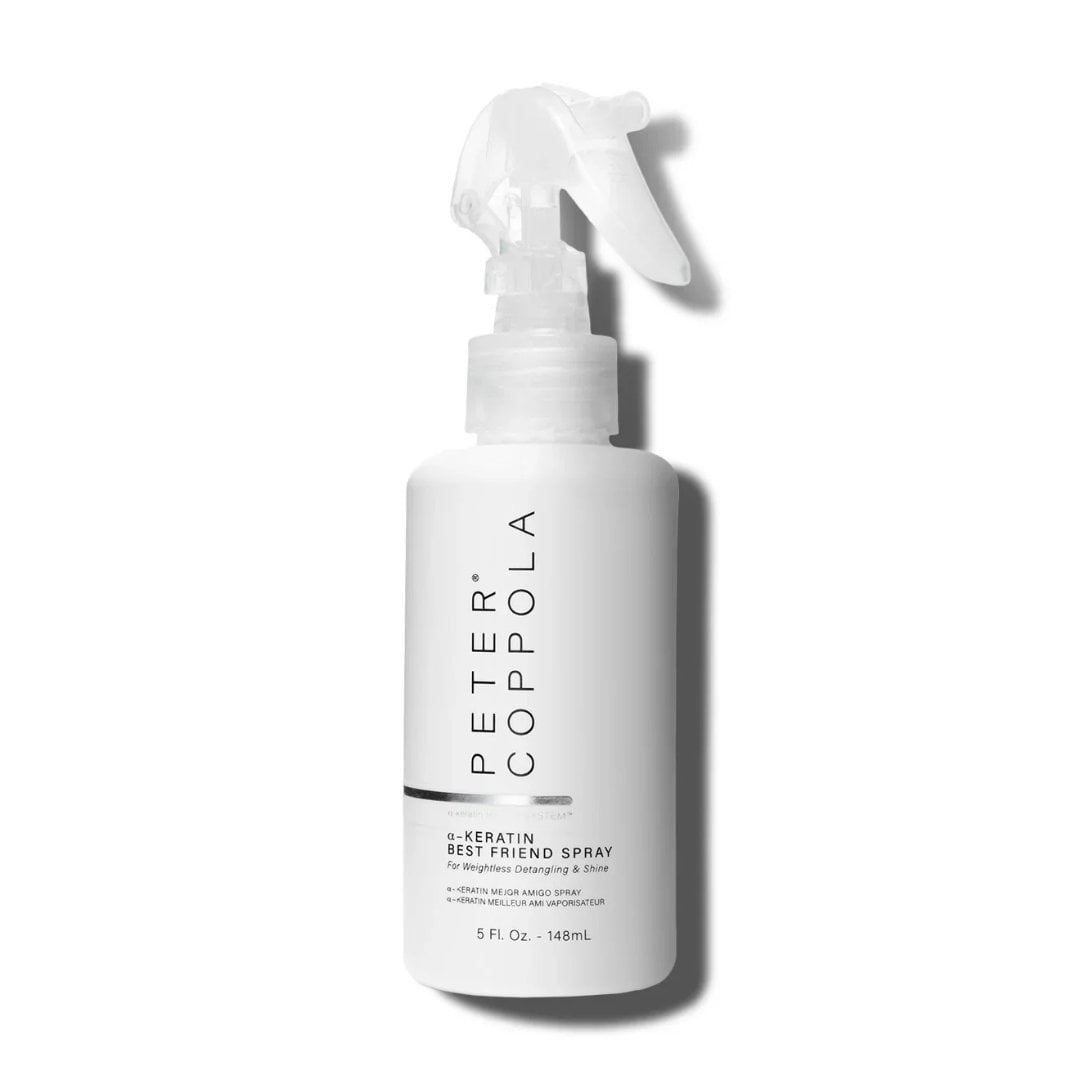
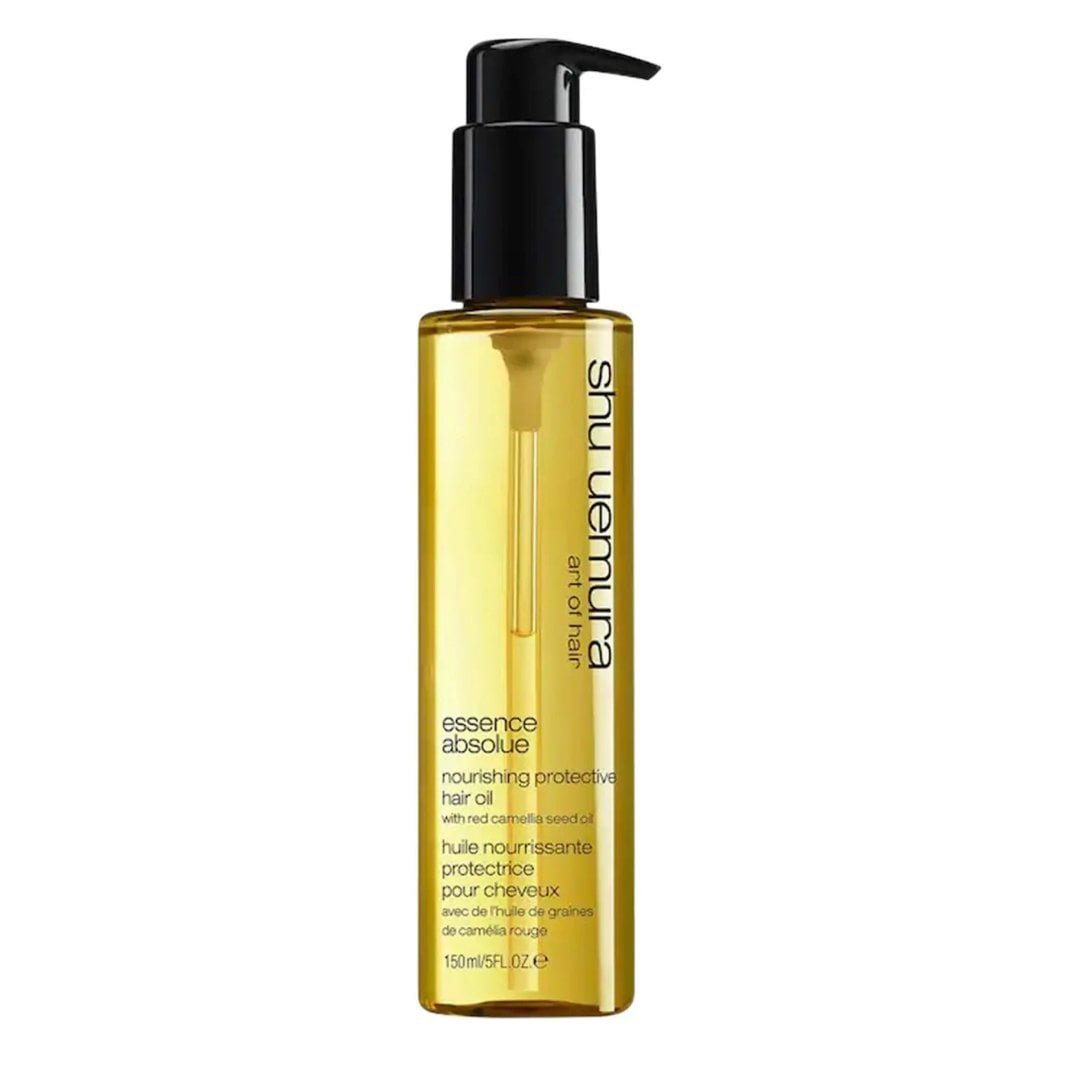
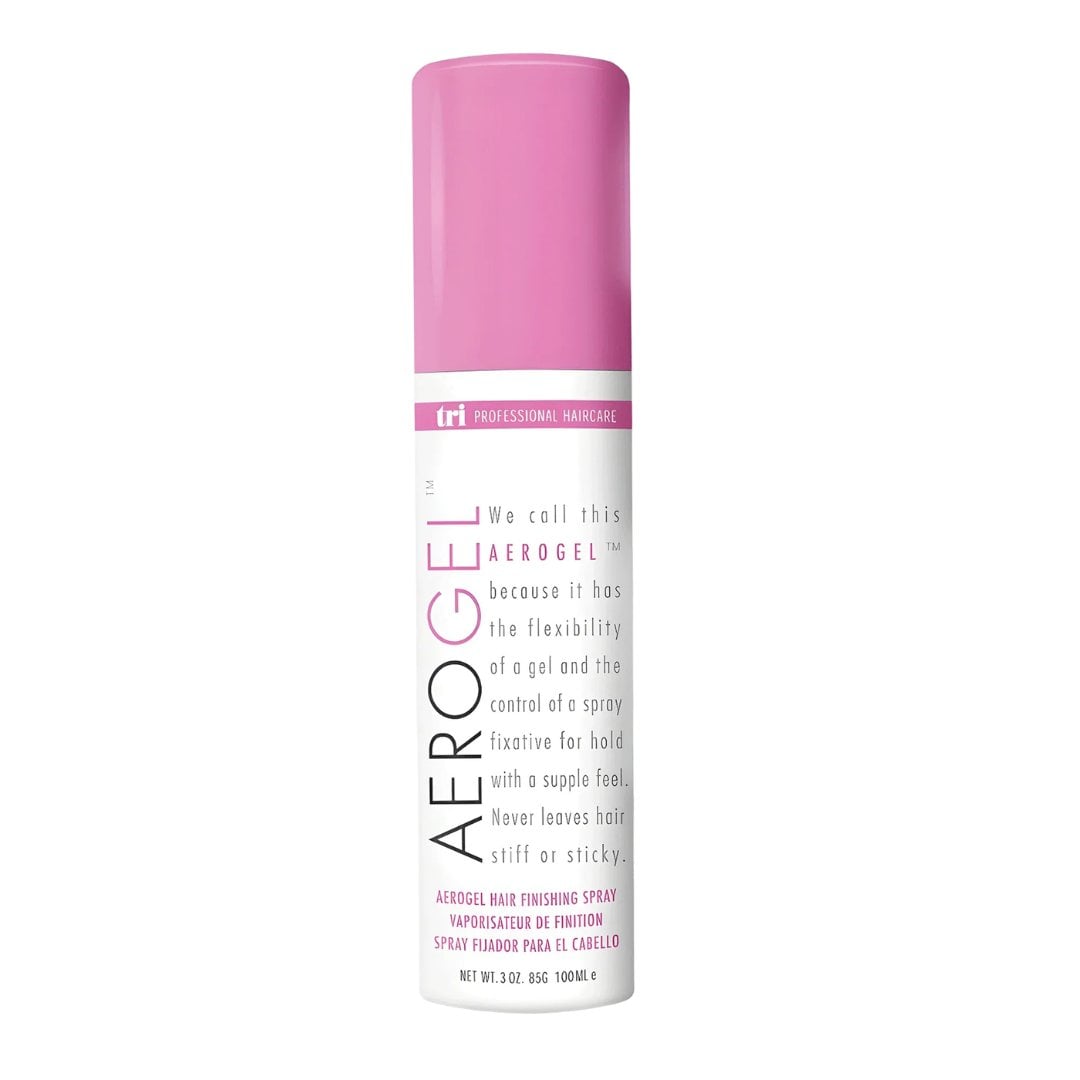
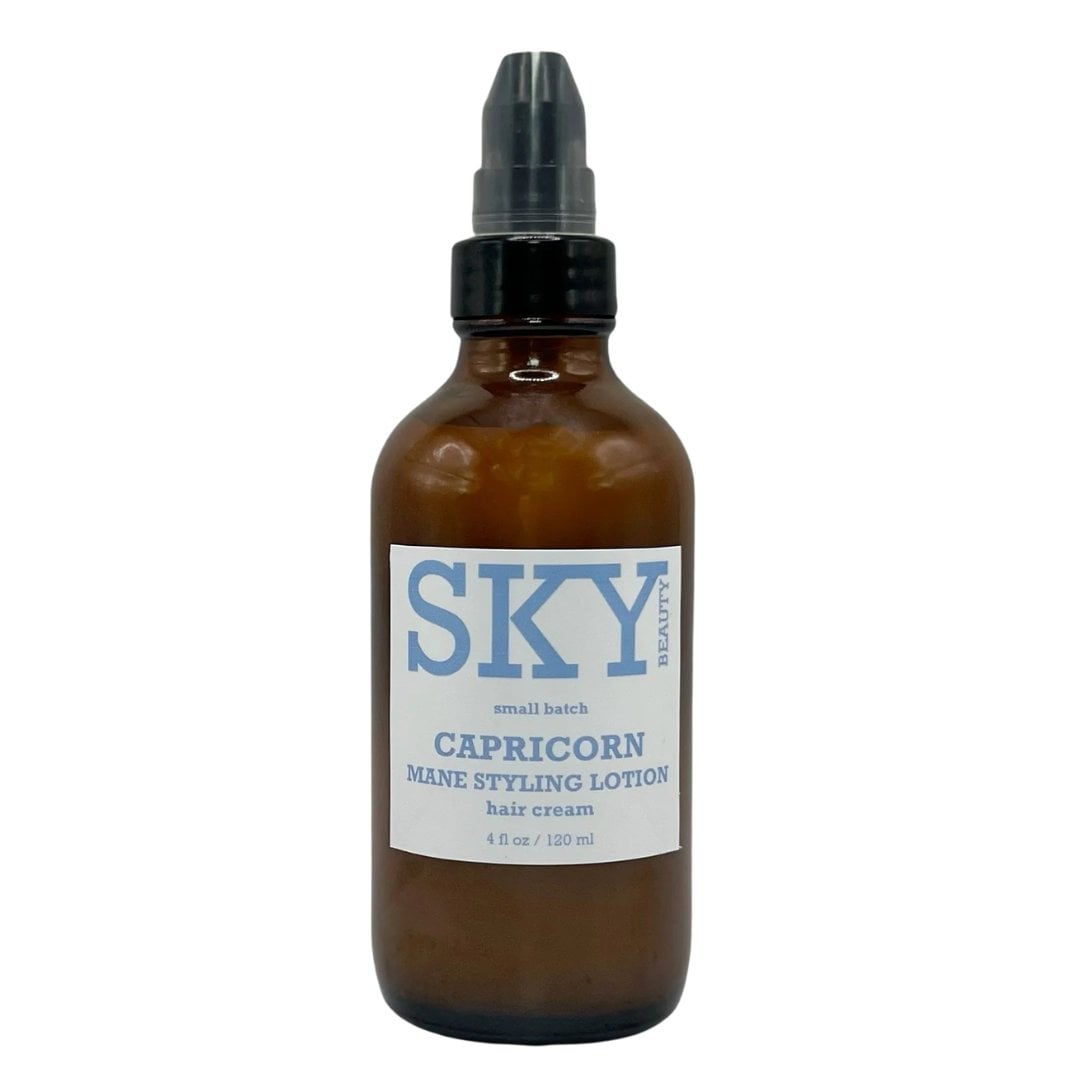
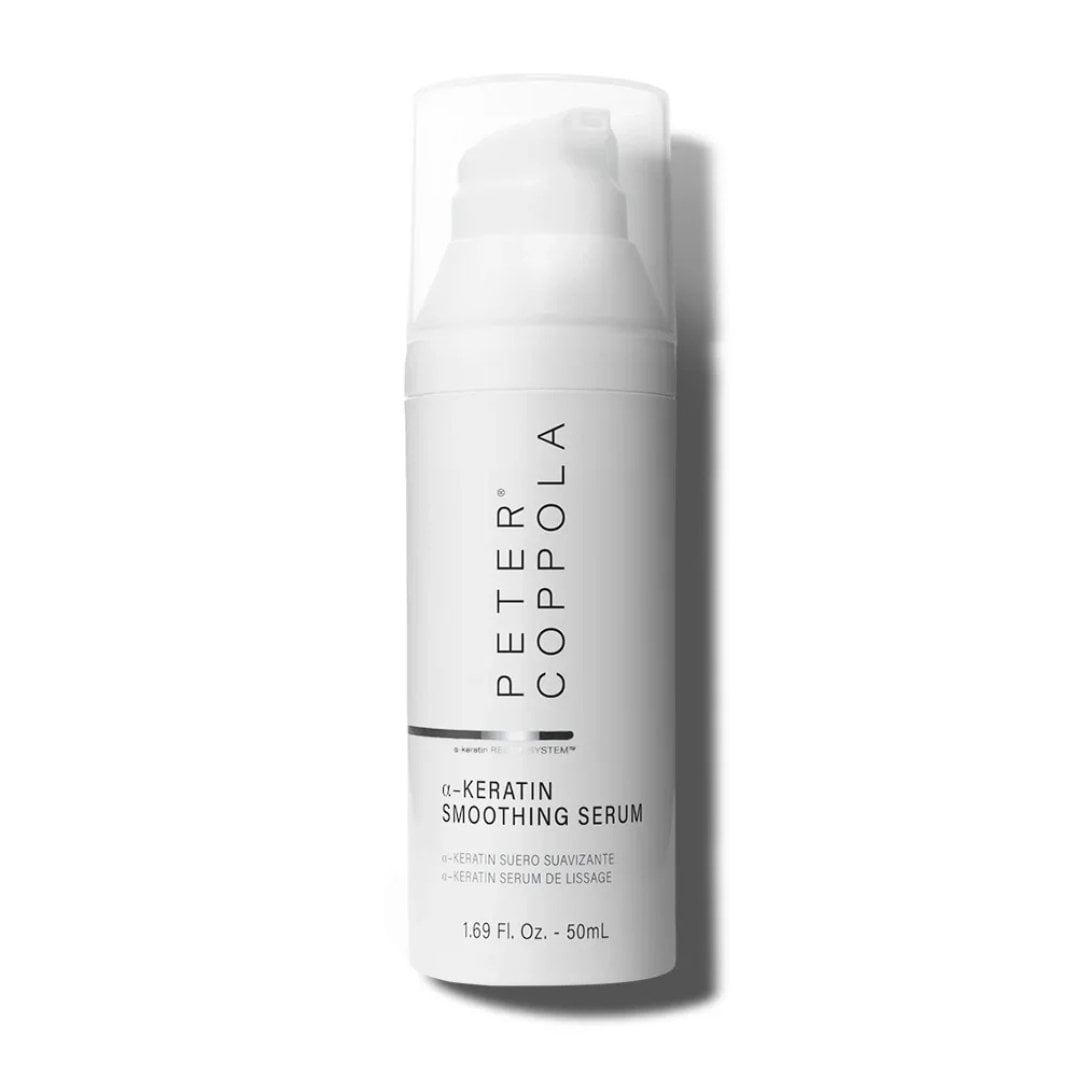
Lestat’s tighter, more defined, but still unrestrained waves also underscore the tension. “His hair was bigger depending on how wild the song was,” says Terzo. To hone Lestat’s beachy waves to fit the moment, she employed varying styling techniques with hot curling tools and a ghd flat iron, plus a blend of Sky Beauty Capricorn Mane Styling Lotion, Shu Uemura Essence Absolue Nourishing Protective Hair Oil, the aptly named Color Wow Dream Coat Supernatural Spray, and Aerogel Hair Finishing Spray. Terzo also treated Reid’s waves with keratin-infused products from Peter Coppola. “He has a lot of beautiful hair, and because he's thrashing around on stage, you want to keep that as tame as possible, but also healthy,” she says. “I'm constantly jumping in there with tools.”
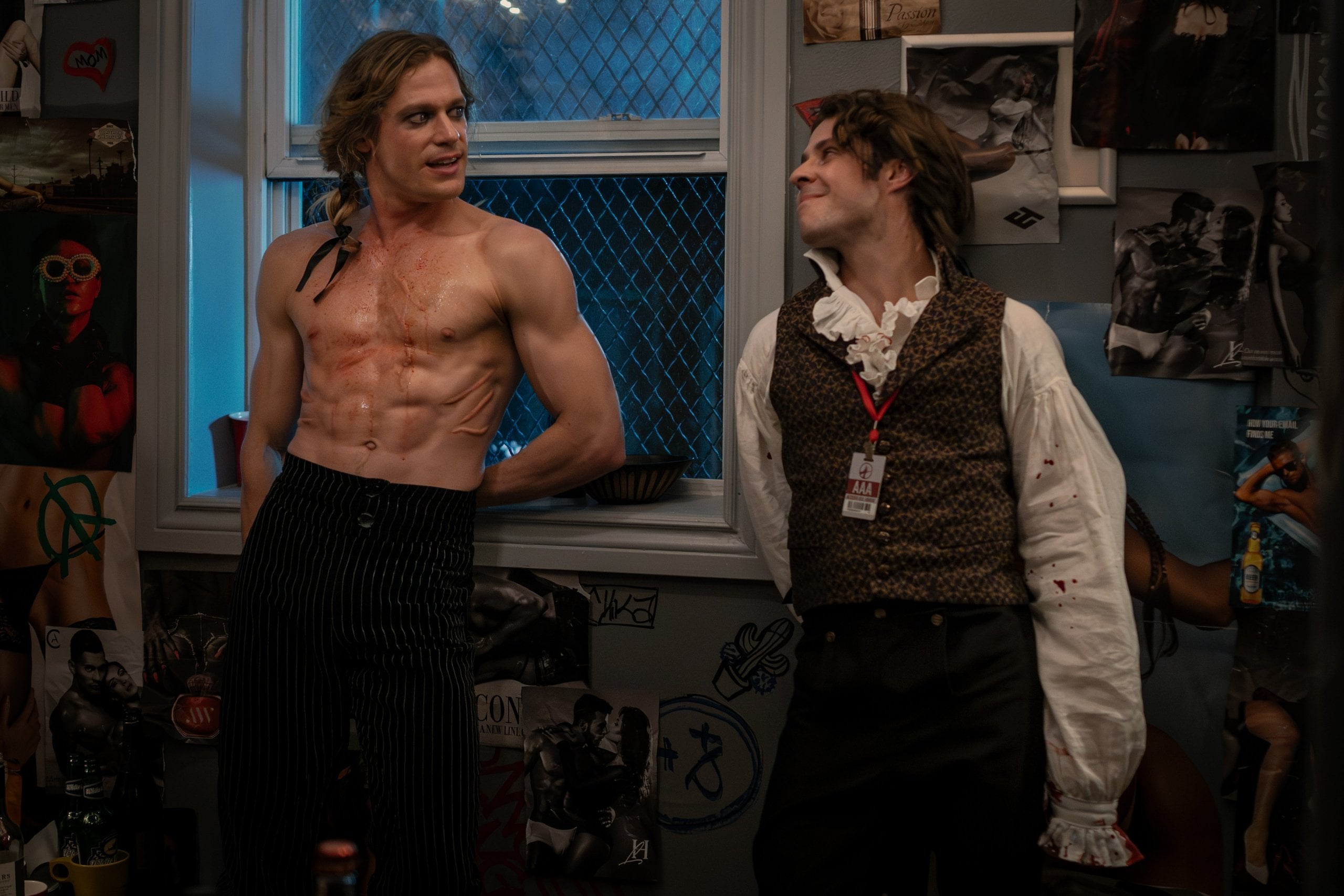

Sam Reid and Joseph Potter in "The Vampire Lestat".
AMC
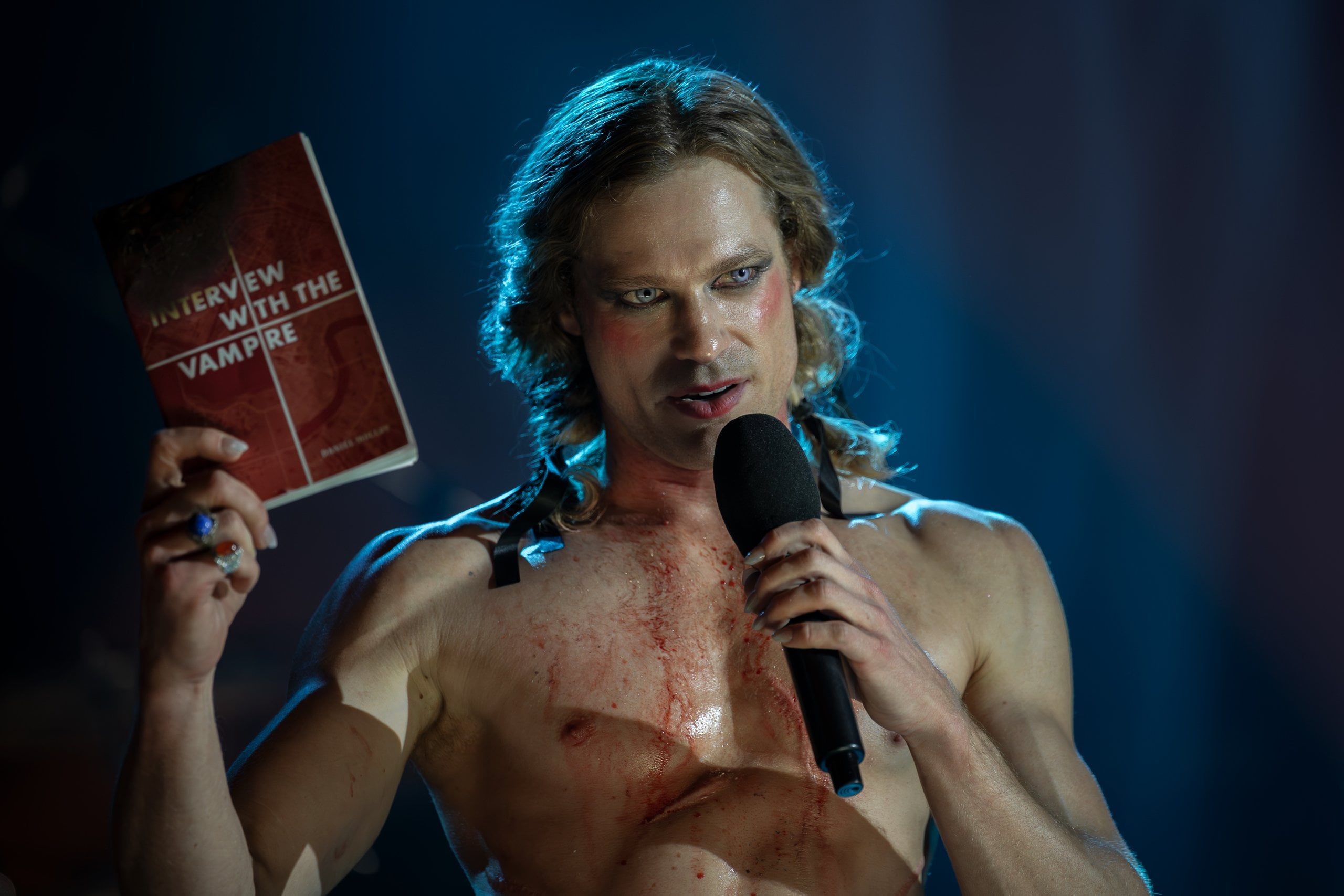

Sam Reid in "The Vampire Lestat".
AMC
Sam Reid and Joseph Potter in "The Vampire Lestat".
AMC
Sam Reid in "The Vampire Lestat".
AMC
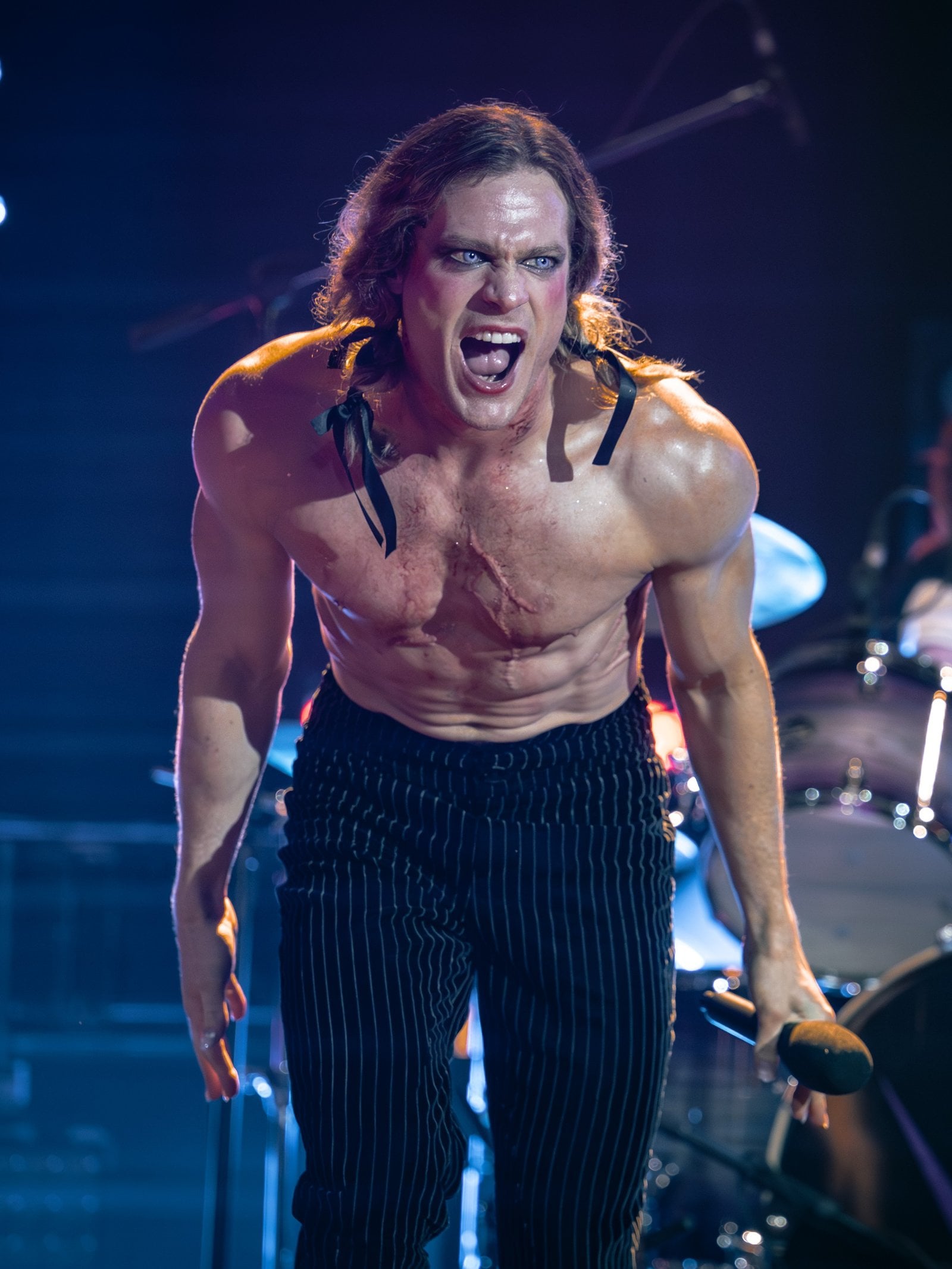
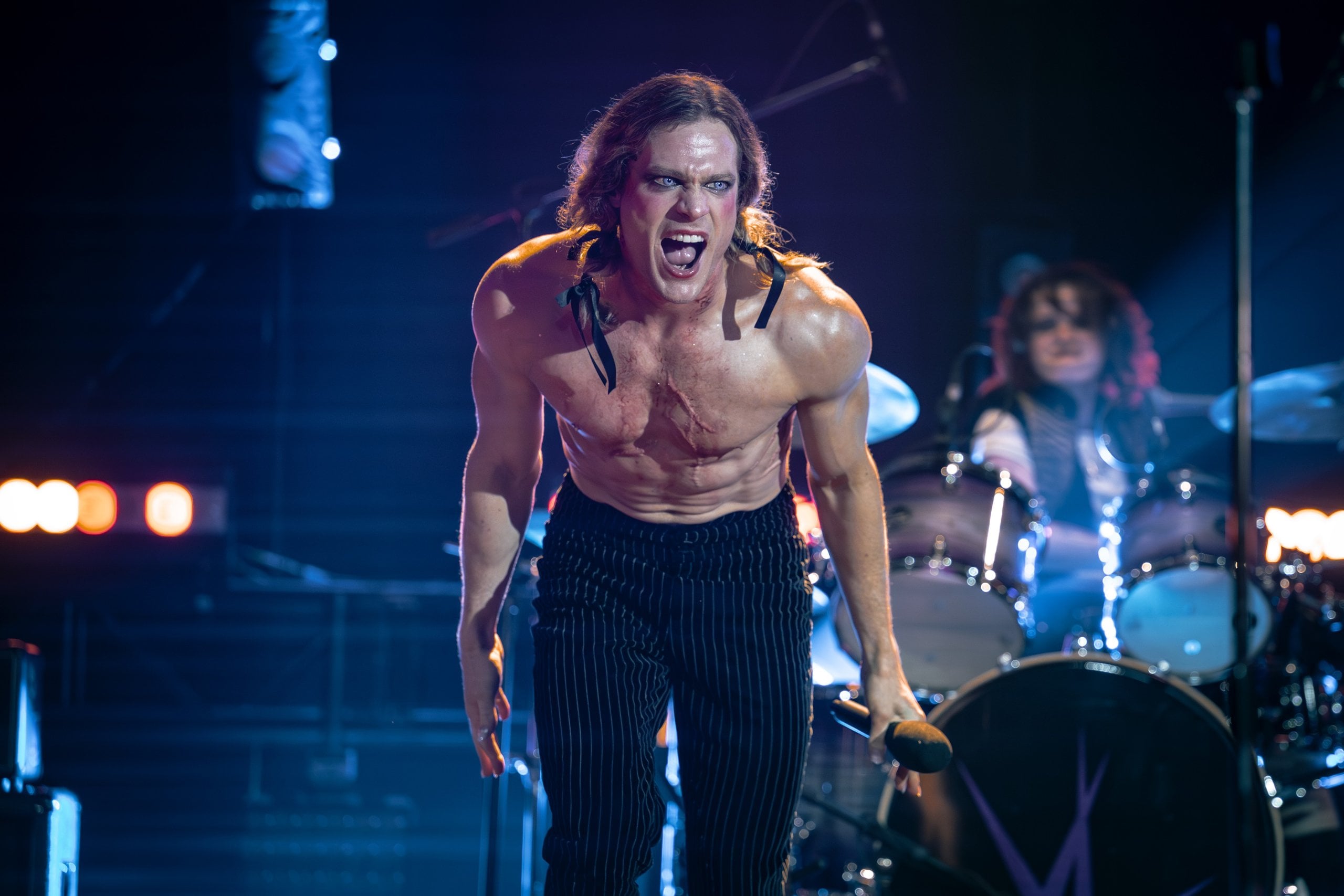
Throwing himself into his reckoning era, Lestat begins to unravel—especially with the reappearance of Armand (Assad Zaman), whose betrayal of Lestat runs centuries deep, in episode four, “The Devil’s Road.” In a scathing on-stage rebuke to Armand, via the boisterous banger, “Big Boss,” Lestat wears his spite and fury in a glam-rock throwback to their late-18th-century Théâtre des Vampires days: smokey, dark-lined eyes and long lashes, coral-red lipstick messily applied in a heart shape, and sharp slashes of bright pink blush at the top of his cheekbones.







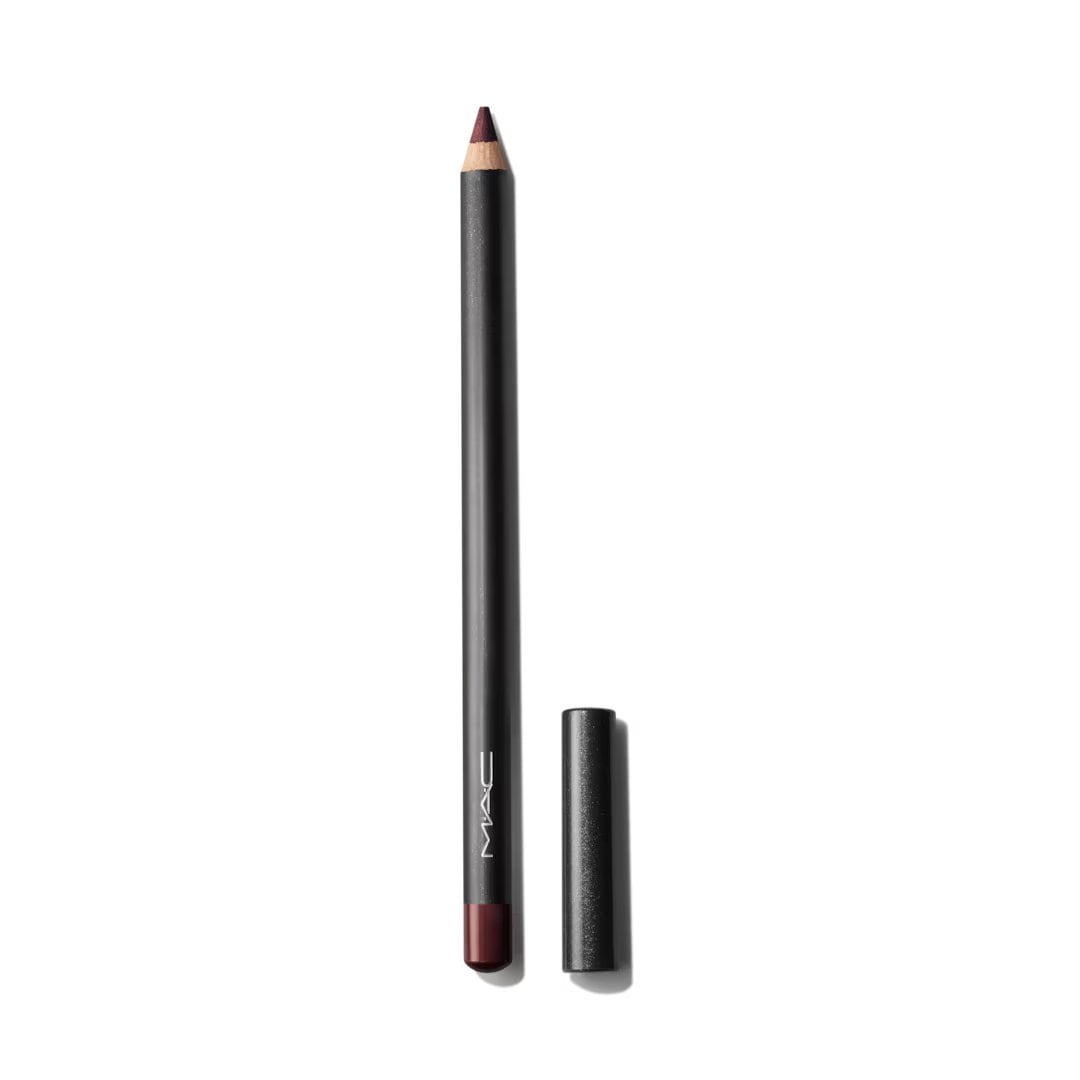
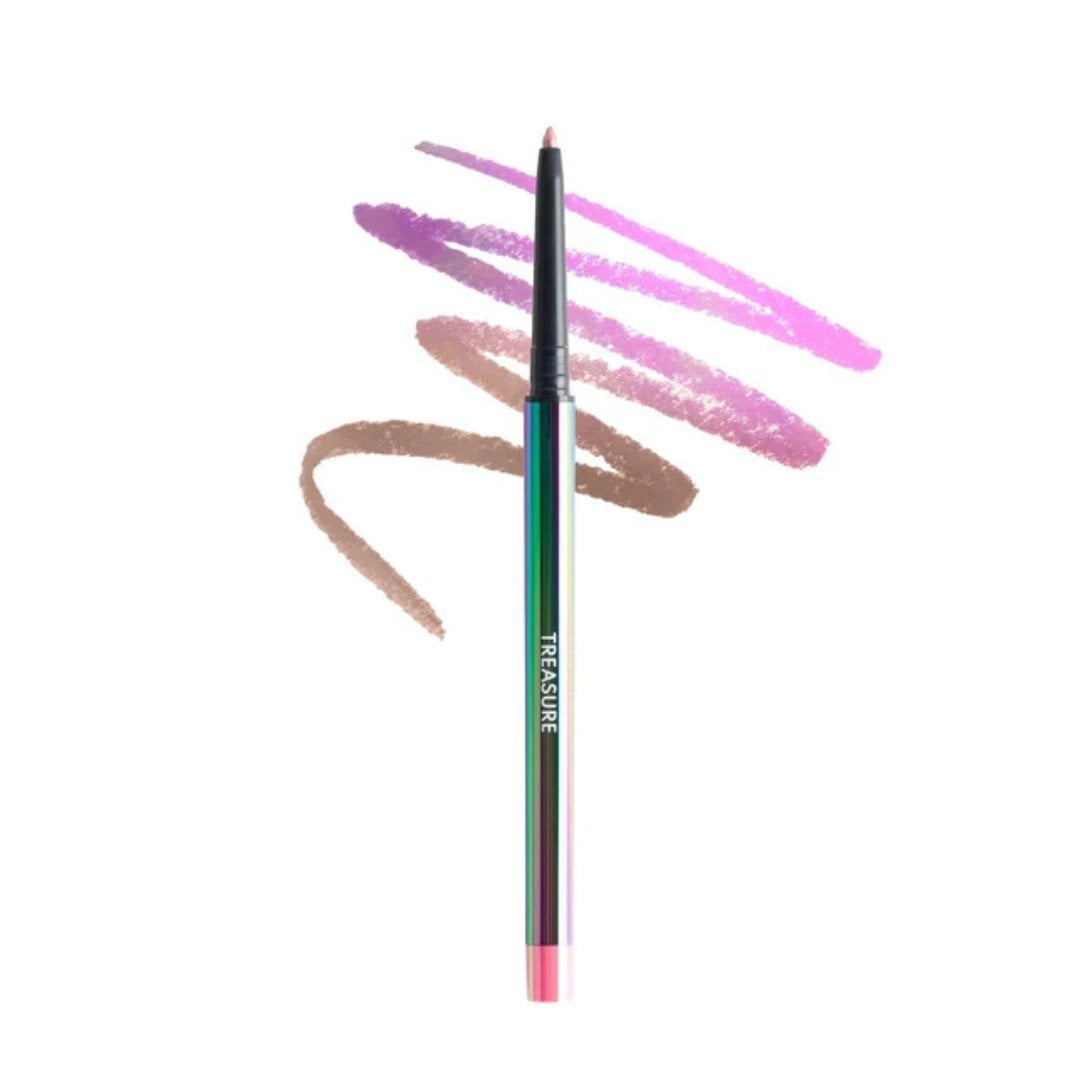
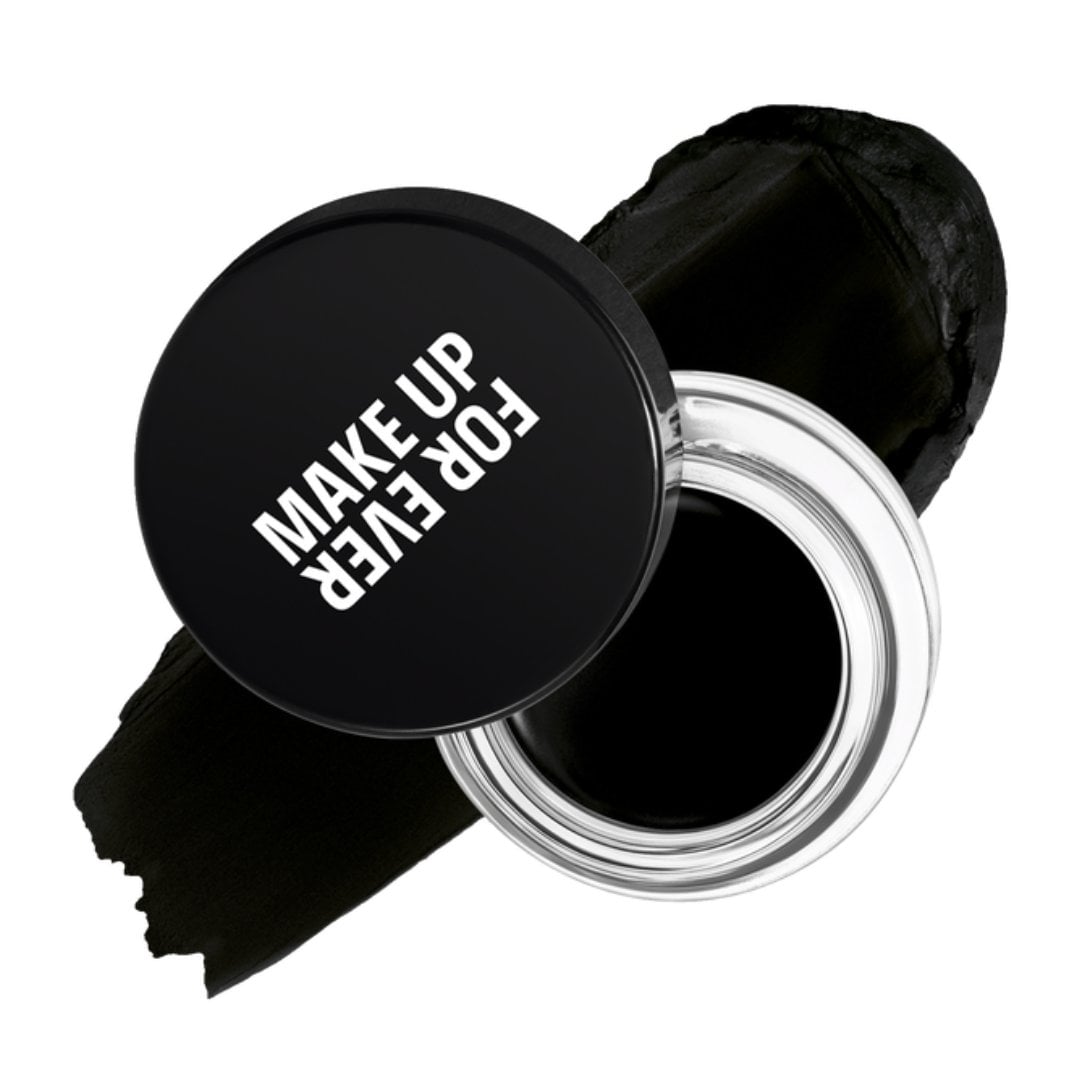
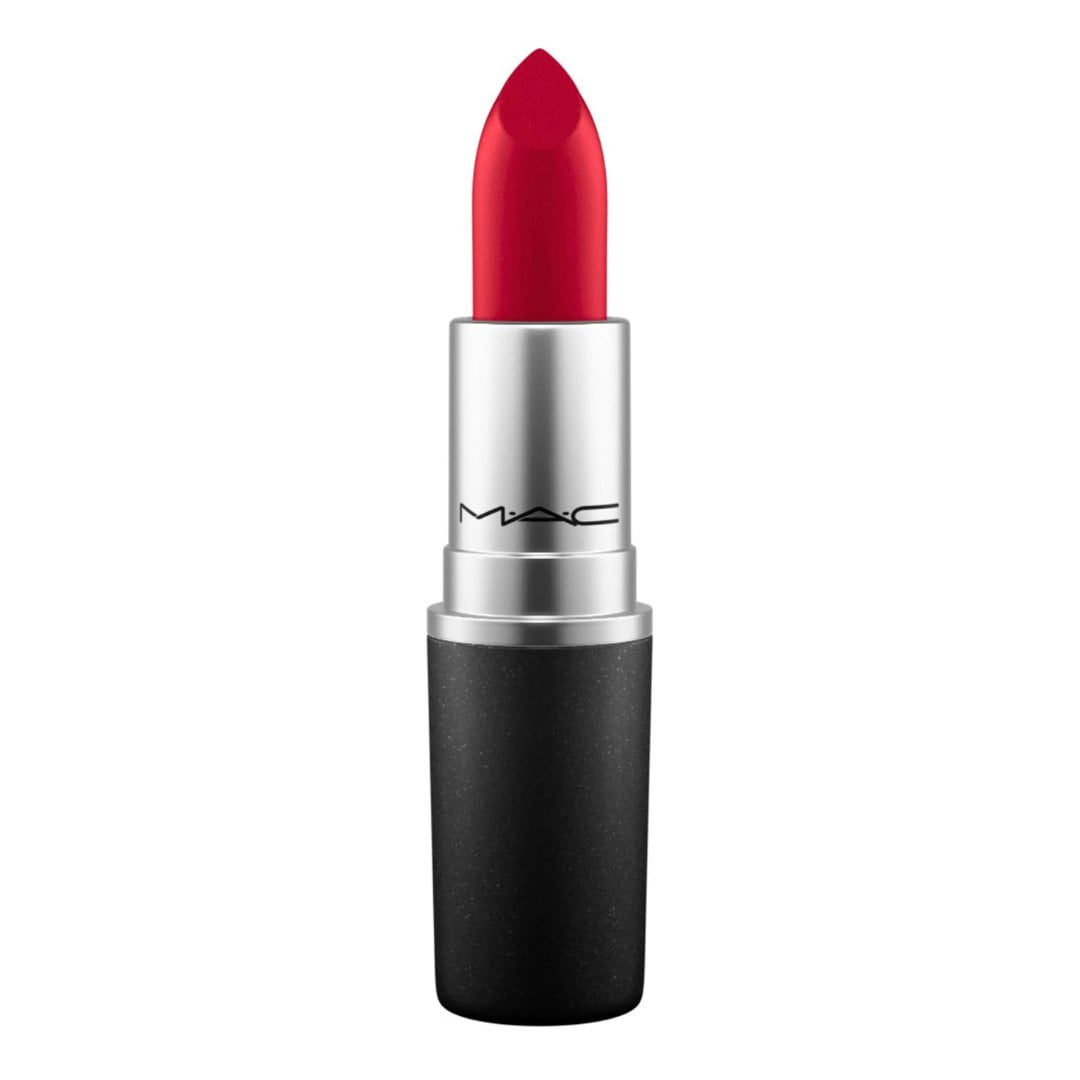
“We went back to when he was this harlequin. He's now seeing himself as the ghost of his old self and everything is just making him manic,” says Lane. For the dramatic eye, she used “heavy” swipes of MAC Kohl Eyeliner in Smolder, Makeup Forever Artist Color Cream in Whatever Black “broken down,” and the now-discontinued Urban Decay Naked Metal Mania Metallic Eyeshadow Palette, and the classic MAC Ruby Woo for the bold lip and cheek. “Listen, we sat in that makeup trailer that morning, and I just kept putting eyeliner and these cheeks on,” Lane continues. “That beauty mark must have moved around five times until we settled on a spot.”
Terzo, who started on maternity leave the day before shooting the scene, designed and guided her co-designer, Tamara Ciraolo, on braiding the low, messy pigtails prettily tied with black French silk grosgrain ribbons. Terzo explains that Reid had wanted to revisit Lestat’s formative beginnings via a deconstructed version of his late-1700s hair. “I said, ‘OK, great, we're gonna find the right one,” she says, as Lane adds, “when she put the ribbons in there, I was like, ‘oh man, there’s the cherry on top.’”
As Lestat grew more vulnerable and emotionally exposed, so too did Reid’s embrace of his character’s increasingly expressive hair and makeup choices. “It’s like the glitter. One day he goes, ‘More!’ and I went, ‘What?” says Lane. “This is a man that didn't want glitter at all in the first place, so the character grew with him as well. But that ‘Big Boss’ had to be big.”