
Meet The Craft Team Who Brought 'The Odyssey' To The Big Screen
Fashion
Christopher Nolan's ambitious epic was filmed across six countries and required countless handmade costumes and towering builds such as a 35-foot wooden horse and a 60-foot animatronic puppet.
Christopher Nolan’s “The Odyssey” is, as the film’s opening line reads, set “in a time of apparent magic” where giants, sea monsters, and sorceresses hinder what should be a straightforward homecoming. But alongside these supernatural elements, there is also the suggestion that the film’s hero Odysseus (Matt Damon) is not so different from us modern audiences, haunted by the extremely violent acts he participated in in the name of the man he was following, collapsing the distance between the ancient world and our own society to reveal a raw, complex, and intensely human portrait of war.
Ensuring the story, based on a 3,000-year-old poem, felt fresh was no doubt the goal of the Oscar-winning filmmaker. After all, this isn't the first time Hollywood has adapted Homer's tale. However, it can be said with certainty that it is the most ambitious attempt, featuring an extensive cast, locations spanning the globe, and a format — full IMAX — built for a viewing experience like no other. "The Odyssey" may seem like simply a blockbuster on the grandest possible scale. But like the wooden horse, it rewards a closer look at the people on the inside who brought the world of the film to life.
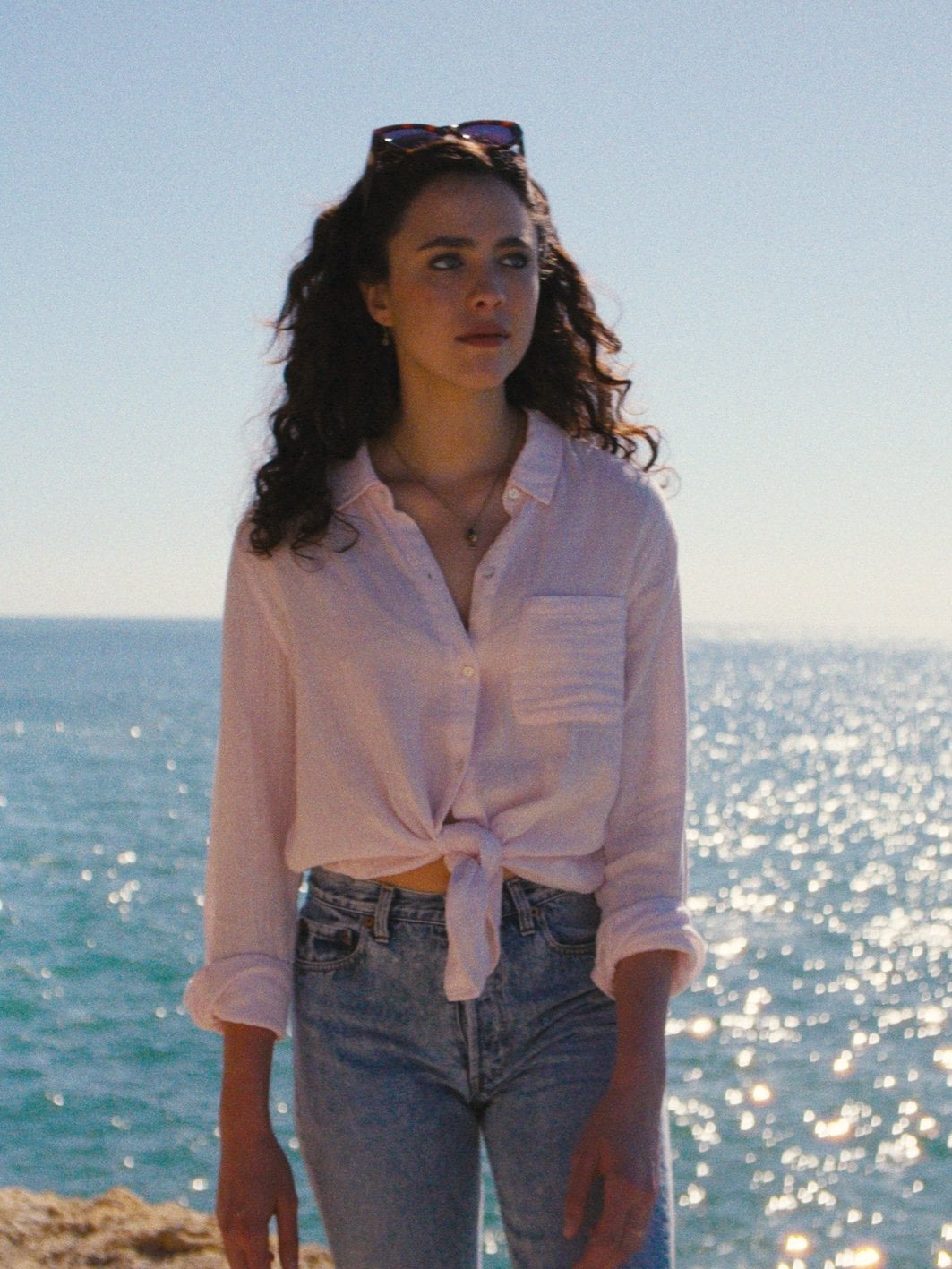
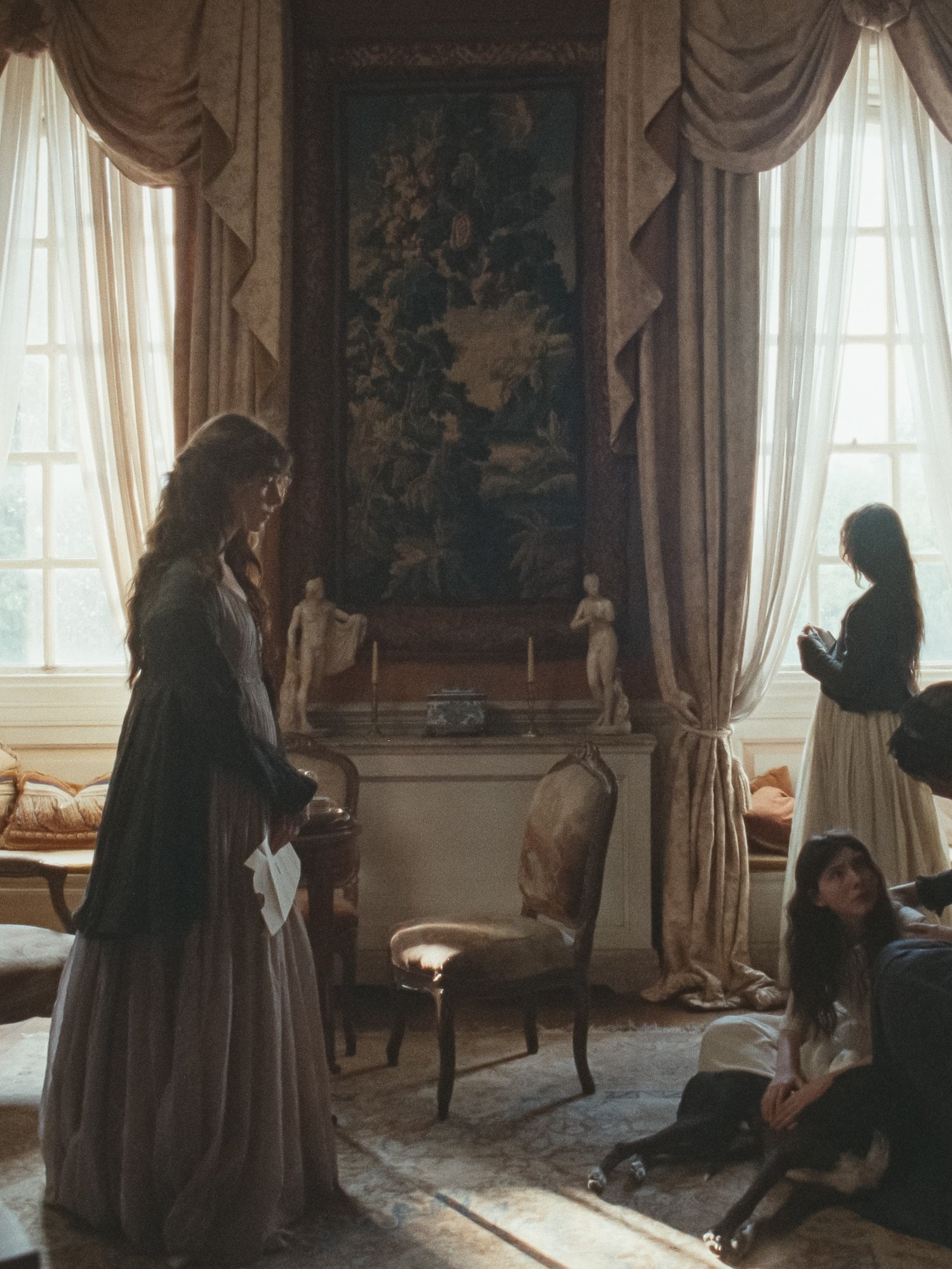
For the epic, Nolan assembled some of the best talent working in film today, including several who'd already proven themselves on his previous work. Outfitting the sprawling world of “The Odyssey” is veteran costume designer Ellen Mirojnick, whose work on Nolan’s 2023 biographical thriller “Oppenheimer” earned her an Academy Award for Best Costume Design nomination. Mirojnick handmade many of the film’s breathtaking costumes, from Penelope’s jewel-toned, pleated royal gowns to the nymph Calypso’s (Charlize Theron) sun-bleached linen looks, and working with an extensive team of cutters, dyers, agers, tailors, and fitters, costumed the film’s large cast and countless background actors. Praising the costume designer’s work, Hathaway has said that her “whole performance was defined” by Mirojnick’s costumes. As she told ELLE, “Penelope wears a lot of bright colors, she wears a lot of kind of elaborate hair designs. I didn't know exactly why we were doing it that way.” Mirojnick did, and for the actress it clicked toward the end of filming: Penelope hasn’t given up hope on her husband returning; instead, she opts for her most lavish gowns knowing that every day could be the day they’re reunited. “Even without words, Ellen Mirojnick knew that,” Hathaway said.
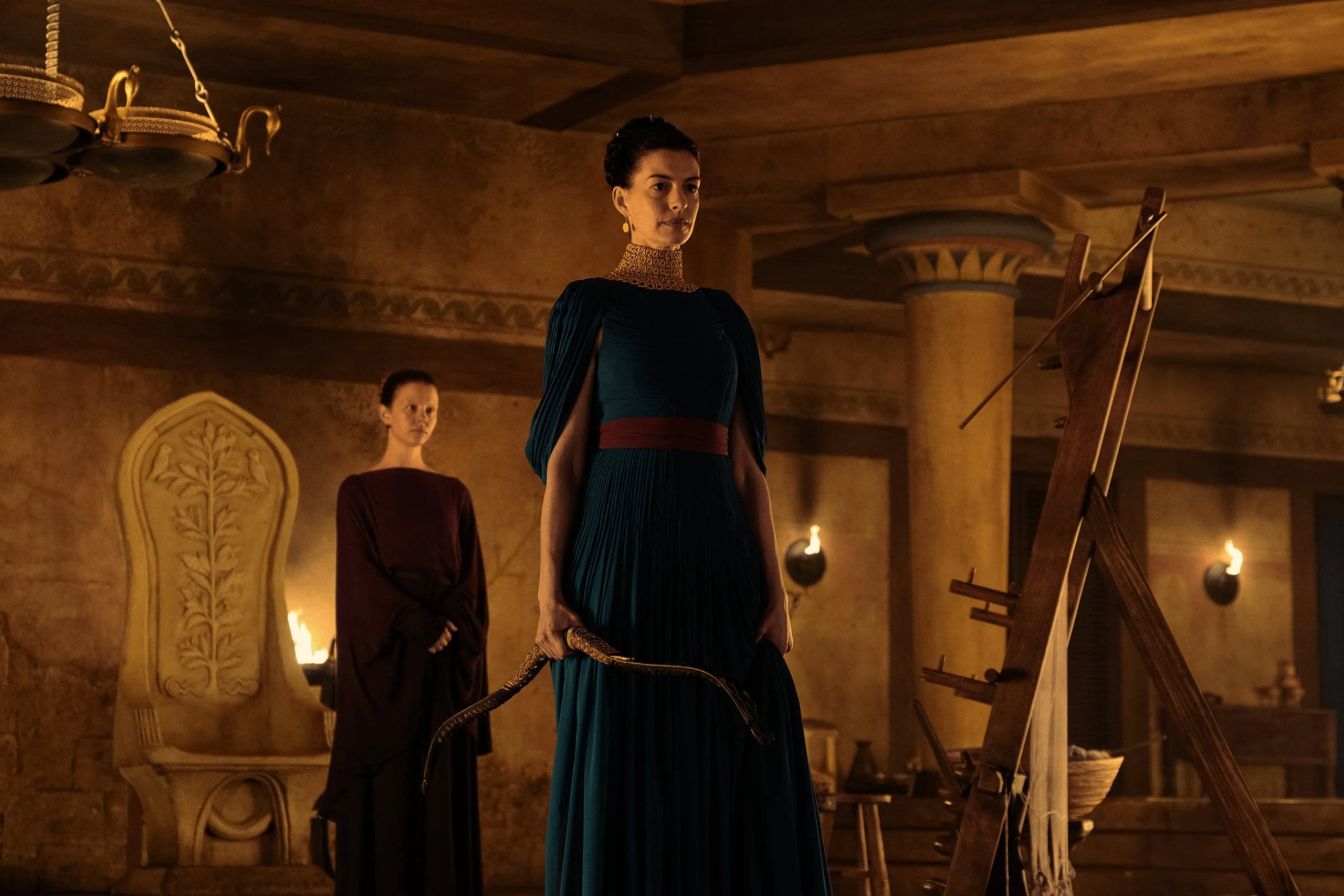

Anne Hathaway in "The Odyssey".
Universal Pictures/Melinda Sue Gordon
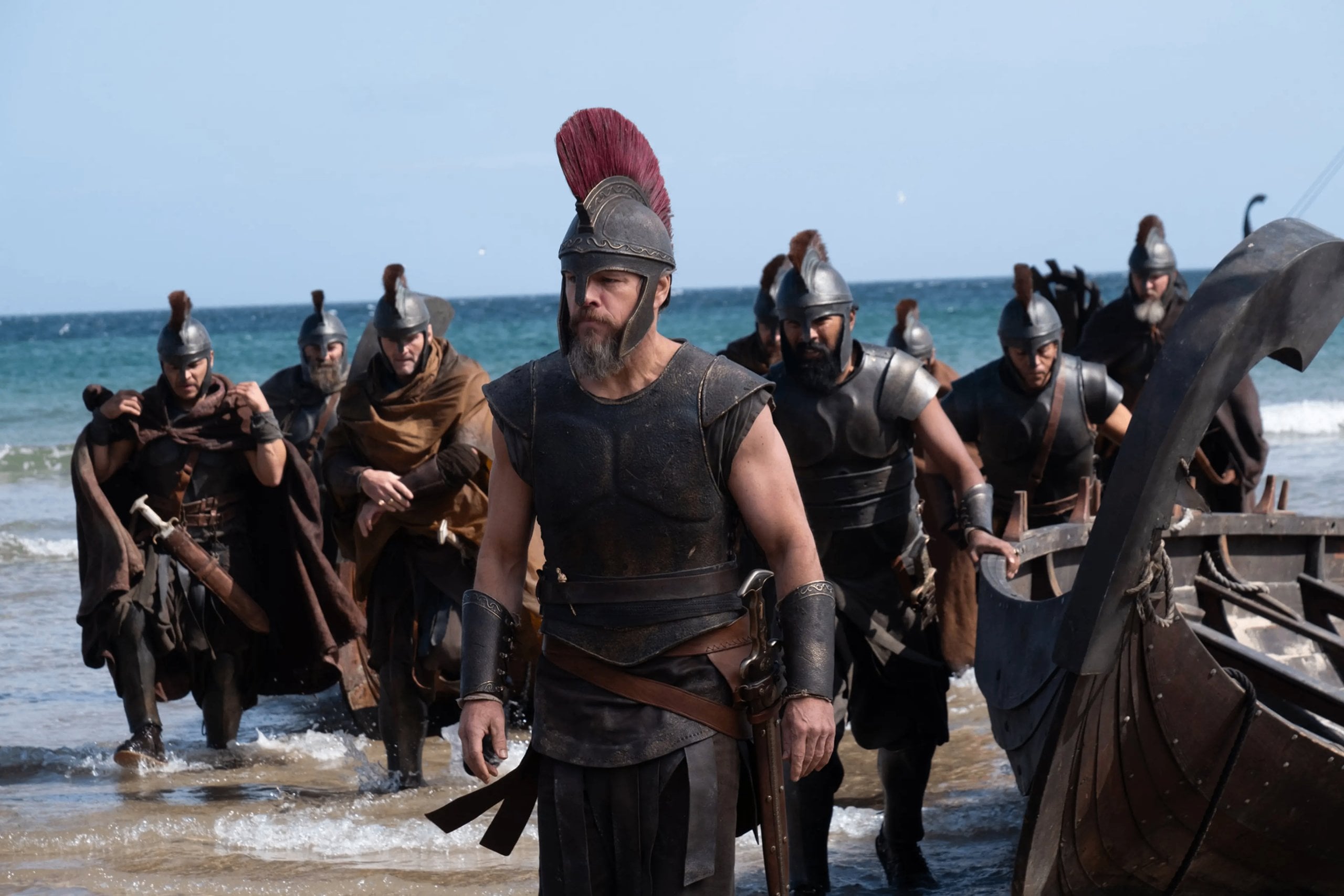

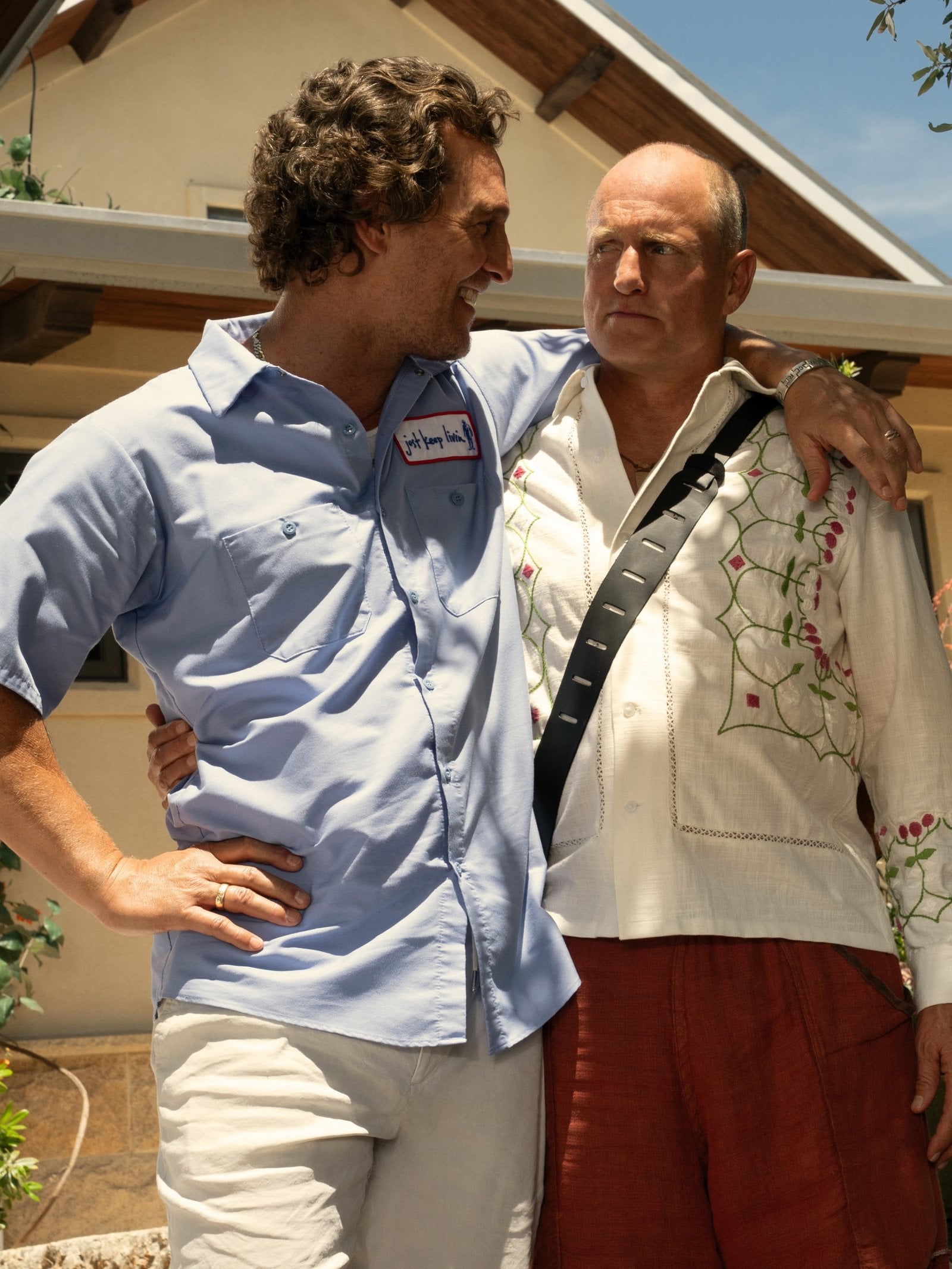
Matt Damon in "The Odyssey".
Universal Pictures/Melinda Sue Gordon
Anne Hathaway in "The Odyssey".
Universal Pictures/Melinda Sue Gordon
Matt Damon in "The Odyssey".
Universal Pictures/Melinda Sue Gordon
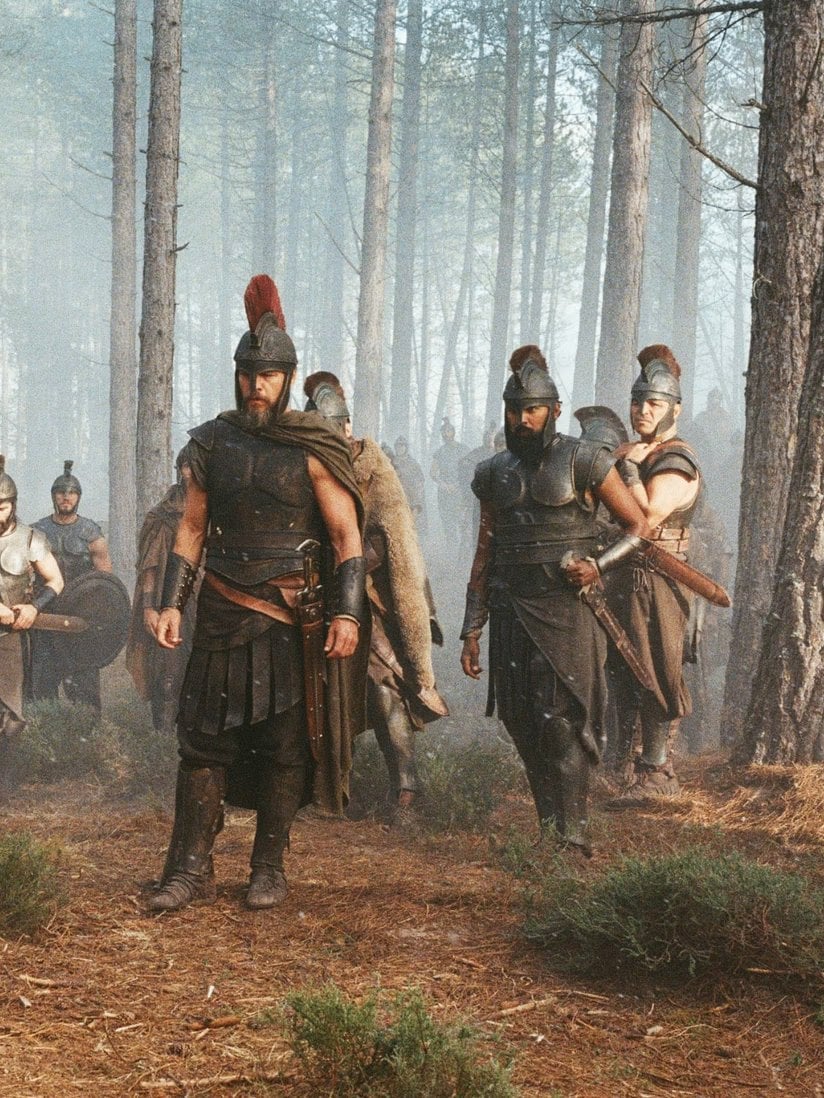
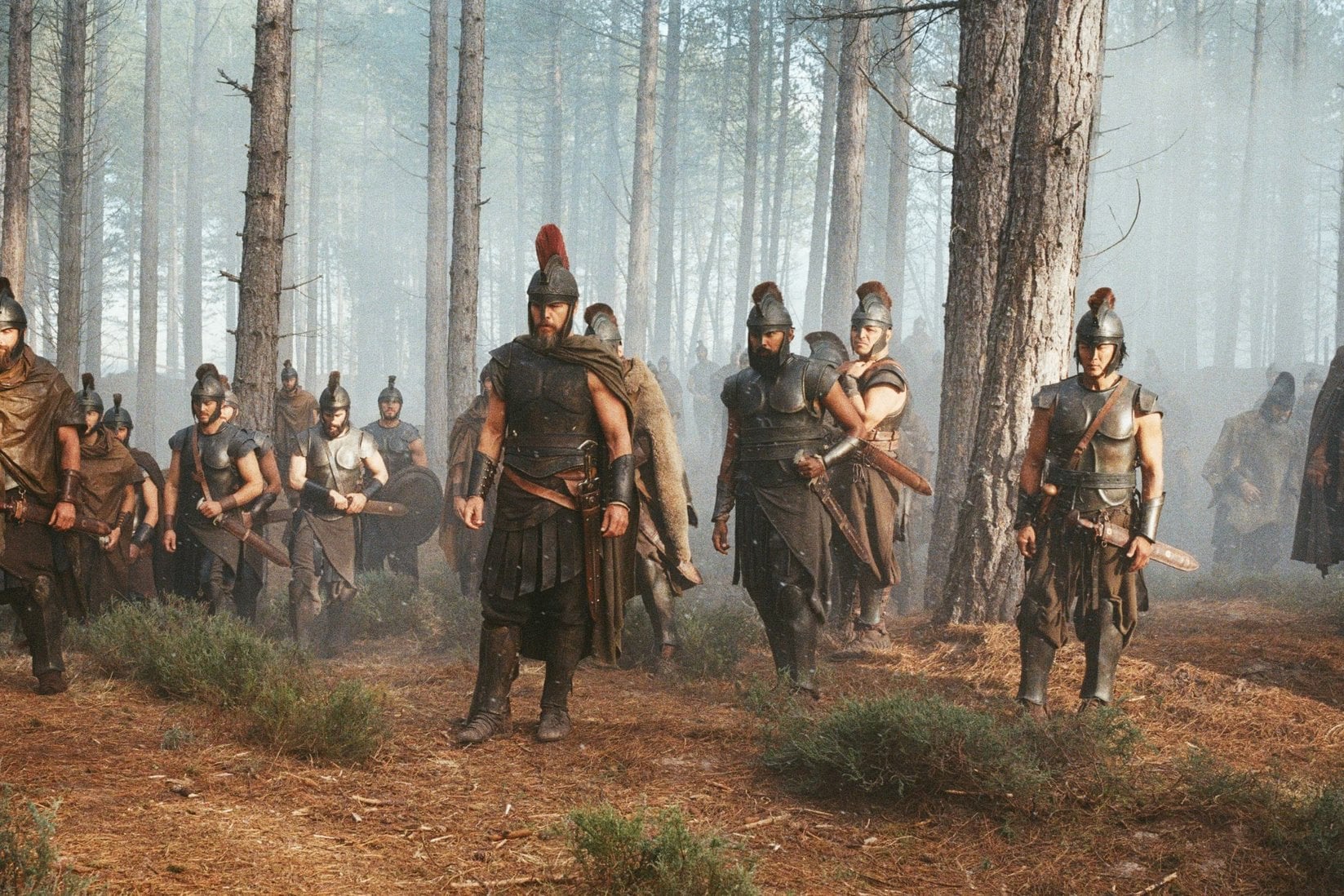
One of Mirojnick’s biggest swings in the film—and the one that has incited a lot of lively debate online—is her approach to costuming the Achaean leader, Agamemnon (Benny Safdie), whose glossy black and seemingly impenetrable armor and towering horse-hair plumed helmet draws an instant contrast between the commander and the men of his militia, best illustrated when he strides through the gates of Troy on the night of its fateful destruction. While some have criticised the visually arresting look for being too modern, speaking to Time, Nolan explained that across all departments, his team drew on the era's sparse archaeological records, and that included a theory that Mycenaeans made daggers out of blackened bronze. This, he said, informed Mirojnick’s armor for Agamemnon, noting that the leader would only have the best of the best. “With Agamemnon, Ellen, our costume designer, is trying to communicate how elevated he is relative to everyone else. You do that through materials that would be very expensive,” Nolan said. Again, without words—quite literally, as Safdie’s character delivers no dialogue during the battle scenes—Mirojnick was able to tell the audience so much about the character just through her costuming choices.
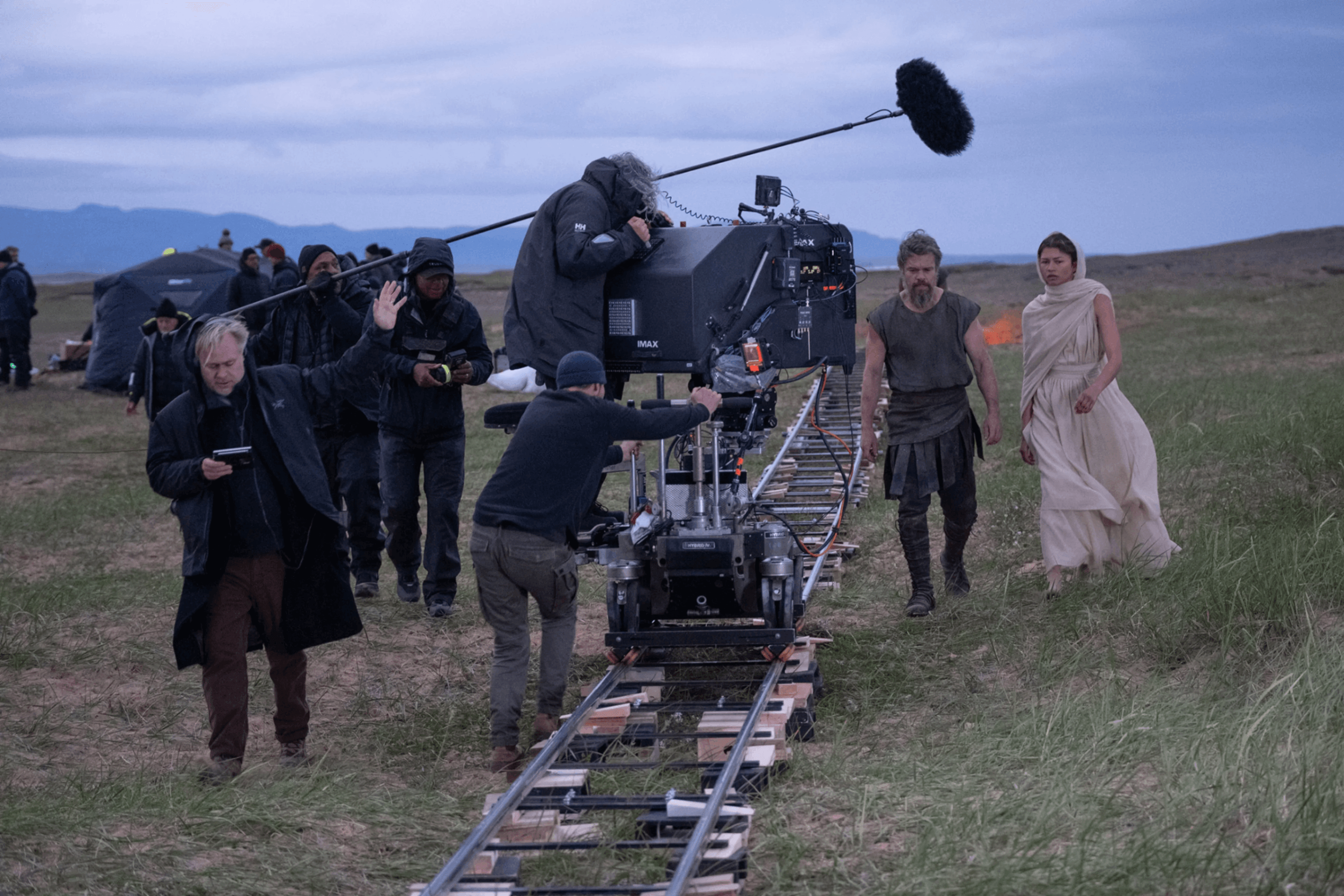

Nolan with Matt Damon and Zendaya on set of "The Odyssey."
Universal Pictures/Melinda Sue Gordon
Consistent with Nolan's long-standing preference for realism, the production favored real locations and physical construction over soundstage or greenscreen work wherever possible. Filming, which spanned just 91 days, took the cast and crew to Morocco, Italy, Greece, Iceland, and Scotland as they brought many episodes of Odysseus’s homecoming to life. No location was more important than Odysseus’ home of Ithaca, where his wife and son Telemachus (Tom Holland) have been waiting for his return for 20 years. Production designer Ruth De Jong found what was, in all respects, the perfect place for these scenes in the ruined clifftop Castello di Santa Caterina on the Sicilian island of Favignana. The only issue was that reaching it required a 45-minute hike up a stony, zigzagging path every day. But true to Nolan and his team’s ethos of authenticity over everything else, the cast (in full costume, sandals and all) and crew summited it every shooting day, and used helicopters to ferry up larger pieces of equipment, such as the 300-pound IMAX film cameras the film was exclusively shot on. As De Jong—who also earned Academy Award recognition for her work in "Oppenheimer"—said in a behind-the-scenes featurette released by Universal, Ithaca was ultimately brought to life between Favignana and a soundstage in Los Angeles, where the team was safe to shoot Odysseus’s climactic return home without risking damaging the ruins. “It’s really our only build of the entire movie,” De Jong said of the reconstructed interior of the Ithacan palace. “Everything else is built on location in an environment.”
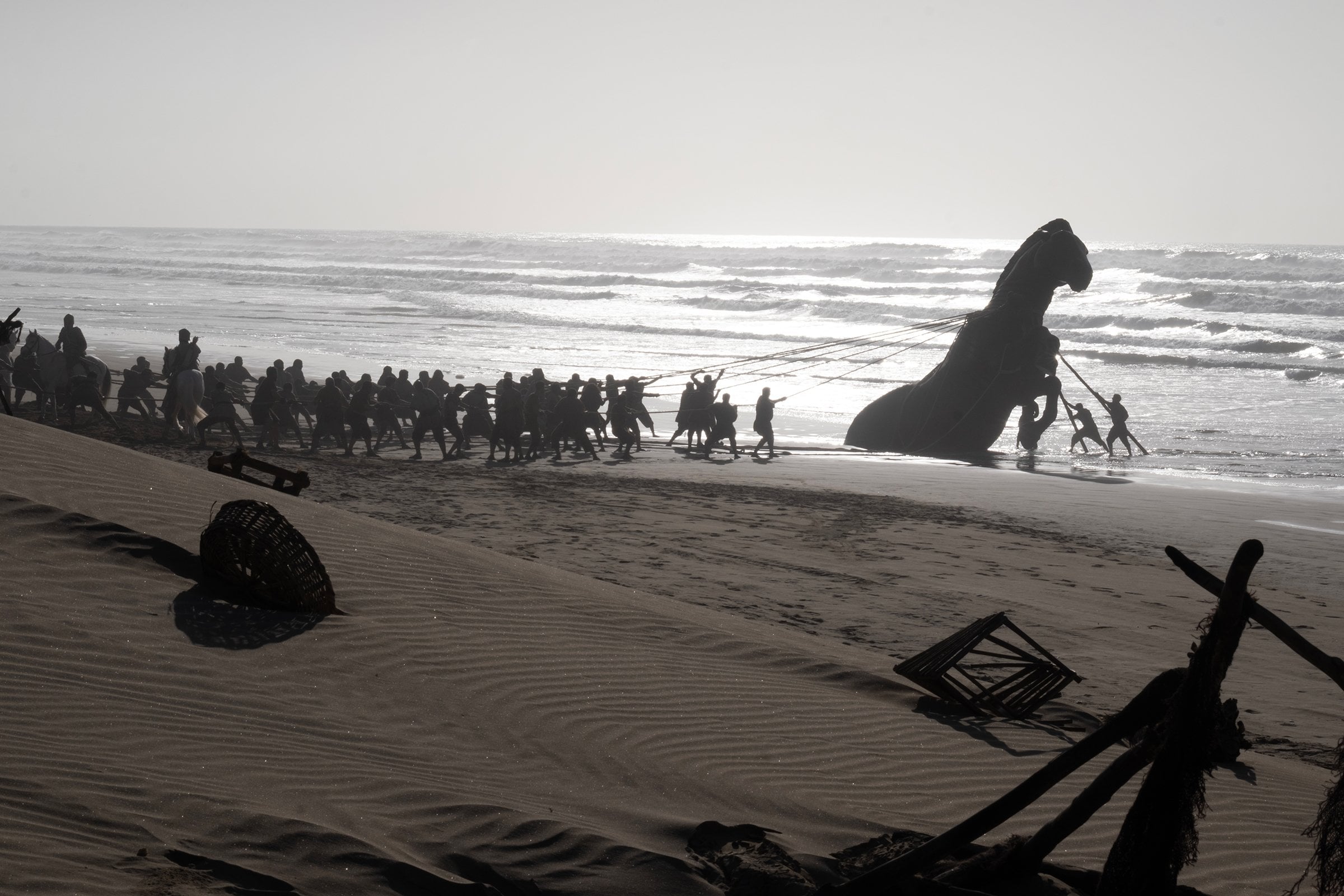

The Trojan horse in "The Odyssey".
Universal Pictures/Melinda Sue Gordon
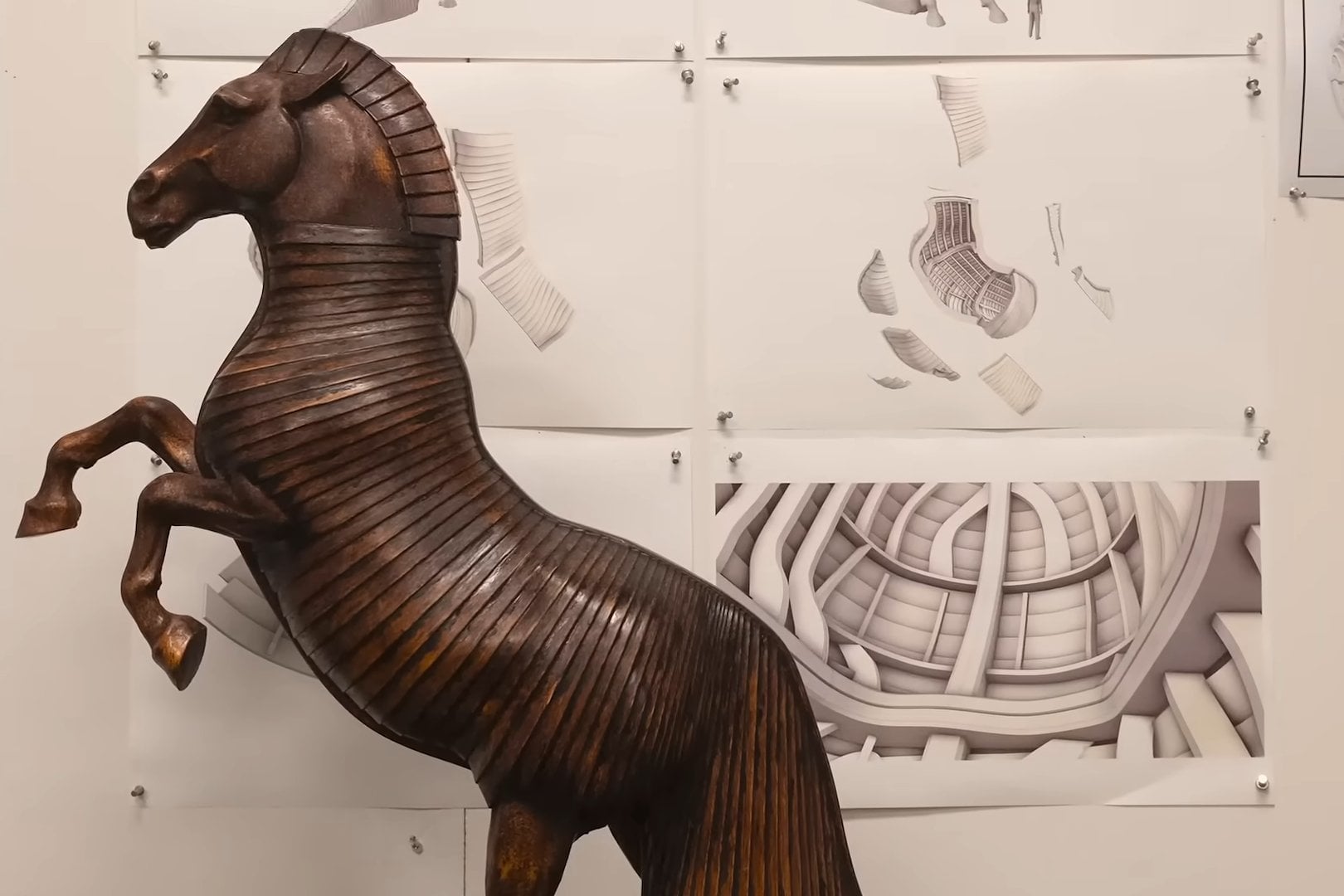

Concept art for the Trojan horse.
Universal Pictures
The Trojan horse in "The Odyssey".
Universal Pictures/Melinda Sue Gordon
Concept art for the Trojan horse.
Universal Pictures
That included Troy, too, which was recreated at the UNESCO World Heritage site of Aït Benhaddou. Located near the Atlas Mountains in Morocco, it provided the space and structures De Jong needed to bring the ancient city to life, including its temple to Athena, which becomes the backdrop to one of the film’s most important moments. It’s also where the wooden horse—a strategem that enabled the Greeks to finally breach Troy’s walls, deceptively offered up as a peace offering—is finally placed in all its towering glory. As De Jong noted, it ended up standing at 35 feet tall and weighing between 8,000 and 9,000 pounds, requiring production to ship it in multiple crates. As one of the most popular Greek myths, De Jong and Nolan were aware that people hold a version of the Trojan horse in our minds—perhaps a bit crudely designed by the desperate Greeks and inexplicably on wheels—and resisted that. As De Jong noted: “Chris and I specifically wanted a more sophisticated-looking horse. They’re master craftsmen, and they were sea people, so we took the inspiration of the ship’s siding and applied that to the horse to make it sort of a Trojan horse you’ve never seen before.”
Because the production shot across seven countries, the hair and makeup department, under the guidance of makeup department head Luisa Abel (also an Oscar nominee for her work in "Oppenheimer") was organized regionally, with dedicated teams in each shooting location rather than a single crew. Abel oversaw the film’s most staggering transformations, including those of Bill Irwin, who played the Cyclops, and John Leguizamo, who played Eumaeus, Odysseus’ loyal but blind servant. For the latter, Abel masterfully aged up the 65-year-old actor by adding silicone pieces to his neck and under his eyes, bleaching his hair and eyebrows white, and fitting him with contact lenses to give the impression of cataracts that really did mean Leguizamo could not see.
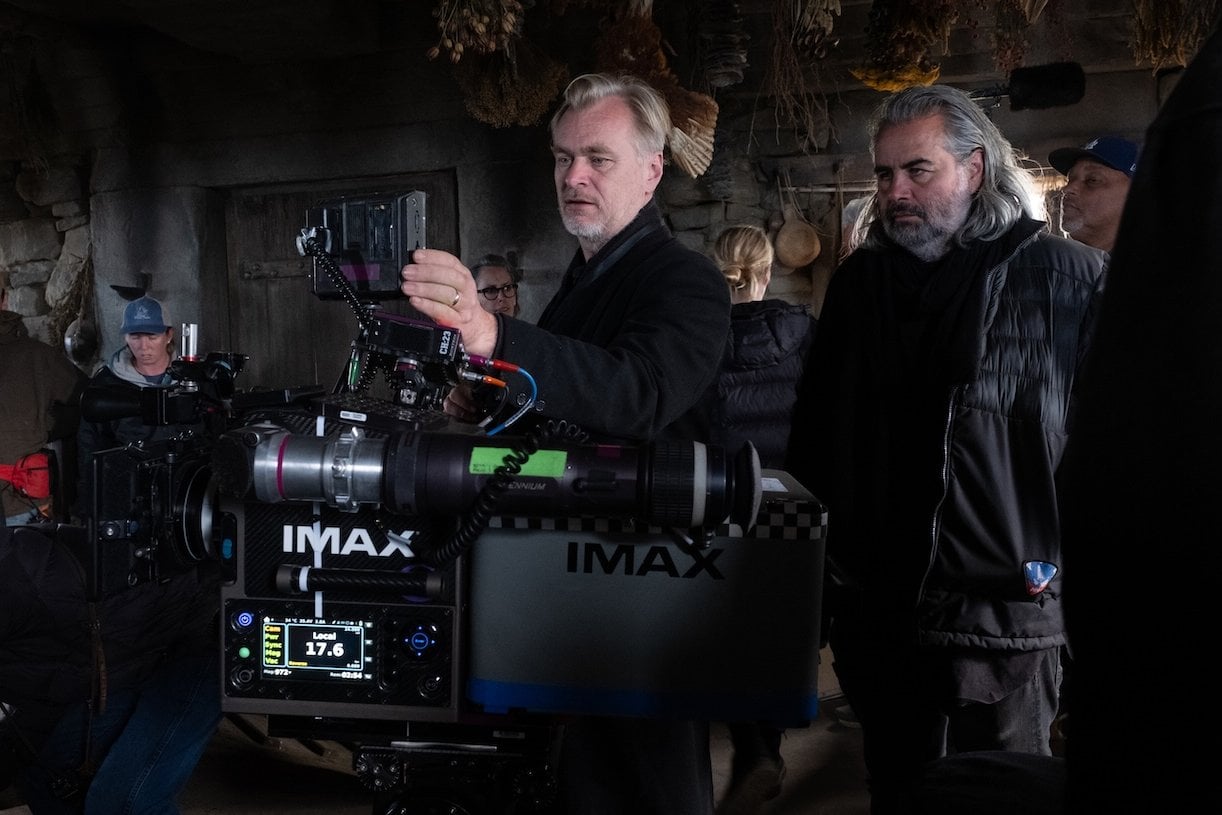

Christopher Nolan with cinematographer Hoyte van Hoytema on the set of the Circe scene of "The Odyssey".
Universal Pictures/Melinda Sue Gordon
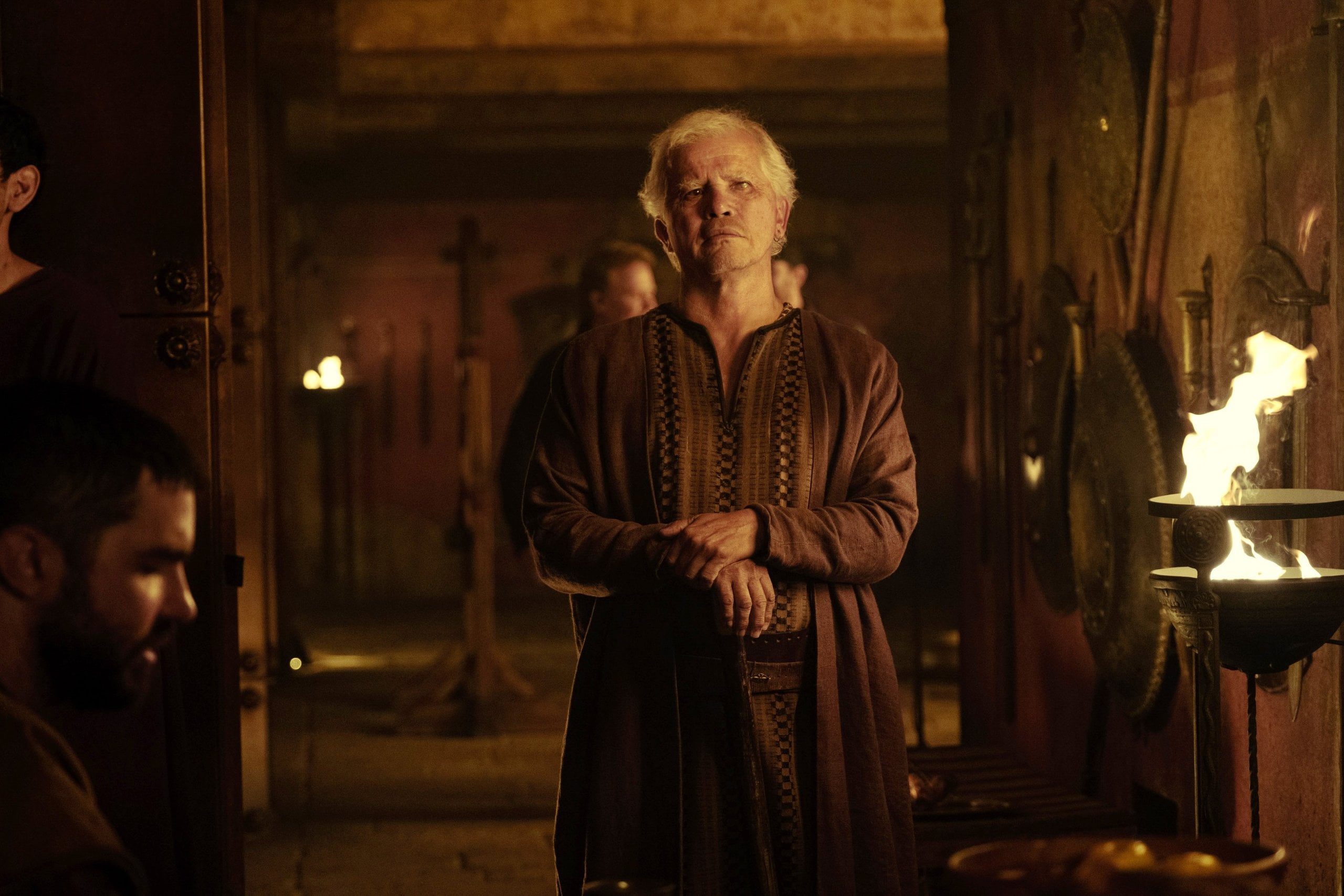

John Leguizamo in "The Odyssey."
Universal Pictures/Melinda Sue Gordon
Christopher Nolan with cinematographer Hoyte van Hoytema on the set of the Circe scene of "The Odyssey".
Universal Pictures/Melinda Sue Gordon
John Leguizamo in "The Odyssey."
Universal Pictures/Melinda Sue Gordon
As for the one-eyed monster—which Abel and her team brought a refreshing look to, akin to De Jong’s unique Trojan horse design—a 60-foot animatronic puppet was utilized by the actor playing the role, Bill Irwin (also the voice and puppeteer behind TARS in “Interstellar”). Unlike CGI, it gave Damon and the other actors in the scene something real to interact with and act against. "The Cyclops, for me, was the same creative challenge as looking at the Batmobile in ‘Batman Begins,’” Nolan said in official production notes. "How can we take something that seems so fantastic and make you believe in it? The advantage I had going into ‘The Odyssey’ was that I now have a lot of experience with different types of techniques of how to put things on film, whether you’re talking about the use of visual effects, practical effects, stunts, real locations, building sets, and many more. We needed to use all of it for ‘The Odyssey,’ and in particular, for the Cyclops. Every trick in the book."
Elsewhere, Nolan and his team pushed what could be achieved with practical effects to the limit. In one of the film’s most disturbing but dazzling sequences, Odysseus’s men land on an island inhabited by Circe (Samantha Morton), whom they plead for food. Circe obliges, but as they eat at her table, a spell from the sorceress takes hold and begins to transform them into pigs. She works on them one by one, molding the flesh of their sweaty faces with her hands until they become sniffling swine who can no longer pose a threat to her. It’s body horror reminiscent of a Cronenberg feature and, Morton has said, achieved without the aid of digital imagery. “I just have to say there's no CGI, and everything is real and in camera,” she told Vanity Fair when asked about the scene. When pressed further, she simply responded: “That's movie magic”. Apparent magic? Maybe so for the audience, but not for the hardworking team who made it happen.