
How The Design of 'The Last Thing He Told Me' Brings Noir To Sunny Los Angeles
Interiors
In the second season of the Apple TV series, production designer Jessica Kender was tasked with expanding the scope of the show's world to match its cat-and-mouse chase storyline.
In the second season of “The Last Thing He Told Me,” there’s something darker about the sun-soaked California sets that once surrounded Hannah (Jennifer Garner) and her stepdaughter Bailey. As they face the looming threat of the Campano crime family—the force that pushed Hannah’s husband Owen (Nikolaj Coster-Waldau) into hiding—the women now find themselves on the run.
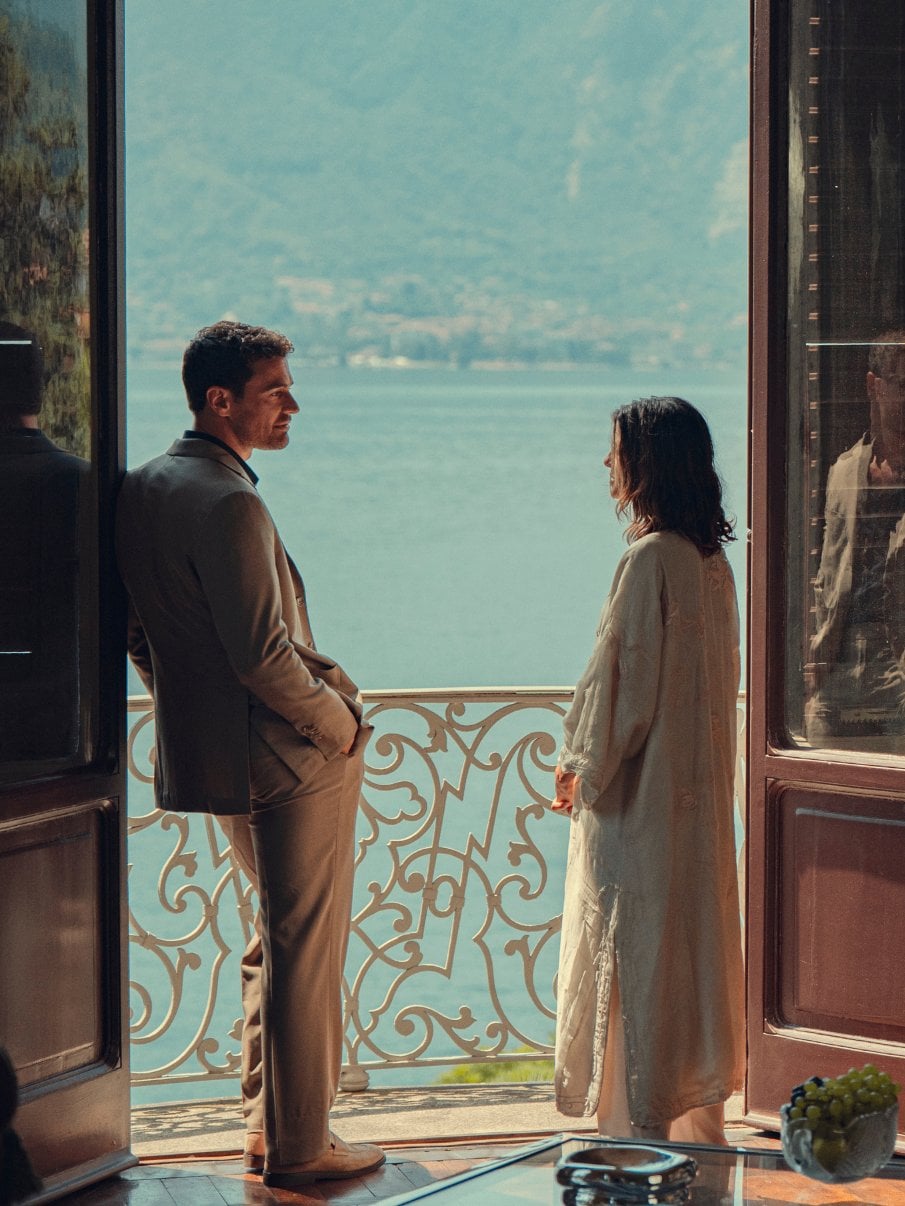
“Noir” is how production designer Jessica Kender describes the air surrounding this new journey for the characters. In the first episode of season two, two Campano assassins break into Hannah’s home, pushing them out of the city and into hiding far from Southern California. This ever-present danger—something they’ve long known could surface at any moment—propels them into a story that forces them to confront the mysteries of their past while dodging threats in every new location they reach on their escape through Arizona, Texas, and even overseas in France.
Recalling the early days of development on the second season, Kender points to discussions of “playing with shadow and the constant looking through something to something else,” establishing within the sets and design the sense that Hannah and Bailey are always being watched by the powerful Campanos. “So everything we chose and designed was with the idea that the camera could feel like it was almost a third character in the show.”
As Owen’s wife and daughter escape hitmen and lackies by the skin of their teeth, the preparations Hannah has put in place are striking. Not only has she traded her wood-turning lathe for a covert switchblade hidden in her key fob, but she’s prepared a spare car in an unmarked storage unit, cash for untraceable spending, and burner phones. In the details of each scene—as the pair dart between cheap roadside motels, an uncle’s historic bar in Texas, and the homes of more complicated family members—the world around them constantly signals that they are in danger.
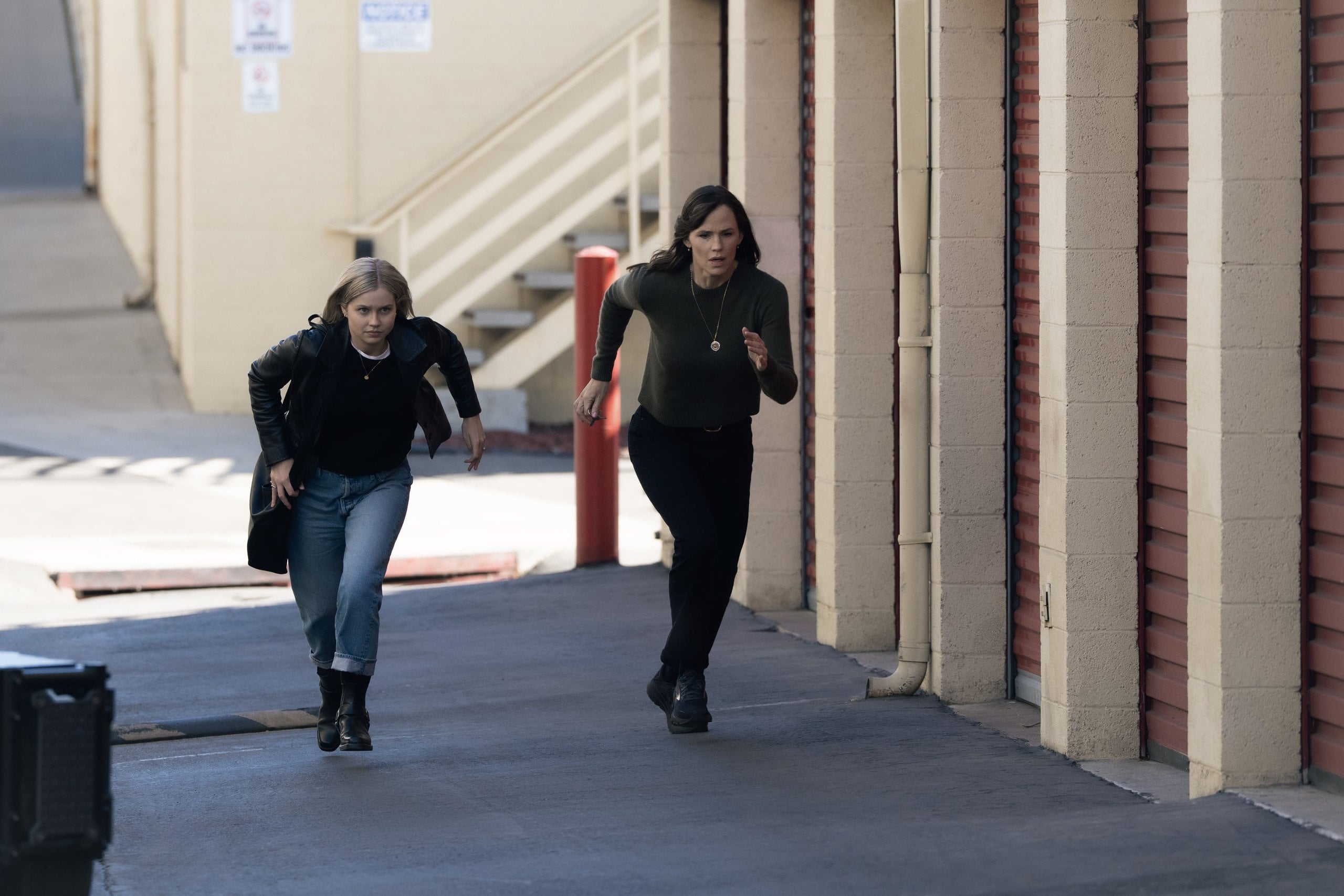

The second season sees Hannah and her daughter go on the run—requiring production designer Jessica Kender to build out the show's world.
Apple TV
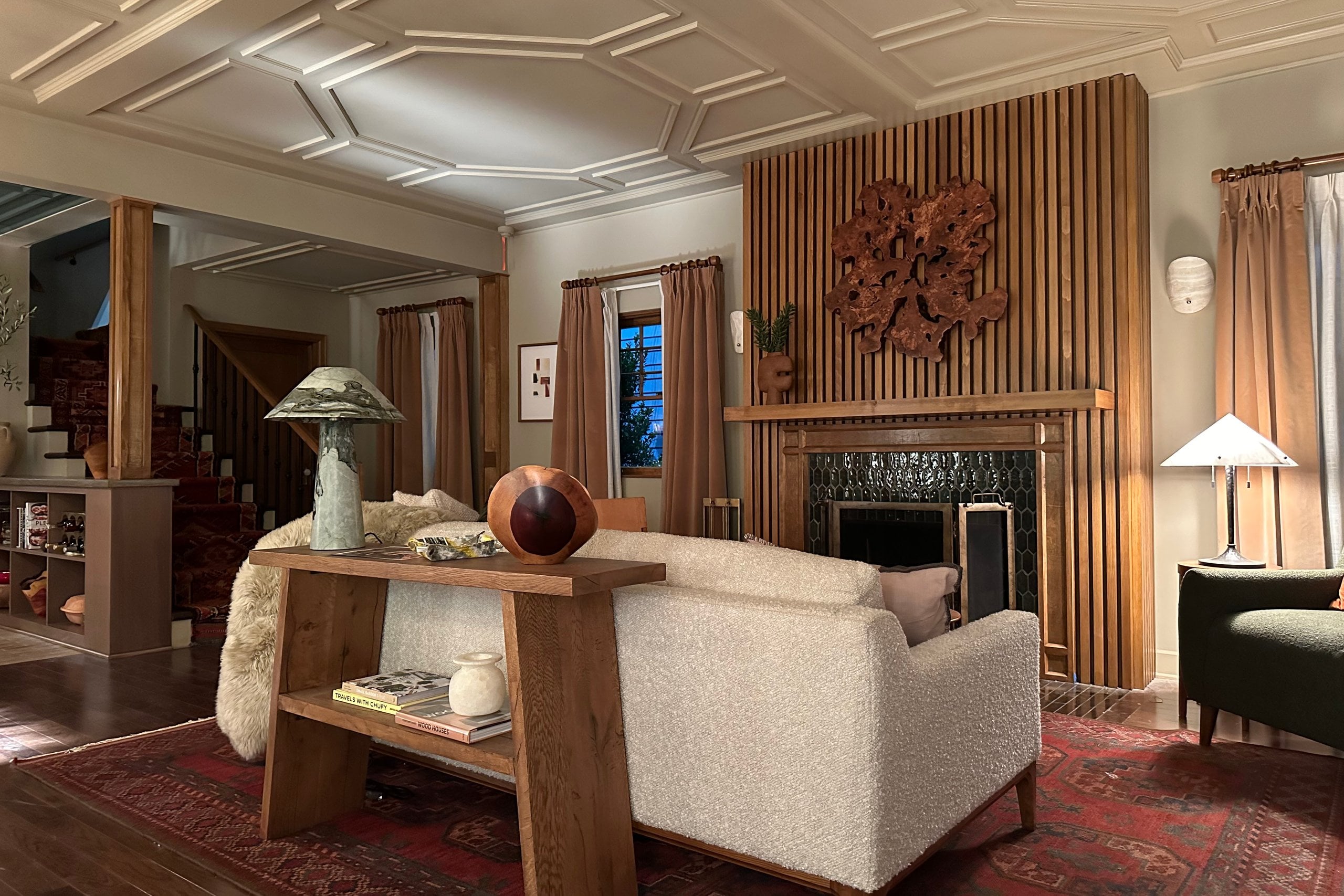

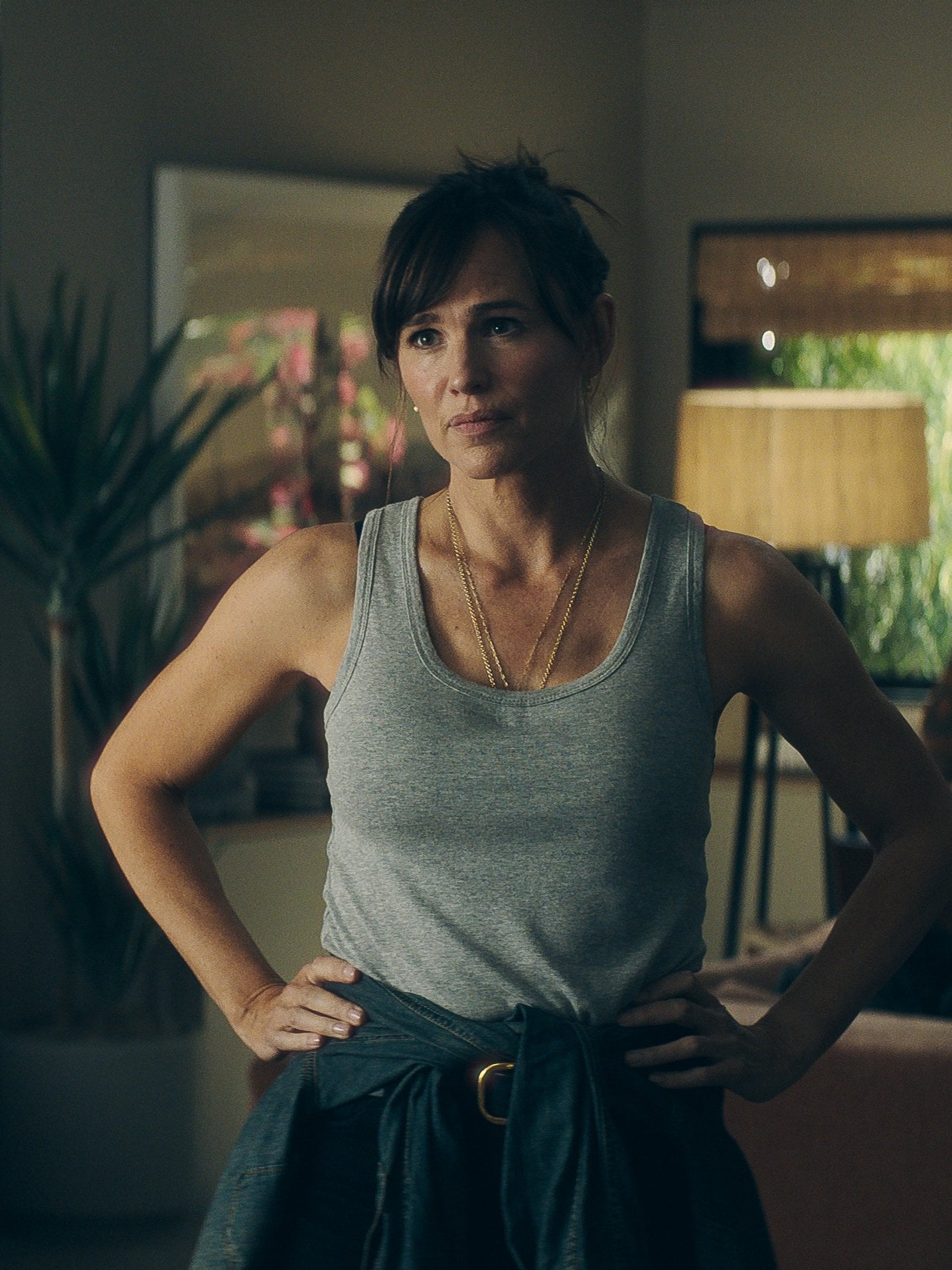
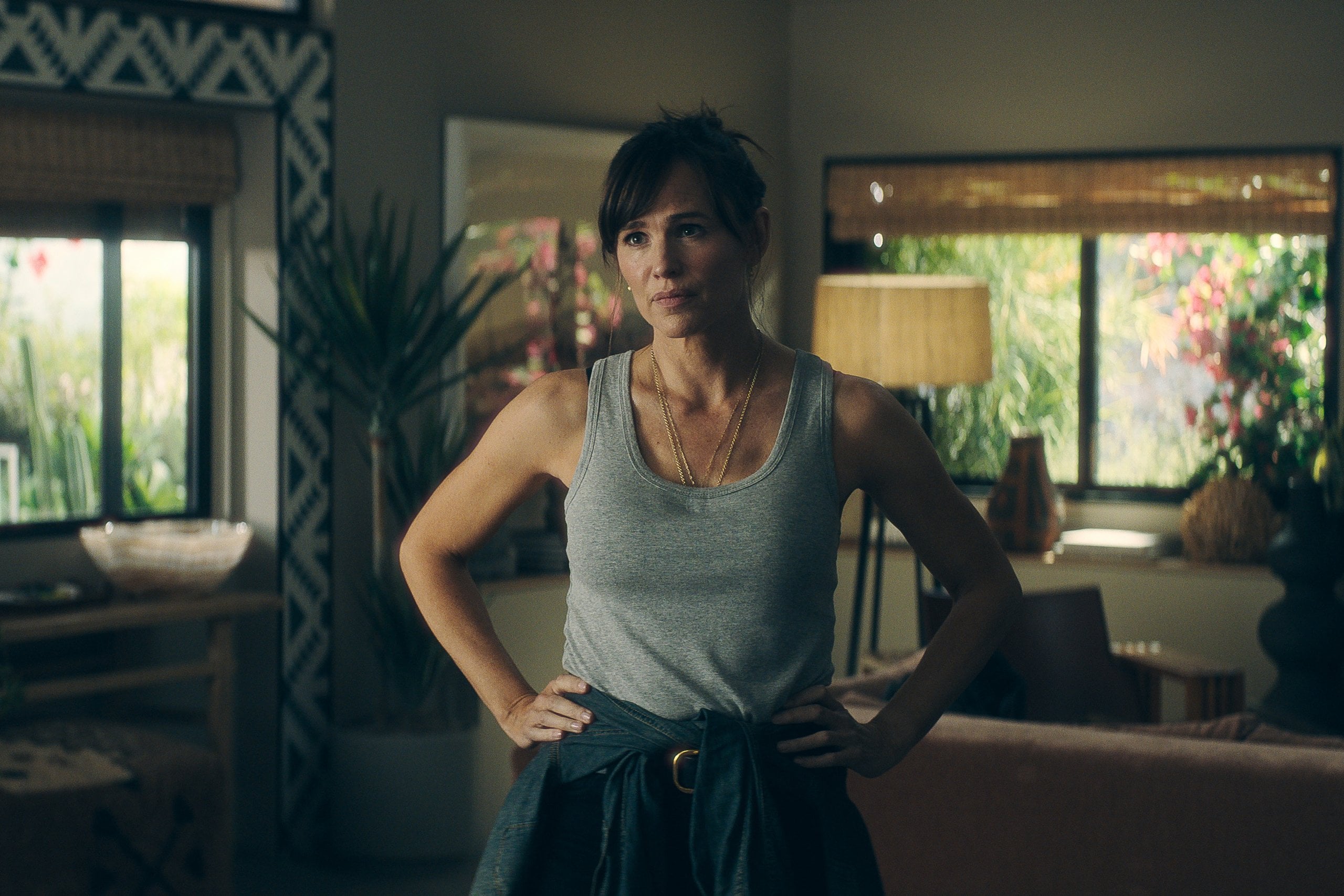
"We tried to make it feel like a home while not losing the essence of who Hannah was before she had a daughter," says Kender of the place Hannah eventually calls home in season two.
Jessica Kender
The second season sees Hannah and her daughter go on the run—requiring production designer Jessica Kender to build out the show's world.
Apple TV
"We tried to make it feel like a home while not losing the essence of who Hannah was before she had a daughter," says Kender of the place Hannah eventually calls home in season two.
Jessica Kender
“I think because they're on the run, there aren't as many emotional linchpins as there would be in a normal set,” Kender says of designing this roadmap of spaces. “So it was more a matter of which ones are the most successful in making you feel like you're somewhere else, because a lot of them are transient places. So the emotional connection isn't huge, but the sense of space is.”
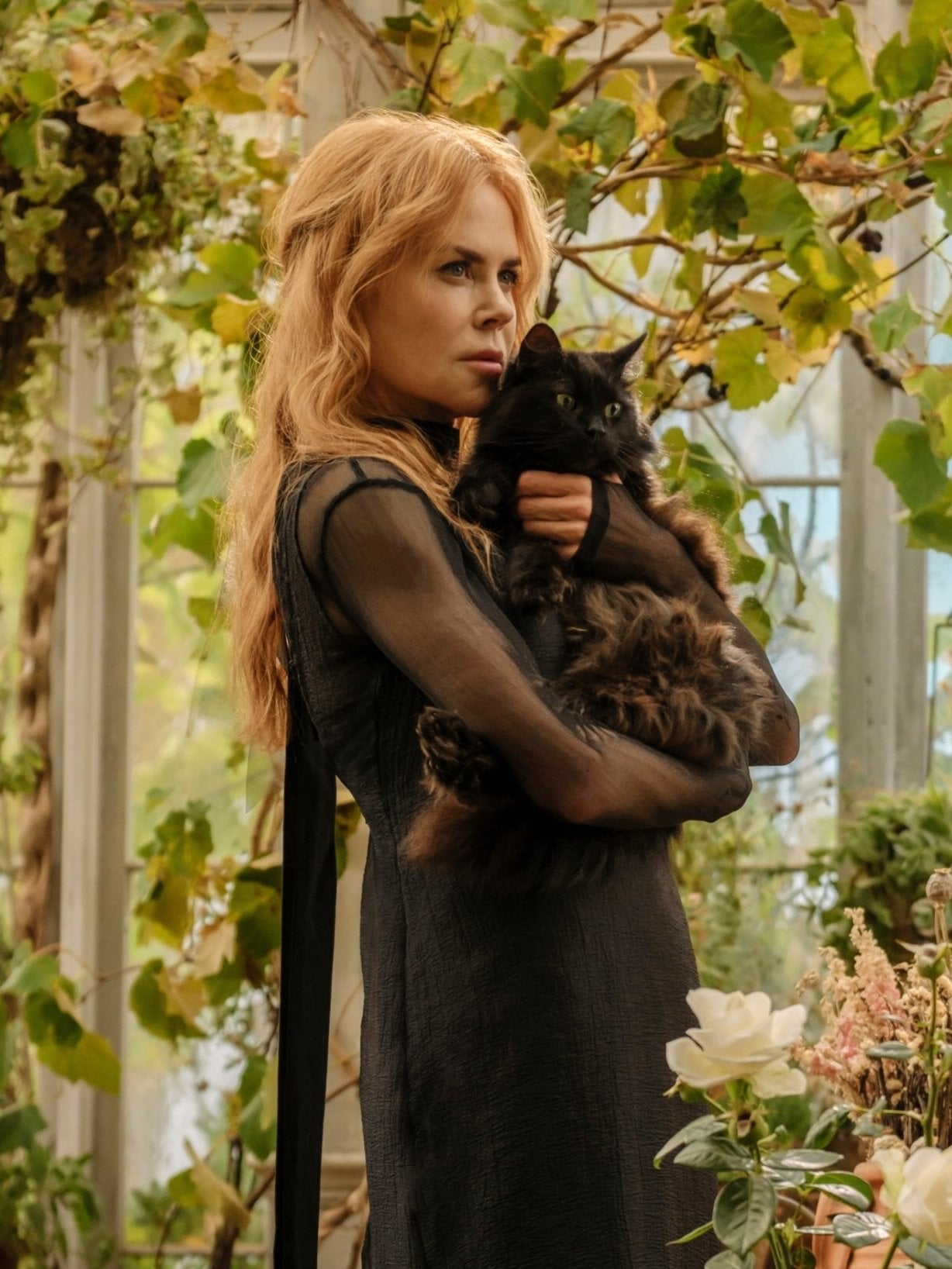
While “The Last Thing He Told Me” season one unpacks Owen’s past, season two expands the scope of that world—of Owen’s hidden life, of Bailey’s memory, and even of Hannah’s fraught connection to her own family. The universe that was once centered on the dreamy docks of Sausalito unravels outward, stretching as far as the docks of Marseille and revealing just how deep the reach of these families goes. “We realized that to really give the sense of the global story we're telling, you needed to go bigger and stronger,” Kender emphasizes, pointing to how the season’s reach into these French cities was crucial in building out the reality of the family’s world.
But throughout all of this globetrotting and cross-country movement, Kender is keen to point out that “Hannah is the emotional anchor point of the season. Even though we start and then we leave [her home], the goal is always to get back to that feeling.” The sentiment of home—and the search for family and truth—continues to underscore the series.
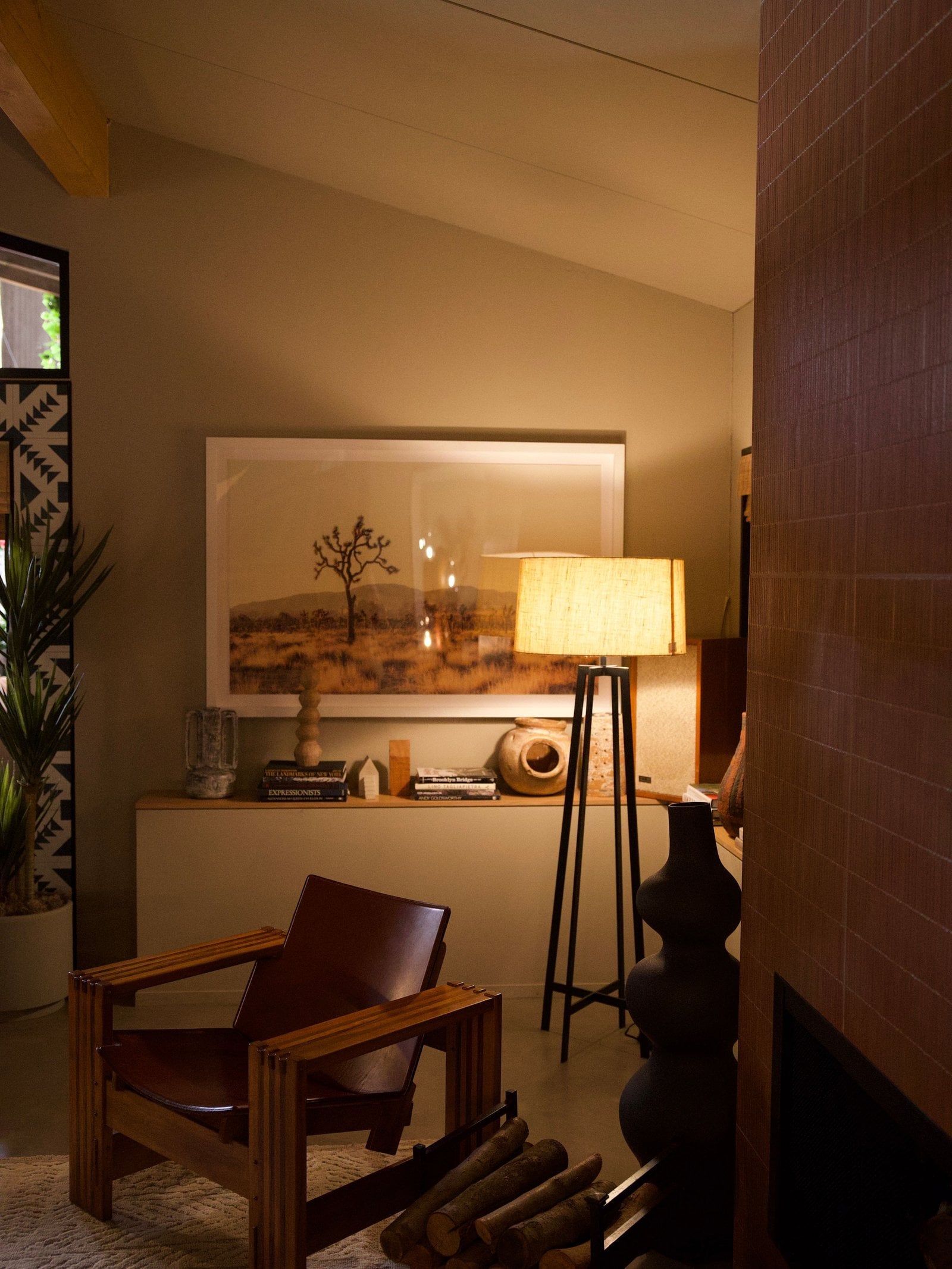
When we meet Hannah at the beginning of the second season, five years have passed since she received the note reading “protect her” on the dock leading up to her home in Sausalito’s glittering bay. She’s since traded her floating home for a snug space in an LA suburb. Although far from the place she first called home with Owen, it’s still distinctly Hannah. Kender admits that this was one of her favorite sets of the season, saying, “because [her character] is very approachable to many people watching it—even though she's a powerhouse who's kicking ass, taking names, all of that—I think that we all see this woman who also wants to feel comfortable and be loved and have a home.”
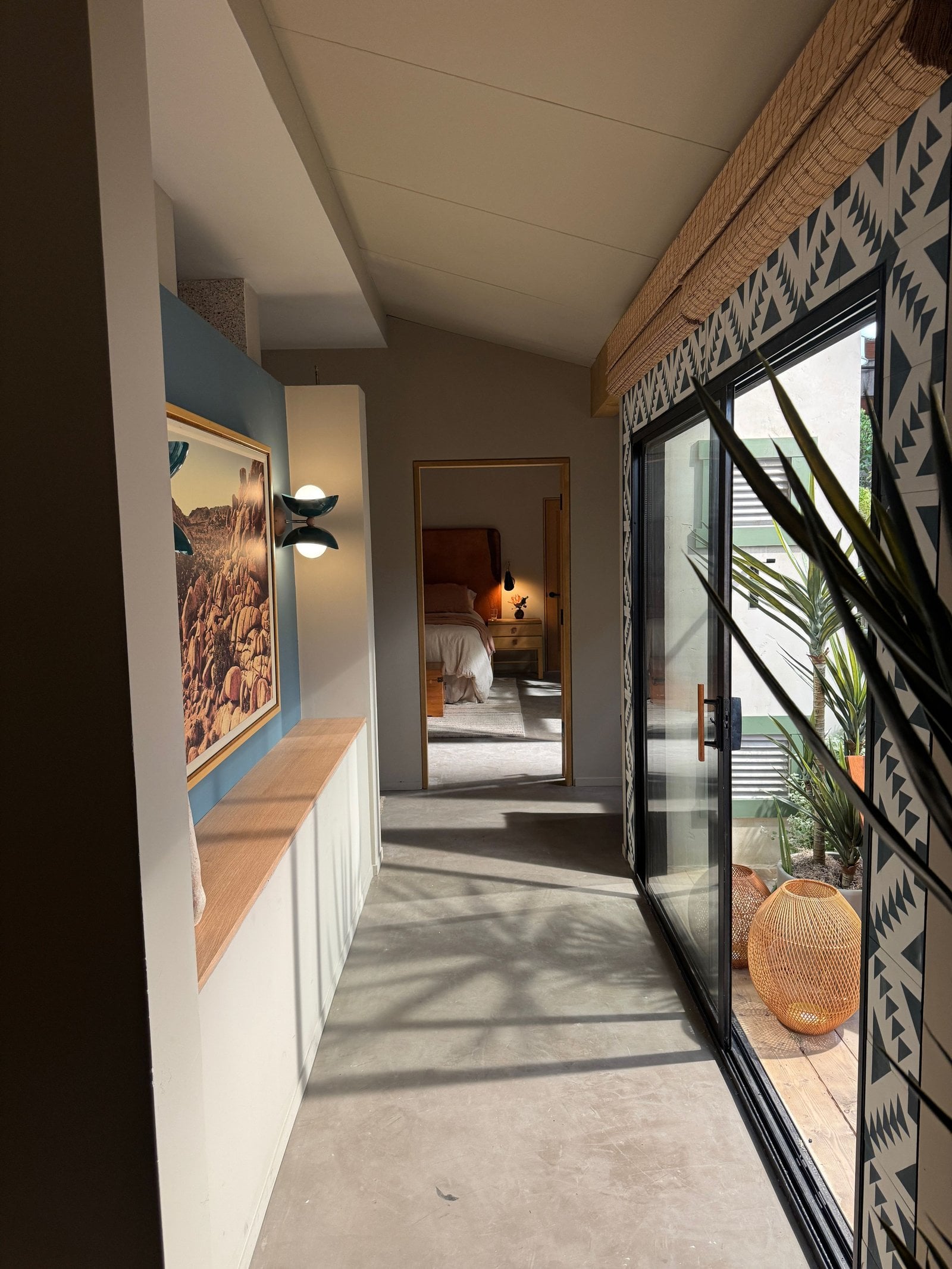

Hannah trades her floating home for a snug space in an LA suburb.
Jessica Kender
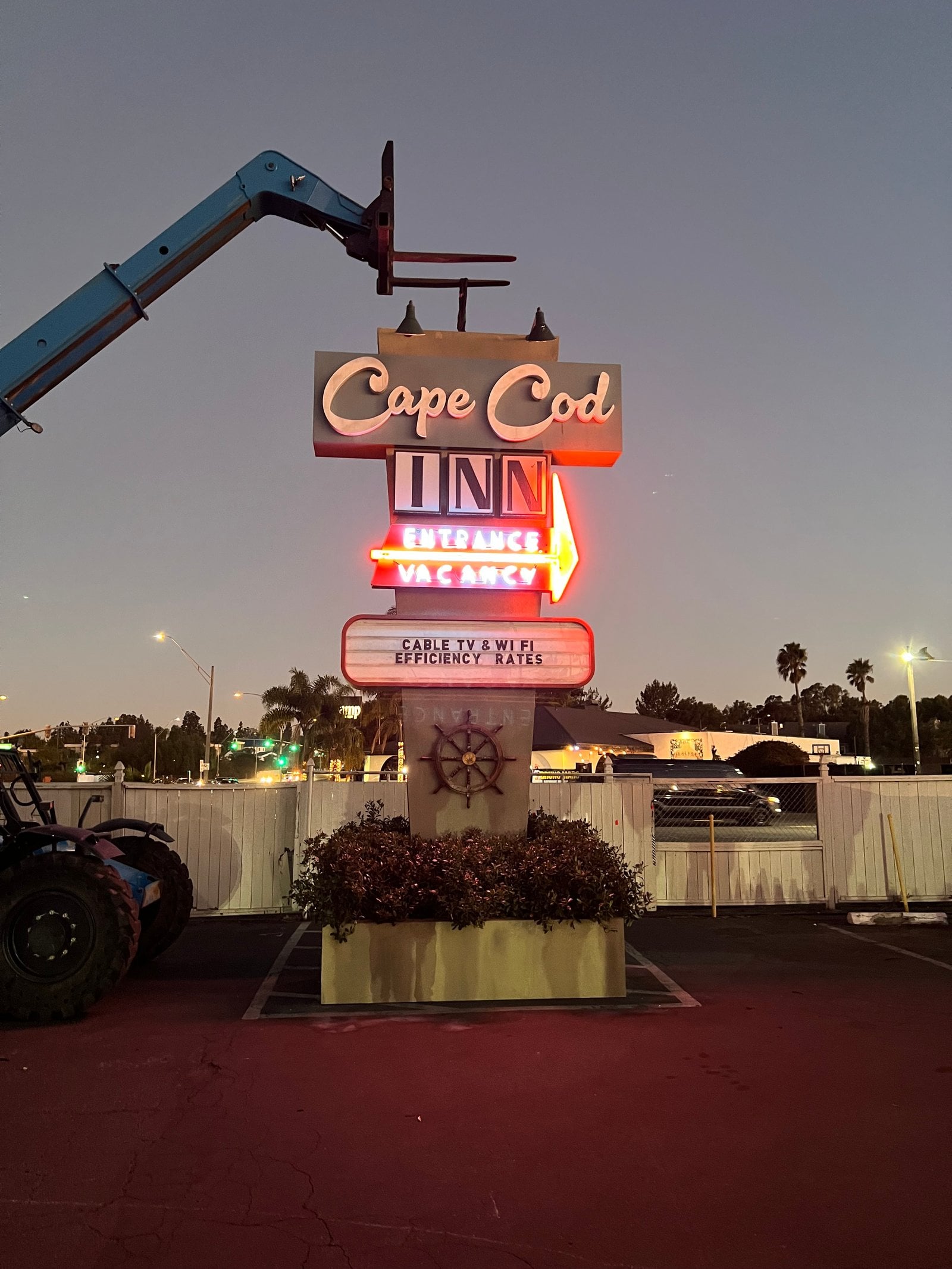

After their home is broken into Hannah and her daughter turn to roadside motels, which Kender conceptualised.
Jessica Kender

Hannah's danger—and safety—are signalled through the spaces she finds herself in.
Jessica Kender
Hannah trades her floating home for a snug space in an LA suburb.
Jessica Kender
After their home is broken into Hannah and her daughter turn to roadside motels, which Kender conceptualised.
Jessica Kender
Hannah's danger—and safety—are signalled through the spaces she finds herself in.
Jessica Kender
It’s no secret that Hannah, the wood-turning artist of magazine spreads and gallery shows, has a distinctive aesthetic. Even as she’s moved, her new LA house—one of Kender’s favorite sets from the season—still reflects her identity. “We tried to make it feel like a home while not losing the essence of who Hannah was before she had a daughter, because the whole idea was that this LA space was the safe space for both Bailey and Hannah to come to before they realized that their world's about to turn into an upheaval.”
“Laura Dave, who wrote the book, was around [during the development of the show] and these characters are very personal to her.” Kender goes on to talk about designing for a character drawn from such beloved source material. In many ways, the author and Hannah feel closely connected. Kender explains how Dave “also has a personal design style that, of course, when she's writing, she's also integrating into these characters.”
This isn’t Kender’s first foray into adapting a novel for television. She’s been a long-time collaborator of Hello Sunshine, the production company founded by Reese Witherspoon, which has become known for hit book-to-screen adaptations like “Big Little Lies,” “Where the Crawdads Sing,” and “Gone Girl.” “It's a great place to be because I think it's not only fun to do this type of work, but it's also a very female-led production company.”
She smiles when talking about how her crew gear from past Hello Sunshine projects, such as “Daisy Jones & The Six would prompt eager viewers to strike up conversations. “Now you're also having this sort of fan group of the book that you also want to give them something where they either say, ‘this is exactly what I thought when I read the book,’ or they say, ‘this is better than what I thought.’ You have this other audience that you don't typically have, who's come in with expectations that don't exist on a normal TV show.” For Kender, it’ll never get old.