

How Production Designer Christian Huband Designed A Mansion Worth Killing For
Interiors
TSS Creative
Christian Huband
For the A24 black comedy, production designer Christian Huband recreated the world of New York’s ultra-wealthy by transforming Cape Town into Manhattan and constructing a sprawling Long Island–style mansion.
When Christian Huband signed on to “How To Make A Killing,” director John Patton Ford told him two things: the story would be set in New York, and they wouldn’t be shooting there. As someone more experienced than most when it comes to creating fantastical worlds—Huband CV includes credits for the “Harry Potter” and “Fantastic Beasts” franchises, “The Aeronauts,” “The Legend of Tarzan,” and “Matilda; The Musical” to name a few—the British-born art director and production designer took the challenge in his stride.
“All I knew at that point was that it was going to be shot in the southern hemisphere and we were going to have to recreate New York somehow in one of those locations,” Huband recalls. That location turned out to be Cape Town, South Africa. It’s a city with beauty in abundance, but limited architectural overlap with Manhattan’s financial district and the lavish, well-heeled world of Long Island’s north shore—the two main locations the blue-collar Becket Redfellow (Glen Powell) finds himself moving between after pruning a few branches of his family tree in a bid to reclaim the 11-figure inheritance he believes is rightfully his.
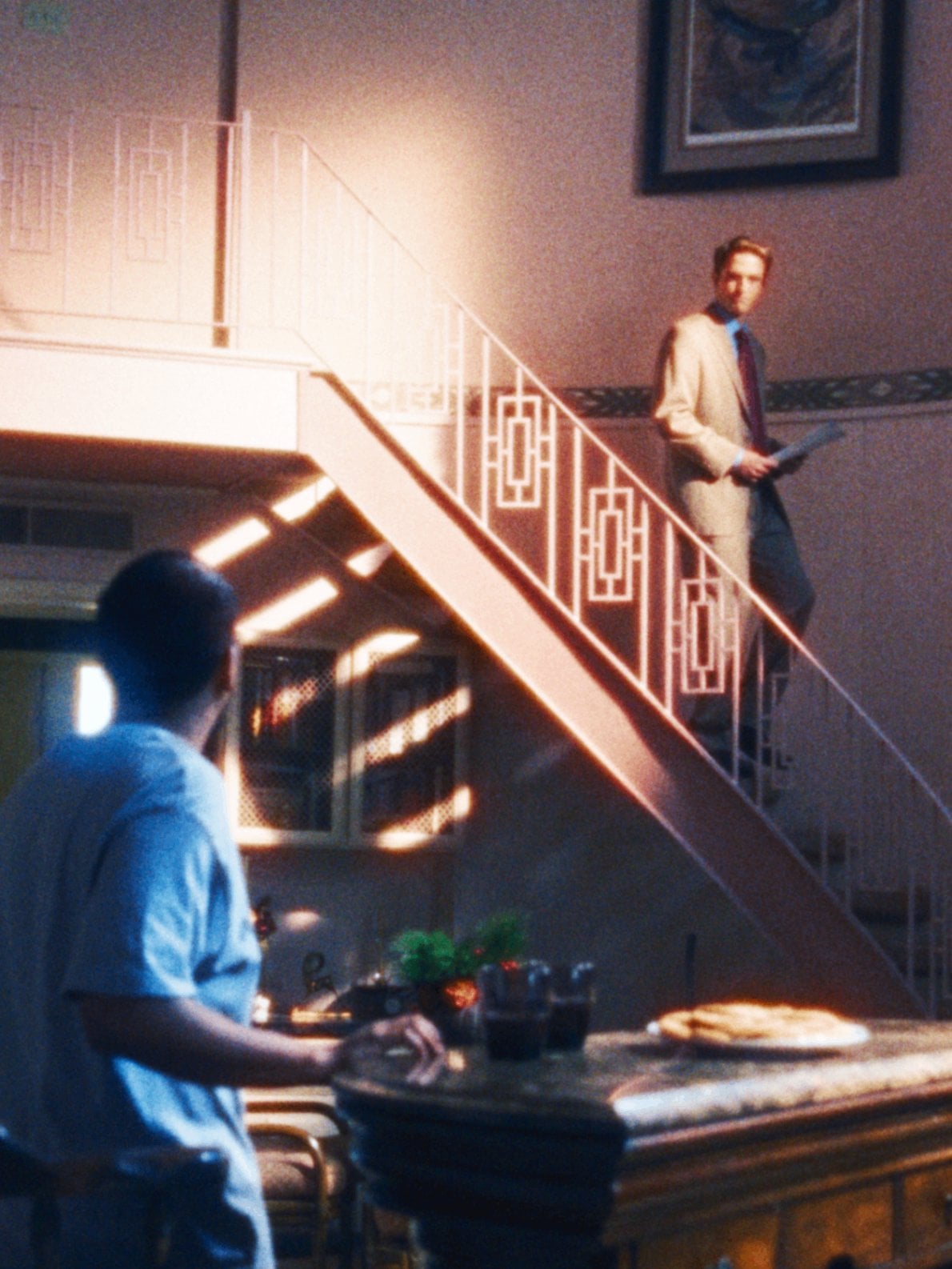
Certain filming locations turned out to be easy finds, such as Becket’s finance bro cousin’s (Raff Law) beachside party house and the stunning Art Deco building that doubles for Redfellow Investments HQ—a “real gem,” Huband says he and his team stumbled upon almost by chance while on a location recce. With yellow taxi cabs dropped in and carefully choreographed street bustle, Cape Town could momentarily pass for the Big Apple. Paired with second unit footage shot in the real city, the illusion was complete.
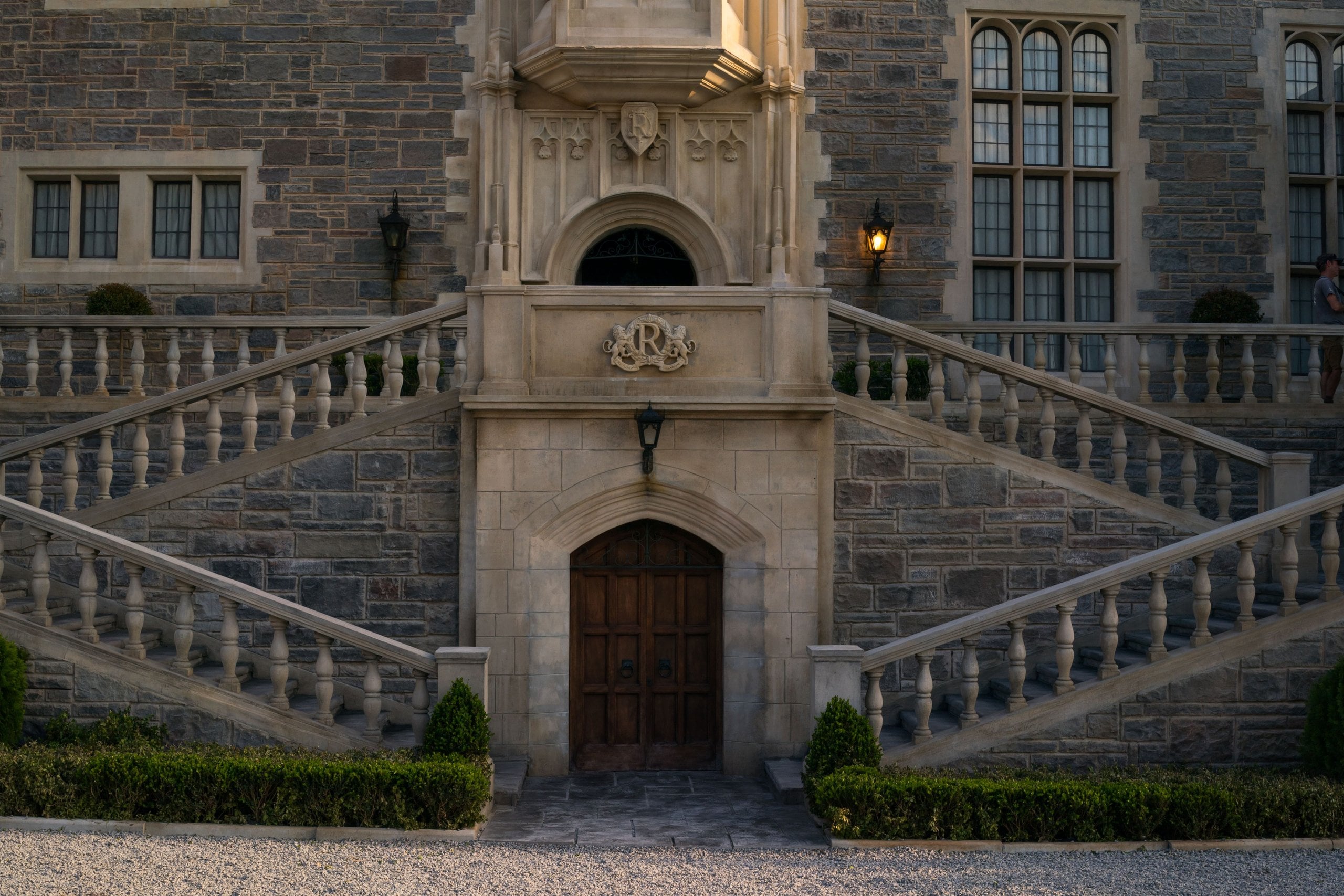

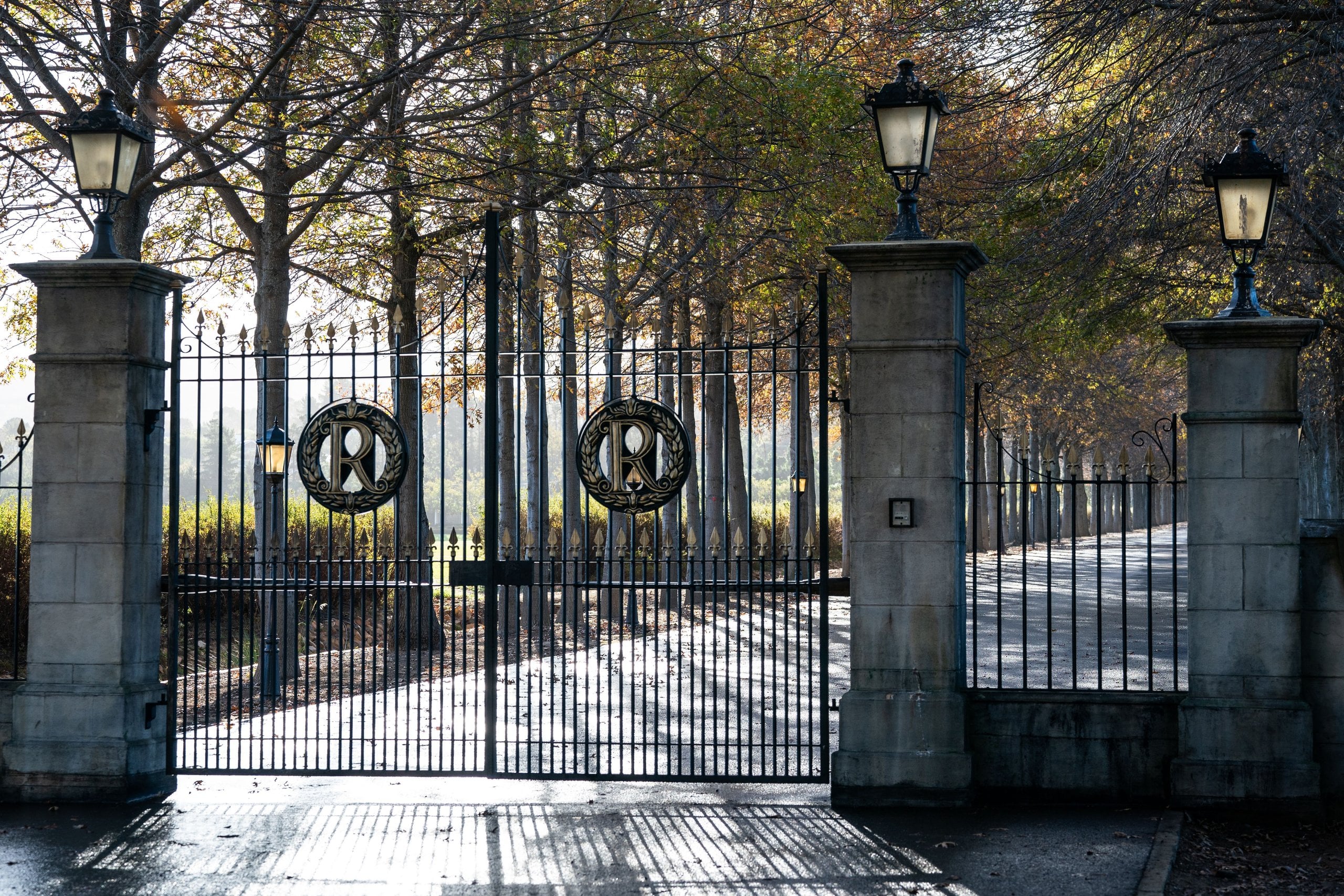
The exterior of the Redfellow Mansion in "How To Make a Killing".
StudioCanal
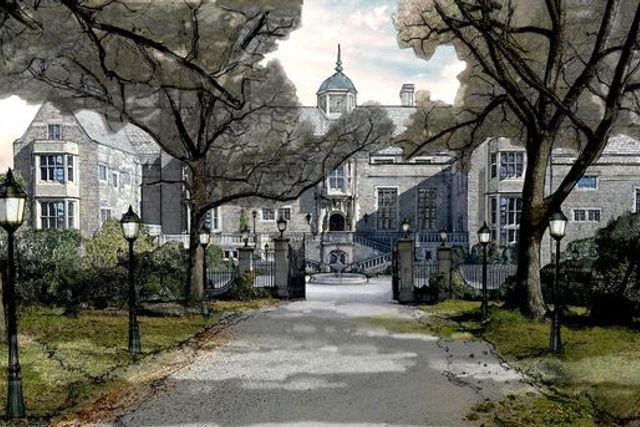

Christian Huband's sketch of the exterior of the Redfellow Mansion.
Christian Huband

The Redfellow Mansion in "How To Make a Killing".
StudioCanal
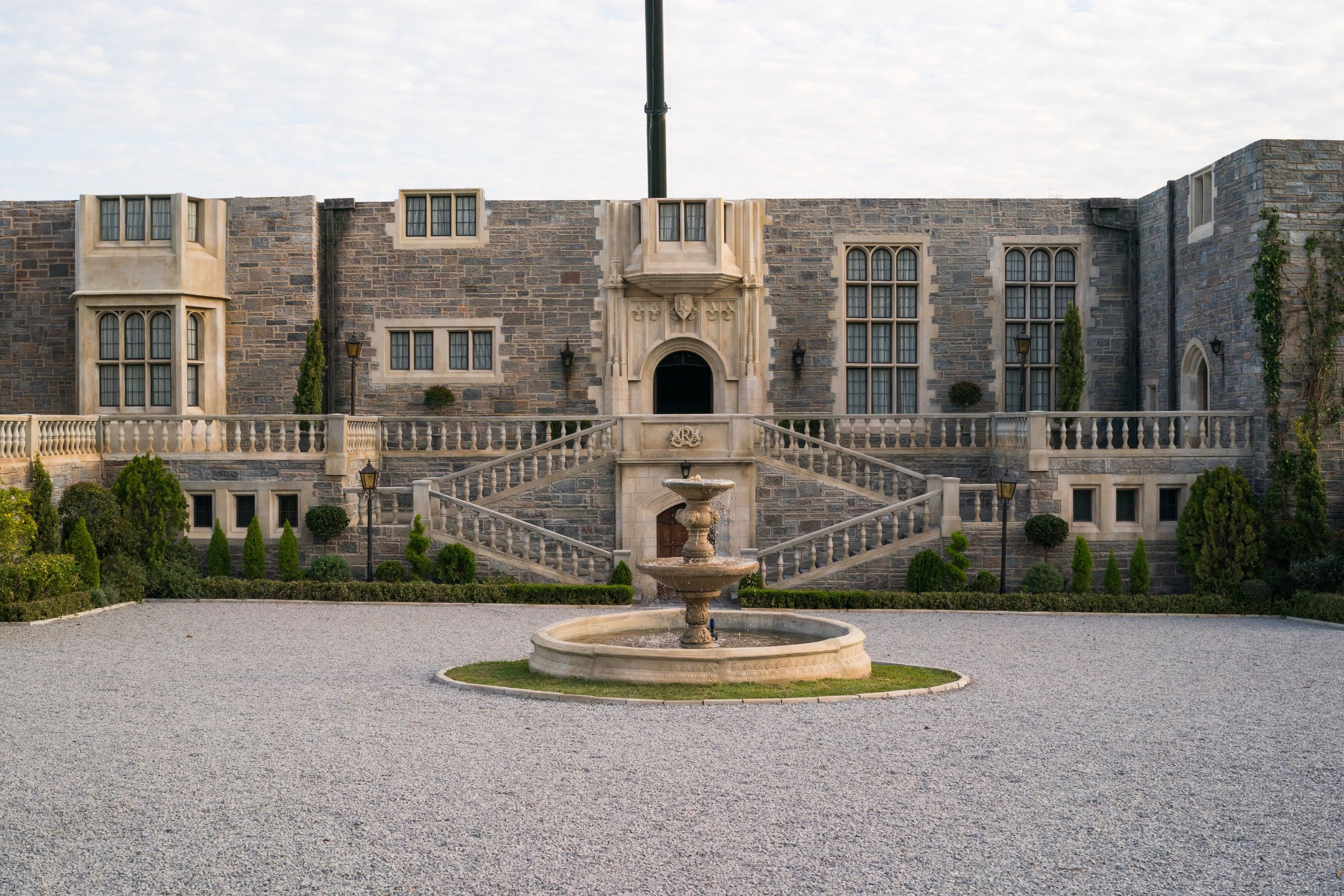

The exterior was only partially built—VFX helped bring the upper floors to life.
StudioCanal
But at the center of the film is a true architectural sleight of hand. The Redfellow mansion, an imposing estate situated in the heart of Long Island, where the most affluent members of New York high society call home, needed to not only represent obscene, generational wealth but also an unattainable lifestyle. And crucially, it had to feel worth killing for. As Huband says, “That was one thing that was really missing. We needed to find a really, really powerful, wealthy-looking mansion for the Redfellow mansion. It’s the seat of all that money and power, and ultimately, the prize that Becket is pursuing through the story.”
But Cape Town didn’t have anything that would fit the bill. “It has beautiful colonial buildings, it has lovely vineyards, and Cape Dutch classic farmhouses—they are really beautiful, but they are so distinctively of that region,” Huband says. Ultimately, the decision was made to construct the mansion rather than relying on existing structures.
The process of building what audiences see on screen involved what Huband describes as “Frankensteining our mansion together out of all these pieces.” The exterior was constructed over a two-month period in the middle of an empty field. Situated at the end of an avenue of shady trees that then became the household’s long, imposing driveway, it presented the perfect opportunity to underline the untouchable nature that the billionaire family think they possess. In fact, it was better than the real thing. According to Huband, the basis of the build was a real property that exists on Long Island today and was once owned by a hydro-electric engineer who made his fortune in the 1920s. “As much as it looks like the one in America and feels like one in America, we slightly improved things because that one actually doesn't have a drive that leads you directly to the house,” Huband says.
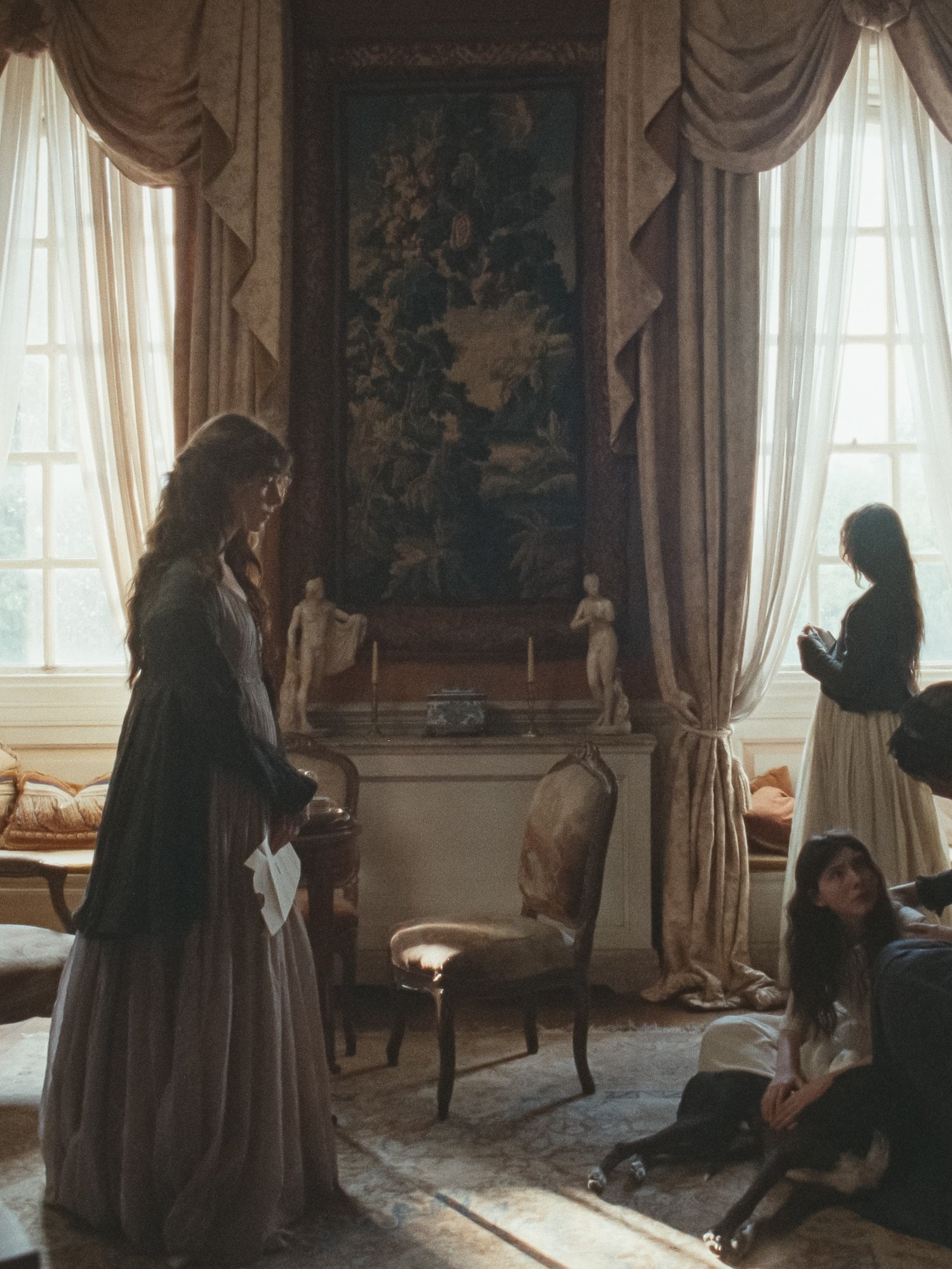
For the mansion’s interiors, production shot inside some real mansions on the north shore to lend authenticity, but also relied on what was on their doorstep in South Africa; a home located in the historic Constantia suburb and the Rand Club, a private members' club located in Johannesburg, founded by mining magnate Cecil Rhodes were both used, alongside immersive soundstage builds.
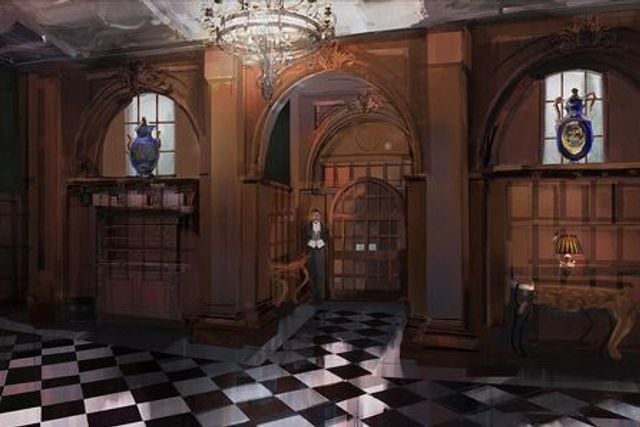

Christian Huband's sketch of the antechamber of the Redfellow Mansion.
Christian Huband
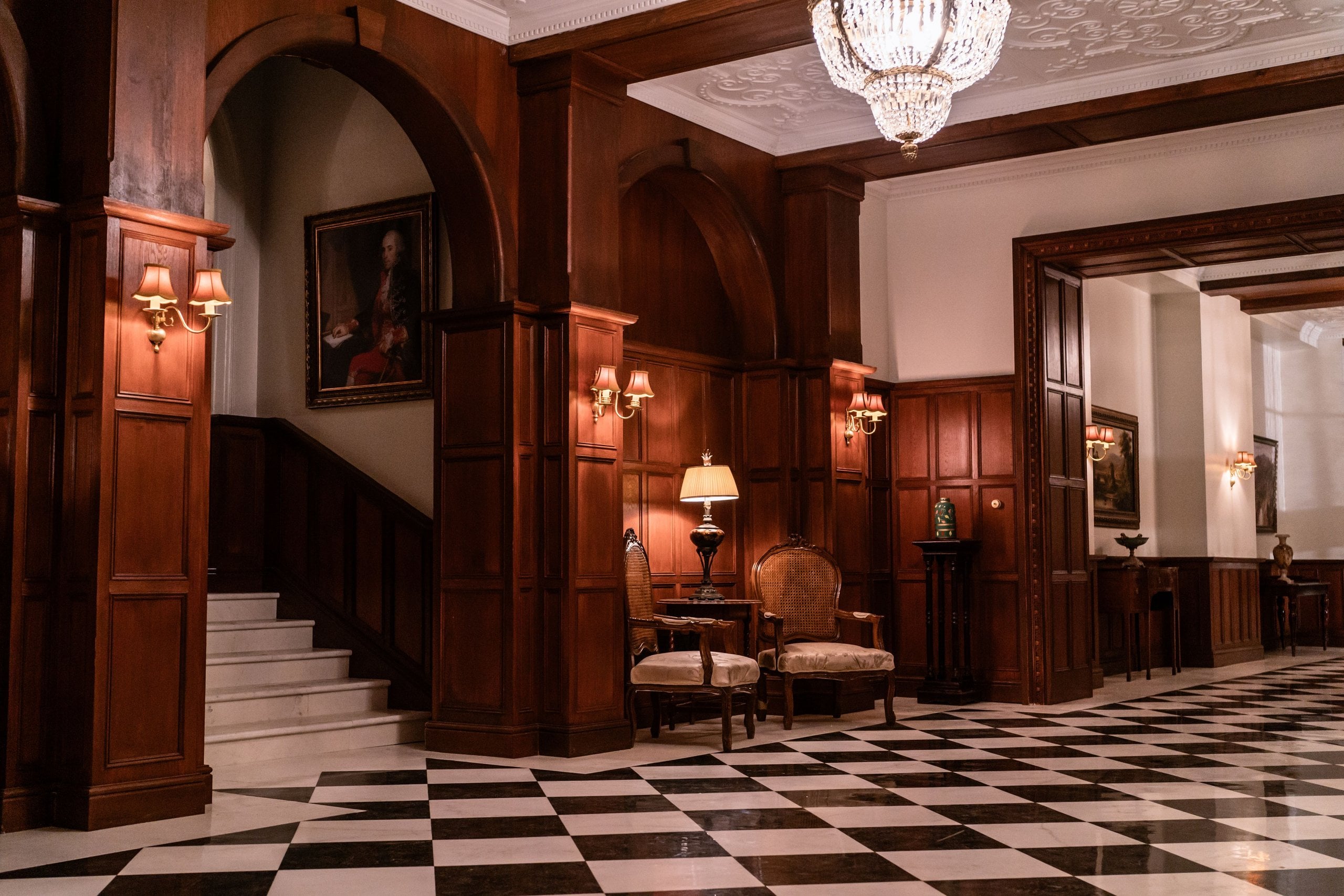

... And the set seen in the movie.
StudioCanal
Christian Huband's sketch of the antechamber of the Redfellow Mansion.
Christian Huband
... And the set seen in the movie.
StudioCanal
The design inspiration extended to a number of other mansions, some cinematic, others firmly rooted in the real world. The 1974 adaptation of “The Great Gatsby,” featuring production design by John Box and filmed in Rhode Island, was on Huband’s mind while working on “How To Make A Killing,” as was Stanley Kubrick’s “Eyes Wide Shut”—wherein a Long Island mansion was also faked by the production design duo Les Tomkins and Roy Walker, in this instance by way of an English countryside manor.
A perhaps unlikely reference point for the interiors was the Playboy Mansion, a Mock-Tudor estate owned by Hugh Hefner from 1971 until his death. Despite its reputation, it’s surprisingly simple in its bones, something Huband knew was key to striking the right balance between aspiration and approachability. As he recalls, Patton Ford’s bottom line was that the mansion had to look opulent and grand, yes, but also possess a “certain modesty,” so that “you almost wanted to walk into this mansion and move in.” As for how that relates to Hefner’s former estate, he explains, “Yes, there are some things of perhaps questionable taste, but it's a place that you'd think is a really beautiful, comfortable house.”
“I think if the house had been vulgar, then it would make Becket’s decisions questionable. It isn't just the money he wants; he wants to sort of restore his true status in a way. The house is emblematic of those things,” Huband reflects. For all of its scale and symbolism, the mansion appears onscreen for only a handful of scenes—an irony that isn’t lost on Huband. But screen time, he says, was never the point. “It doesn't matter whether it's in it for a moment or in it for the duration of the film. It’s how big it looms in your imagination.”