

How Hollywood Became Fashion’s Biggest Trendsetter
Fashion
From Carolyn Bessette-Kennedy’s minimalism to the romantic lace of "Bridgerton," the costumes we see on screen are having a measurable impact on what we want to wear.
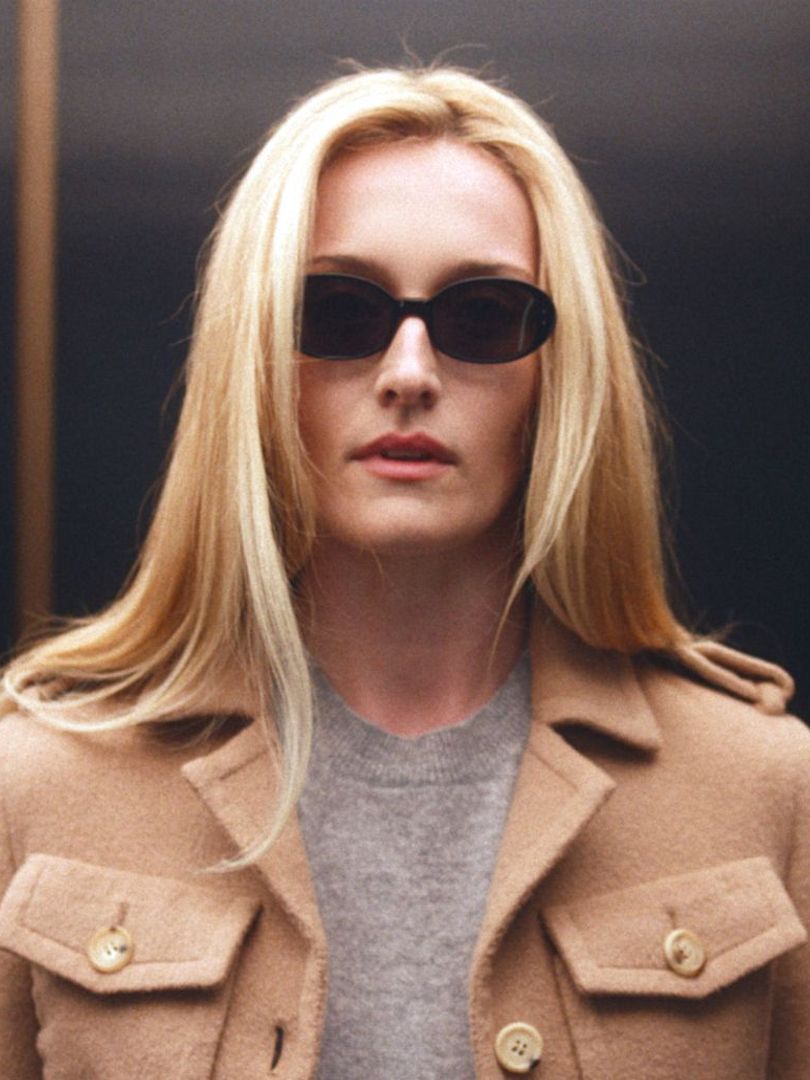
When "Love Story" introduced a new generation to Carolyn Bessette-Kennedy’s wardrobe, the response went well beyond an appreciation for 1990s minimalism. All of a sudden, the streets of New York began looking like a '90s archival lookbook, as people traded loud, passing microtrends for tailored black coats, tortoiseshell headbands, backward Kangol caps, and the effortless downtown minimalism of John F. Kennedy Jr. and Carolyn Bessette-Kennedy. Even Balenciaga tapped into the mood with its fall 2026 campaign, A New York Minute. The numbers tell a similar story. Searches for black turtleneck knits jumped 217% after the premiere, while straight-leg denim gained momentum throughout the season. Calvin Klein saw a 43% week-over-week lift following the finale, and Bloomberg reported an 850% surge in US searches for “Calvin Klein '90s” during the show's premiere week.
Costume designer Rudy Mance spent months sourcing original pieces for the production, assembling what he describes as the largest archive of vintage Calvin Klein ever brought together for a television series. The attention to detail was extraordinary, particularly for a wardrobe built around clothes that were, at the time, considered relatively understated. Decades later, those same pieces have become some of the most sought-after references in fashion.
The influence of film and television on fashion is hardly new, but the speed at which a look can now translate into consumer demand is remarkable. Vivienne Westwood experienced one of the quarter's sharpest search surges after Margot Robbie and Charli XCX wore the label throughout the press tour for "Wuthering Heights." Around the release of "The Odyssey," searches for women's gladiator sandals rose 229% at Marks & Spencer.
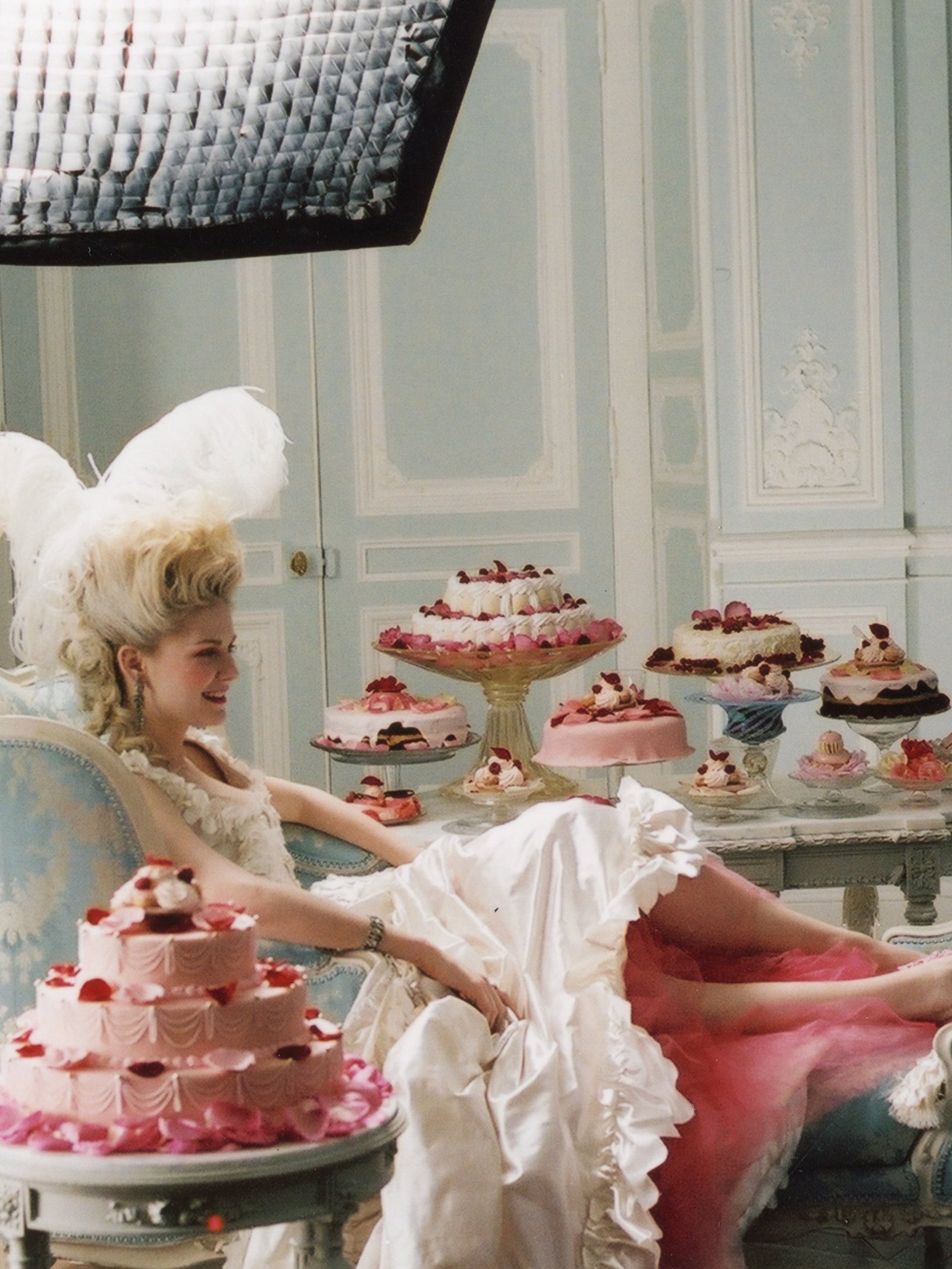
"Bridgerton" Season 4 has had a similar effect on lace. According to Pinterest, searches for lace doilies increased 105%, while lace bandanas rose 150%. Even lace makeup saw a 120% increase, suggesting that audiences are taking inspiration from the show's wider aesthetic rather than simply looking to replicate its costumes.
That interest is extending into interiors, too. Pinterest has linked the growing popularity of dramatic drapery and theatrical lighting to the "Bridgerton" masquerade ball and the candlelit atmosphere of "Wuthering Heights." The platform has grouped these references under what it calls the “Opera Aesthetic,” with searches for “opera theater” and “midnight masquerade” both climbing.
For costume designers, whose work has traditionally been discussed in terms of character development and historical accuracy, this growing influence on consumer behavior is particularly interesting. A carefully sourced vintage piece or a distinctive silhouette can now generate the kind of attention that fashion brands spend entire campaigns trying to achieve.
The relationship between entertainment and fashion has become increasingly difficult for retailers to ignore. Audiences are discovering clothes through the characters they follow, often months or even years after the original designs were created. And as the appetite for these looks grows, fashion brands and insiders might want to start paying a little more attention to what's happening inside costume departments.