
How The Creature Designer For 'Frankenstein' Gave An Iconic Character A New Look
Beauty
TSS Creative
Mike Hill
Creature designer and prosthetic makeup artist Mike Hill shares his process of creating a new look for Jacob Elordi's character in Guillermo del Toro’s “Frankenstein”.
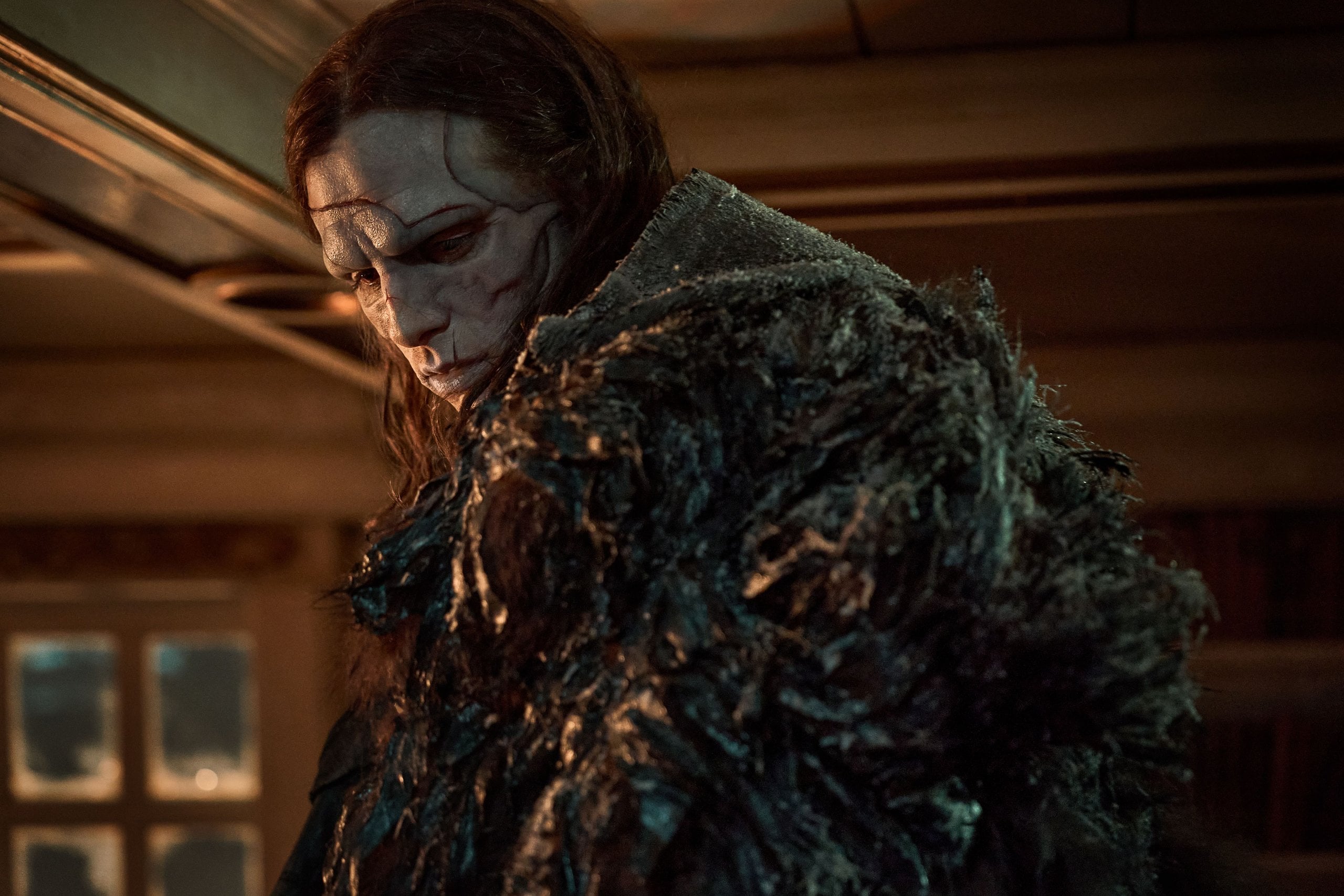
For Mike Hill, designing the Creature in “Frankenstein” has been a lifelong pursuit. The British-born prosthetics and makeup artist has been creating monsters for Hollywood for a long time, but he has been making them for himself even longer. As a child growing up in North West England, he tells The Set Set that he found his calling at age five. “I was very interested in classic monster movies—King Kong, the Wolfman, and Frankenstein, of course—and very often my gran would give me plasticine, but we couldn’t afford it much, and I didn’t want to keep crushing my monsters to make new ones.” Resourceful even at that age, Hill worked out a solution: “I learned to dig wet clay out of the ground near the river, and I took it home and dried it on concrete. Nobody showed me, but I just figured it out, and I sculpted this menagerie of monsters.”

That same instinct to adapt quickly and intuitively is what earned Hill acclaim on his first Guillermo del Toro film, the Oscar-winning “The Shape of Water”. Joining the project late, he was able to refine the creature design to make it less scaly and more, well, sexy. “My first instinct was that if this lady’s having a relationship with this creature and she's kissing him, touching him, we need to at least make him physically like a man,” Hill recalls.
Hill carried that philosophy into “Frankenstein,” his fifth collaboration with del Toro, which landed on Netflix on November 7. In the long-gestating adaptation of Mary Shelley’s seminal novel, Jacob Elordi plays the Creature, a reanimated man brought to life by Victor Frankenstein (Oscar Isaac), a scientist fueled by hubris and loneliness. The film approaches the character with a breathtaking tenderness, asking who, exactly, is the man and who is the monster—a nuance seemingly lost in the two centuries since Shelley first published the novel. Appropriately, Elordi’s character is never referred to as ‘Frankenstein’s Monster’ by Hill. He instead insists on calling him simply the Creature.
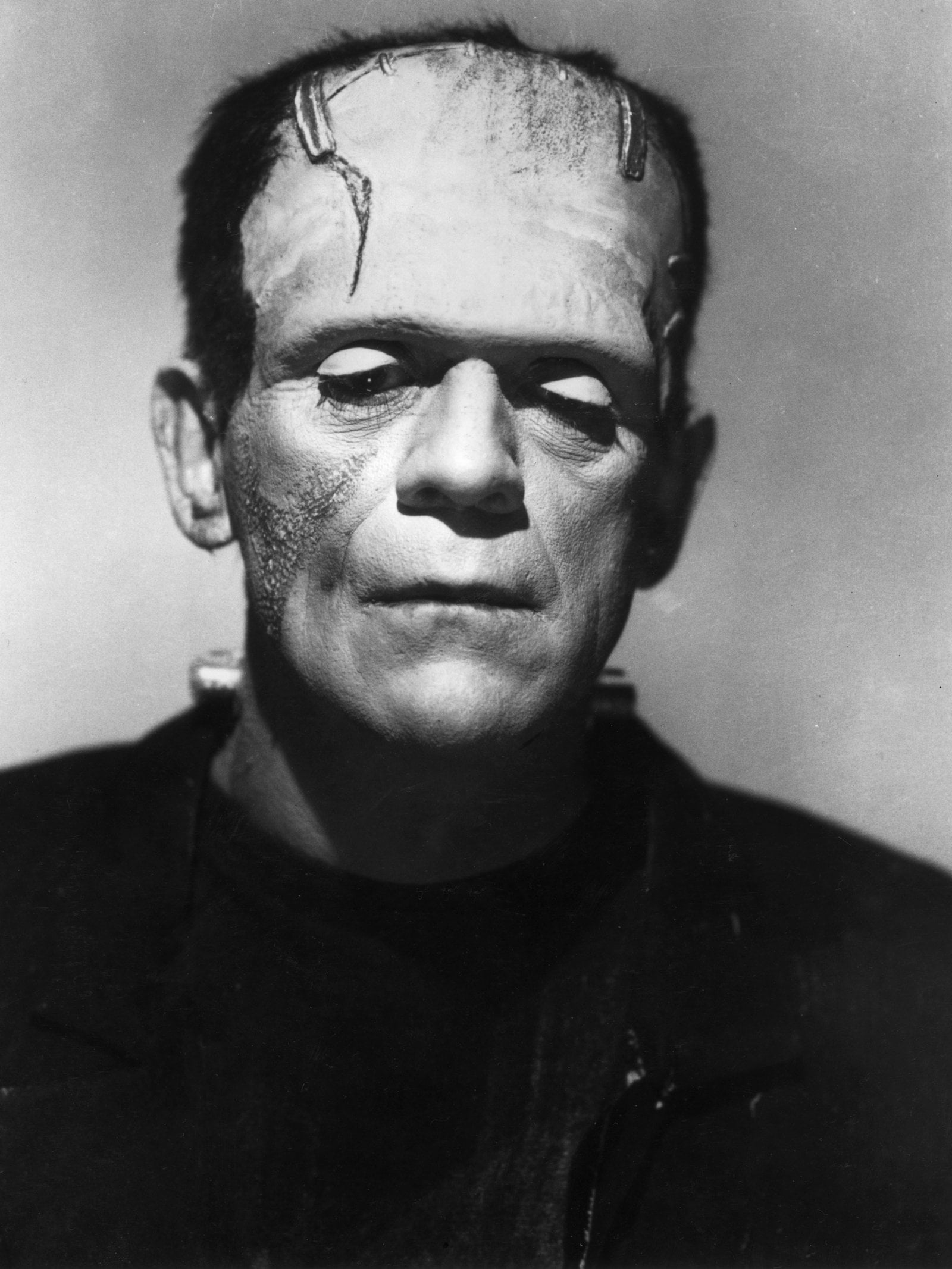
From the outset, the biggest challenge Hill faced was the preconceived idea of Frankenstein’s creation; through pop culture osmosis, generations of audiences who have never watched the 1931 adaptation instinctively can bring to mind Boris Karloff’s flat head, heavy brow, and prominent neck bolts. While Hill and del Toro are both admirers of the look designed by legendary Universal makeup artist Jack Pierce—in fact, the filmmaker first met Hill when he asked him to sculpt a bust of Karloff as the Creature—they wanted to create something quite different.
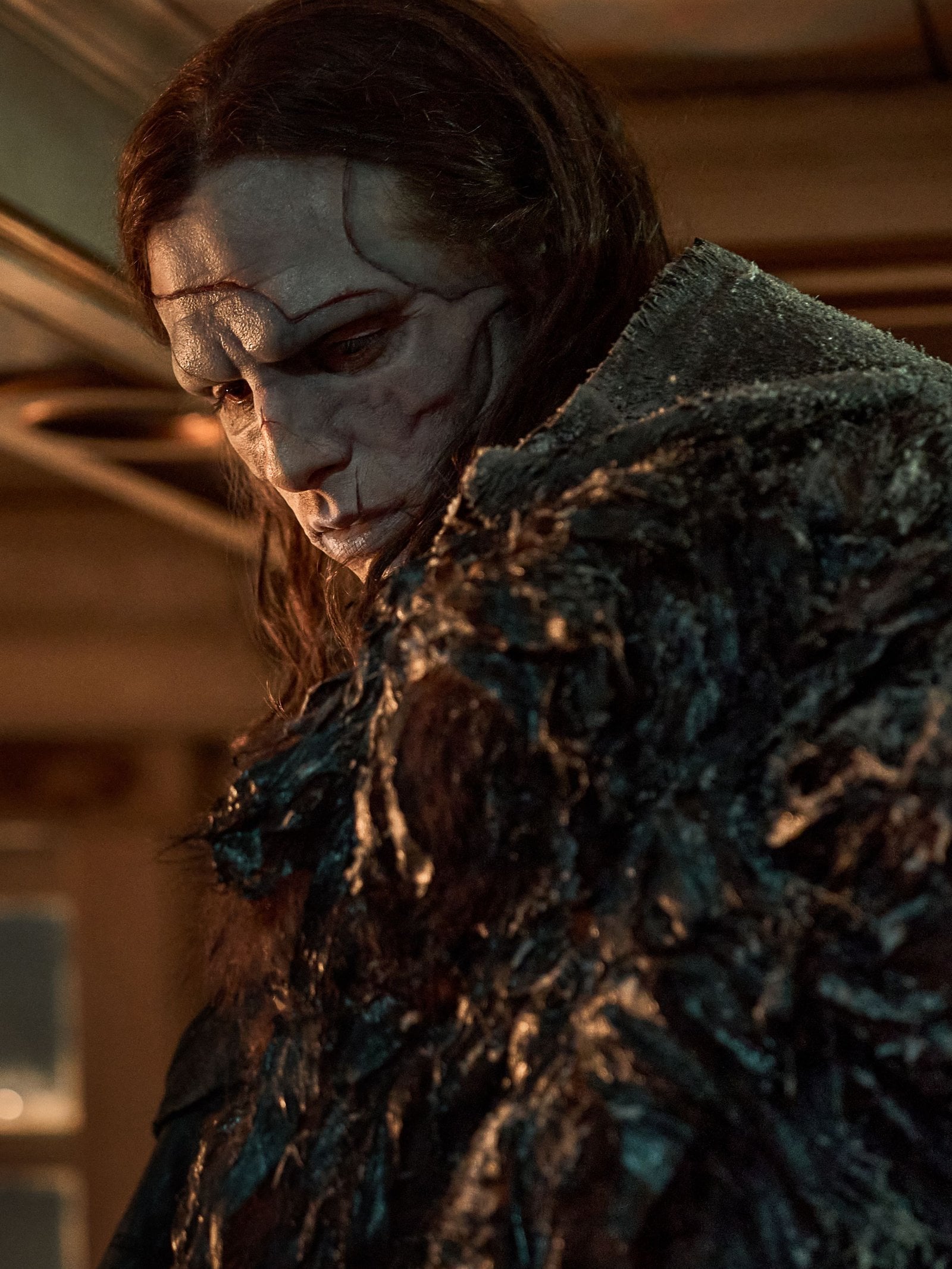
They decided their creature shouldn’t be hideous, but instead a thing of beauty, the way an obsessive like Victor would design him. “A lot of interpretations since Karloff’s look like a road accident. I wanted to make it clear that if you saw my character, you would know a man made this,” says Hill. That meant no unsightly stitching or unnecessary scarring. This creature needed to look meticulously and lovingly made. “Not repaired,” he says. “But brand new. Newly minted.”
Boris Karloff's iconic 1931 Frankenstein monster makeup was designed by Jack Pierce. Photo: Getty Images
Getty Images
Still, the idea is that the Creature is Victor’s first attempt at playing God. “The scars we did make were very deliberate,” he says. “If you look at surgery techniques and phrenology heads of the time period, they didn't know what they were doing. They’d see a corpse, and just cut in the places where you don't need to,” says Hill. “So you have to realise that Victor is working this out and this is his first draft, so to speak, so we made a few mistakes.”
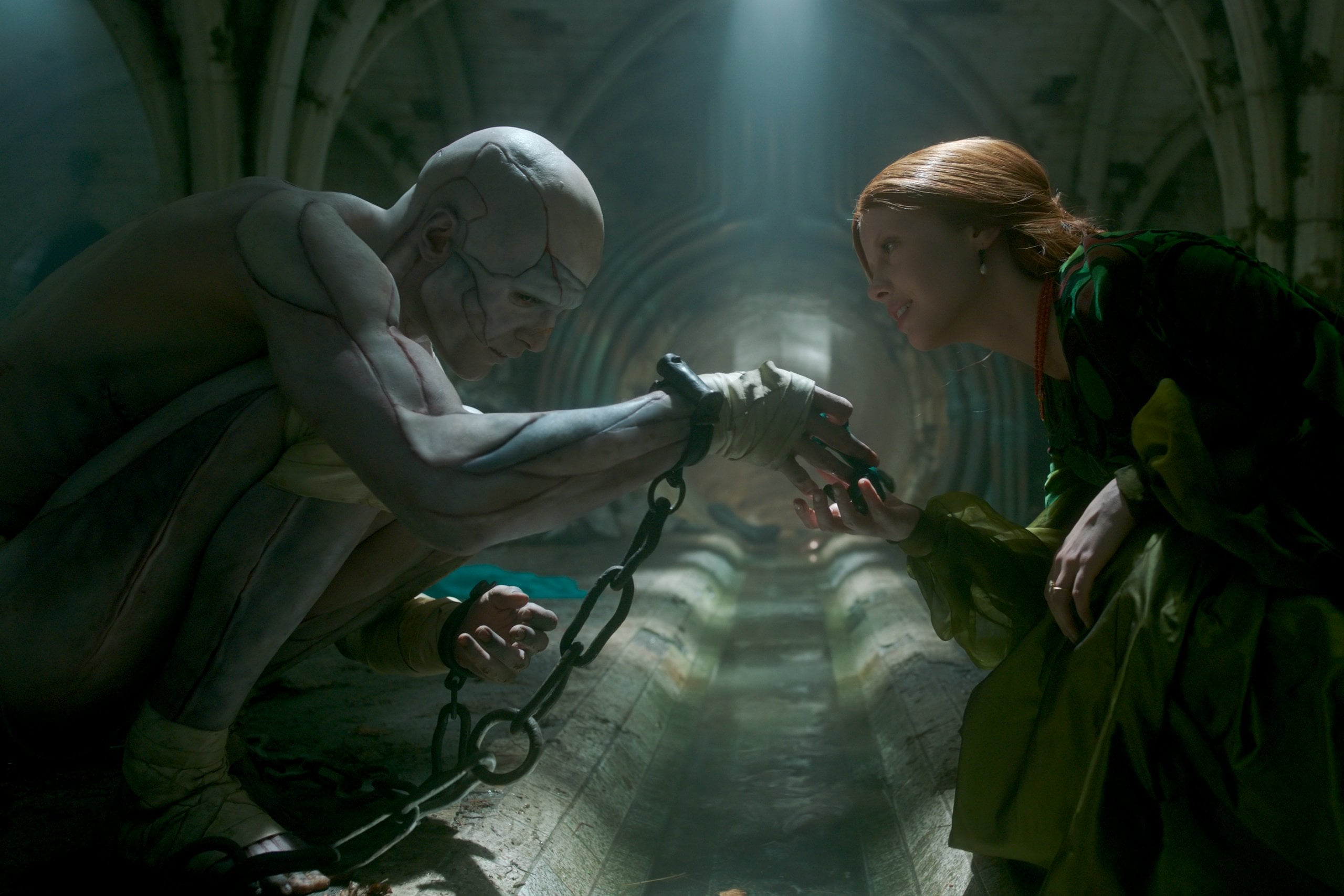

Jacob Elordi and Mia Goth in "Frankenstein". Photo: Netflix
Netflix
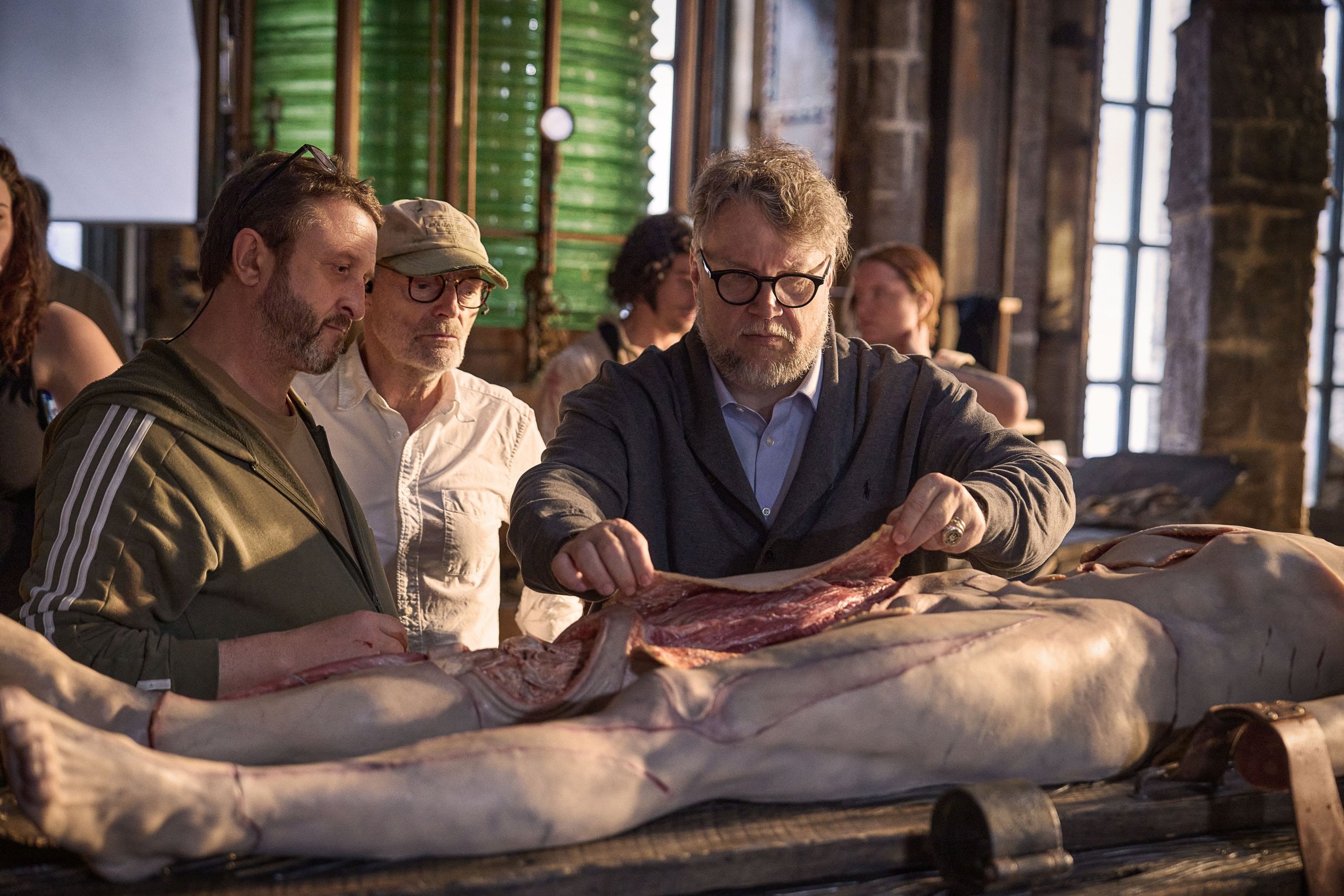

Mike Hill and Guillermo del Toro on the set of "Frankenstein". Photo: Netflix
Netflix
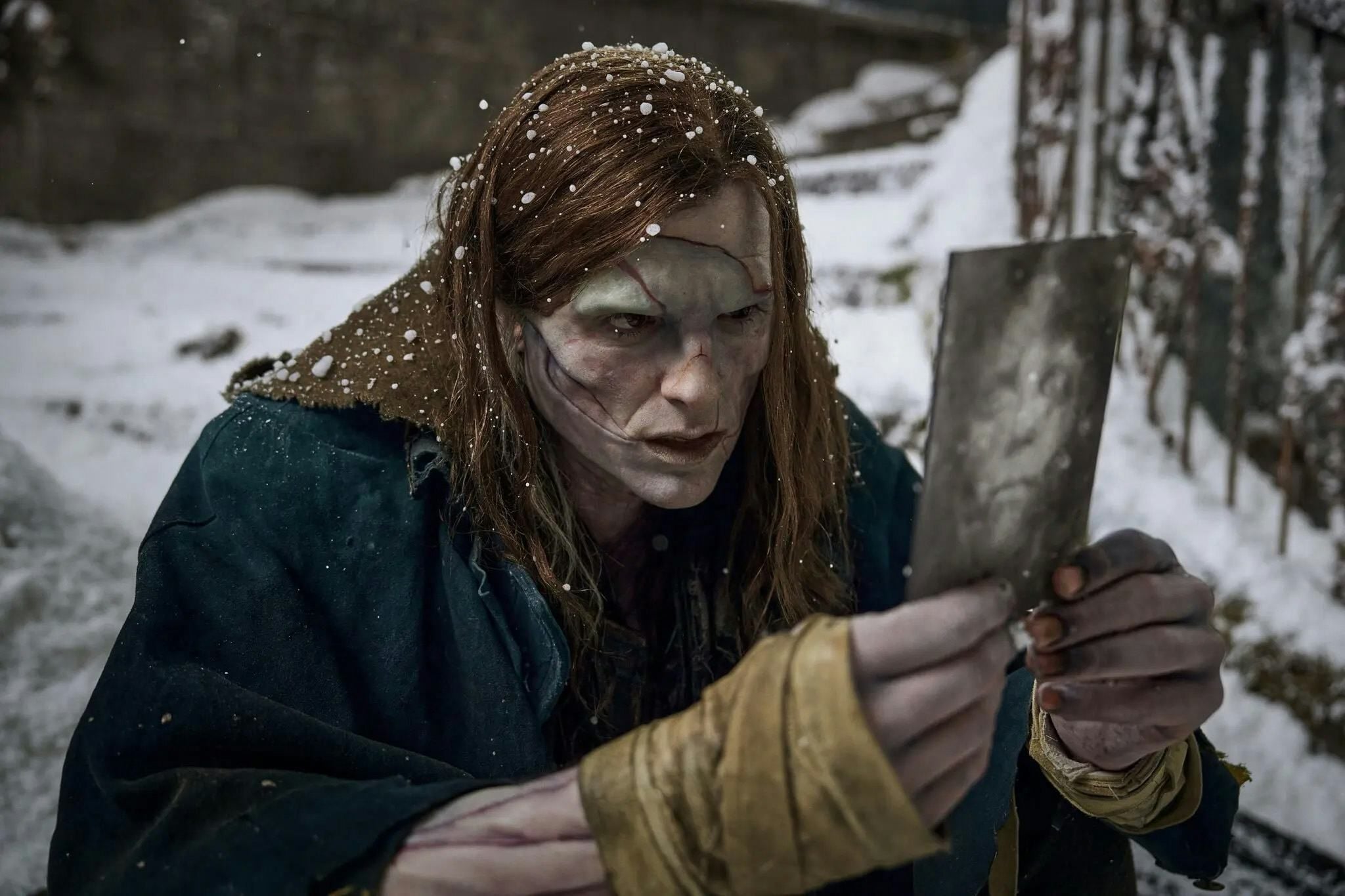

Jacob Elordi in "Frankenstein". Photo: Netflix
Netflix
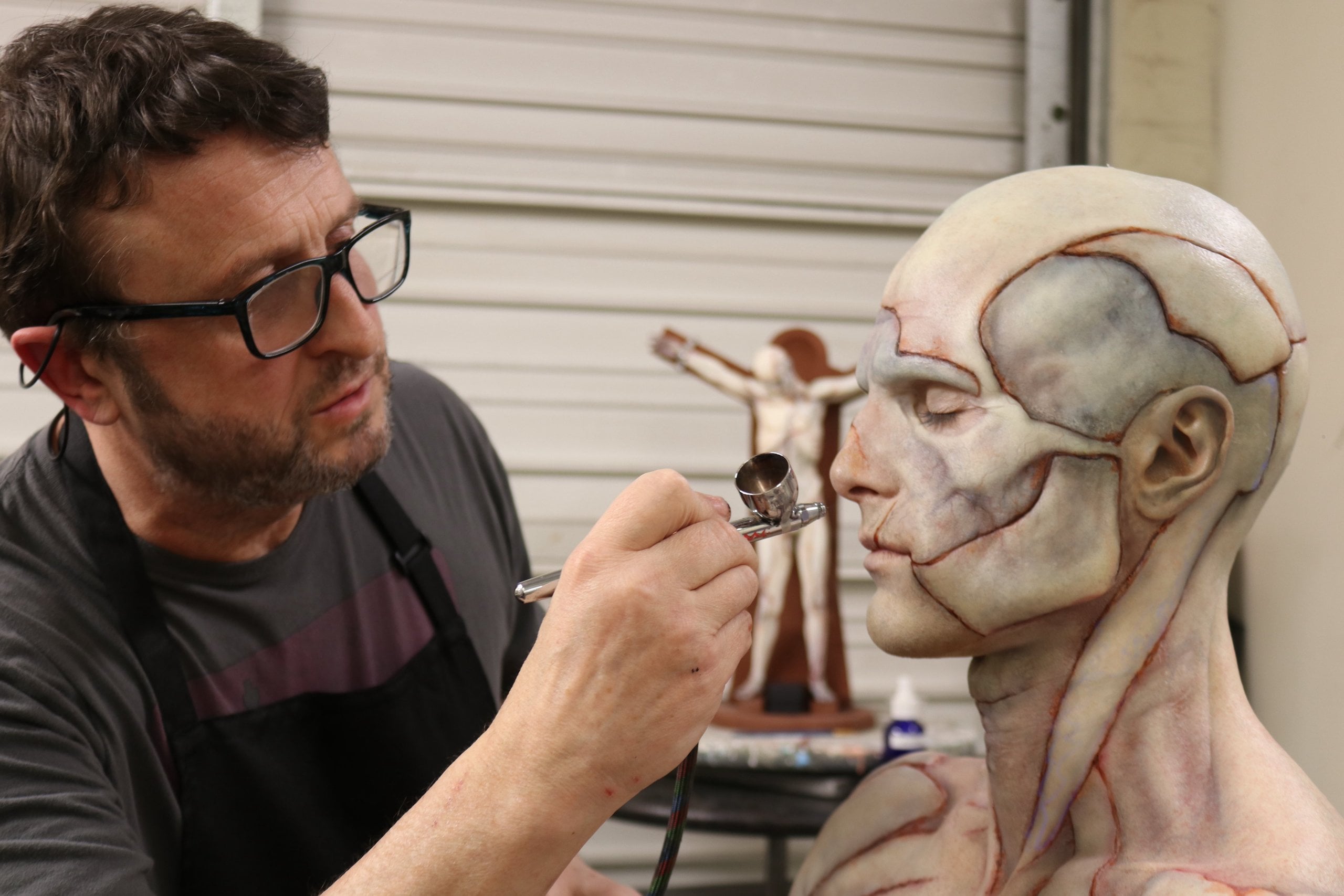

Mike Hill working on Jacob Elordi in the makeup chair for "Frankenstein". Photo: Netflix
Netflix
In the same way that he ensured the creature in “The Shape of Water” retained some humanity, Hill also took pains to make sure that Elordi was visible as much as possible under the heavy prosthetic makeup, which consisted of 42 silicone rubber pieces, 12 of which were affixed to the actor’s head. Hill and his prosthetics supervisor, Megan Many, worked on Elordi for several hours every day of the shoot, putting together the jigsaw puzzle of parts to transform him into the character.
For inspiration for the skin tone, Hill looked to the milky, creamy colors seen in works by Michelangelo and Caravaggio, as well as other Renaissance and Baroque artists and sculptors who were in vogue at the time. “It was about invoking the 1800s and not letting people think this was a modern monster,” he says. As the final step in the makeup process, Hill applied a subtle iridescent spray, catching light just enough to give the Creature a sculptural glow. It was used sparingly on the sides of the head, the chest, and over the heart. “Other directors might have said it needed a ‘Walking Dead’-style skin tone, but I didn’t want that, and frankly, Guillermo didn’t either,” says Hill.
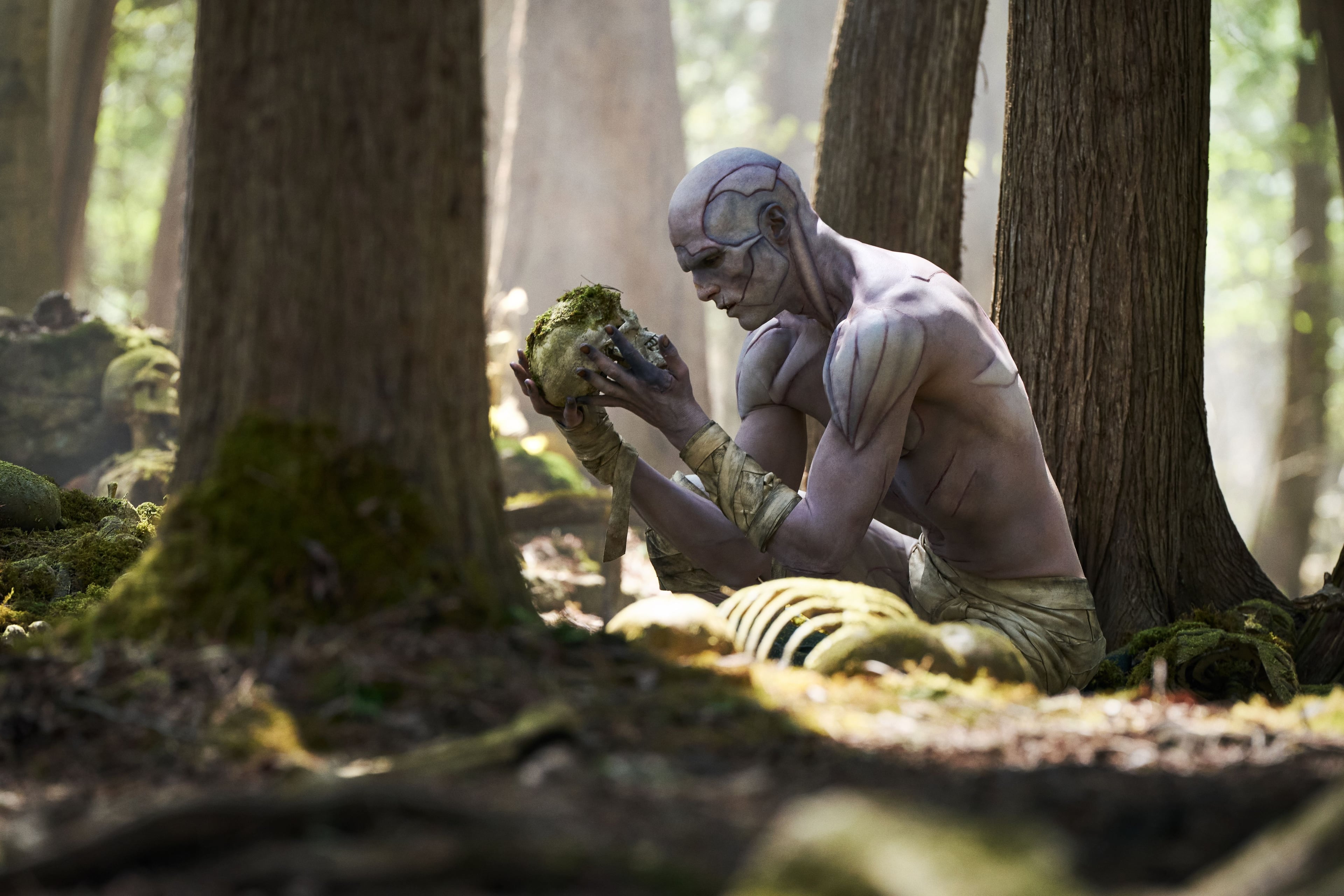

Jacob Elordi in "Frankenstein". Photo: Netflix
Netflix
One of the Creature’s most unsettling and evocative details wasn’t planned at all. The Creature’s mismatched eyes, which are used to signal the Creature’s duality of innate goodness corrupted by societal cruelty, were the result of what Hill calls a “happy accident” early on in production. Originally, both of Elordi’s eyes were fitted with large, doe-like lenses designed to emphasise the creature’s vulnerability. But, as Hill recalls, on one of the first days of shooting, “Jacob’s eye got a bit irritated by one of them, so we took it out, and while I was cleaning it, Guillermo saw Jacob and said, ‘I kinda like that.’" When Hill remembered a particular detail from the original story, he leaned into the idea more. "In Shelley's novel, it says that he visited slaughterhouses, and I like this idea that one of his eyes was an animal’s eye.” To really emphasise the point, the VFX team was asked to add a menacing red glow to the eye with the big lens, and the camera purposefully favors Elordi’s natural eye in all scenes except for when he is using his beastial might against others. “When he’s raging, it’s from the other side. You see that red glow and that reflection, as an animal does.”
The glowing red eye is notably the only part of the Creature’s look not created by Hill and his team, which is hardly surprising given del Toro’s deep devotion to showcasing practical effects wherever he can (case in point, production designer Tamara Deverell constructed a 130-foot Victorian ship in a Toronto studio parking lot). The director has made his distrust and derision towards artificial intelligence in filmmaking clear throughout the promotional tour for the film, likening those who blindly usher in the advances in generative AI without considering the consequences to his film's titular antihero. For Hill, working with practical effects is a non-negotiable. “If you’d introduced digital effects to this Creature, you’d modernise it instantly,” says Hill. “And the moment the audience notices that, you’ve destroyed it,” he says. Like the characters he made in his childhood, dug from the earth and shaped by his hands, Hill’s creatures will continue to embody an innate humanity.