
The Fight Scenes in ‘The Greatest’ Were Choreographed Like a Musical Number
Wellness
Hollywood’s premier stunt coordinator Clayton Barber breaks down the philosophy that allowed him to recreate Muhammad Ali’s legendary boxing wins on screen.
As the lead stunt coordinator on many of Hollywood's most physically intensive films, including “Black Panther” and the “Rocky” spinoff franchise “Creed,” the role of Clayton Barber sits somewhere between director, dance choreographer, and personal trainer. “My job is to take what's written on the page, have the [director] tell me their vision, and wherever there's action—whether it be a fight scene, a car chase, or a superhero jump—I go in and I make that happen with a team,” Barber says. On the set of his latest project, Prime Video’s “The Greatest,” which recounts Muhammad Ali’s rise to fame, “making it happen” entailed recreating the champion boxer’s most iconic fights punch for punch.

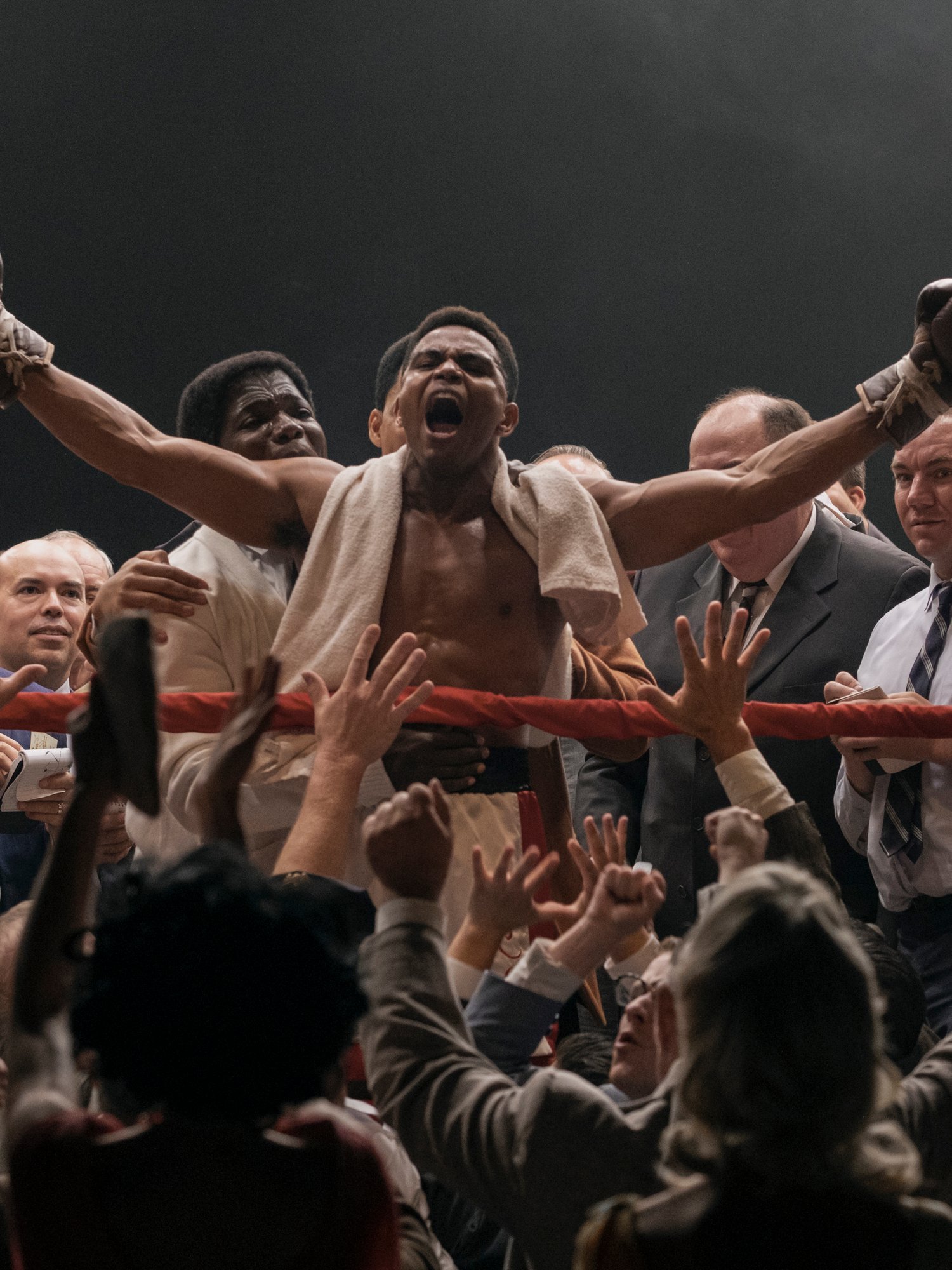
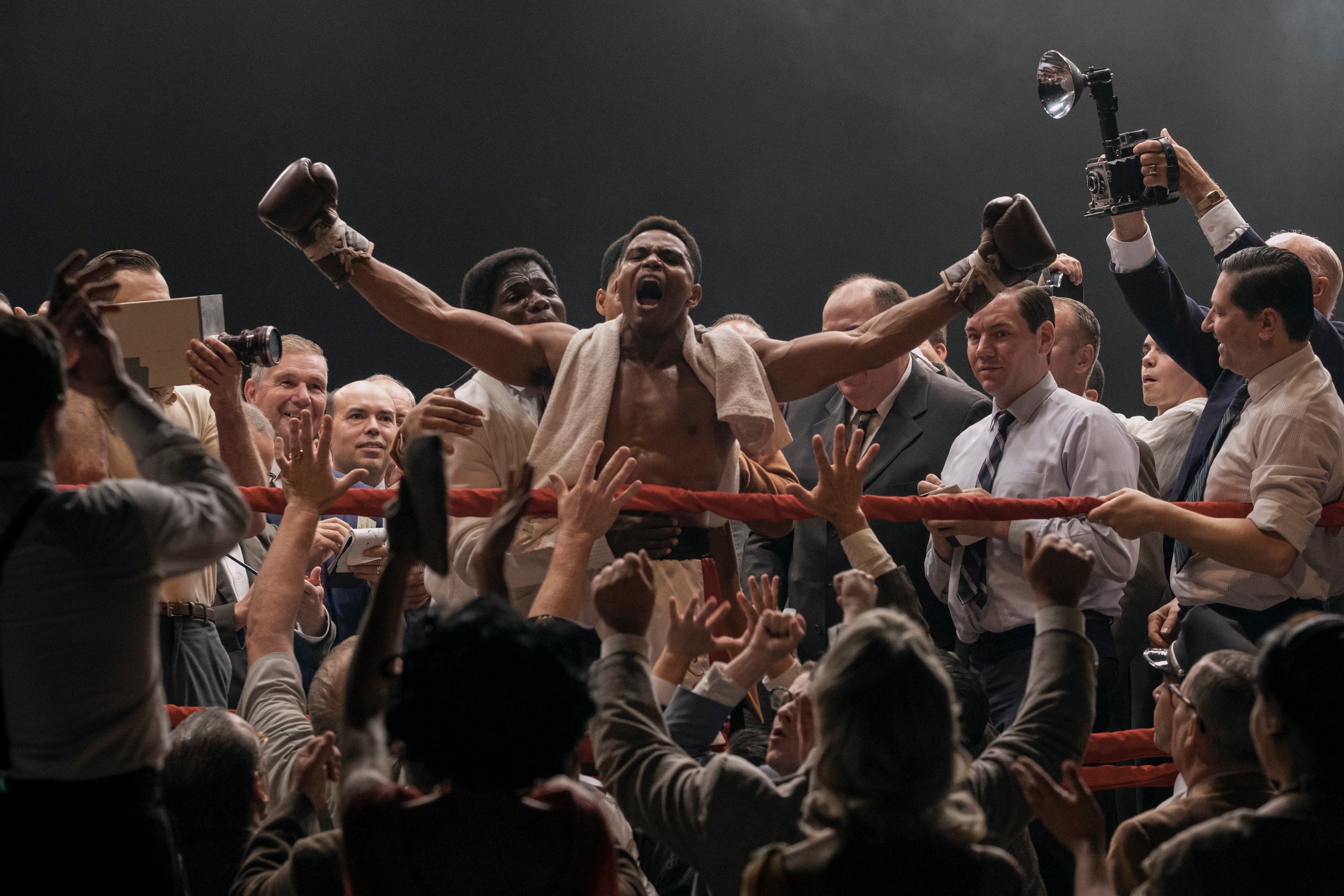
Jaalen Best in "The Greatest."
Prime Video

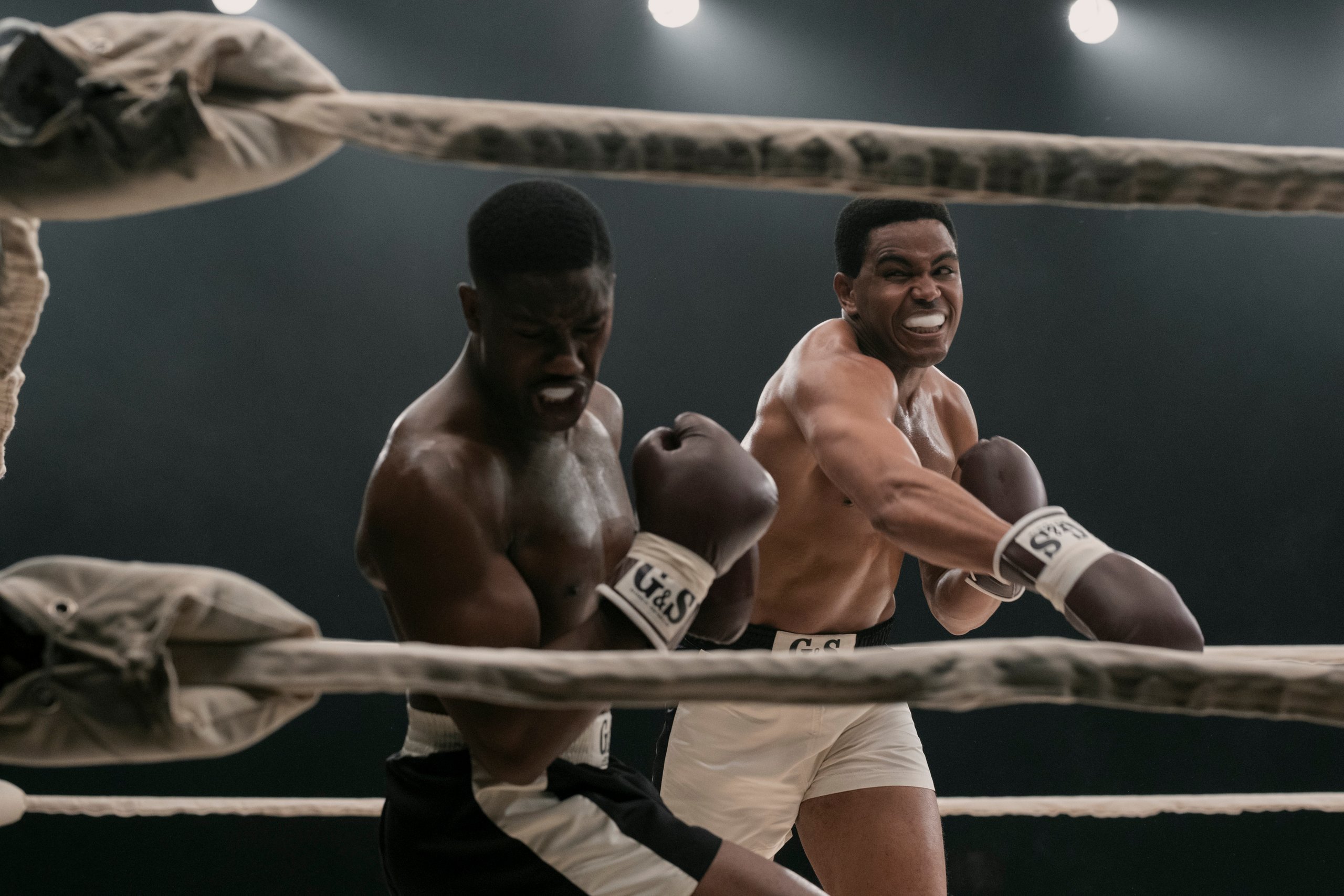
Jaalen Best in "The Greatest."
Prime Video
Jaalen Best in "The Greatest."
Prime Video
Jaalen Best in "The Greatest."
Prime Video
Barber, whose filmography has tackled every imaginable type of fight, categorizes movie boxing movies into two forms: fiction and nonfiction. “The Greatest” falls firmly into the latter category, documenting Ali’s four-year transition from an Olympic medalist to his iconic World Championship against Sonny Liston in the 1960s. The project required Barber to closely study all of Ali’s recorded fights and distill the essence of his style. “[Ali] was a dancer, and that's what made him so special. He wasn't a plant your feet in the ground and start swinging for the fences [type] like Timothy Bradley. He was very clever,” Barber says. He equates Ali’s style to that of another icon, Bruce Lee, who studied the boxer’s footwork and applied it to martial arts. Having worked across multiple physical disciplines, Barber is a master at spotting unexpected connections. “I think Ali liked Fred Astaire,” Barber says, suggesting that boxing and dancing are similar disciplines. He characterizes boxing as “a violent ballet” throughout the interview.
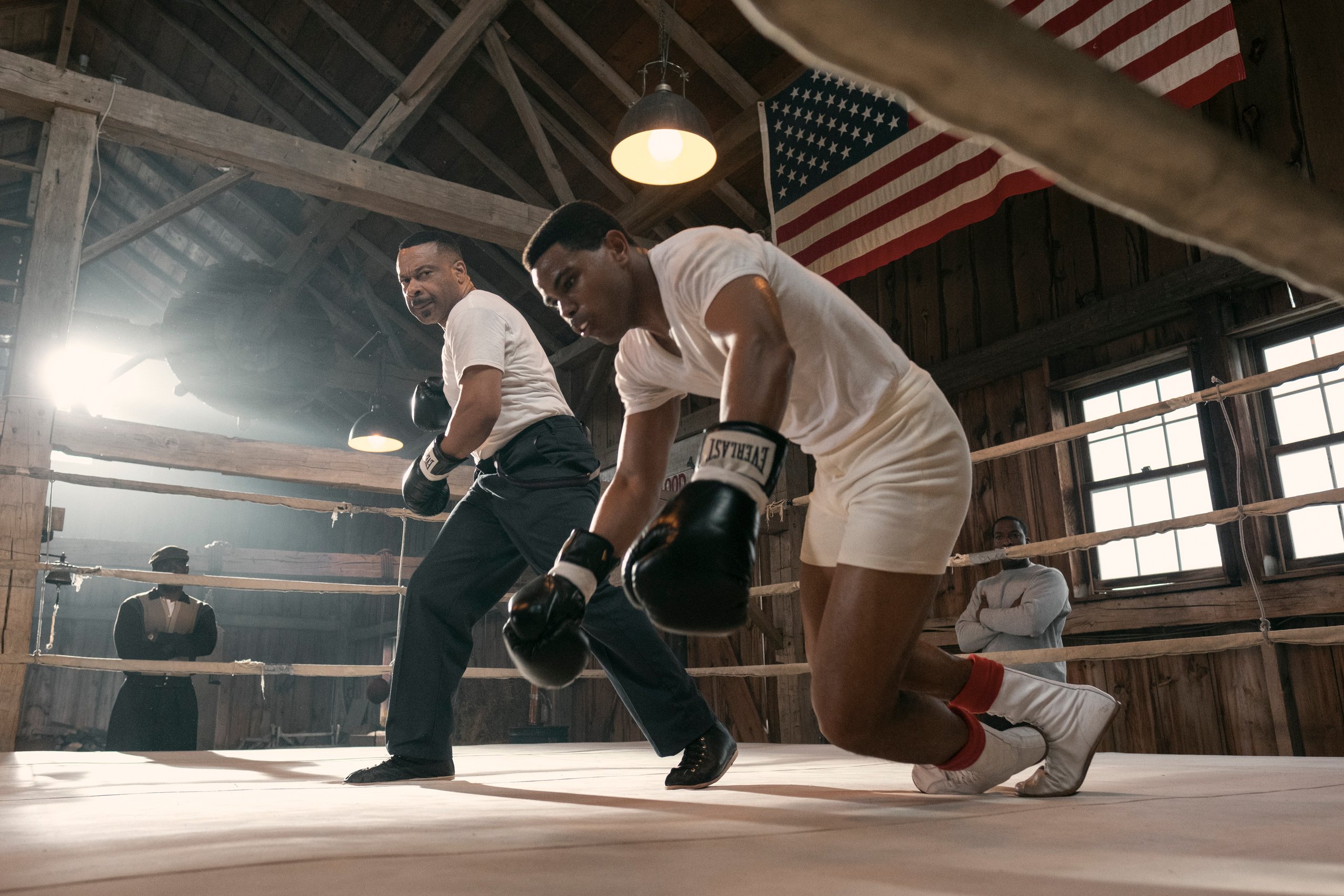
Barber breaks down every fight scene into three key elements: character, weapon, and environment. For a biographical series like “The Greatest,” the character component reigns supreme, and required close collaboration from breakout actor Jaalen Best. “[Best] wasn't really playing Muhammad Ali, he became Muhammad Ali,” Barber says. Entering the project with a background in basketball, soccer, and football, the actor put in six months of training. “[With] boxing you have to put in the time because it doesn't lie; you're limited with just two fists,” Barber says. In the stunt gym, Barber covered the walls with hundreds of photos of Ali in the ring. He describes Best as a “godsend” with an inspiring work ethic. “Every time that I would be across the ring from Jalen, he'd sit on his stool, lean back, get a little rest, and when he looked up, he would just smile,” Barber recalls. “And I said, ‘We're good, let's go.’”
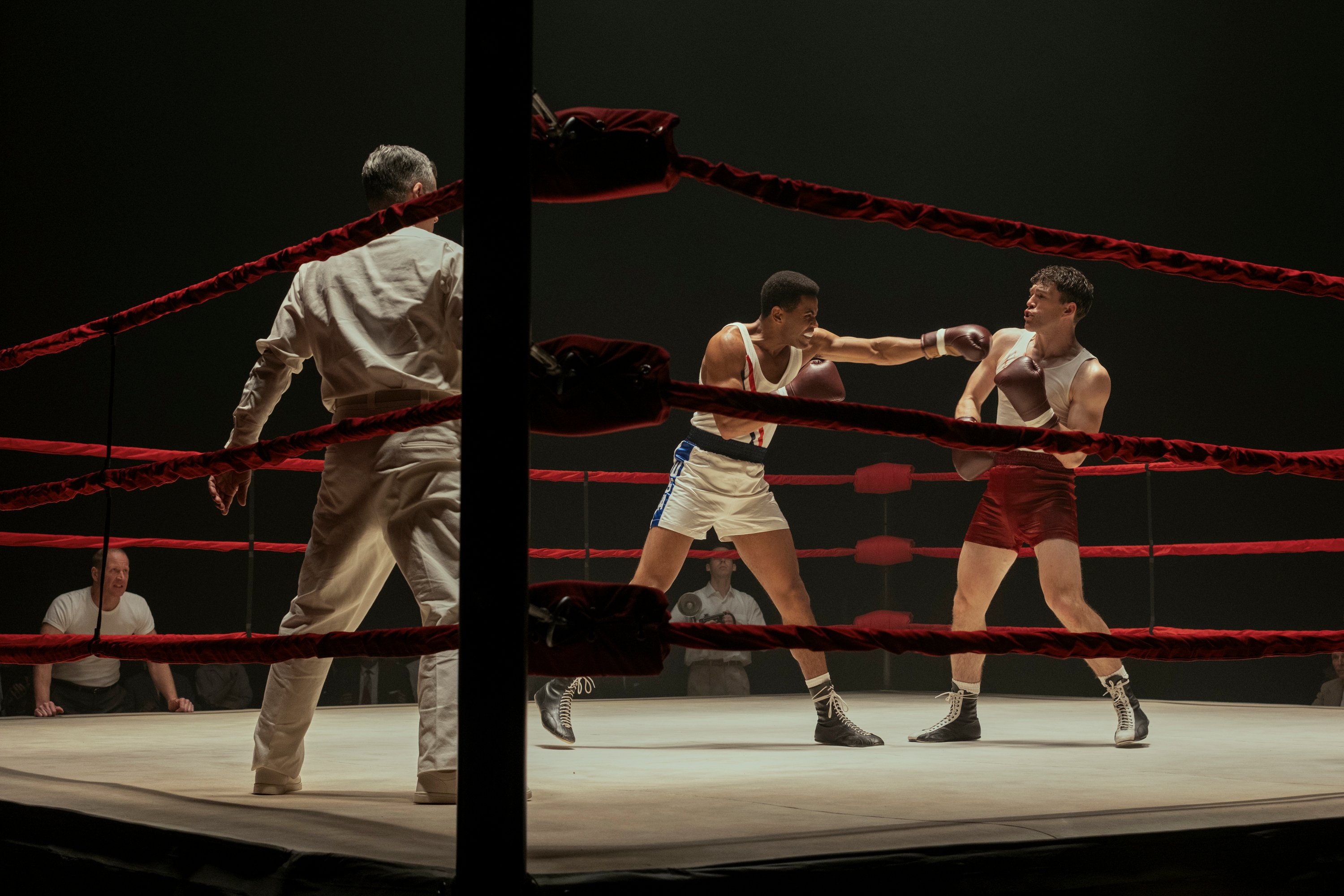

Jaalen Best in "The Greatest".
Prime Video
Recreating Ali’s fights for television required editorializing each match so that it stays engaging without straying from the real-life choreography. “You take a three-minute fight, and you tell the exact same story in half of that with the truthful moves that were done,” Barber says. For the fights that were not recorded, Barber consulted newspaper coverage and translated written reporting to the screen.
The most important one to get right was Ali’s 1964 World Championship match against Sonny Liston (played by Amin Joseph). “I wanted that fight to give the audience a protagonist and antagonist that are both human,” Barber says. He describes rehearsals for the scene as if it were a musical. “It's almost like our ‘La La Land,’ but it was in a boxing ring,” Barber jokes. “I kept saying to [Best and Joseph], ‘Do you wanna be remembered or forgotten?’ Because that pretty much determines how much effort you put in. If you're gonna be remembered, we have to go for it collectively.”