All The Flesh, Fluid & Cinematic Easter Eggs Embedded In The Costumes In 'Teenage Sex and Death at Camp Miasma'
Fashion

Fashion
Costume designer Kendra Terpenning approached Jane Schoenbrun’s latest queer horror film from the perspective of a romance, while still paying homage to slashers past.
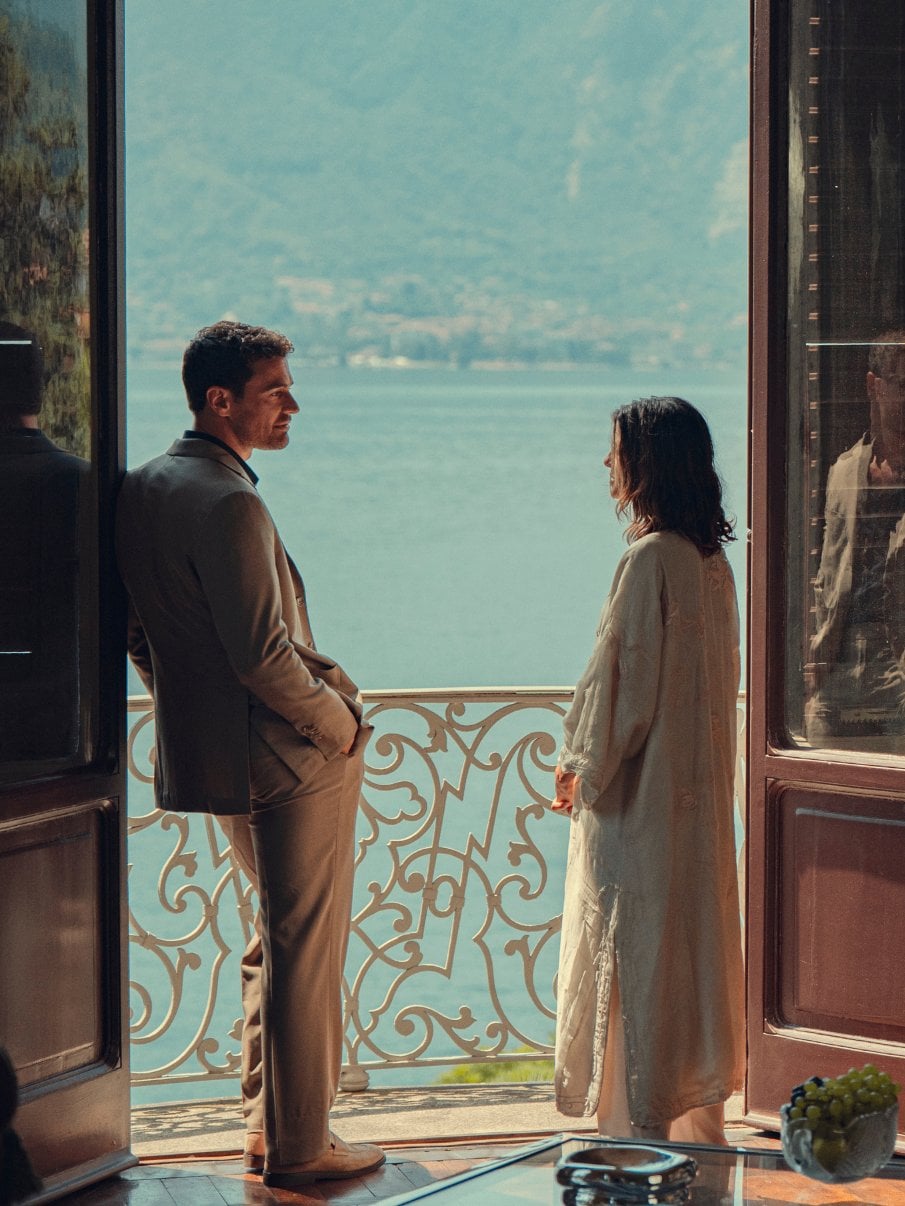
Jane Schoenbrun’s latest horror film, “Teenage Sex and Death at Camp Miasma,” has all the fixings of a cult classic without any of the cliches. The film follows young director Kris (Hannah Einbender) as she meets the actress who played the woman responsible for her sexual awakening in an ‘80s horror franchise, Billy Preston (Gillian Anderson), to pitch her a “woke” reboot. Toggling between universes, the film depicts the kitschy ‘80s aesthetic of the original Camp Miasma film, the familiar, fourth-wave feminist world of Kris, and the removed, otherworldly glamour of Billy Preston, living in luxurious silks on the Miasma campground decades later.
Costume designer Kendra Terpenning approached costuming the film’s vastly different aesthetics on a character-by-character basis, planting lots of horror Easter eggs along the way. “Jane has an incredible ability to both honor things and turn them on their head. It's always a conversation between satirization and authenticity. It's all of it beautifully all at once,” Terpenning says. The film was presented to Terpenning by Schoenbrun as being “‘Portrait of a Lady on Fire’ set inside of a slasher film,” inspiring Terpenning to lean heavily on the romance of the premise, rather than merely the horror.
Kris’ Layered Homage to Classic Cinema

Hannah Einbender in "Teenage Sex and Death At Camp Miasma."
Mubi

Hannah Einbender and Gillian Anderson in "Teenage Sex and Death At Camp Miasma."
Mubi

Hannah Einbender in "Teenage Sex and Death At Camp Miasma."
Mubi
Kris’s outfit for her first meeting with Billy is inspired by the 2002 erotic comedy “Secretary.” She wears a slouchy coral zip-up with a floral maxi skirt and Mary Janes, echoing an exact outfit worn by Maggie Gyllenhaal’s character in the BDSM dramedy.
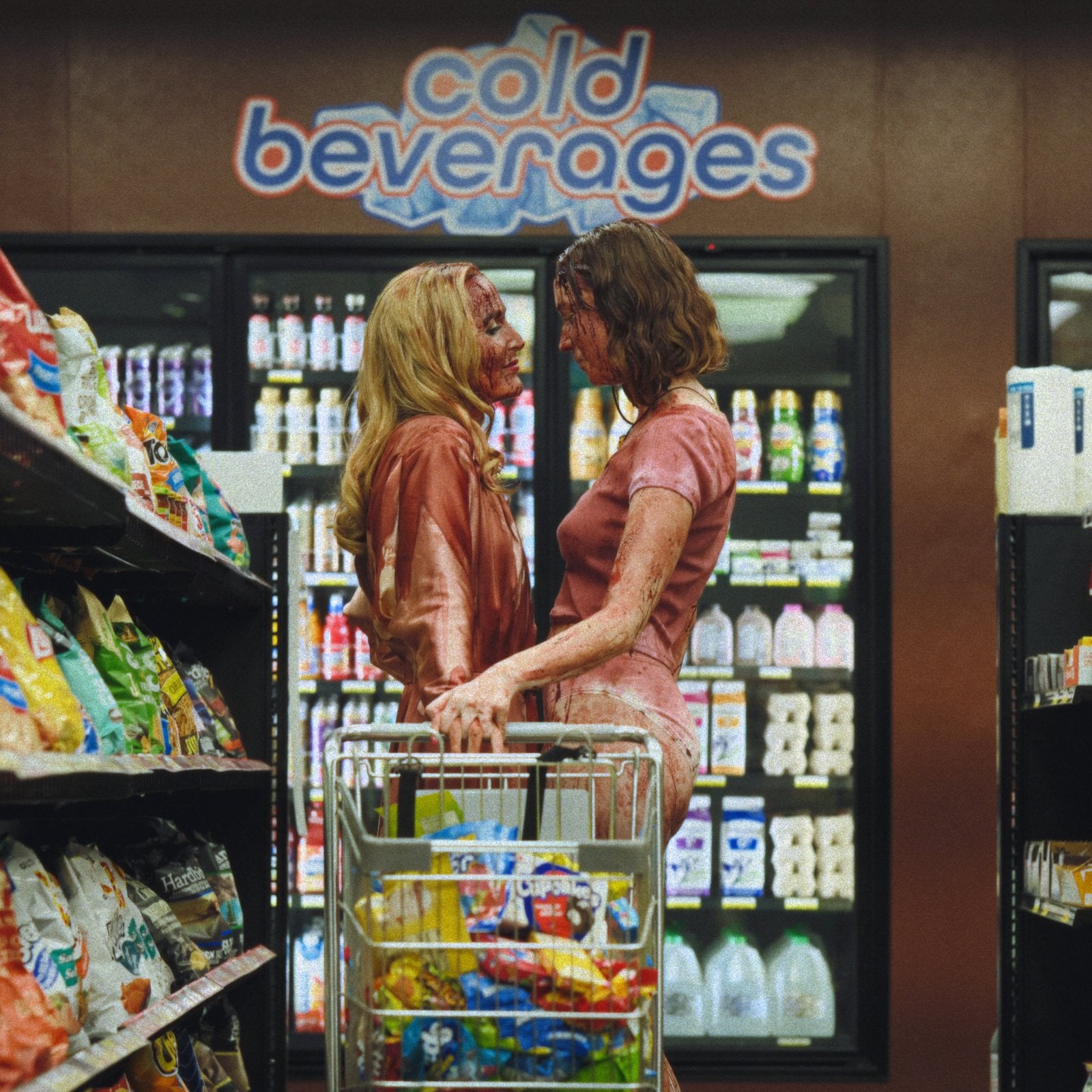
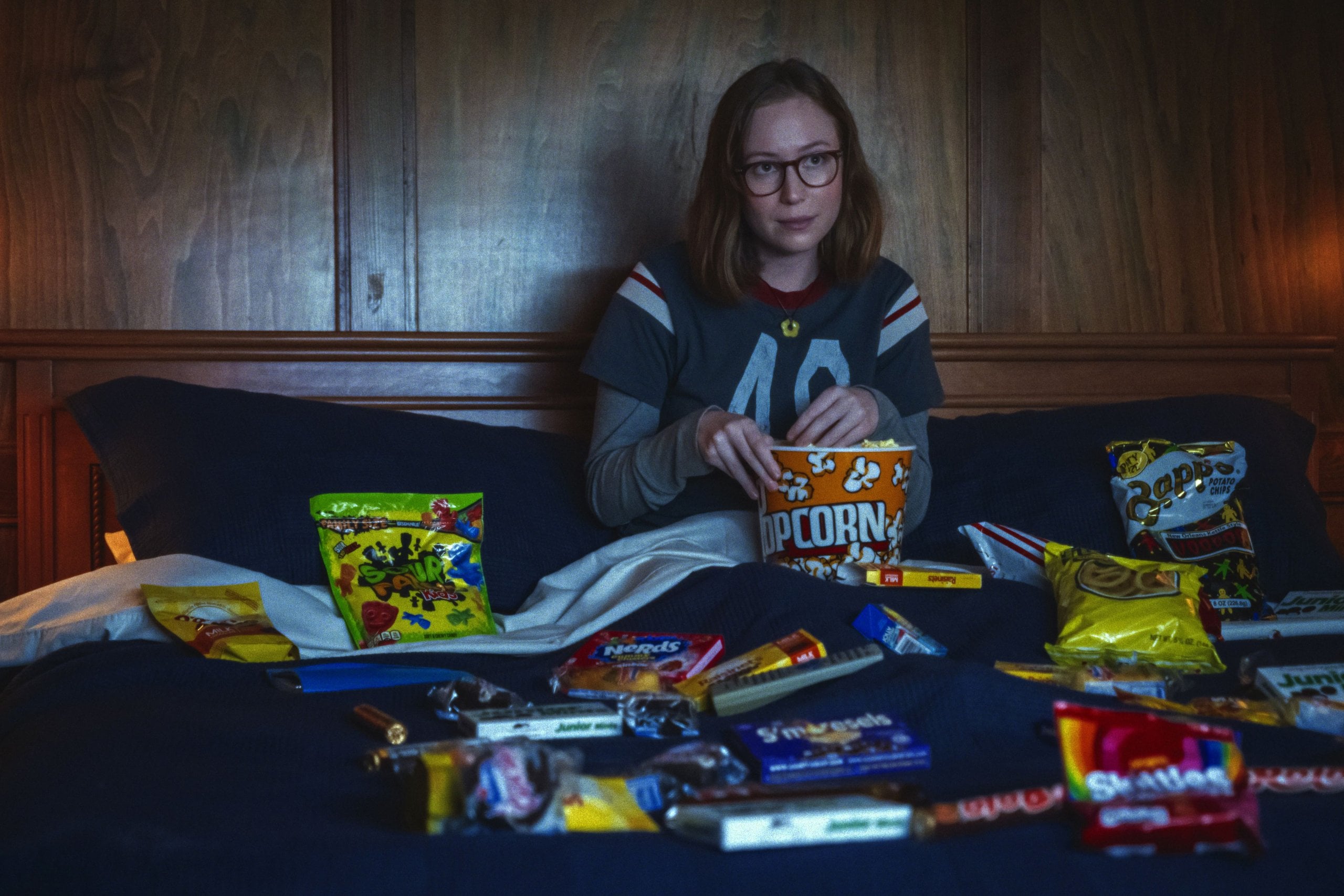
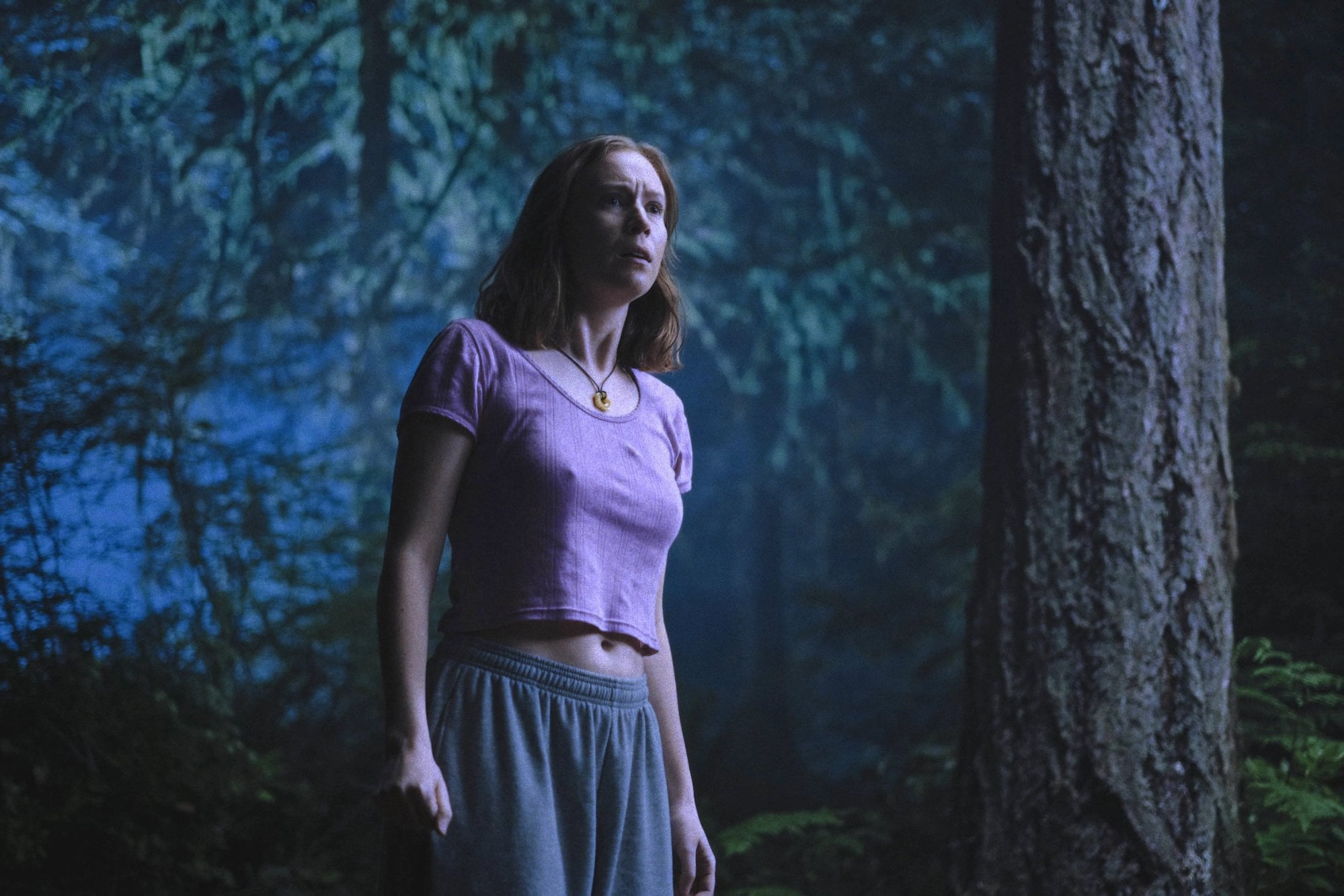
Rather than evolve Kris' costumes to reflect her emotional arch, Terpenning embedded Kris’ connection to Billy, and the Miasma franchise, from the very beginning. “We kept the journey as hidden as possible,” Terpenning explains. Kris’ pink pajamas were dyed to mirror Little Death’s flesh-toned hiding spot and textured to evoke the look of a log cabin. Simultaneously, they reflect a fluid understanding of gender expression. “You wouldn't necessarily think that someone who uses she/they pronouns [and] is unstyled in the way that Kris is would have the world's girliest, fluffiest, literal bunny slipper pajamas to sleep in at a hotel,” Terpenning says. “But she does.”
“We had them striped with texture, which is in reference to the cabins and the woods and vertical visuals, and that carries through to her next costume, which we did the same thing with but in earth tones,” Terpenning says. “Every step she gets closer to staying at the camp is [more] visually within it.” By the film’s end, Kris wears a layered pink-and-green “final girl” look inspired by Marcie Stanler (Jeannine Taylor) in the original “Friday the 13th” that blends seamlessly into the hand-painted backdrop
Billy Preston’s Old-School Romance

Quintessa Swindell and Amanda Fix in "Teenage Sex and Death At Camp Miasma."
Mubi
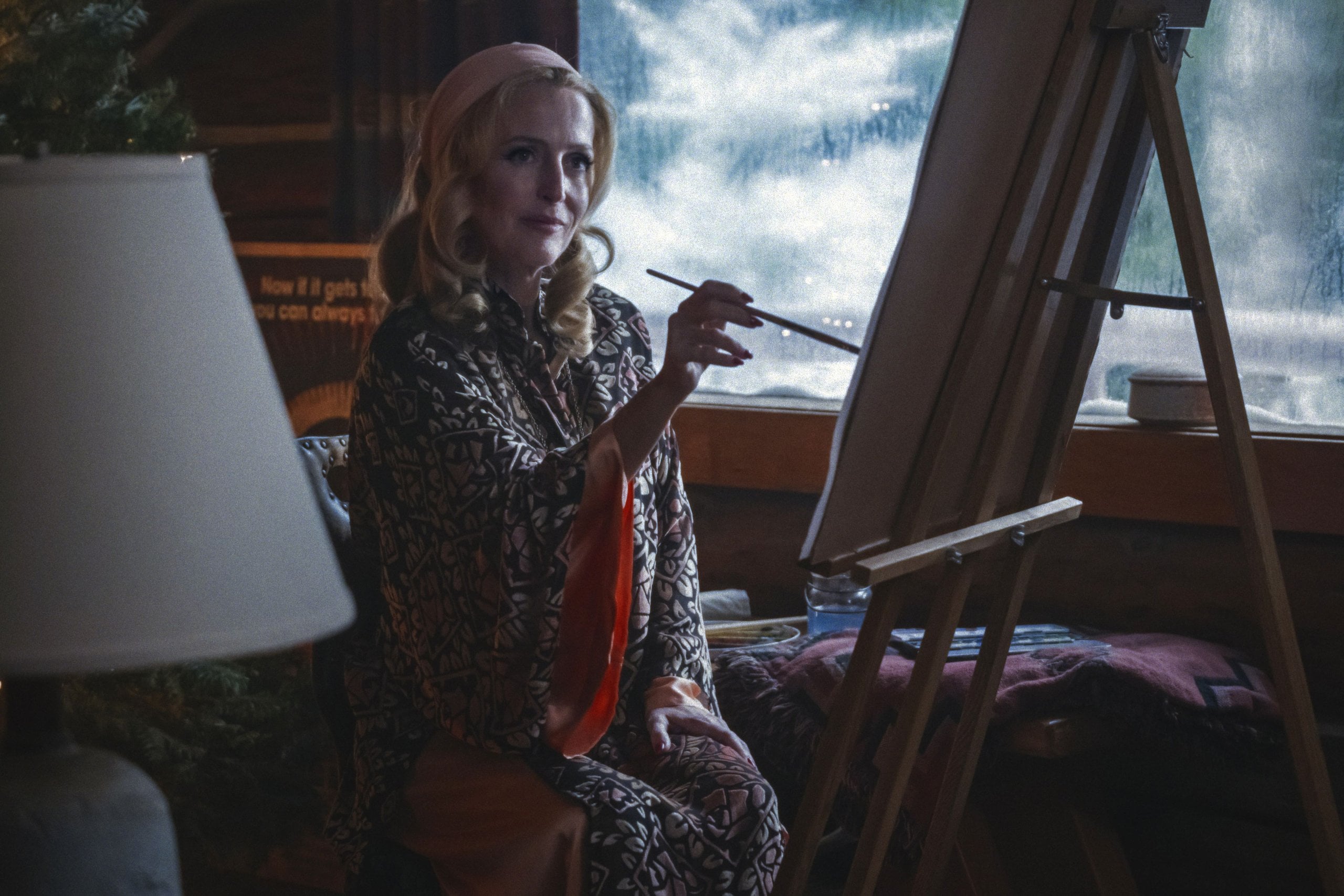

Gillian Anderson in "Teenage Sex and Death At Camp Miasma."
Mubi
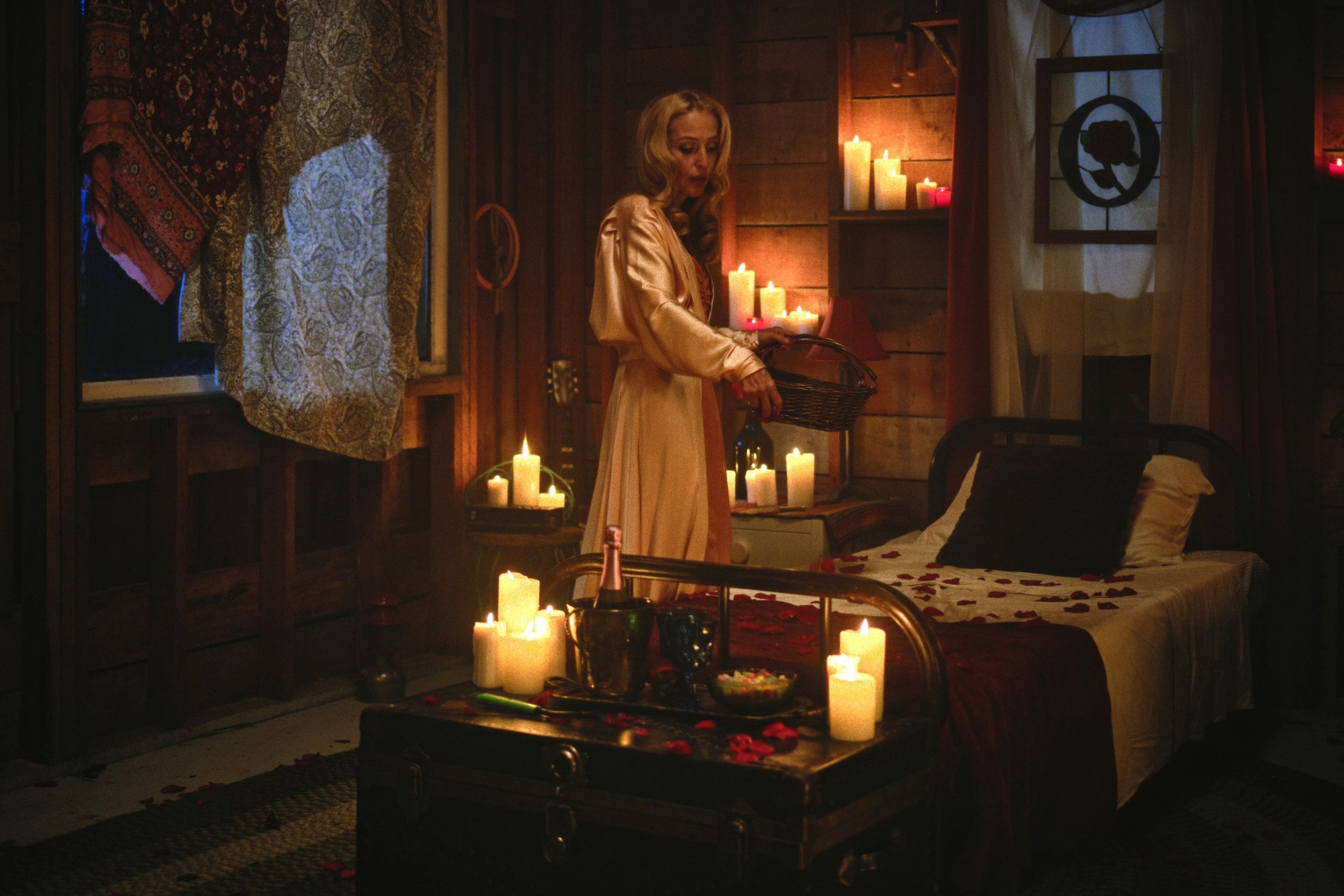

Gillian Anderson in "Teenage Sex and Death At Camp Miasma."
Mubi
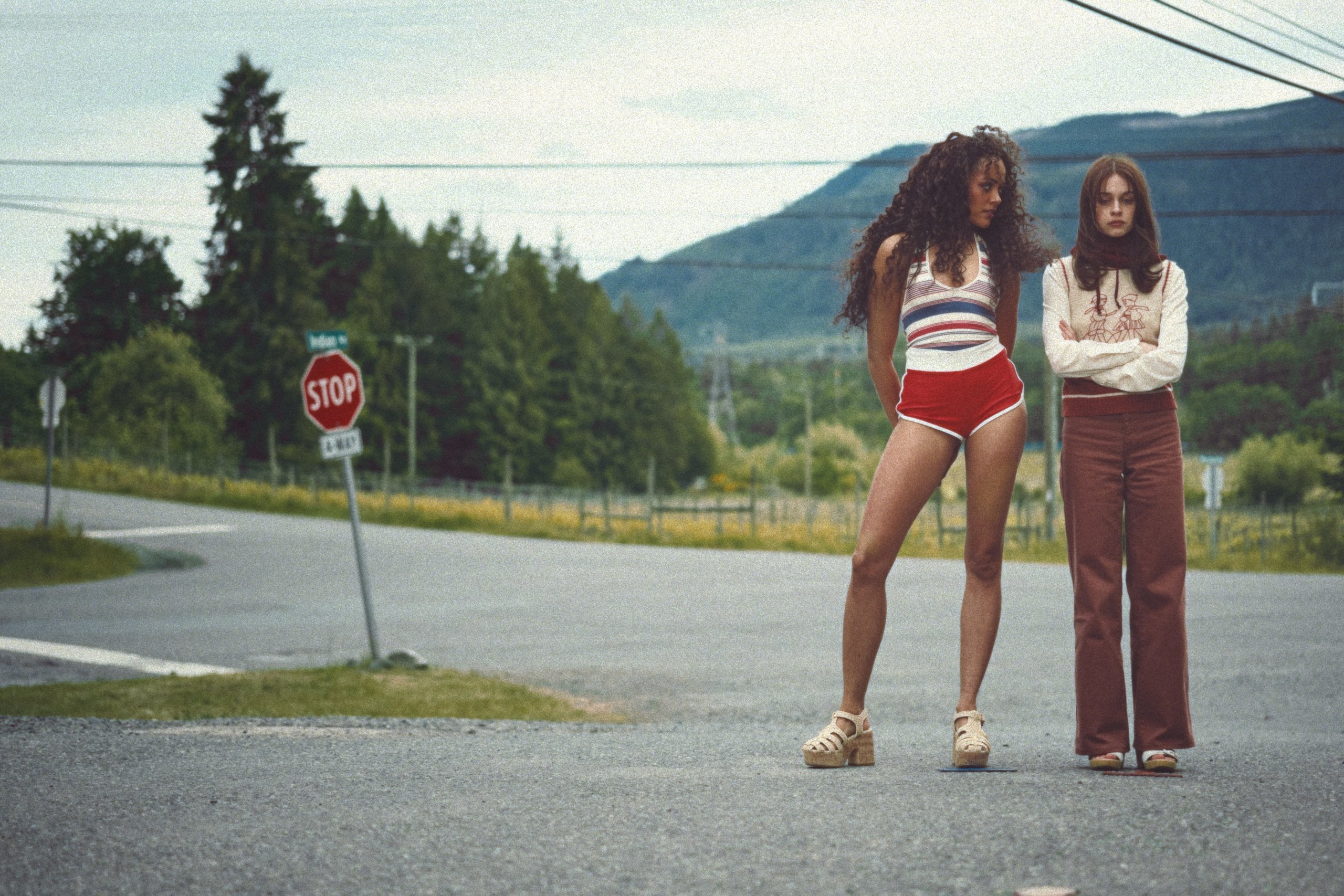
The wardrobe of Young Billy (played by Amanda Fix), was originally imagined as an homage to “the original final girl”: Lorie Strode in “Halloween.” But the direction for her character pivoted when Terpenning stumbled across a beautiful sweater vest from the Ian Drummond Wardrobe Collection in Toronto. “Sometimes things come to you that just feel correct, and little Young Billy's sweater vest is this beautiful piece from our rental house and literally pivoted the entire costume,” Terpenning says.
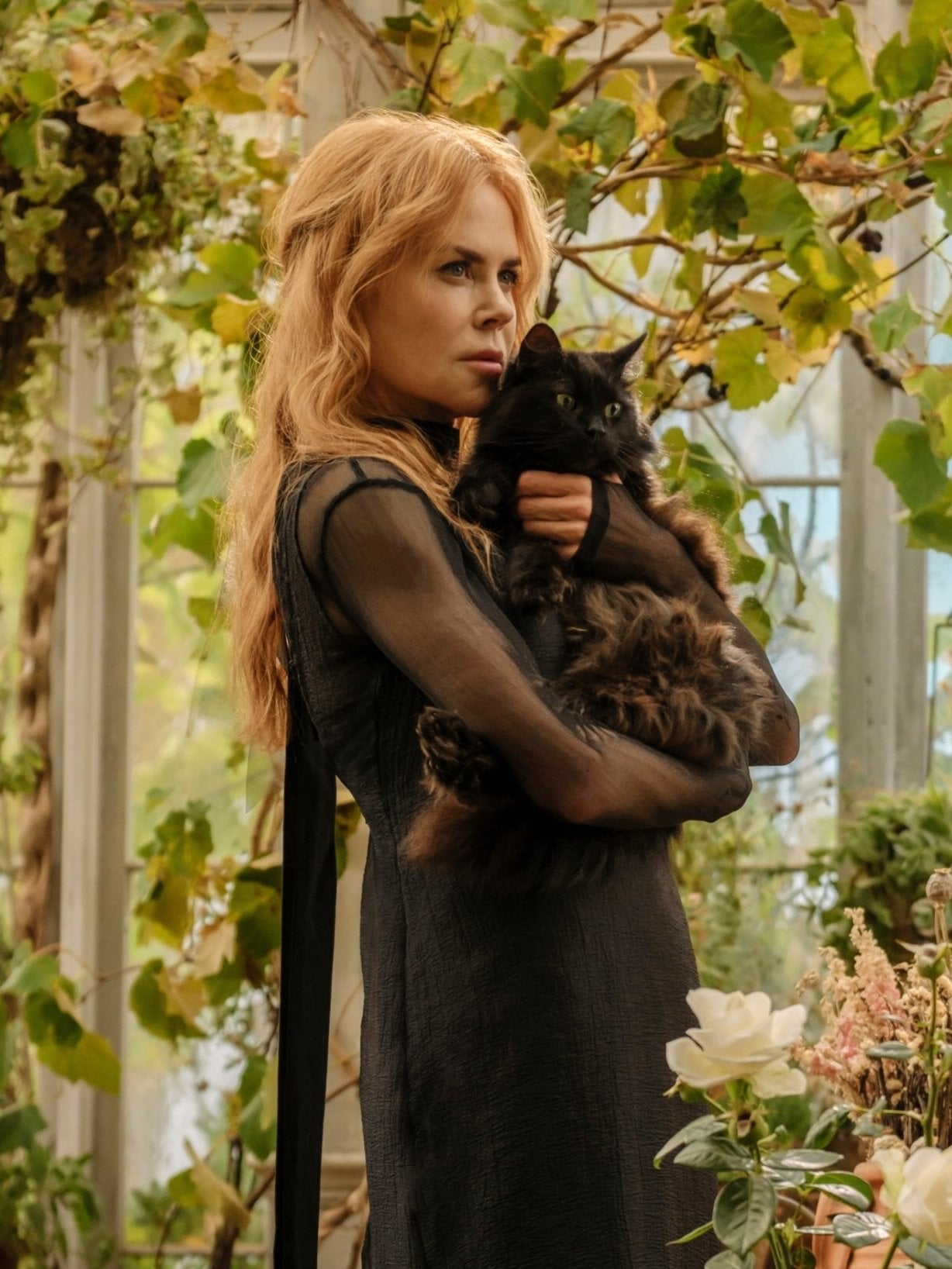
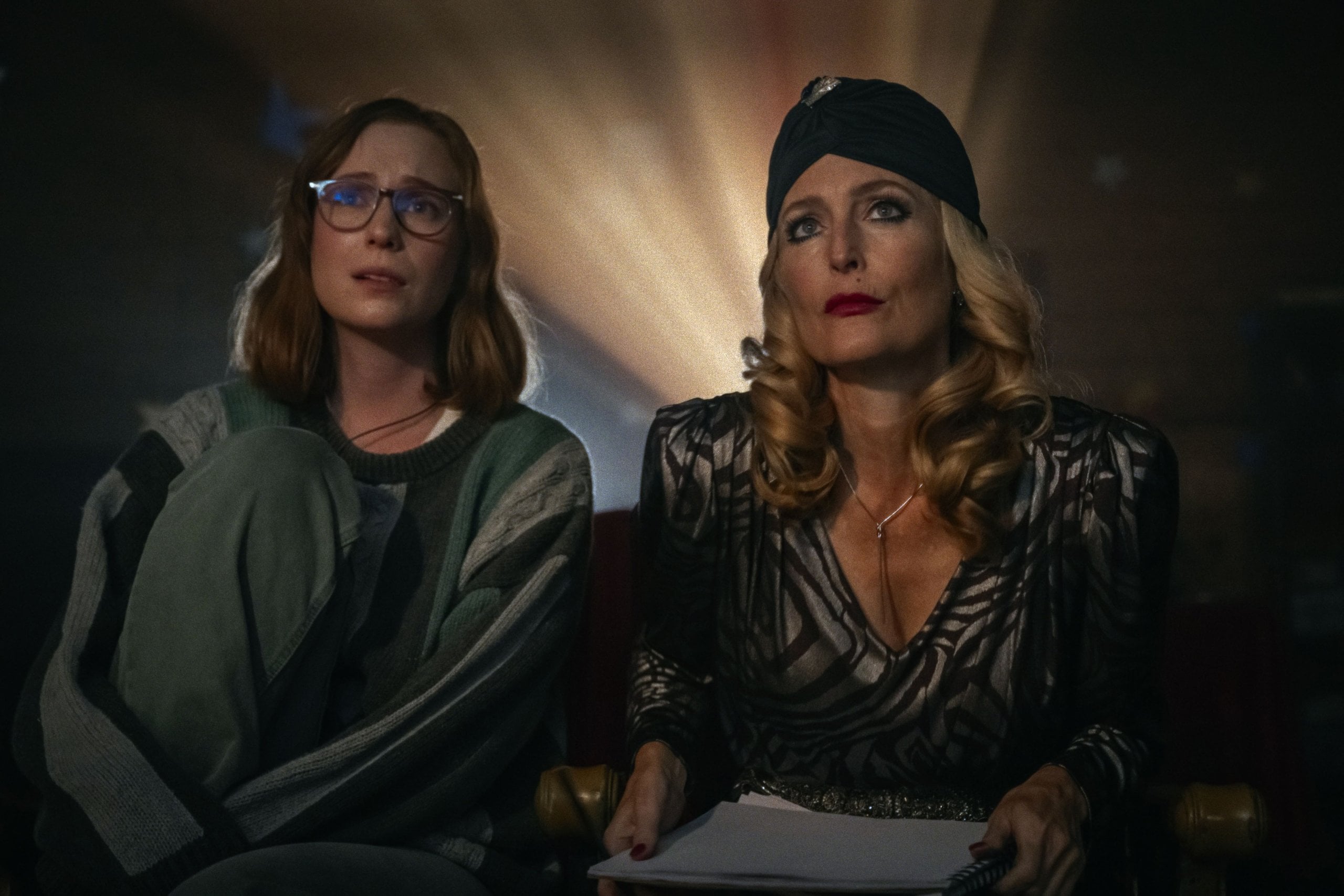
In modern times, Billy is fashioned around her home in silks, velvets, and furs. Anderson came to the fittings with inspiration from an exhibition in London featuring the mid-20th century designer Biba. “Some of it is literal interpretations of that as a reference and some of it is just vibes,” Terpenning says. “Fashion is very cyclical, so I took [inspiration from] the literal era of the early ’80s and the era where young Billy had her specific [traumatic] experience with the original Camp Miasma film, and then cyclically back to the era that was referencing to create this glamorous [aesthetic].” One of Billy’s most elaborate costumes is a purple pleated watercolored gown from the ’70s, accessorized with an originally built from scratch hat, dyed to perfectly match the dress.
Little Death’s Vinyl Suit
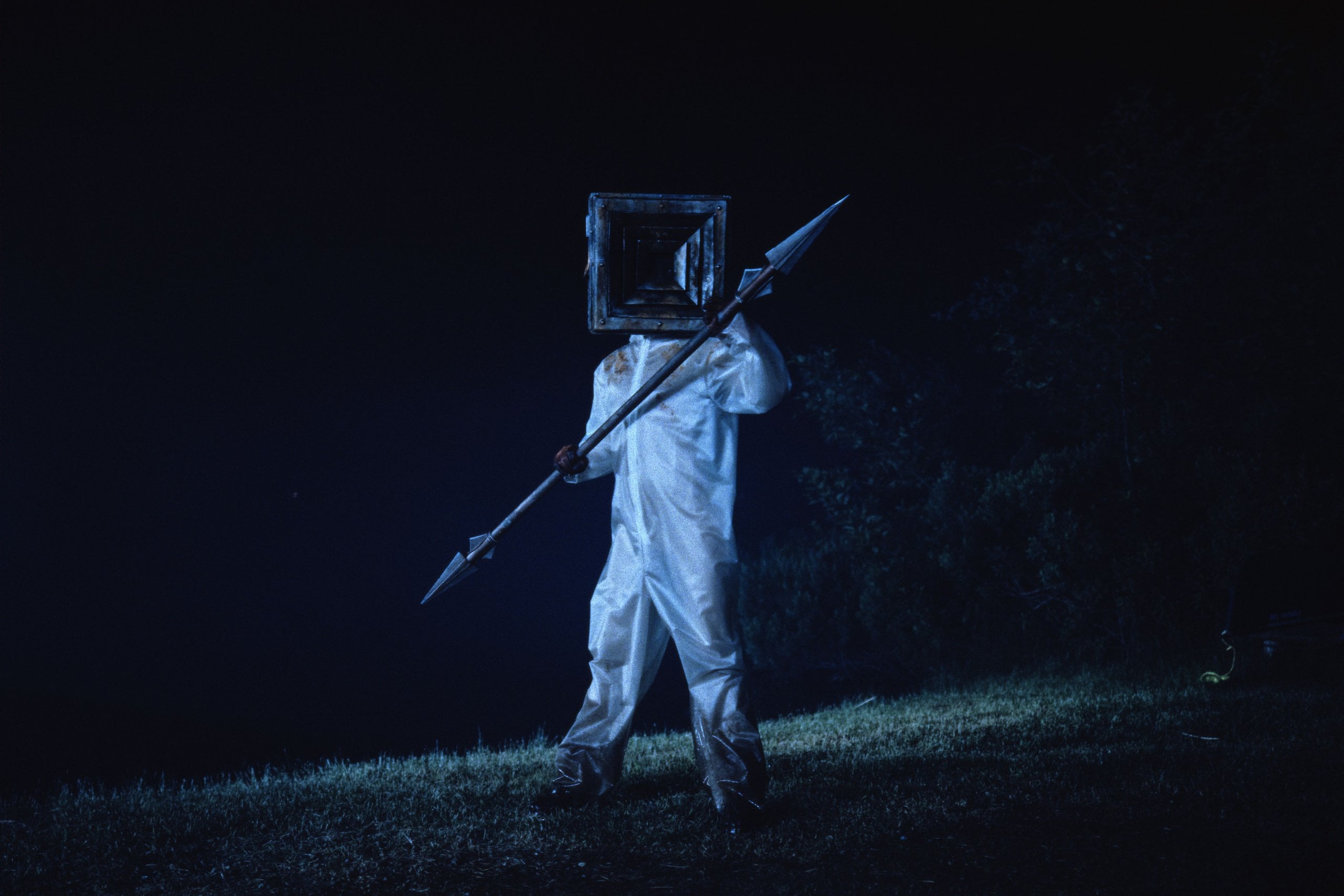

Little Death in "Teenage Sex and Death at Camp Miasma."
Mubi
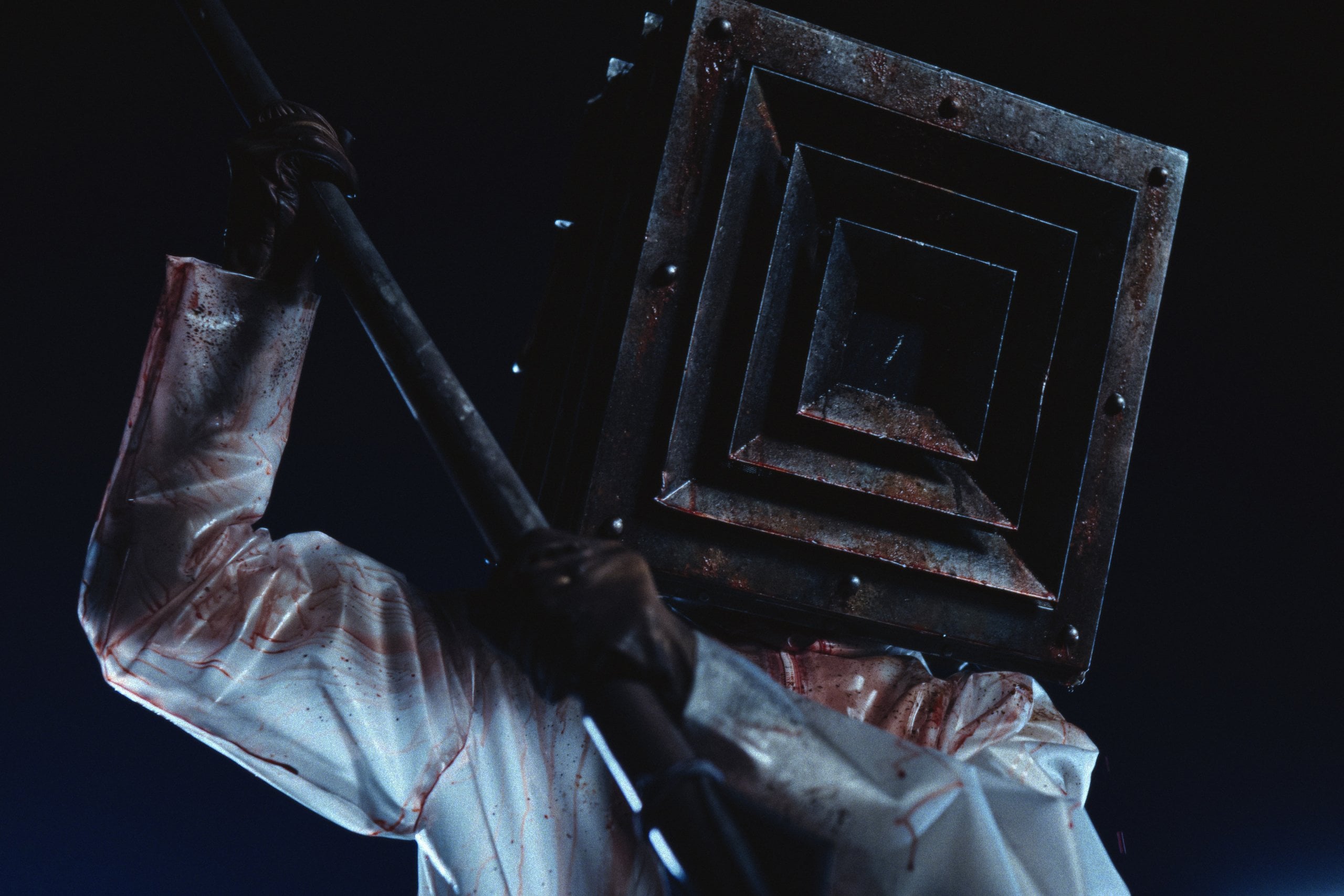

Little Death in "Teenage Sex and Death at Camp Miasma."
Mubi
Little Death in "Teenage Sex and Death at Camp Miasma."
Mubi
Little Death in "Teenage Sex and Death at Camp Miasma."
Mubi
The villain of the Camp Miasma franchise, Little Death, descends from a lineage of iconic slasher villains, including Jason Voorhees and Michael Myers. The character wears a geometric metal helmet designed to resemble an air vent, a feature described in meticulous detail in Schoenbrun's script. From the neck down, however, Terpenning was given the freedom to complete the look, landing on a white vinyl suit reminiscent of Patrick Bateman’s raincoat in “American Psycho.”
Little Death's origin story centers on being bullied for their gender fluidity, a backstory Terpenning sought to reinforce through the character's look in a camp flashback. “Little Death's half-boy, half-girl costume is clearly described as such [in the script], but the details of it being a prom outfit was me saying, what if there's this aspirational event in a young person's life that Little Death never made it to?”