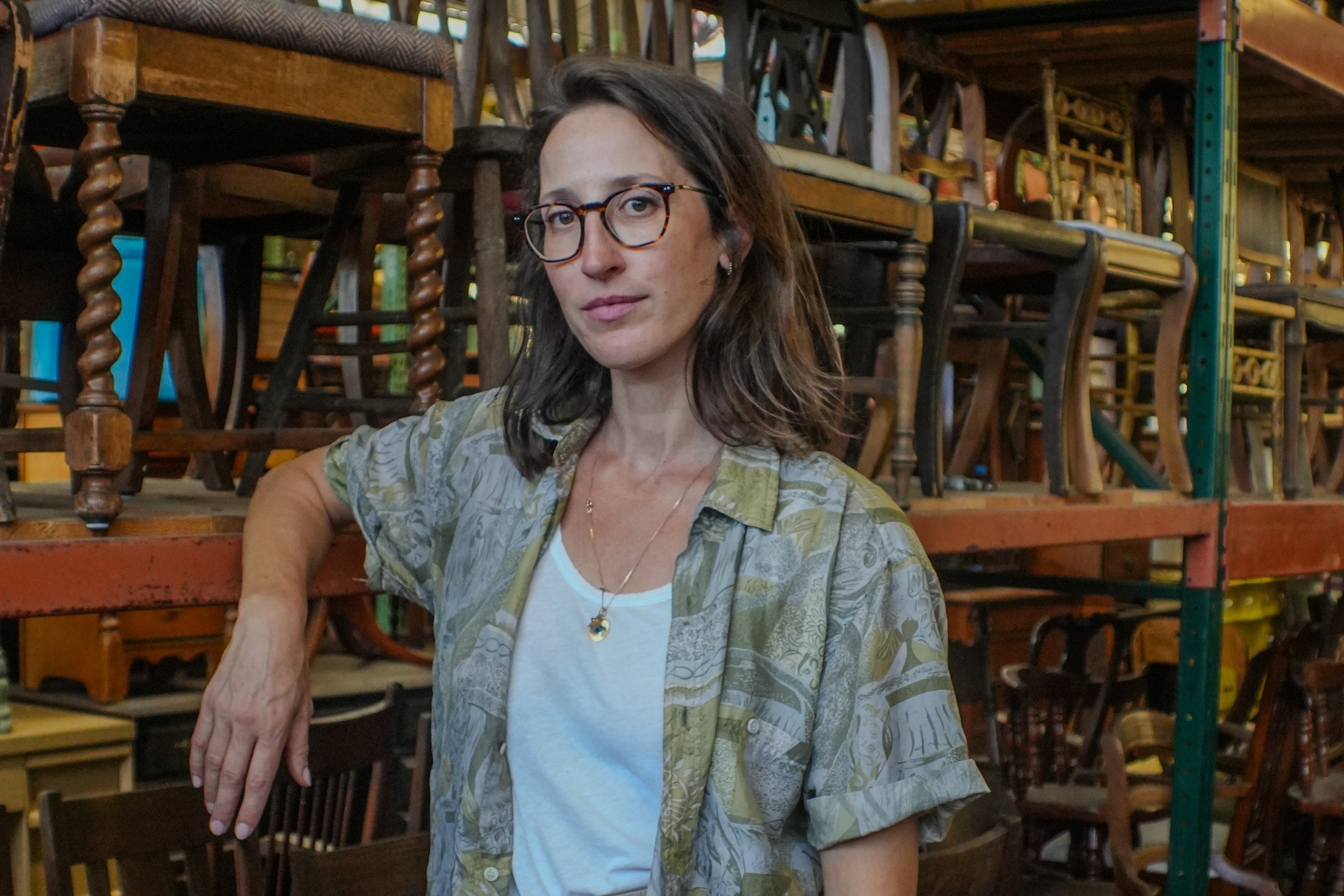
Production Designer Jade Healy Designs Disturbed Domestic Interiors
Interiors
TSS Creative
Jade Healy
Jade Healy talks us through the best hits of her filmography, from the bare-bones LA apartment that birthed the iconic "Marriage Story” meme to her latest work on Olivia Wilde’s “The Invite.”
If you ever find yourself in the position to welcome Jade Healy into your home, do so with the knowledge that all of your interior design decisions are subject to scrutiny and—if deemed interesting enough—might just be incorporated into the next Academy Award-winning film. Just ask her best friend, a new mom whose “I can't control a lot right now, but I can refurnish” coping strategy made it into Healy’s most recent film, “The Invite.”
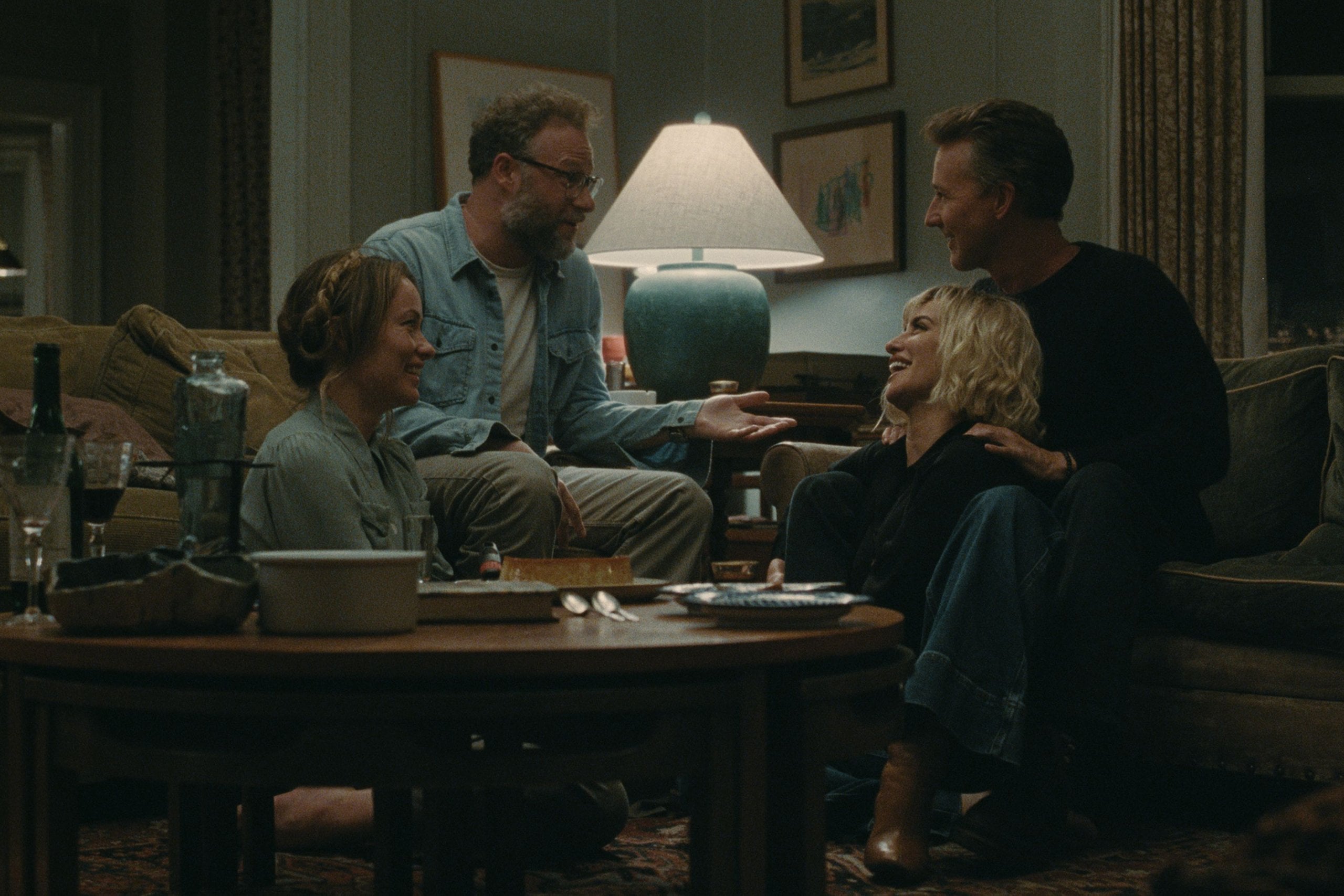

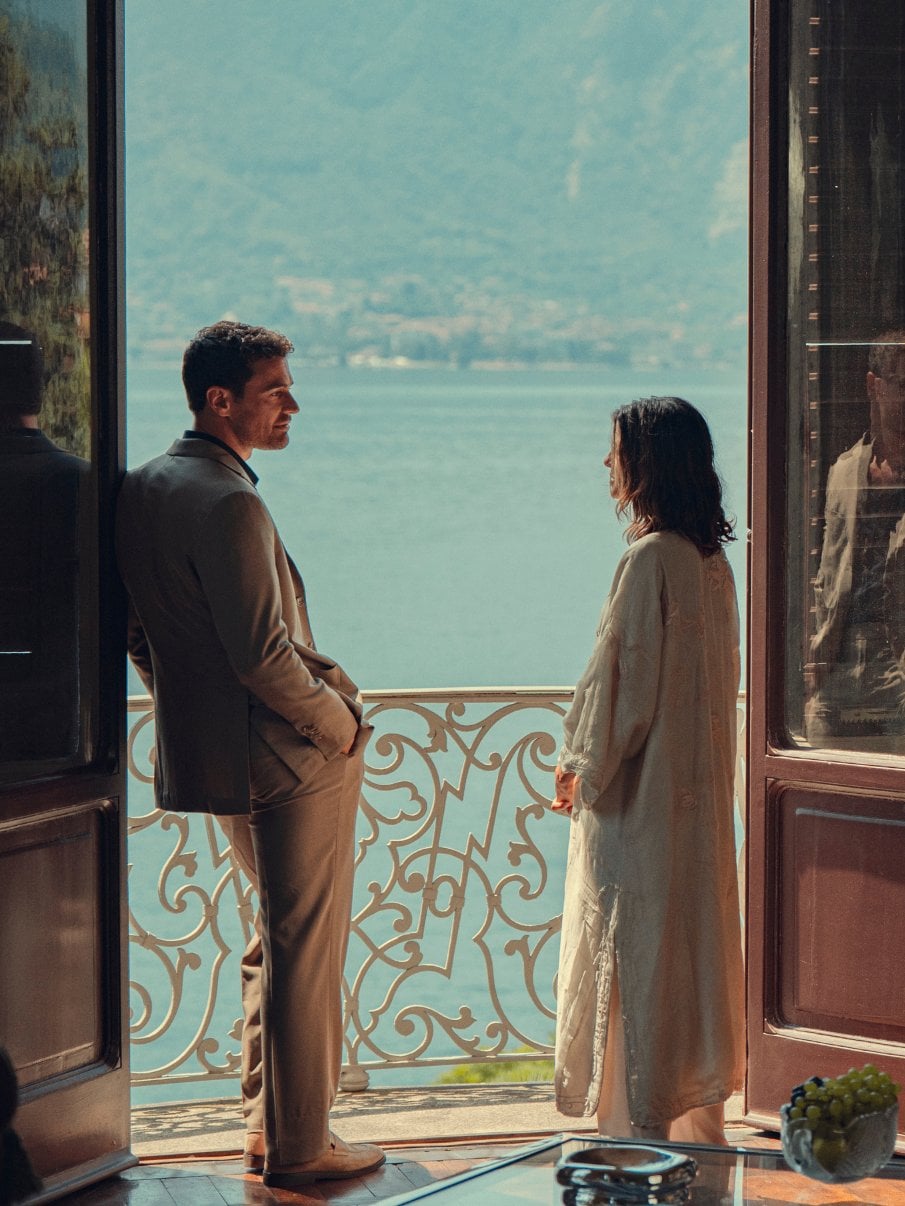
EDWARD NORTON, PENELOPE CRUZ, SETH ROGEN, AND OLIVIA WILDE IN "THE INVITE."
A24
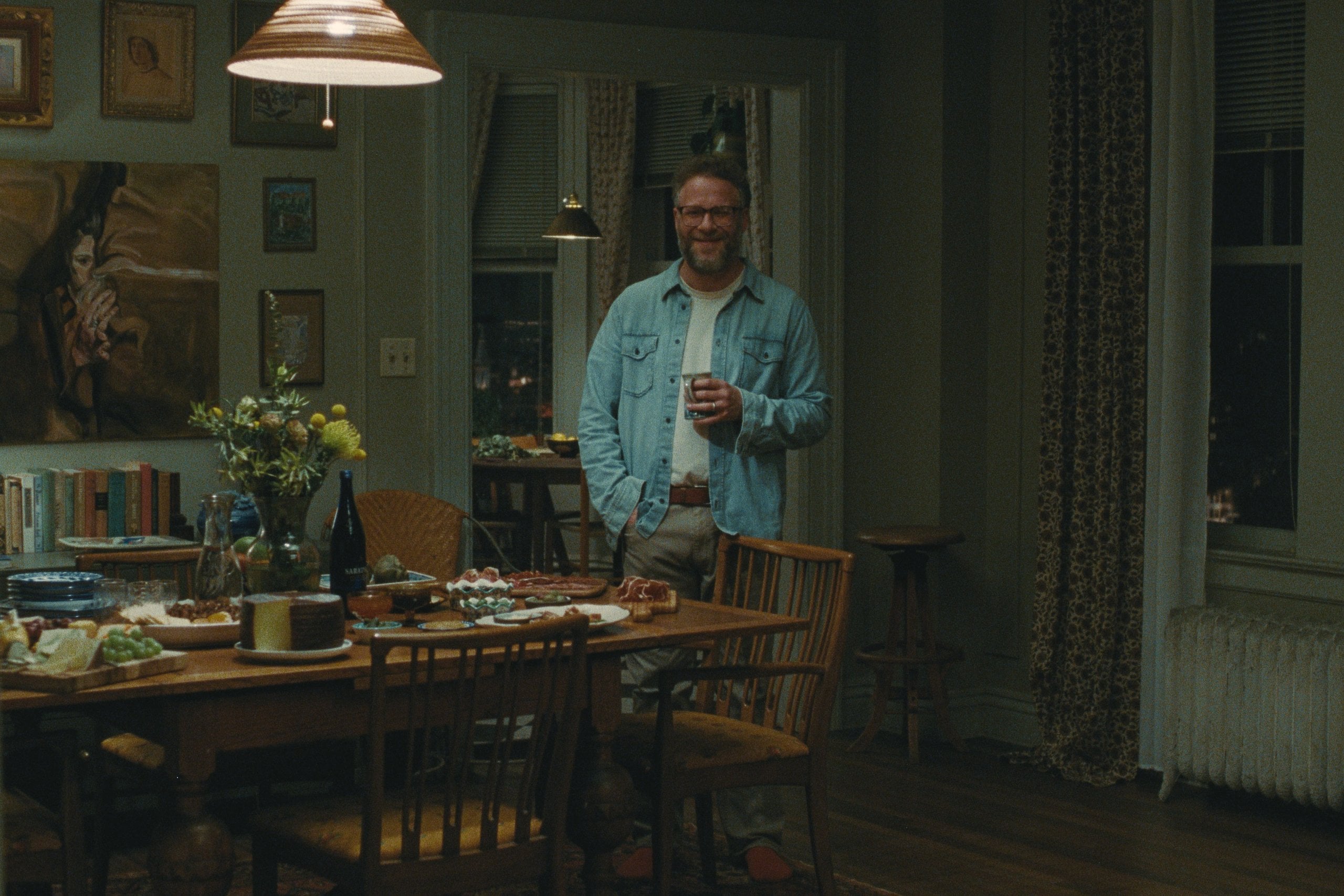

Seth Rogen in "The Invite".
A24
EDWARD NORTON, PENELOPE CRUZ, SETH ROGEN, AND OLIVIA WILDE IN "THE INVITE."
A24
Seth Rogen in "The Invite".
A24
While Healy has recreated everything from Camelot to Mister Rogers’ Neighborhood, the production designer’s calling card is the fractured domestic interior: an upper-middle-class patriarch forced to murder one of his kids in the living room, a sexless San Francisco marriage on the brink of divorce, and a bohemian New York City power couple already embroiled in one. Often, Healy pulls details from real life to make her characters' spaces feel more relatable. For “I Tonya,” Healy surveyed strangers’ wedding photos from the ’80s and ’90s on the internet to create a period-accurate aesthetic. “It's less about making [the space and details] beautiful; that's always something that I try to tamp down,” Healy says. “I find ‘ugly’ to be interesting. So ‘Marriage Story’ is a great example of finding beauty and interest in something that's really sort of just banal and boring.”
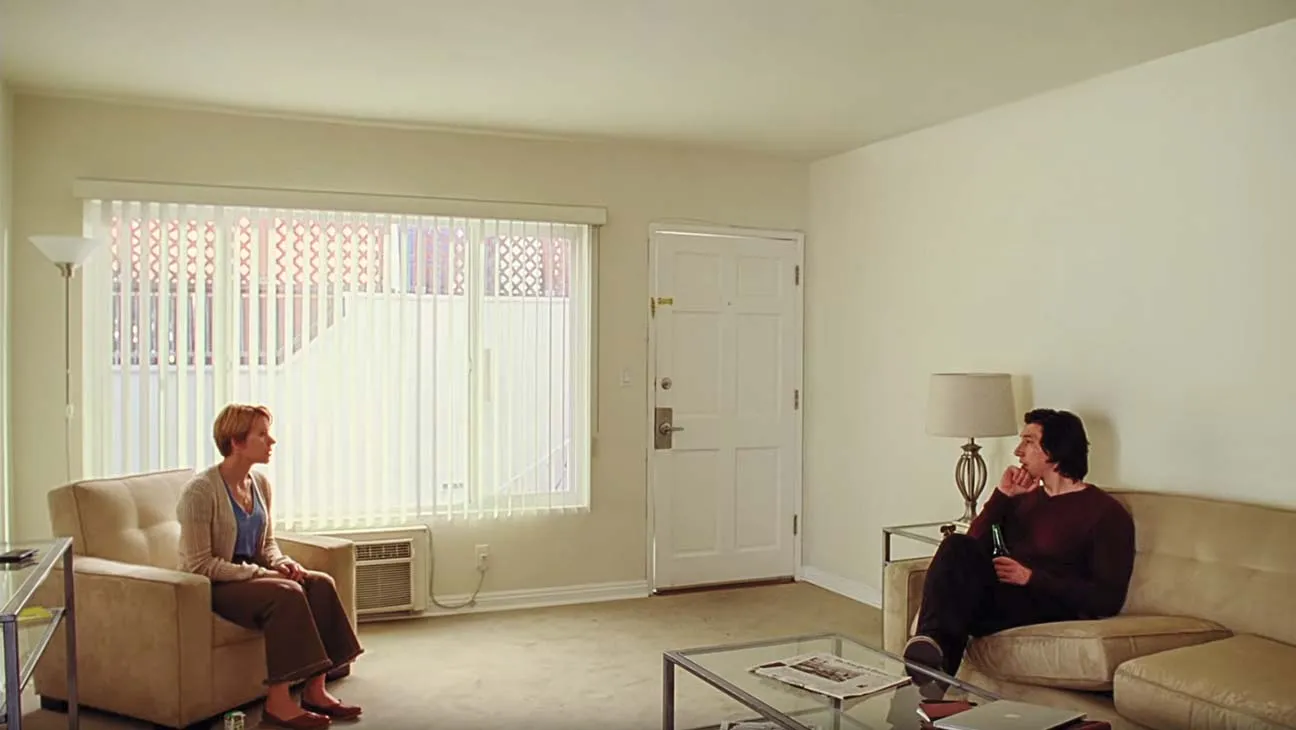

Scarlett Johansson and Adam Driver in "Marriage Story."
Netflix
When sourcing a location for Charlie’s (Adam Driver) Los Angeles apartment in the 2019 Noah Baumbach film, Healy went out of her way to make the most boring design choices possible. She aimed for “the minimum” degree of decoration that would be liveable, because a divorcé in denial wouldn't source vintage armchairs from the Rosebowl. Instead, Healy imagined Charlie sourced his furniture from Ikea or rental services that drop it off directly at your doorstep. “It's always important for me to stay honest and not just create something that's beautiful with really nice designer furniture if that's not correct for the character,” Healy says.
The production design aficionado got her start as a set designer on Ty West’s “The House of the Devil.” Honing her craft in the late aughts among a cohort of young millennial filmmakers in New York—including Lena Dunham, Greta Gerwig, and Noah Baumbach—she and her peer group of hungry mumblecore millennials “felt tapped into something new and different.” Using a minivan to transport heaps of furniture in and around the New York area, Healy furnished independent films on a shoestring budget. In the years since, her budgets have increased, but her love for thrifting, and mumblecore sensibility, remains. “It's hard for me to let go of being indie. I'm always like, ‘It's too expensive,’’’ Healy laughs.
Initially interested in cinematography, Healy’s attention to the frame can be seen (and felt) in every set that she constructs. In "Marriage Story,” a dividing wall in a bare-bones LA apartment breeds the choreography for the film’s most famous scene where Charlie and Nicole (Scarlett Johansson) yell at each other until they’re reduced to tears. Similarly, Healy looked for ways to literally separate Joe and Angela (Olivia Wilde) in “The Invite,” even as they occupied the same cramped space. “I need to feel like [the characters] can disappear somewhere, so the first thing I said to Olivia was ‘I’ve got to close off the kitchen and keep it separated from the dining room.’”
Healy’s production design straddles a delicate line between symbolism and realism, foregoing the pursuit of aesthetic perfection for something truer to life. “In real life, when people are renovating from a pre-war apartment, they're smashing things together, a closet's a little bit awkward [and] in the wrong place, and it's not perfect,” Healy explains. “So it's finding ways to not make it look perfect so that it looks real and it looks layered.”
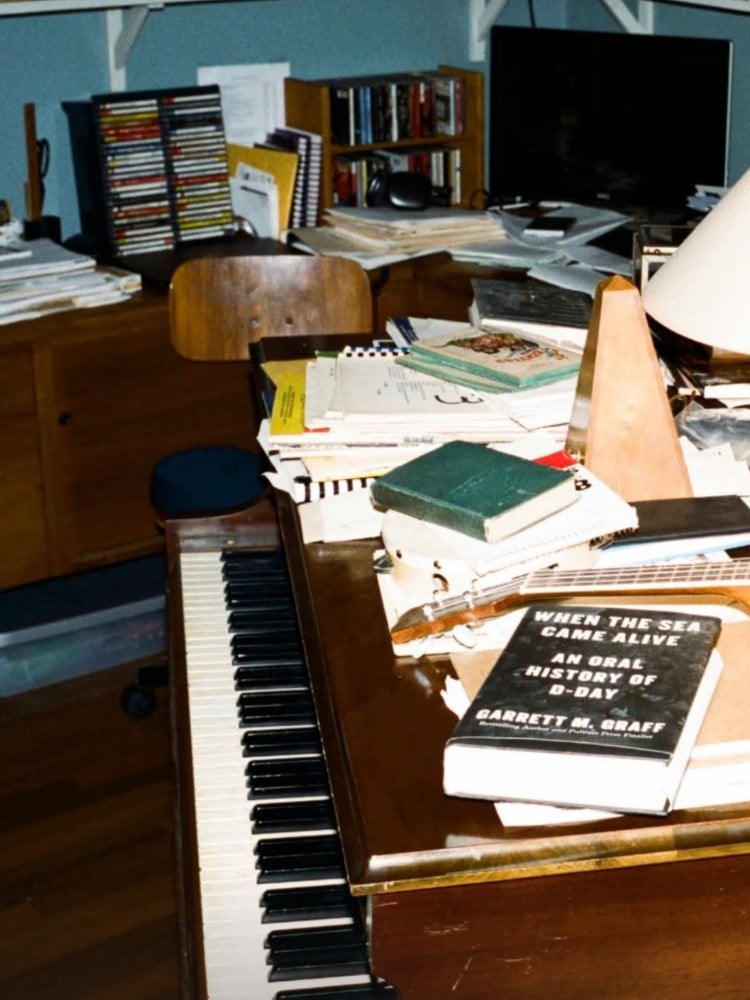

The set of "The Invite."
@jadeheals
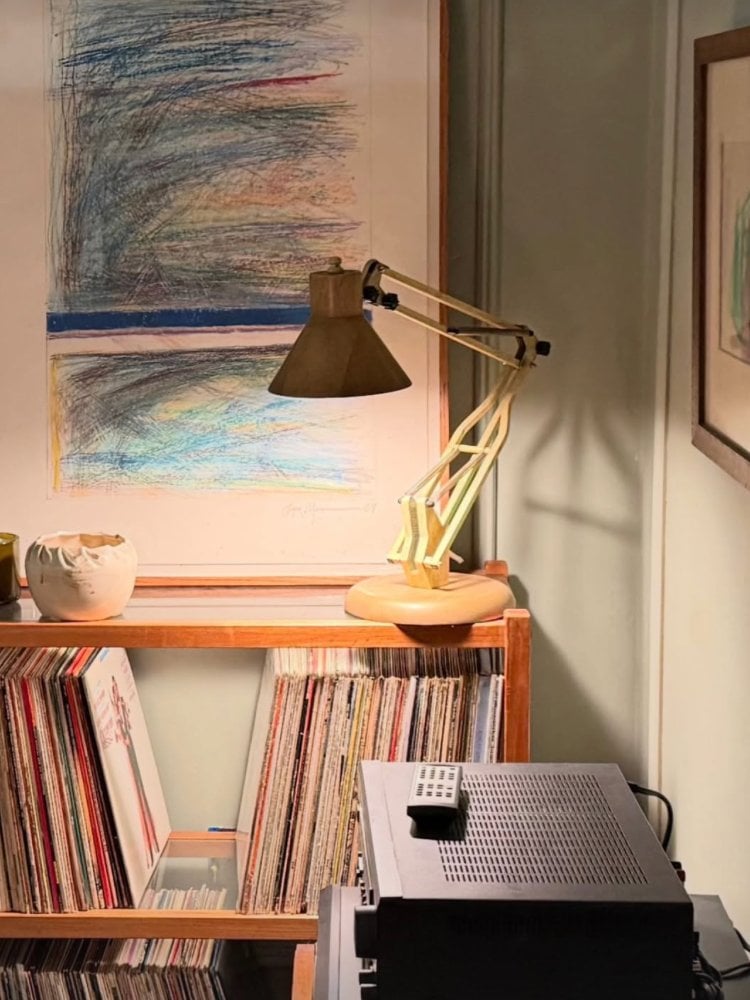

The set of "The Invite."
@jadeheals
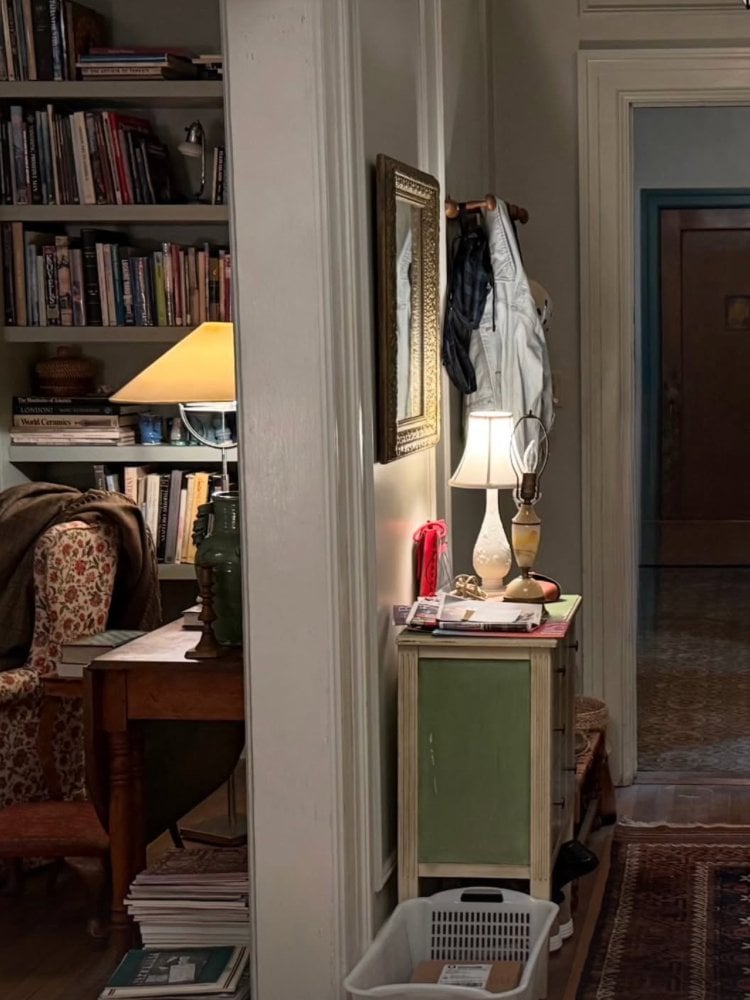

The set of "The Invite."
@jadeheals
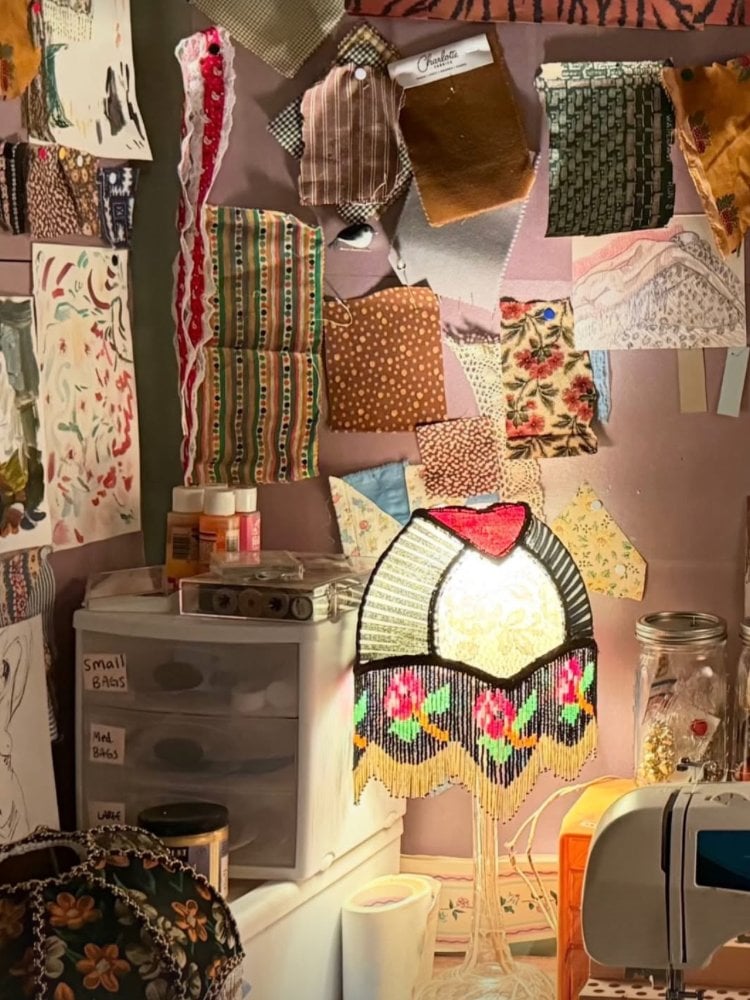

The set of "The Invite."
@jadeheals
In “The Invite,” Healy strived to create a space that rings true to Angela’s character: a bohemian perfectionist on the cusp of perimenopause. And while many of the character’s home furnishings were sourced from various vintage warehouses in Los Angeles, she even designed a few herself. “One day I sat down at the dining room table and was trying to be Angela,” Healy says. “So I did a lot of some of the drawings that are up on the wall.”
Healy constructed the apartment with the knowledge that Angela wanted to present a façade of harmony. “[Angela] doesn't really want to look deep down to where she's unhappy, so it's all the façade of beautiful art, beautiful furniture, but the mirrors and the windows are the portals into figuring out our characters.” In another one of her projects, “The Killing of a Sacred Deer,” Healy highlighted the subtle disturbances behind a seemingly utopic, domestic setting to yield an entirely different result, in keeping with the horror of the film. “It was finding the sense of ‘what is the happy home supposed to look like,’ but then inserting that feeling of intentional awkwardness and coldness,” Healy says.
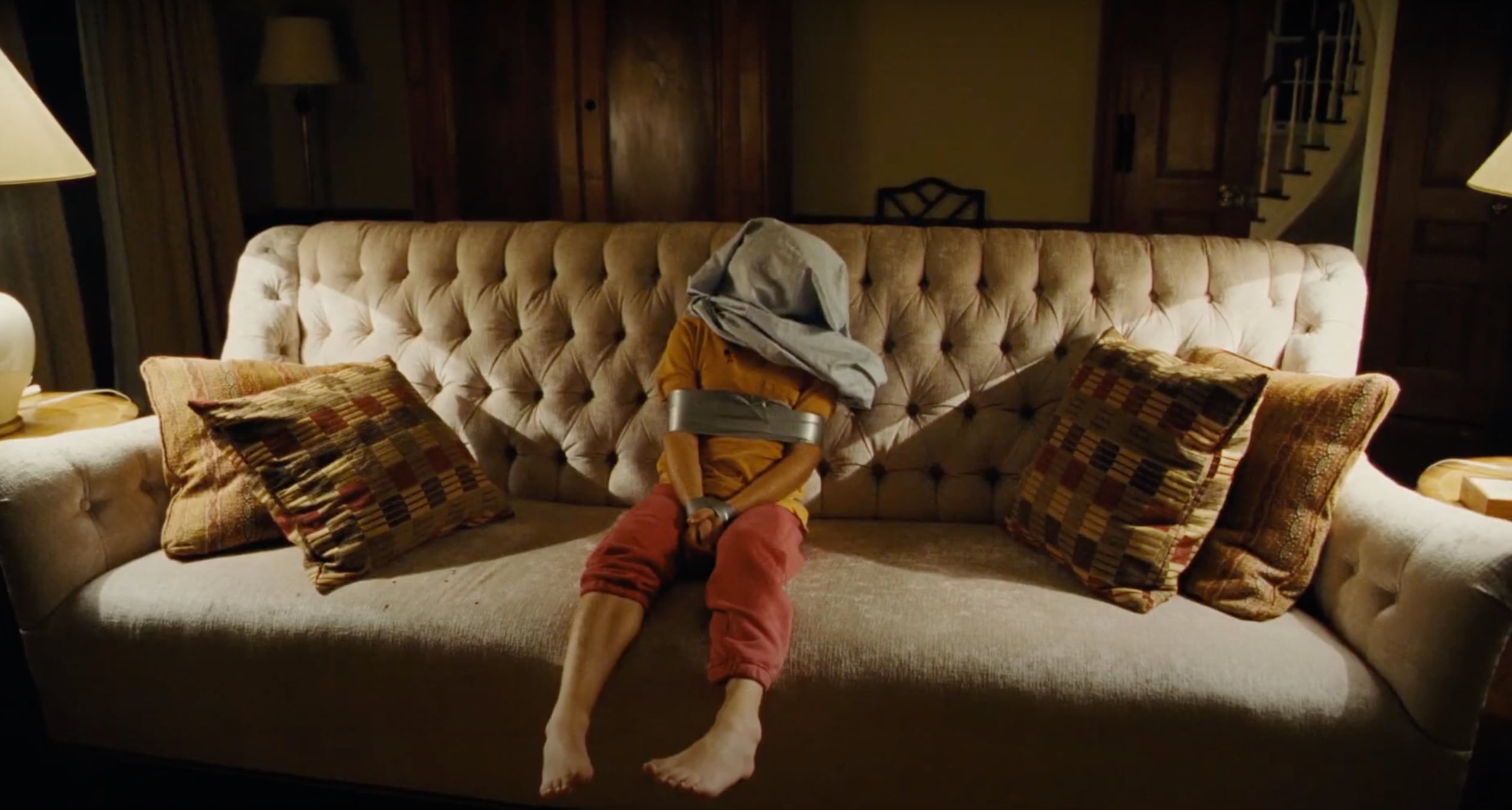

Sunny Suljic in "The Killing of a Sacred Deer."
A24
Rather than dissect the psychology of each character in the dystopian Lanthimos universe, she worked towards building an overall tone and feeling in the film. Healy credits the unsettled end result to finding the right color palette, “cold, beige, muted.” As she says, “‘The Killing of a Sacred Deer’ is a perfect example of the opposite of every other movie I've done, because the way [Yorgos Lanthimos] tells stories is different.This is a story that makes no sense in reality, so [it required] creating spaces that felt almost fragile, that at any moment you could pierce [them] and they would shatter."