
All of the Bone-Chilling Decor Details You Might’ve Missed in ‘Hokum’
Interiors
Transforming an 1860s manor into a hotel of horrors took more matcha powder than expected. Read on to discover production designer Til Frolich’s meticulous approach to building the disturbed world of “Hokum.”
In the latest horror film to tackle the haunted hotel trope, “Hokum,” every room of The Bilberry Woods Hotel functions as a living, breathing character. This is due in no small part to Til Frolich, the film’s production designer, who considers his work successful when audiences “don’t really notice” it.
Frolich began by grounding his storyboard in the on-location setting of The Bilberry Woods, a Macintosh-style estate in West Cork. Built in the 1860s, the private residence belonged to a wealthy British family with ties to the then emerging steel industry. His team built around the existing architecture, seeking to only fill the necessary plot points and blocking while honoring the on-site location. “The arches, circular windows, woodwork, moldings, complimentary colors, [were all] heavily influenced by the space that we got, so rather trying to force our hand onto this wonderful location, Hollybrook House, we tried to work with it and then take that design as our template,” Frolich said.
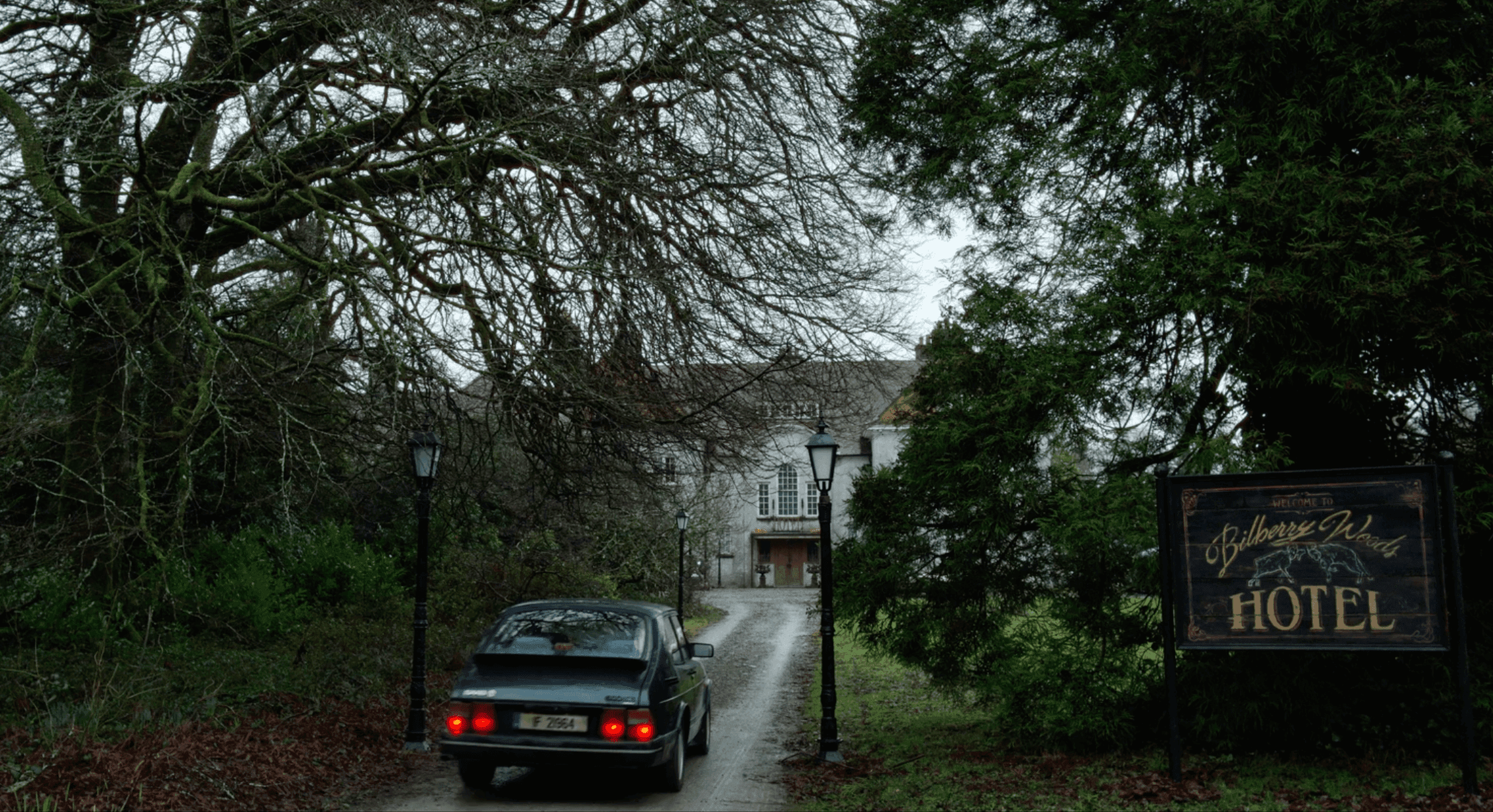

The Bilberry Woods hotel in "Hokum."
Neon
The horror of The Bilberry Woods Hotel is largely predicated around a boarded-up Honeymoon Sweet, where Bauman finds himself trapped for the latter half of the film. Upon his first tour around the estate, Frolich was struck by the estate’s intricate woodwork, including “beautiful wooden inlaid boards” that were originally shipped from Staten Island. In his renovation processes, he kept the wood finishes and moldings as an ongoing redwood motif throughout the hotel.
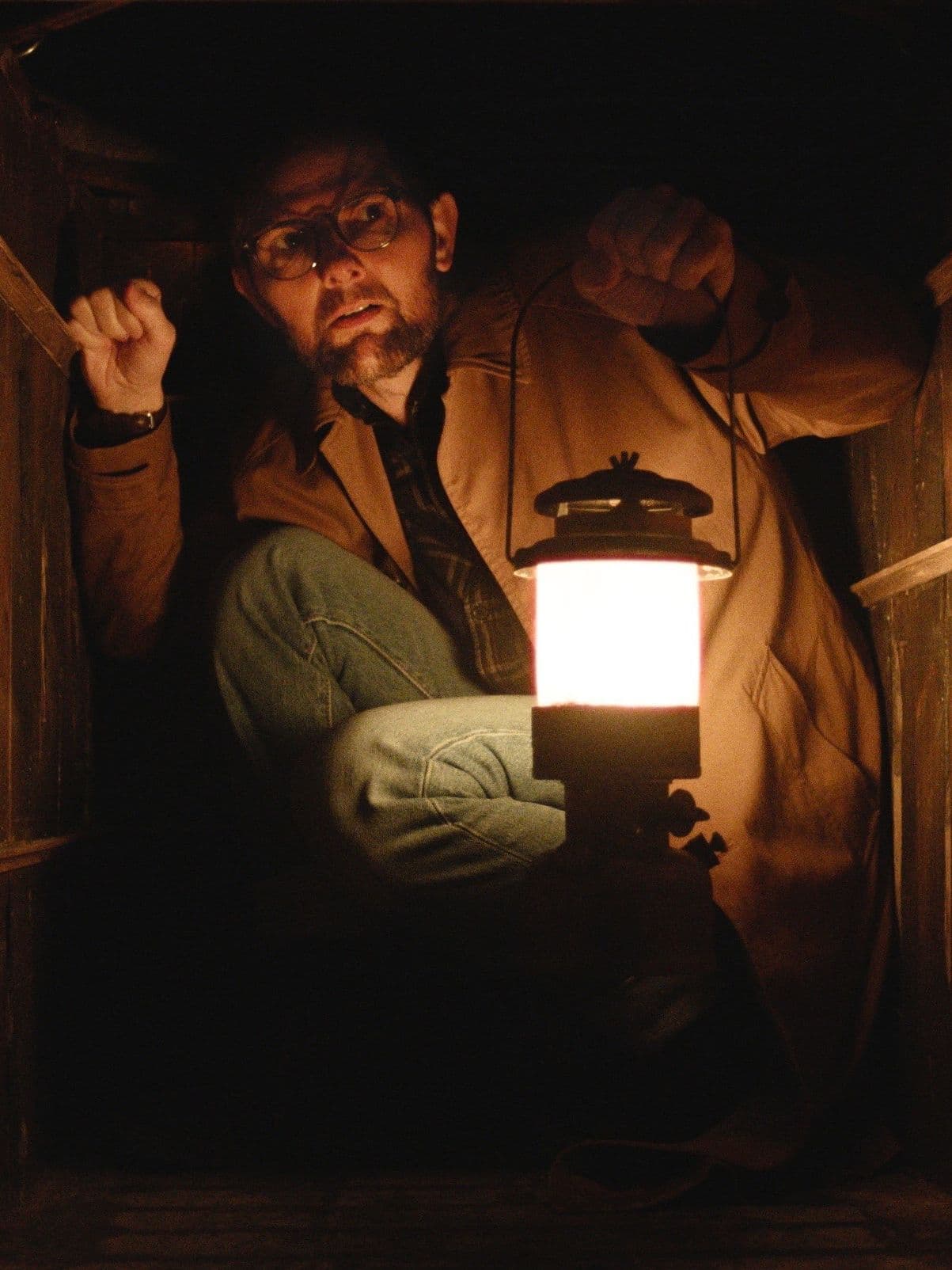
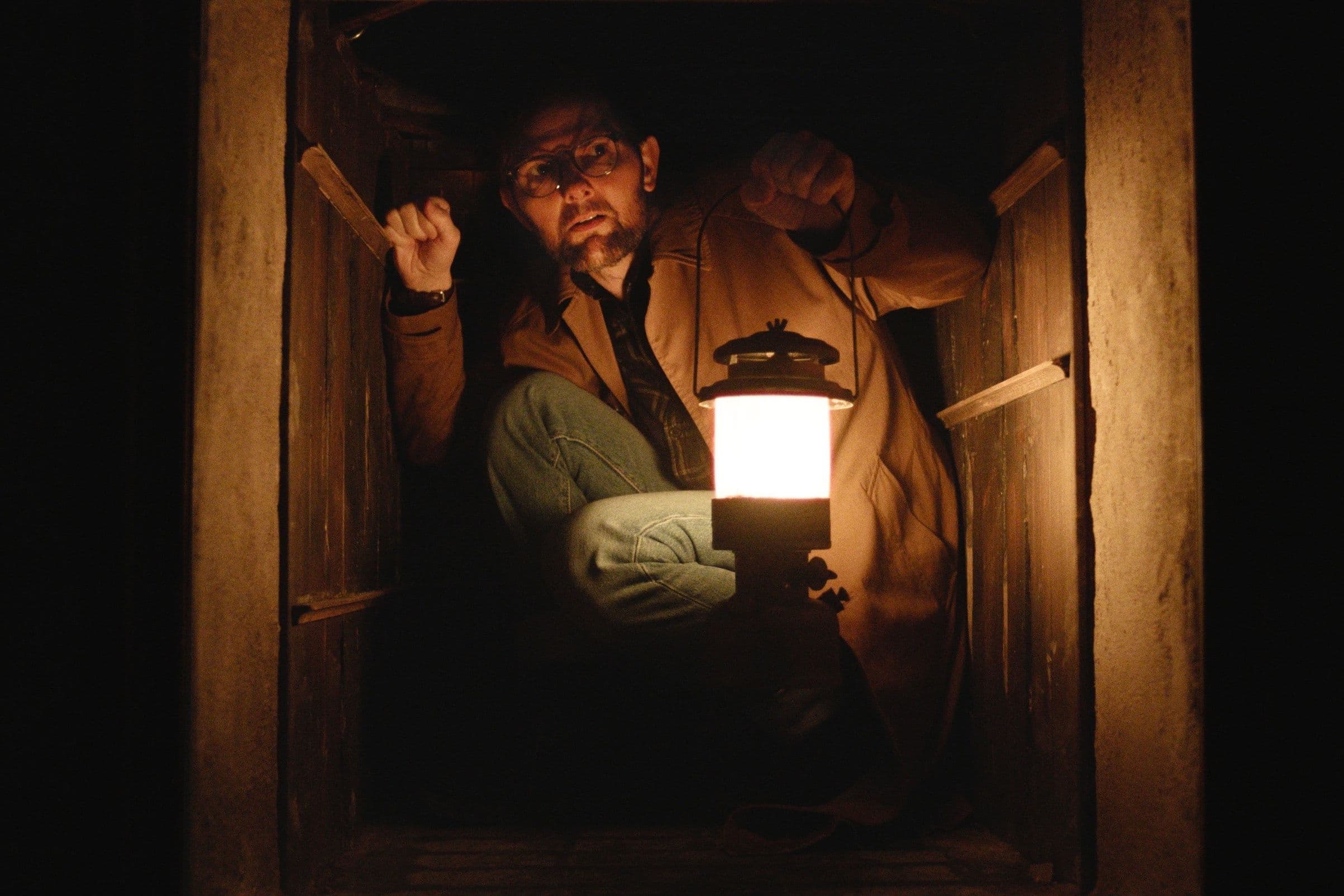
Within the Honeymoon Suite, the cozy, previously established publike aesthetic of the hotel’s lobby is thrown out the arched window. Instead, the suite’s Alice In Wonderland wooden timepiece, large porcelain bathtub, and eerie canopy bed transport the viewer to a bygone era. “We made the set a lot bigger than you would normally, and that was partially to make [Bauman] feel a little lost in there, to make it a bit more terrifying, but also for the practicality of having a whole shoot in there for three weeks so that [Scott] could work in there well,” Frolich says.
In one of the film’s more terrifying scenes, Bauman falls into a vat of brown in the suite’s resting tub. The tub was inspired by a 1980s Honeymoon Suite in vegas, while being sourced from a nearby farm. “The bath was funny because we couldn't find a real one that fit so we actually got an old tub from a farmer's yard for feeding cattle and we fitted it in there,” Frolich says. The day before shooting the scene where Bauman falls into the tub, Frolich workshopped the color to get a substance that looked muddy without tasting foul, landing on a combination of matcha powder and coffee. “I must have looked like a mad scientist. I had a big stick, and I was just mixing it up myself the night before,” Frolich says.
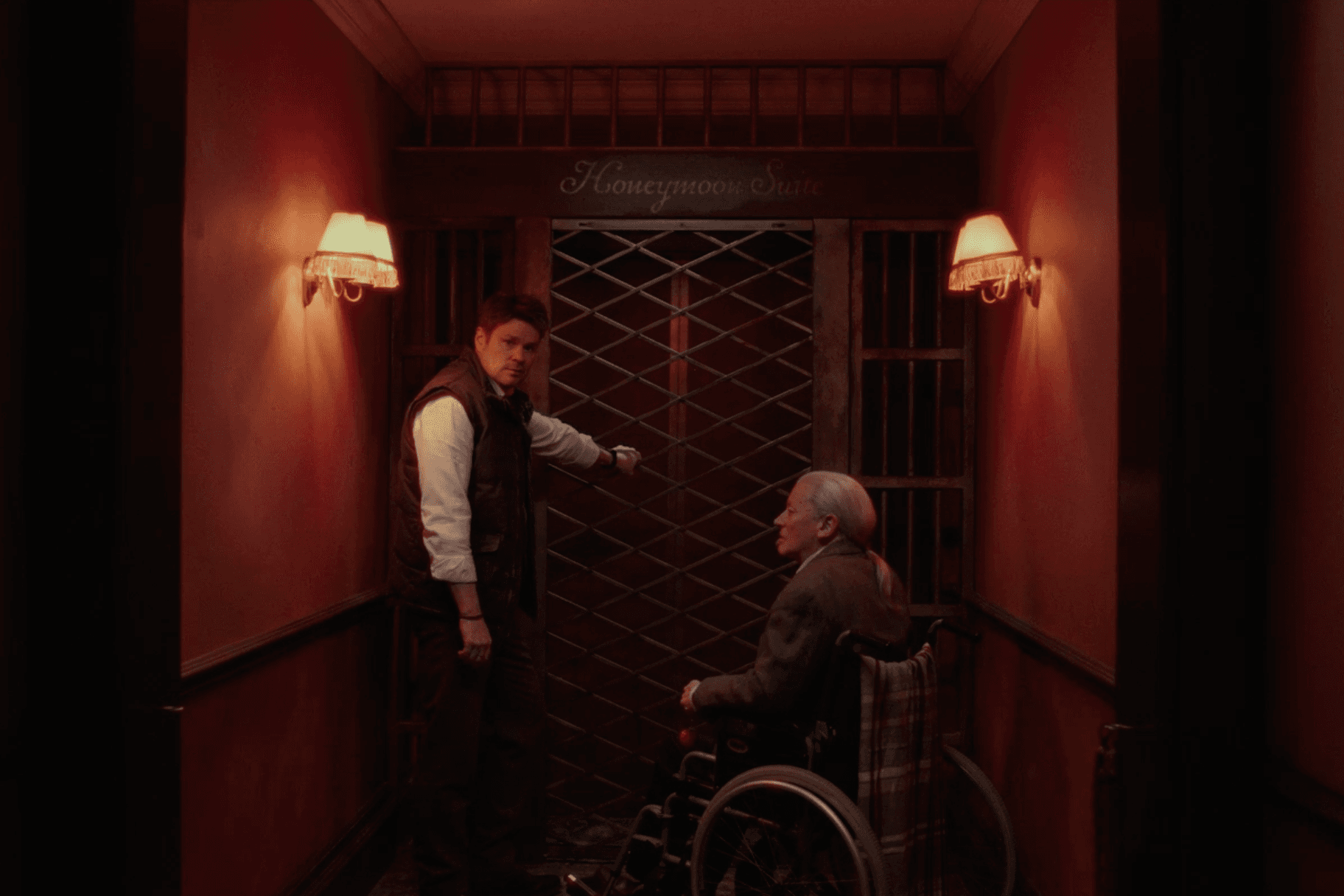

The set of "Hokum."
Neon
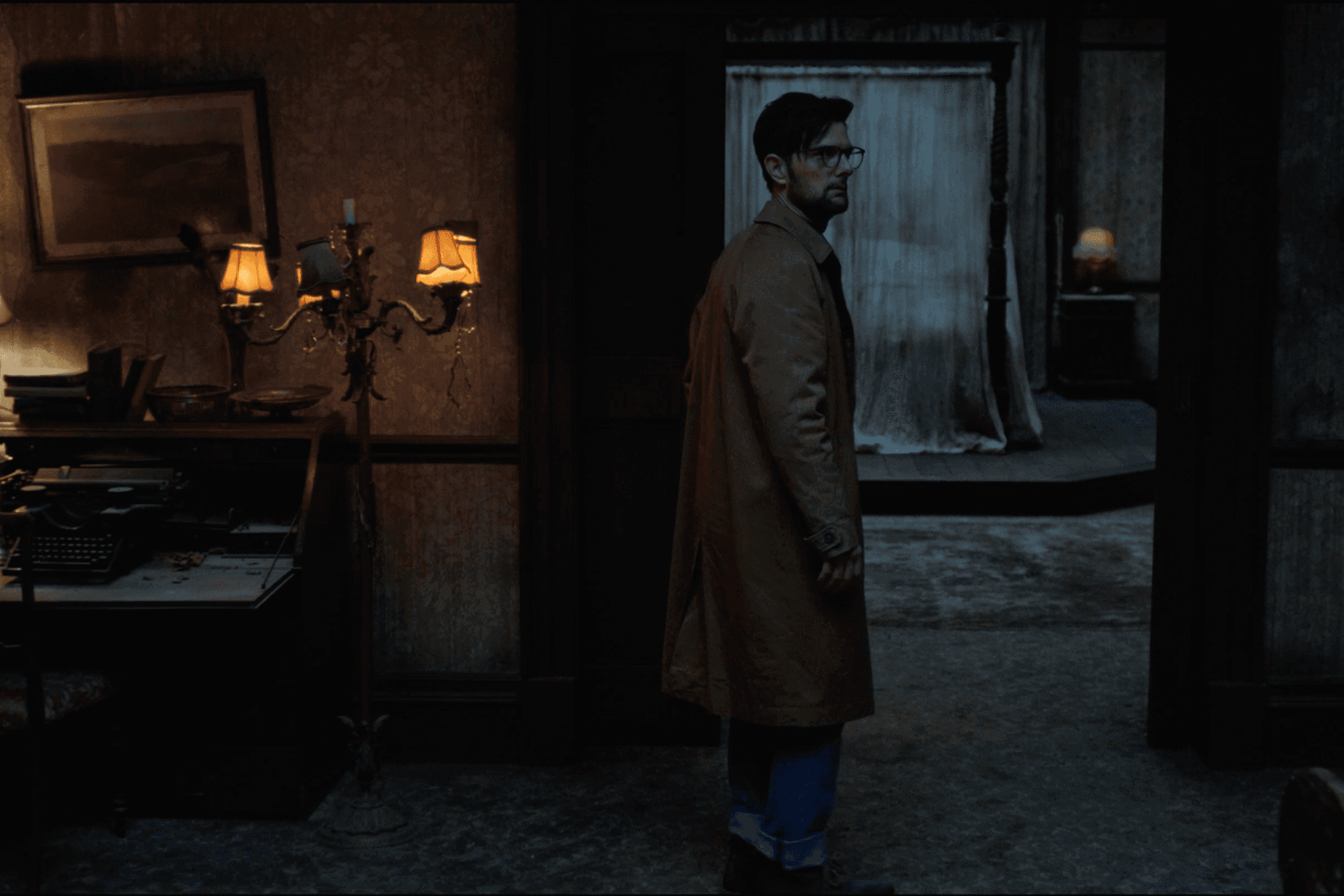

Adam Scott in "Hokum."
Neon
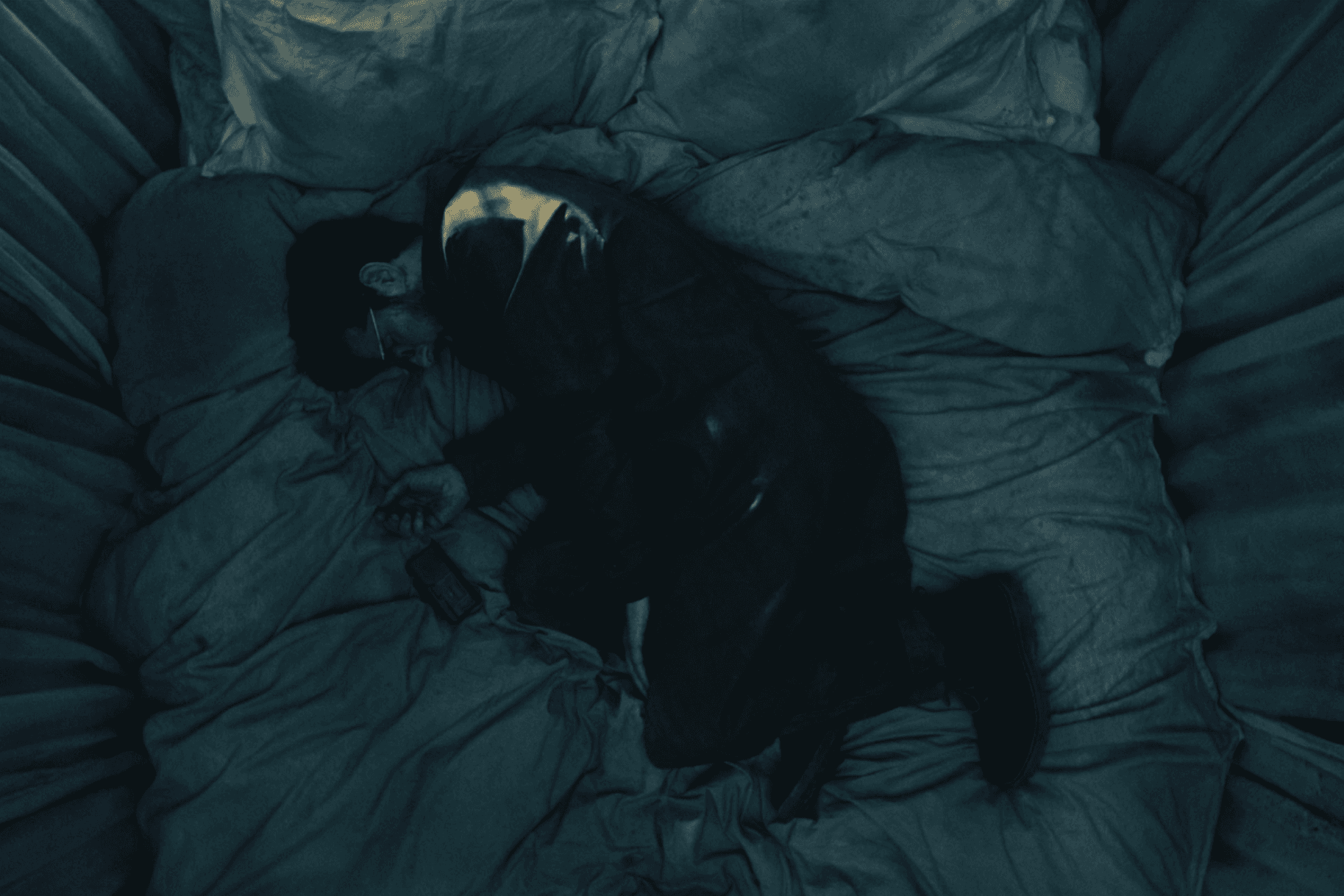

Adam Scott in "Hokum."
Neon
In Hokum the horror is twofold. There is the haunted Honeymoon Suite and its disturbed, pitch black basement. Functioning as a time portal untethered to any specific decade, Frolich opted for a 15th century castle in west cork as the shooting location. Frolich describes the basement as more “pagan and folklore” while the Honeymoon Suite was constructed to emulate a sort of “creepy kind of 60s weirdness.”
When it comes to horror, Frolich avoided any wall paper or furnishing that read too recent. “When you're not too careful, [horror sets] can end up just looking a bit silly,” Frolich says. “So it's always trying to balance [the set] with a sense of realism. How would the carpet age? How would the layers of paint go on?” In the case of “Hokum,” Frolich’s pursuit of realism required adding 15 layers of paint to the walls of the honeymoon suite to create an “oily and damp” texture that peels back previous layers of paint and allow “weird reflections” to appear on the wall.