How John Galliano and Comme des Garçons Informed The Regency Era Costumes Of ‘Sense and Sensibility’
Fashion

Fashion
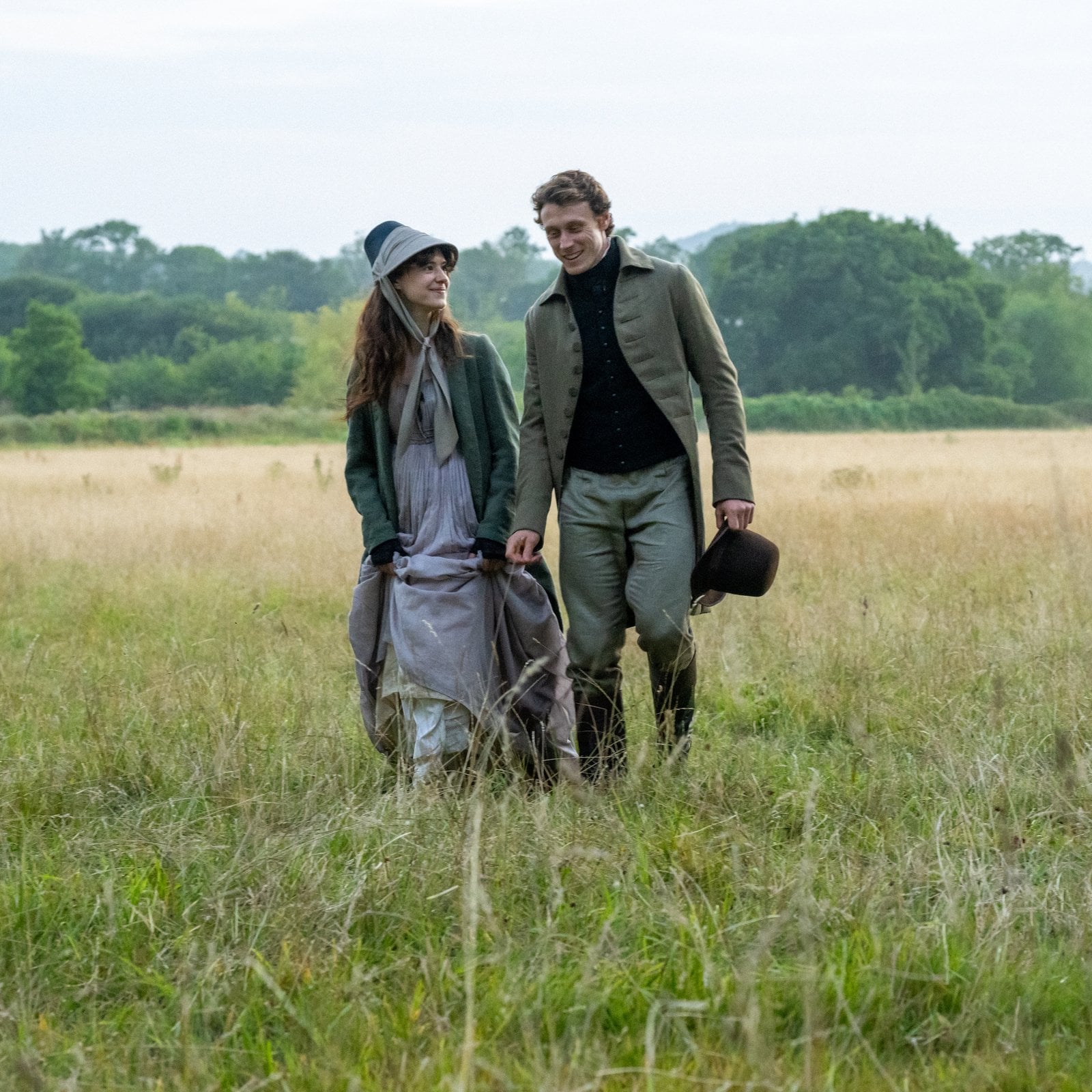
Costume designer Grace Snell incorporated high-fashion styling cues into Elinor and Marianne’s Regency wear without betraying the Austen-era.
When it comes to adapting period fiction for the screen, costume designers usually occupy one of two camps: an accurate-to-the-stitch approach based on meticulous historical research, or a modern reinterpretation of periodwear that privileges character over historical accuracy (think Jacqueline Durran’s “Wuthering Heights”). In Georgia Oakley’s new adaptation of “Sense and Sensibility,” costume designer Grace Snell combined the best of both approaches, styling period-accurate constructions with contemporary references. “I’m emotionally led, so I will take historical references as long as they serve the story and if there is a little tweak I need to make that isn't period-correct, I would have made that to carry the emotion,” Snell tells The Set Set.
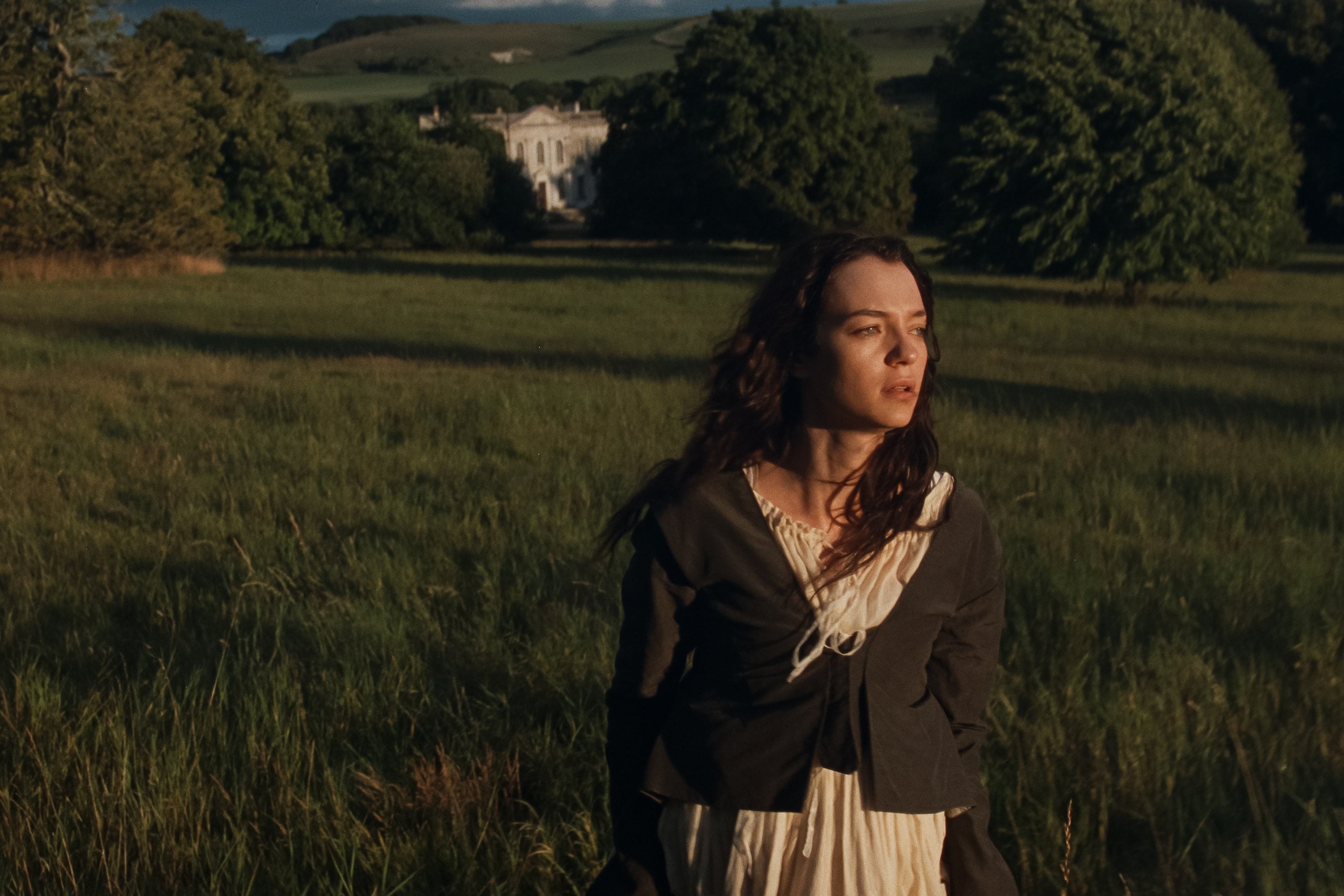

Esmé Creed-Miles in "Sense and Sensibility."
Focus Features
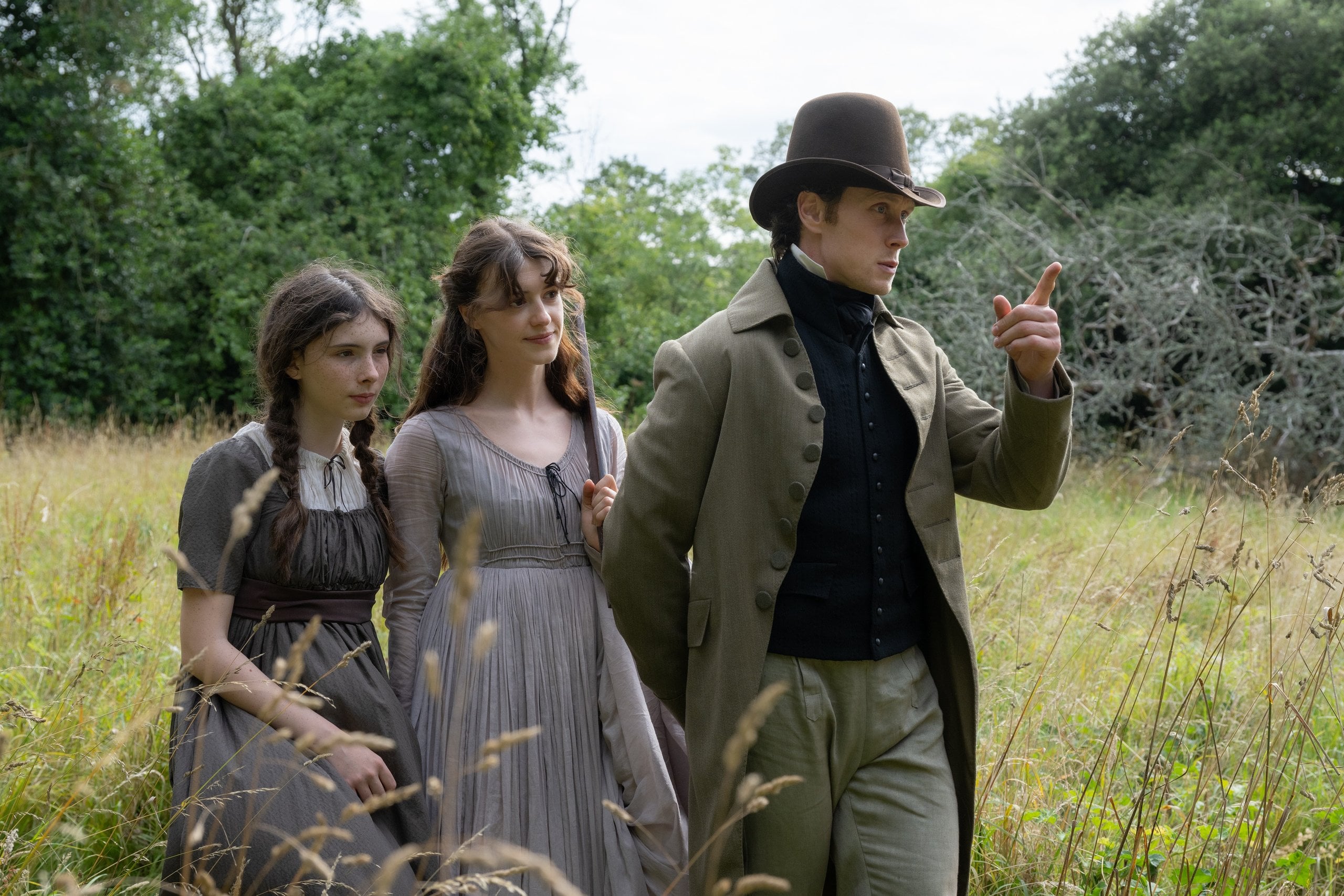

Esmé Creed-Miles, Daisy Edgar-Jones, and George MacKay in "Sense and Sensibility."
Focus Features
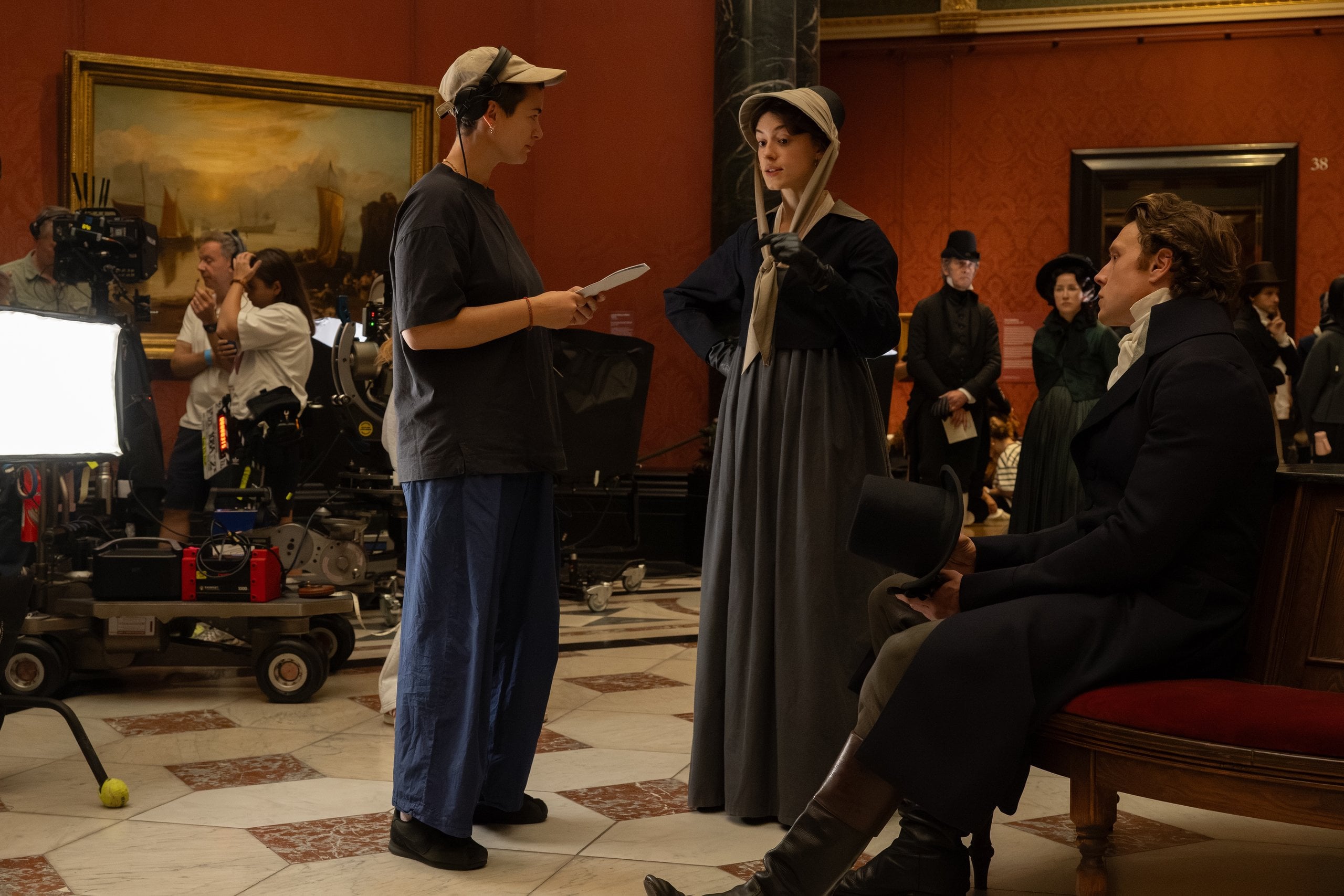

Daisy Edgar-Jones behind the scenes in "Sense and Sensibility."
Focus Features
In keeping with the original Jane Austen novel, Oakley’s adaptation takes place in late 18th-century England, just predating the Regency era. Rather than target a specific year for reference photos, Snell pulled from a broader and chicer range of inspirations available on Pinterest, in addition to her extensive photo research at the Rotherhithe Picture Research Gallery in London. “Regency fashions have become quite concentrated and I wanted to open up the world a bit wider with some unusual research and more modern references as well,” Snell says. One such reference was John Galliano’s 1986 ‘Fallen Angels’ runway show, where models were drenched in water to create the effect of draping wet fabric against skin resembling classical resin statues—the same concept behind Kendall Jenner’s 2026 Met Gala gown. When one of the film’s leading ladies, Marianne (Esme Creed-Miles), is rescued by her love interest after slipping during a rainstorm, she wears a lightweight white gown resembling Galliano’s statuesque silhouettes that turn transparent when wet.
From a costuming perspective, Snell believes that the best way to make period characters relatable to modern audiences is to imbue them with personal style. “It's slightly undone, it's slightly mismatched or not styled in such a particular way and not so color coordinated,” Snell says of Marianne’s eclectic and mood-dependent outfits. At the Winter Ball, Marianne wears a simple dress inspired by the Grecian age as a nod to the character’s appreciation for art history. On a day-to-day scale, Snell drew Marianne’s layering inspiration from Yohji Yamamoto’s ’80s and ’90s catwalks, which showcased masterfully layered jackets, scarves, and wraps.
Snell took further inspiration from a Comme des Garçons collection designed by Rei Kawakubo, who sent lush dresses down the runway with an open back. The deconstructed presentation allowed Snell to appreciate the insides of the garments and create intricate constructions of her own. “I wanted all these dresses to be really beautifully made inside so that we wouldn't see any modern overlocking or anything,” Snell says. A vast majority of the film’s costumes were custom-built—on account of real archival Regency-era pieces being too fragile to withstand a film set—from bed sheets, curtains, and lace trims. “I love old sheets. Once you've boiled a bed sheet, they make fantastic clothes and [are] also really great to dye,” Snell says. One of Elinor’s (Daisy Edgar Jones) romantic nightgowns transformed repurposed cotton bed sheets into a period-accurate silhouette, with exaggerated arms for dramatic effect.
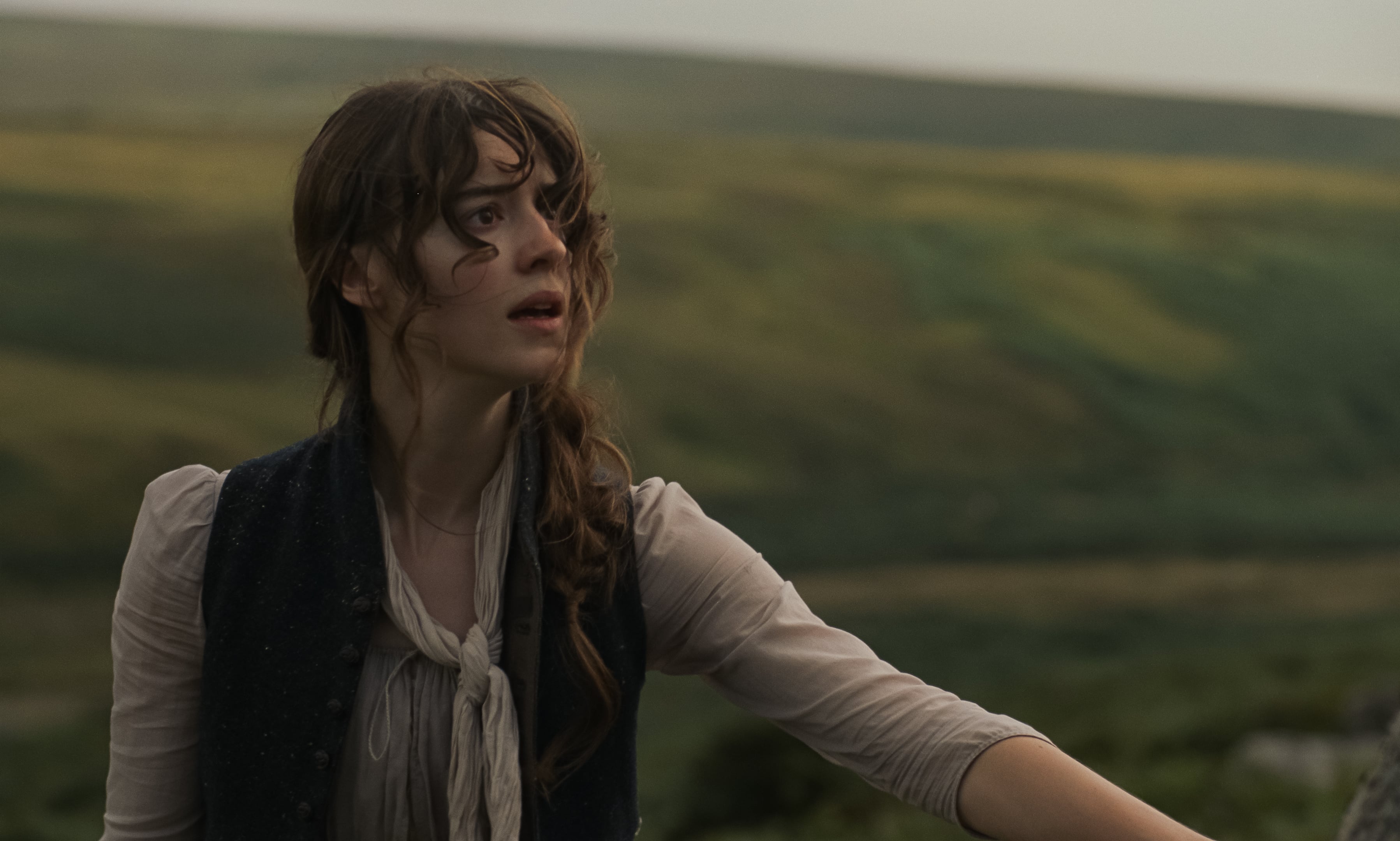

Daisy Edgar-Jones in "Sense and Sensibility."
Focus Features
Snell takes costuming liberties just subtle enough as to not take you out of the story, tweaking the styling of period-accurate pieces rather than the silhouettes themselves. “I didn't want the modern element to outweigh the history because I studied costume history and it's something that I massively respect,” she says. One such costuming flourish can be found on the youngest Dashwood sister, Margaret (Bodhi Rae Breathnach), who wears a dainty bracelet made of shells foraged by Marianne. When the eldest sister Elinor is running after her lover at the film’s climax, she wears a slim round gown with a cropped men’s waistcoat and tied neck chief. “That outfit for me feels quite timeless because all the elements exist in the period,” Snell says, while acknowledging that there was not a specific research photo that paired a men’s waistcoat with a dress. Elinor’s lapse into menswear comes at a pivotal scene for the character when she disregards her pursuit of societal propriety for love. “We wanted to create this level of intimacy and this human story between the sisters,” Snell says. “For me, the best way was through the styling.”